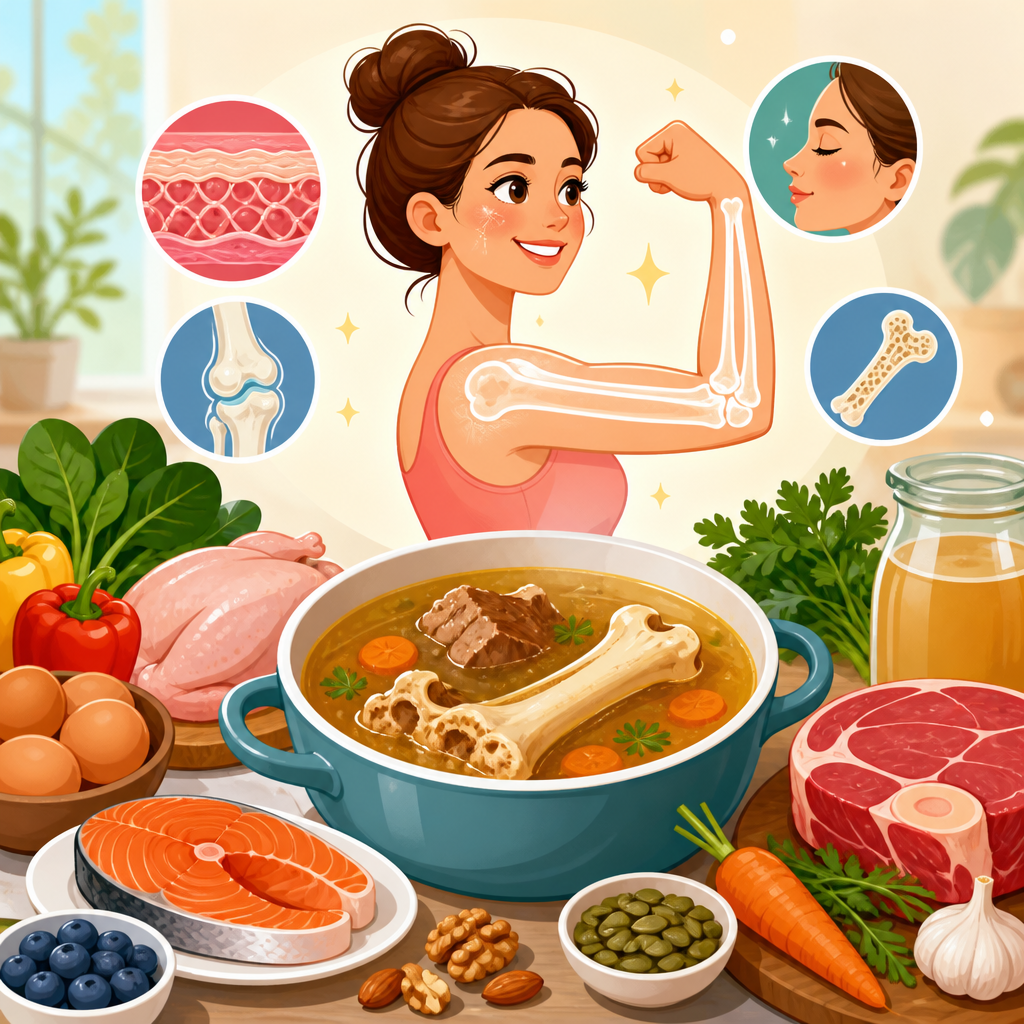
Collagen and bone broth sit at the center of today’s joint, skin, and healthy aging conversation because they connect nutrition, structural biology, and practical daily habits in a way few other food topics do. Collagen is the most abundant protein in the human body, forming the scaffold of skin, cartilage, tendons, ligaments, bones, blood vessels, and the gut lining. Bone broth is a slow-simmered stock made from bones, connective tissue, and often skin, valued because it concentrates gelatin, amino acids, minerals, and flavor into a convenient food. When people search for foods rich in collagen, they usually want a direct answer: animal skin, bone broth, gelatin-rich cuts, pork rind, chicken with skin, fish skin, and collagen-containing connective tissues are the most relevant dietary sources, while vitamin C-rich produce and adequate protein help the body produce its own collagen.
I have worked with clients who assumed collagen was a beauty trend, then changed their view when they learned that declining collagen affects much more than wrinkles. Starting in early adulthood, collagen production gradually decreases, and the rate is influenced by age, smoking, ultraviolet exposure, high sugar intake, chronic inflammation, and inadequate intake of protein and micronutrients. That matters because collagen provides tensile strength and resilience. In plain terms, it helps tissues resist wear and maintain elasticity. Bone broth matters for a related reason: it is not magic, but it is a practical, food-based way to increase intake of collagen-derived compounds while supporting hydration, appetite, and meal quality.
This hub article explains the role of collagen and bone broth comprehensively, from food sources and nutrient mechanics to realistic benefits, limitations, and how to use them in a broader supplements and nutraceuticals strategy. It also clarifies an important distinction. Eating collagen does not send intact collagen directly to the skin or knees. Digestive enzymes break proteins down into peptides and amino acids, which the body then uses according to need. However, collagen-rich foods provide unusually high amounts of glycine, proline, and hydroxyproline, amino acids associated with connective tissue structure. That is why collagen nutrition deserves attention: it combines direct dietary intake, support for endogenous synthesis, and clinically relevant applications for skin, joints, and recovery.
What collagen does in the body and why bone broth is relevant
Collagen is not one single substance. At least 28 collagen types have been identified, but types I, II, and III dominate most nutrition discussions. Type I is the primary collagen in skin, tendon, bone, and ligaments. Type II is concentrated in cartilage. Type III is common in skin, blood vessels, and organs. From a dietary standpoint, these distinctions matter because different animal tissues contain different collagen profiles. Fish skin and bovine hide are typically rich in type I collagen, while chicken sternum cartilage is often used for type II products. Bone broth usually delivers a mixed profile because it is made from multiple tissues.
The role of collagen in the body is mechanical and biological. Mechanically, collagen fibers create a strong extracellular matrix that gives tissue structure. Biologically, collagen peptides may also act as signaling molecules, influencing fibroblast activity and matrix turnover. This is one reason research on supplemental collagen peptides has attracted attention for skin elasticity, hydration, and joint comfort. Bone broth fits into the picture because long simmering converts insoluble collagen into gelatin and releases small peptides into liquid. The exact nutrient content varies widely depending on the bones used, cooking time, acidity, and filtration, but the central point is consistent: bone broth is a whole-food delivery system for collagen breakdown products.
In kitchen practice, I have found that people use bone broth most successfully when they stop treating it as a cure-all and start treating it as a strategic protein-supporting food. A mug of broth in the morning can replace a low-value snack. A broth-based soup can improve satiety without relying on ultra-processed ingredients. During periods of reduced appetite, illness recovery, or chewing difficulty, broth can be one of the easiest ways to maintain nutrient intake. Those use cases are practical, especially for older adults and active individuals who need regular protein distribution across the day.
Top foods rich in collagen and the nutrients that support collagen production
If the question is, “What foods are richest in collagen?” the most accurate answer is foods containing skin, connective tissue, cartilage, and gelatin. Bone broth is the best-known example, but it is not the only one. Chicken skin, chicken wings, drumsticks, oxtail, beef shank, short ribs, pork skin, fish skin, sardines with skin and bones, tendon-rich braises, and gelatin made from animal collagen all belong on the list. These foods deliver collagen or collagen-derived gelatin directly. They also often come with minerals and additional protein, though the exact amounts depend on the cut and preparation method.
Equally important are the nutrients required for the body to synthesize collagen efficiently. Vitamin C is essential because it serves as a cofactor for prolyl and lysyl hydroxylase, enzymes involved in stabilizing the collagen triple helix. Without enough vitamin C, collagen cross-linking is impaired, which is why severe deficiency causes scurvy. Zinc supports tissue repair and enzyme function. Copper contributes to collagen and elastin cross-linking through lysyl oxidase. Adequate total protein supplies the amino acid building blocks. This means a collagen-supportive diet is broader than broth alone: citrus, kiwi, strawberries, bell peppers, broccoli, shellfish, legumes, meat, dairy, eggs, and nuts all contribute.
| Food | What it provides | Best practical use |
|---|---|---|
| Bone broth | Gelatin, collagen peptides, minerals, fluid | Sipping, soups, sauces, recovery meals |
| Chicken with skin | Collagen-rich connective tissue plus complete protein | Roasting, stewing, shredded meals |
| Beef shank or oxtail | Tendon, cartilage, marrow-associated nutrients | Slow braises and stews |
| Fish skin | Type I collagen-rich tissue | Baked or pan-seared fish dishes |
| Gelatin | Cooked collagen protein | Homemade gummies, desserts, thickening |
| Citrus and peppers | Vitamin C for collagen synthesis | Pair with collagen-rich meals |
A useful pattern is to pair direct collagen foods with collagen-supportive produce. For example, chicken soup made with bone broth, chicken thighs with skin, carrots, celery, onions, and parsley is improved further when served with lemon juice or a side of red pepper salad. Braised beef shank with tomatoes provides both connective tissue and vitamin C-containing ingredients. Salmon with crisped skin served alongside broccoli and potatoes covers collagen-rich tissue, complete protein, and key micronutrients in one meal. The synergy matters more than marketing claims.
What the research says about skin, joints, gut health, and recovery
The evidence base is strongest for collagen peptides in skin and joint applications, though outcomes depend on dose, duration, and study design. Several randomized trials and meta-analyses suggest that oral collagen peptide supplementation can improve skin hydration, elasticity, and wrinkle appearance after periods commonly ranging from eight to twelve weeks. The mechanism is not simply “more collagen in, more collagen out.” Rather, absorbed peptides and amino acids appear to support dermal matrix metabolism. Typical studied doses often fall between 2.5 and 15 grams daily, with many skin studies clustering around lower doses than joint studies.
For joints, the picture is promising but nuanced. Athletes and older adults with activity-related discomfort may experience modest improvements in joint comfort or function with consistent collagen peptide use, especially when paired with resistance training or rehabilitation. Undenatured type II collagen is a separate category and is often studied in very small doses for joint tolerance because it works through a different proposed immune-mediated mechanism than hydrolyzed collagen. Bone broth has less direct clinical evidence than standardized supplements because its composition varies too much to study cleanly. Still, many people use it effectively as part of a recovery diet, particularly after hard training, during injury downtime, or when they need a savory, easy-to-digest protein source.
Gut health claims require caution. Bone broth is often promoted for “healing the gut,” but the evidence is limited and should not be overstated. What can be said confidently is that broth can be gentle, hydrating, and useful when someone needs soft, simple foods. Gelatin may support palatability and meal tolerance in some individuals. That is not the same as saying broth treats inflammatory bowel disease, leaky gut, or food intolerance. In practice, broth can be part of a gastrointestinal support plan, but diagnosis and treatment should be guided by a qualified clinician, especially when symptoms are chronic or severe.
Bone broth versus collagen supplements: strengths, limitations, and how to choose
People often ask whether they should drink bone broth or buy collagen powder. The answer depends on goal, budget, convenience, and dietary pattern. Bone broth offers culinary versatility, fluid, sodium, and a whole-food experience. It works well for soups, grains, sauces, and sipping. It can improve meal quality and support adherence because people are more likely to use foods they enjoy. Collagen supplements, especially hydrolyzed collagen peptides, offer standardization. You know the dose per scoop, the protein content is predictable, and it is easy to mix into coffee, yogurt, oatmeal, or smoothies.
From a formulation standpoint, supplements are superior when a person wants consistent intake for a research-aligned target, such as 10 grams daily for joint support. From a food-first standpoint, broth is superior when the goal is to build a sustainable eating pattern. The downside of bone broth is variability. Homemade broth may provide meaningful gelatin, or it may be relatively weak if diluted, cooked briefly, or made without enough joints and connective tissue. Store-bought products also vary dramatically in protein content; some contain only a few grams per serving and function more as flavored stock than a concentrated collagen source. Reading the nutrition label matters.
There are also safety and quality considerations. Broth can be high in sodium, which may matter for people managing hypertension or fluid retention. Commercial collagen supplements should be sourced from reputable manufacturers that test for contaminants and verify protein content. People with fish, egg, or beef sensitivities need to check ingredient origin carefully. No collagen product replaces adequate dietary protein, resistance exercise, sleep, and sun protection. In clinical nutrition work, the best results come when collagen is treated as an adjunct, not a substitute for fundamentals.
How to use collagen-rich foods and bone broth effectively in daily meals
The most effective way to use collagen-rich foods is to anchor them to routines you already keep. A cup of bone broth before lunch can reduce reliance on convenience snacks. A pressure-cooked beef shank stew can provide several meals with excellent texture and connective tissue content. Rotisserie chicken becomes more valuable when the carcass is turned into broth rather than discarded. Fish skin, often removed out of habit, can be cooked until crisp and eaten as part of the meal. These are not exotic interventions; they are efficient kitchen decisions that compound over time.
For active adults, one practical framework is to combine collagen-rich intake with complete protein and produce. For example, after training, have a broth-based soup with chicken, rice, and vegetables, then ensure the rest of the day includes high-quality protein such as eggs, dairy, fish, tofu, or lean meat. For skin-focused nutrition, pair collagen foods with vitamin C-rich fruit or vegetables and keep total protein adequate, typically spread across meals. For older adults, prioritize softness, digestibility, and consistency: broths, stews, minced meats, and gelatin-containing preparations can be easier to chew and still nutritionally useful.
If you make bone broth at home, use joints, knuckles, feet, wings, marrow bones with attached connective tissue, or carcasses with skin. A splash of acid such as vinegar is commonly used, though its effect is often overstated; the major factors are bone selection, water ratio, and simmer time. Skim impurities, avoid aggressive boiling that clouds flavor, and chill broth so excess fat can be removed if desired. In my experience, broth that gels in the refrigerator is a good sign that meaningful gelatin was extracted. That texture is not a guarantee of precise collagen content, but it is a practical quality cue.
Who benefits most, who should be careful, and how this topic fits a nutraceutical strategy
Collagen and bone broth are most useful for people with elevated connective tissue demands or declining tissue resilience: aging adults, athletes, highly active workers, individuals in injury recovery, and people who struggle to meet protein needs with solid foods alone. They are also relevant for beauty-from-within nutrition, where skin hydration, elasticity, and appearance are priorities. The strongest case is not that everyone needs large amounts, but that many people can benefit from targeted inclusion, especially when overall diet quality is already solid.
There are limits. Vegetarians and vegans cannot obtain collagen directly from plant foods because collagen is animal-derived. Plant foods can still support collagen production by providing vitamin C, minerals, and total protein, but they are not collagen sources. People with histamine intolerance sometimes report symptoms with long-simmered broths. Those with kidney disease or medically prescribed protein restrictions should follow clinical guidance before adding concentrated protein products. Anyone expecting bone broth to reverse arthritis, erase wrinkles, or repair the gut in isolation will be disappointed.
As a hub within supplements and nutraceuticals, this topic works best when linked conceptually to protein adequacy, healthy aging, exercise recovery, skin support, mineral status, and anti-inflammatory diet patterns. Collagen and bone broth are not stand-alone solutions. They are tools that fit into a broader framework of resistance training, micronutrient sufficiency, balanced meals, and evidence-based supplementation when indicated. Start with one practical step this week: add a true collagen-rich food or a quality bone broth to your routine, pair it with vitamin C-rich produce, and evaluate how well it supports your long-term nutrition goals.
Frequently Asked Questions
What is collagen, and why is it so important for the body?
Collagen is the most abundant structural protein in the human body, and it acts like the framework that helps hold everything together. It is a major building block of skin, cartilage, tendons, ligaments, bones, blood vessels, and parts of the digestive tract. In practical terms, collagen supports skin firmness and elasticity, helps joints move comfortably, contributes to bone strength, and plays a role in the integrity of connective tissues throughout the body. Because it is so widely distributed, collagen is closely tied to the way we look, move, and age.
Natural collagen production declines over time, which is one reason conversations about healthy aging often include collagen-rich foods and nutrients that support collagen synthesis. Factors such as aging, smoking, chronic sun exposure, poor diet quality, and high sugar intake can all affect collagen integrity. While no single food can stop aging, eating in a way that supplies amino acids and key supportive nutrients can help the body maintain its own collagen structures more effectively. That is why collagen has become a central topic in nutrition for skin health, joint support, recovery, and overall structural wellness.
What makes bone broth different from regular broth or stock?
Bone broth is typically made by simmering bones, connective tissue, joints, and sometimes skin for a longer period than standard broth. This extended cooking process helps release gelatin and collagen-derived compounds from the connective tissues into the liquid. When cooled, a well-made bone broth may gel, which is often seen as a sign that it contains a higher amount of gelatin. Traditional stock can share some similarities, but bone broth is usually prepared with the specific goal of extracting more connective tissue components and creating a richer, more concentrated result.
Another reason bone broth stands out is its nutritional positioning. People value it not just as a flavorful base for soups and stews, but also as a convenient way to include collagen-related nutrients in everyday meals. It can provide amino acids such as glycine, proline, and glutamine, along with minerals released during cooking, depending on the ingredients used. While nutrient levels vary widely by recipe and preparation method, bone broth is often appreciated for being nourishing, savory, easy to digest for many people, and simple to incorporate into a daily routine as a warm beverage or cooking ingredient.
Which foods are naturally rich in collagen or help support collagen production?
Foods richest in collagen itself tend to come from animal connective tissues. Bone broth is one of the best-known examples because it is made from bones, cartilage, joints, and skin. Other collagen-rich options include chicken skin, pork skin, beef shank, oxtail, short ribs cooked with connective tissue intact, and fish skin. Gelatin-rich dishes made from slow-cooked cuts of meat can also contribute collagen-derived proteins. These foods are especially notable because they contain the structural tissues where collagen is naturally concentrated.
Just as important are foods that help the body produce and maintain collagen. Vitamin C is essential for collagen synthesis, so citrus fruits, strawberries, kiwi, bell peppers, broccoli, and tomatoes are valuable partners to collagen-rich meals. Protein-rich foods such as eggs, dairy, fish, poultry, beef, beans, and lentils supply amino acids needed to build body proteins. Minerals and cofactors also matter, including zinc from shellfish, beef, pumpkin seeds, and legumes, and copper from nuts, seeds, and organ meats. In other words, the most effective approach is not to rely on a single “miracle food,” but to combine collagen-containing foods like bone broth with a nutrient-dense diet that gives the body the tools it needs to build and repair connective tissue.
Can eating collagen-rich foods and bone broth really help joints, skin, and healthy aging?
They can be a useful part of a supportive diet, but it is important to keep expectations realistic and evidence-based. Collagen-rich foods and bone broth provide protein fragments and amino acids that the body can use as raw materials. Since collagen is a major component of skin, cartilage, and connective tissue, regularly consuming these nutrients may help support the body’s ongoing maintenance and repair processes. Many people choose bone broth as part of a routine focused on joint comfort, workout recovery, skin support, and healthy aging because it is practical, protein-containing, and easy to add to meals.
That said, the body digests dietary collagen into smaller peptides and amino acids, then uses them according to its priorities. This means collagen from food is not simply sent directly to the skin or joints in a one-to-one way. Results depend on the overall quality of the diet, age, lifestyle, physical activity, sleep, and health status. For the best long-term benefit, collagen-rich foods should be part of a broader strategy that includes adequate total protein, vitamin C-rich produce, resistance exercise, good hydration, sun protection, and avoidance of smoking. Bone broth and collagen-containing foods are best understood as helpful contributors to structural health, not instant fixes.
How can I add more collagen and bone broth to my diet in a simple, balanced way?
The easiest approach is to treat bone broth as both a beverage and a cooking staple. You can sip a warm cup on its own, use it as the base for soups, stews, and sauces, or cook grains and legumes in it for extra flavor. It also works well in braises, risottos, savory oatmeal, and one-pot meals. If you prepare bone broth at home, using a mix of marrow bones, joints, feet, knuckles, or skin can increase the amount of gelatin extracted during simmering. A splash of acid such as vinegar is often added during cooking to help with extraction, though recipe preferences vary.
Beyond broth, include more naturally collagen-rich cuts of meat and pair them with produce that supports collagen synthesis. For example, slow-cooked beef or chicken with bell peppers, tomatoes, leafy greens, or citrus-based dressings creates a more complete nutritional picture. Fish with skin, chicken thighs with skin, and connective-tissue-rich braises can all fit into a balanced eating pattern. If convenience matters, plan ahead by freezing homemade bone broth in portions or keeping a high-quality prepared broth on hand. The goal is consistency, not perfection. Small, regular habits usually make more sense than trying to rely on occasional large servings or overly complicated routines.