Supplements for athletic performance can come from capsules and powders, but the smartest foundation starts on the plate. Athletes often ask which foods naturally deliver the same performance-supporting compounds found in popular products, and that question matters because food provides the matrix, dosing flexibility, and recovery value that isolated ingredients usually cannot match alone. In practice, I have seen better long-term results when athletes first identify foods rich in protein, nitrates, creatine, omega-3 fats, electrolytes, polyphenols, and key micronutrients before deciding where a supplement is truly necessary. That approach improves training consistency, reduces unnecessary spending, and lowers the risk of relying on products that are poorly formulated or contaminated.
In sports nutrition, “supplements for athletic performance” refers to substances used to improve output, endurance, strength, power, hydration, recovery, adaptation, or focus. The category includes evidence-backed compounds such as creatine monohydrate, caffeine, dietary nitrates, sodium, beta-alanine, and high-quality protein, along with broader recovery supports like carbohydrate, iron when indicated, and omega-3 fatty acids. Many of these compounds exist naturally in food. Beef and fish contain creatine. Beets and arugula provide nitrates. Dairy, eggs, soy, and poultry deliver leucine-rich protein. Bananas, potatoes, yogurt, and broth contribute electrolytes and carbohydrate that support muscle contraction and glycogen restoration.
Why does this matter? Athletic performance depends on repeatable physiology, not quick fixes. Energy systems need carbohydrate availability. Muscles need amino acids to repair and grow. Nerves and muscle fibers require sodium, potassium, calcium, and magnesium to contract properly. Red blood cell production depends on iron, folate, vitamin B12, and adequate energy intake. Inflammation and cellular stress after hard training are influenced by sleep, total calories, and dietary compounds such as omega-3 fats and antioxidant-rich plants. Food addresses all of these at once. A gel can help during a race; it cannot replace habitual nutritional adequacy.
This hub article explains the top foods rich in performance-supporting compounds, why each matters, when food is enough, and where strategic supplementation may still have a role. If you are building a sports and performance nutrition plan, this is the practical starting point.
Protein-rich foods that drive recovery, muscle repair, and adaptation
Protein remains the most widely used category in supplements for athletic performance because it directly supports muscle protein synthesis, connective tissue repair, immune resilience, and body composition goals. From experience working with lifters, runners, and field-sport athletes, the biggest mistake is not choosing the wrong powder; it is underestimating how much high-quality protein can come from ordinary meals. Eggs, Greek yogurt, milk, cottage cheese, chicken, turkey, lean beef, fish, tofu, tempeh, edamame, and soy milk all provide meaningful amounts of essential amino acids, especially leucine, the amino acid that helps trigger muscle protein synthesis.
Dairy is particularly effective. Whey naturally found in milk is rapidly digested and rich in leucine, while casein digests more slowly and helps sustain amino acid delivery. Greek yogurt combines both with calcium and carbohydrates, making it useful after training. Eggs deliver highly bioavailable protein plus choline, which supports neuromuscular function. Lean meats and fish provide dense protein servings with iron, zinc, selenium, and B vitamins that matter for athletes training hard. For plant-based athletes, soy stands out because its amino acid profile is stronger than many other plant proteins, though total intake often needs more planning to reliably hit leucine thresholds.
Most athletes benefit from spreading protein across the day rather than concentrating it at dinner. In practical terms, that means building meals around twenty to forty grams of protein depending on body size and training demands. Food-first examples include a bowl of Greek yogurt with oats and berries after morning training, rice with chicken and vegetables at lunch, or tofu stir-fry with edamame after evening sessions. Powders remain useful for convenience, but foods rich in naturally occurring protein should be the default because they also deliver satiety, micronutrients, and often better eating consistency.
Nitrate-rich vegetables for endurance, blood flow, and exercise efficiency
Dietary nitrates are one of the most interesting food-based performance supports because their effects are measurable and specific. After ingestion, nitrate from foods like beetroot, arugula, spinach, celery, and lettuce can be converted through the nitrate-nitrite-nitric oxide pathway. Nitric oxide helps regulate blood vessel dilation, muscle blood flow, and mitochondrial efficiency. In plain terms, some athletes can do a given workload with slightly less oxygen cost, which is especially relevant in endurance events and repeated high-intensity efforts.
Beetroot juice became popular for this reason, but whole foods matter too. Roasted beets, beet smoothies, and salads built around arugula and spinach can increase nitrate intake meaningfully. Timing matters: athletes often use nitrate-rich foods two to three hours before exercise because that window aligns with peak nitrite availability. An important practical detail many people miss is that antibacterial mouthwash can blunt the nitrate-to-nitrite conversion because oral bacteria are part of the pathway. I routinely flag this for cyclists and runners who use beet products but see inconsistent results.
Responses vary. Elite athletes may see smaller gains than recreational athletes because they are already efficient, and the effect size depends on training status, event type, dose, and habitual diet. Still, nitrate-rich vegetables are worth emphasizing because they support general cardiovascular health while offering a legitimate performance edge in the right context. Unlike many trendy products, they also fit easily into meals athletes already eat.
Creatine foods, omega-3 sources, and the most useful performance nutrients by food
Creatine is one of the best-supported supplements for athletic performance, especially for strength, sprinting, power, and lean mass. Food sources include beef, pork, herring, salmon, and tuna. The catch is dose density. A standard three to five gram supplemental dose is hard to reach through food alone without eating very large portions. Even so, regular inclusion of these foods contributes to baseline creatine intake while also delivering complete protein, iron, B12, and selenium. Athletes who avoid animal foods generally have lower dietary creatine intake and may notice more obvious benefits from supplementation.
Omega-3 fats are another area where food can do substantial work. Fatty fish such as salmon, sardines, mackerel, trout, and herring provide EPA and DHA, the forms most associated with anti-inflammatory signaling, cell membrane function, and possible support for recovery from heavy training. Omega-3s are not acute ergogenic aids in the way caffeine is, but in athletes with chronically low intake, increasing fatty fish consumption can improve overall recovery quality and support cardiovascular health. Chia, flax, and walnuts contribute ALA, though conversion to EPA and DHA is limited.
| Performance nutrient | Top food sources | Main athletic benefit | When food may be enough | When a supplement may help |
|---|---|---|---|---|
| Protein and leucine | Greek yogurt, milk, eggs, chicken, fish, soy foods | Muscle repair, growth, recovery | Consistent meals meet daily targets | Busy schedules or low appetite after training |
| Nitrates | Beets, arugula, spinach, celery, lettuce | Exercise efficiency, blood flow, endurance support | Pre-event meals can include nitrate-rich vegetables | Precise race-day dosing with beet juice products |
| Creatine | Beef, pork, salmon, herring, tuna | Power, sprint performance, lean mass | Food supports baseline intake only | Most strength and power athletes benefit |
| Omega-3 fats | Salmon, sardines, mackerel, trout, herring | Recovery support, cell membrane function | Two or more fatty fish meals weekly | Low fish intake or specific clinical guidance |
| Electrolytes and carbohydrate | Potatoes, bananas, yogurt, broth, rice, fruit | Hydration, glycogen restoration, muscle function | Short sessions and good meal timing | Long events, heavy sweat loss, rapid refueling |
This comparison shows why foods rich in supplement-like compounds deserve center stage. Some nutrients, like creatine, are difficult to optimize from food alone. Others, like protein, nitrate, carbohydrate, and potassium, are often easier and cheaper to obtain through meals.
Carbohydrate, electrolytes, and hydration foods that sustain output
Carbohydrate is often overlooked when people search for supplements for athletic performance, yet it remains the most reliable fuel for moderate to high-intensity training. Muscles store carbohydrate as glycogen, and low glycogen availability is one of the clearest nutritional reasons performance drops. Rice, oats, potatoes, pasta, bread, fruit, beans, dairy, and sports-friendly options like applesauce or cereal all help restore glycogen. During prolonged exercise, rapidly digested carbohydrate becomes especially important because oxidation rates and gut tolerance influence pacing and decision-making.
Hydration support also starts with food. Sodium is the key electrolyte lost in sweat, while potassium, calcium, and magnesium help with fluid balance and muscle contraction. Broth, salted potatoes, yogurt, milk, bananas, oranges, watermelon, and cheese can all help athletes rehydrate after training, especially when paired with sufficient fluids. For sessions under about an hour in moderate conditions, water and normal meals are often enough. For long runs, hot-weather training, or two-a-day practices, food alone may not be practical, and sports drinks, electrolyte mixes, or sodium capsules can become useful tools.
Athletes with heavy sweat losses need individual strategies. I have worked with players who finished summer sessions with salt lines on clothing and body mass drops well above two percent. They performed better only after increasing pre-session sodium, not by adding another stimulant. That is the larger lesson: many “performance problems” are really fueling and hydration problems. Foods rich in carbohydrate and electrolytes solve a surprising amount of what athletes try to outsource to expensive products.
Iron, antioxidants, and micronutrient-dense foods that protect performance capacity
Not every useful supplement for athletic performance is about acute output. Some support the systems that allow training adaptations to happen at all. Iron is the clearest example. It is essential for hemoglobin and oxygen transport, and low iron status can reduce endurance, increase perceived exertion, and impair recovery even before full anemia develops. Red meat, clams, mussels, lentils, beans, tofu, spinach, fortified cereals, and pumpkin seeds contribute iron, though heme iron from animal foods is absorbed more efficiently than non-heme iron from plants. Pairing plant iron sources with vitamin C rich foods such as citrus, strawberries, bell peppers, or kiwi can improve absorption.
Female athletes, adolescent athletes, distance runners, and athletes with low energy availability deserve particular attention here. Iron supplementation should be guided by lab work, not guesswork, because both deficiency and excess carry risks. The same caution applies to other micronutrients. Vitamin D, calcium, magnesium, zinc, and B12 can all affect training quality and recovery, but the best starting point is a diet built on dairy or fortified alternatives, leafy greens, legumes, whole grains, nuts, seeds, eggs, fish, and meat or well-planned plant substitutes.
Antioxidant-rich foods also matter, but context is important. Tart cherries, berries, pomegranate, cocoa, and colorful vegetables contain polyphenols that may help manage soreness and oxidative stress. However, very high-dose antioxidant supplements can theoretically blunt some training adaptations by interfering with signaling pathways. Whole foods are the safer, smarter default because they provide moderate amounts within a complex food matrix. I usually recommend athletes increase colorful produce first and reserve concentrated products for short periods around competition-heavy blocks.
How to use food first, and when supplements still make sense
The practical framework is simple. First, match total energy intake to training load. Second, cover daily protein, carbohydrate, hydration, and micronutrient basics with meals. Third, identify whether a specific performance goal justifies a targeted supplement. This order matters because supplements cannot rescue a poor foundation. An underfueled athlete taking creatine and caffeine is still underfueled.
Food-first does not mean anti-supplement. It means using the right tool for the right job. Whey protein is useful when appetite is low after hard sessions. Creatine monohydrate is efficient when an athlete wants the benefits that food alone cannot easily supply. Caffeine can improve alertness, reaction time, endurance, and perceived effort when dosed appropriately, though it can also worsen anxiety, disrupt sleep, and cause gastrointestinal distress. Beta-alanine may help with repeated efforts lasting roughly one to four minutes, but it requires consistent intake and often causes tingling. Sodium and carbohydrate products are indispensable during some races and tournaments because portability and speed matter.
Quality control is critical. Athletes subject to drug testing should choose products certified by respected third-party programs such as NSF Certified for Sport or Informed Sport. Contamination remains a real risk in the supplement market. That is another reason foods rich in performance-supporting nutrients deserve emphasis: they are transparent, familiar, and easier to verify.
The best supplements for athletic performance often begin as foods: dairy and eggs for leucine-rich protein, fish and meat for creatine and omega-3 support, beets and leafy greens for nitrates, potatoes and fruit for carbohydrate and potassium, and iron-rich foods for oxygen transport capacity. Build those into daily eating, and many athletes will cover most of what they need before opening a tub or bottle. Use supplements strategically only where food falls short, where timing is impractical, or where evidence clearly supports a targeted benefit. If you want better results from sports and performance nutrition, start by auditing your meals, then add only the products that solve a real problem.
Frequently Asked Questions
What does it mean when foods are “rich in supplements” for athletic performance?
When people say certain foods are “rich in supplements,” they usually mean those foods naturally contain the same performance-supporting compounds often sold in capsules, powders, gels, or drinks. For athletes, that can include high-quality protein for muscle repair, dietary nitrates for blood flow and endurance, creatine precursors or naturally occurring creatine, omega-3 fats for recovery, electrolytes for hydration, antioxidants for managing training stress, and carbohydrate sources that replenish glycogen. In other words, many of the ingredients highlighted on supplement labels already exist in everyday foods in forms the body recognizes and uses well.
This matters because food does more than deliver a single isolated compound. Whole foods come with what nutrition professionals often call a “matrix,” meaning the vitamins, minerals, fiber, water content, fats, and phytonutrients all work together. A salmon fillet does not just provide protein; it also supplies omega-3 fatty acids, selenium, B vitamins, and nutrients that support recovery. Beets do not just contribute nitrates; they also provide carbohydrates, potassium, and plant compounds that support overall health. That broader package can make food a smarter first step for athletic performance, especially over the long term.
Another advantage is flexibility. It is often easier to scale food intake up or down based on training demands, body size, sport, and recovery needs. An athlete in heavy training may need more protein, more carbohydrate, or more sodium than during a lighter phase. Building those targets around meals and snacks tends to create better daily consistency than relying only on products. Supplements can still be useful, especially when convenience or precise timing matters, but a food-first foundation usually gives better overall results for energy, recovery, body composition, and sustainable performance.
Which foods naturally provide the most important performance-supporting nutrients athletes look for in supplements?
Some of the best food sources align closely with the most researched categories in sports nutrition. For protein, eggs, Greek yogurt, cottage cheese, chicken, turkey, lean beef, fish, tofu, tempeh, edamame, lentils, and milk are excellent choices because they help repair muscle tissue and support training adaptation. Dairy foods are especially useful because they combine protein, carbohydrates, and key minerals like calcium and potassium. If an athlete is trying to build or preserve lean mass, these foods should show up regularly across the day rather than only at dinner.
For nitrate-rich foods, beets, arugula, spinach, celery, lettuce, and other leafy greens stand out. Dietary nitrates can support nitric oxide production, which may help with blood flow, muscular efficiency, and endurance performance. This is one reason beetroot juice became popular, but athletes do not need to rely on concentrated shots alone. Including nitrate-rich vegetables in meals can help support the same pathway while contributing other beneficial nutrients. Beets and greens are especially useful for endurance athletes and field-sport athletes who want better work capacity.
For creatine-related support, red meat and fish are the main natural food sources. Beef, pork, salmon, tuna, and herring contain creatine, though food generally provides lower amounts than a typical creatine monohydrate supplement dose. Even so, these foods still support strength and recovery because they also deliver complete protein, iron, zinc, B12, and other nutrients important for power output and oxygen transport. Athletes who eat little or no animal protein may not get as much natural creatine from their diet, which is one reason creatine supplementation is often more relevant in vegetarian or vegan performance plans.
For omega-3 fats, fatty fish such as salmon, sardines, trout, mackerel, and herring are top choices. These foods help support recovery, cardiovascular function, and management of inflammation from hard training. For carbohydrate replenishment, fruits, oats, rice, potatoes, whole-grain breads, pasta, and dairy foods are practical staples. Bananas, oranges, berries, tart cherries, and raisins can be particularly helpful around training because they are easy to digest and provide quick energy or recovery carbohydrates along with antioxidants and potassium. Finally, for electrolytes and hydration support, foods like potatoes, dairy, bananas, yogurt, broth-based soups, pickles, watermelon, and sodium-containing meals can help replace what is lost in sweat more effectively than plain water alone.
Why is starting with food often better than relying only on sports supplements?
Food is usually the best starting point because it builds performance from the ground up instead of addressing one isolated target at a time. Athletes do not just need a pre-workout effect or a post-workout shake; they need enough total energy, protein distributed throughout the day, adequate carbohydrate to fuel training, healthy fats, micronutrients, hydration, and recovery support. Whole foods cover all of those bases at once. If an athlete is under-fueled, poorly hydrated, or inconsistent with meals, no supplement can fully compensate for that gap.
There is also a quality and safety advantage. Everyday foods are generally easier to trust and are less likely to carry the contamination risks sometimes seen in poorly regulated products. Competitive athletes, in particular, benefit from minimizing unnecessary supplement use unless there is a clear reason for it. Building a plate around lean proteins, colorful produce, quality carbohydrates, and healthy fats can reduce dependence on products that promise performance but do little when the diet itself is not solid.
Food tends to support better long-term adherence as well. Eating habits can be repeated daily, adjusted seasonally, and integrated into family life, travel, and team schedules. Supplements are often useful for convenience, but habits around breakfast, training snacks, recovery meals, and hydration routines are what really shape outcomes over weeks and months. I have seen athletes improve strength, body composition, recovery, and consistency simply by upgrading the quality and timing of their food choices before adding anything new from a bottle or tub.
That said, “food first” does not mean “food only.” Some situations call for strategic supplementation, such as creatine for high-intensity performance, caffeine for competition, protein powder for convenience, or electrolyte products during long sessions in heat. The key is that supplements should extend a strong nutrition foundation, not replace it. When the plate is doing most of the work, supplements become more targeted and effective instead of becoming a crutch.
How can athletes build meals around these foods to improve energy, performance, and recovery?
The most effective approach is to think in patterns rather than single “superfoods.” At most meals, athletes do well with a performance plate that includes a quality protein source, a carbohydrate source, colorful produce, and fluids. For example, a lunch of grilled chicken, rice, roasted beets, spinach, and fruit supports protein intake, glycogen replenishment, nitrate intake, and micronutrient status all at once. A recovery dinner of salmon, potatoes, mixed vegetables, and yogurt adds omega-3 fats, protein, potassium, and carbohydrates that help the body repair and refuel after training.
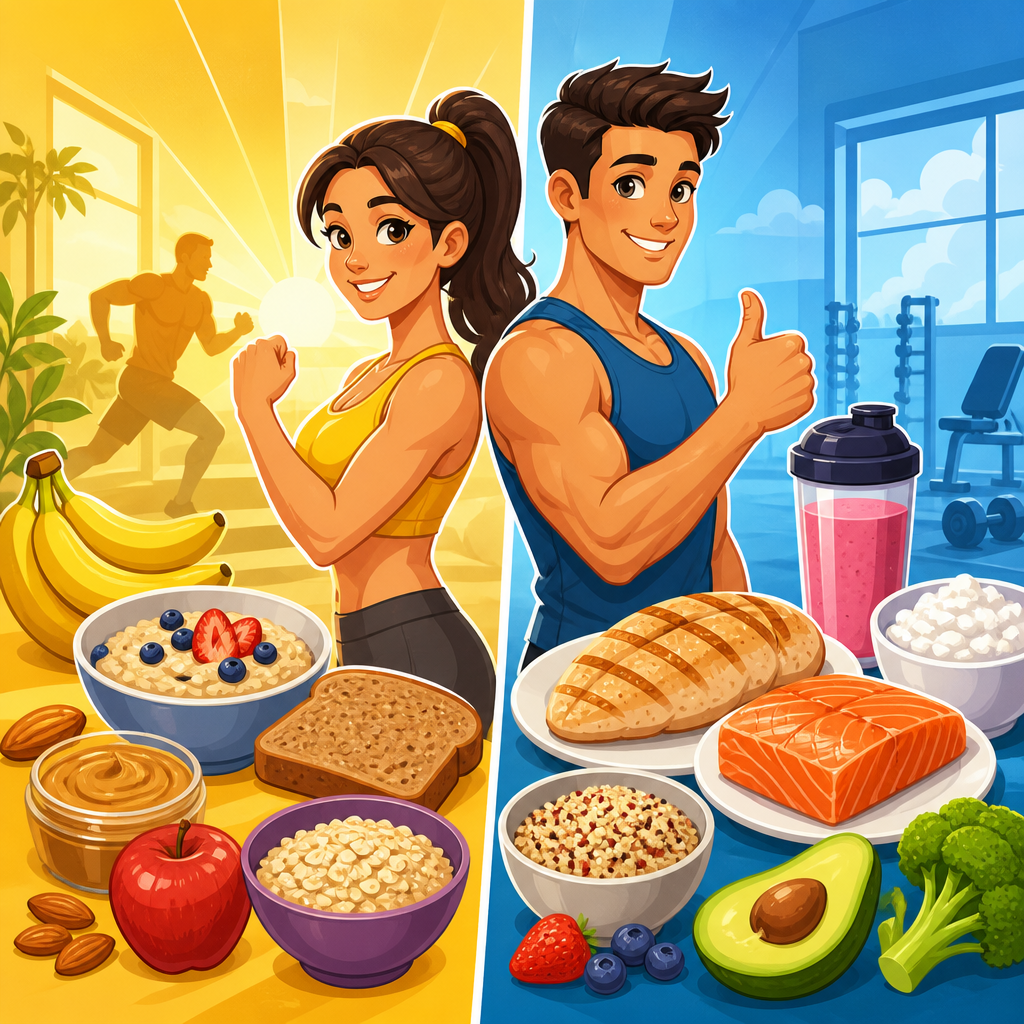
Timing also matters. Before training, athletes often benefit from easy-to-digest carbohydrates with a little protein and minimal heavy fat or fiber if the session is close. Good examples include oatmeal with banana, toast with nut butter, yogurt with fruit, or a smoothie made with milk and berries. After training, recovery usually improves when athletes eat within a reasonable window, especially after long, intense, or two-a-day sessions. A meal or snack with protein plus carbohydrate is ideal, such as chocolate milk, Greek yogurt with granola, eggs with toast, a turkey sandwich, or rice with tofu and vegetables.
For athletes trying to emphasize nitrate-rich foods, beets and leafy greens can be worked into practical meals rather than treated like medicine. Add arugula or spinach to sandwiches and omelets, roast beets into grain bowls, or blend greens into smoothies. For athletes needing more protein, spacing intake across breakfast, lunch, dinner, and one to two snacks tends to work better than eating most of it at night. For athletes who lose a lot of sweat, recovery meals should also include sodium-containing foods and enough fluids to fully rehydrate, especially after hot-weather sessions.
Consistency is what brings results. One beet salad or one salmon dinner will not transform performance by itself. The goal is to repeatedly combine the right foods in the right amounts for the demands of the sport. When meals and snacks are built this way, athletes usually notice more stable energy, fewer recovery crashes, better training output, and improved readiness from one session to the next.
Do athletes still need supplements if they already eat foods rich in performance-supporting nutrients?
Sometimes yes, but not always. A well-planned diet can cover a large share of an athlete’s needs, especially for protein, carbohydrates, potassium, magnesium, antioxidants, and many recovery nutrients. If an athlete consistently eats enough total calories, includes high-quality protein sources, gets plenty of produce, and matches carbohydrate intake to training demands, supplements may play only a minor role. In that case, food is doing exactly what it should: supporting performance, recovery, and health with less reliance on specialty products.
However, there are clear situations where supplements can still be useful. Creatine is one of the best examples because getting the amount typically used for performance benefits from food alone would require eating large amounts of meat or fish daily. Protein powder can