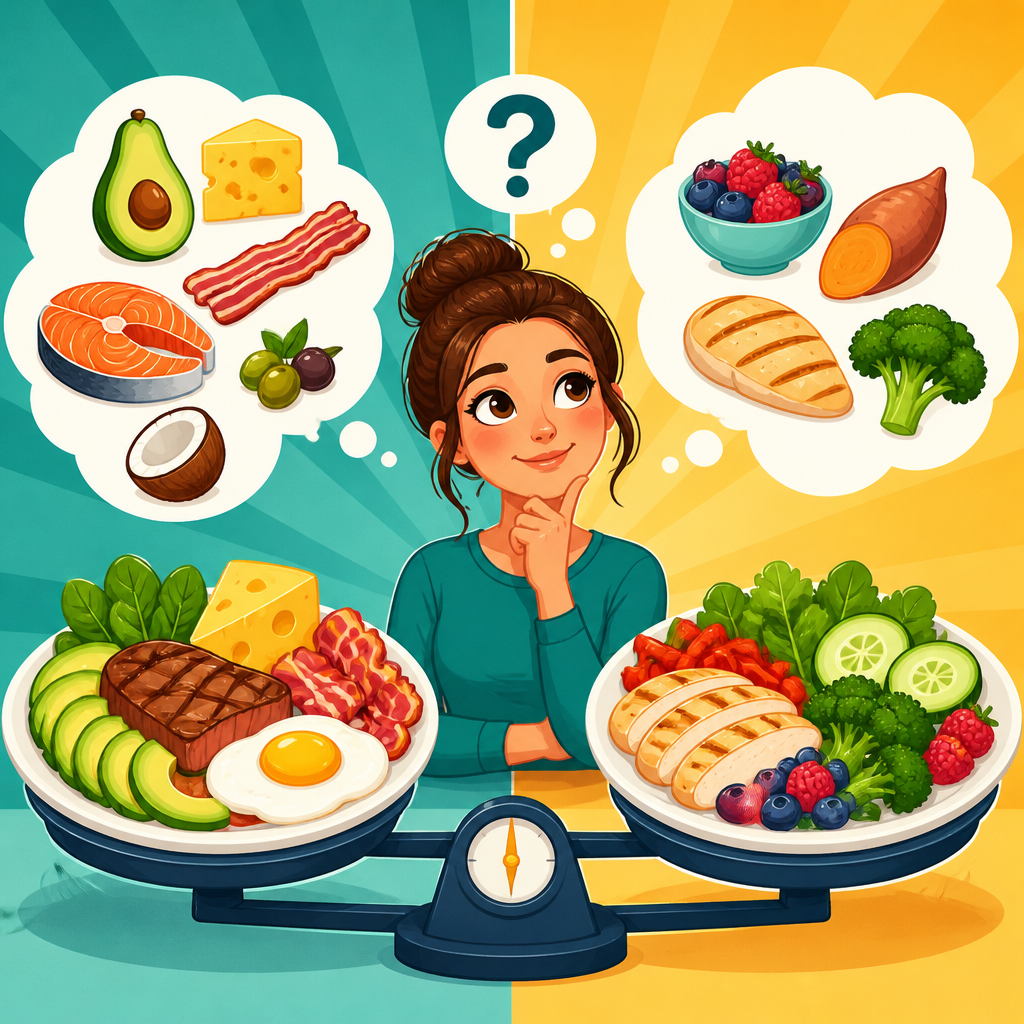
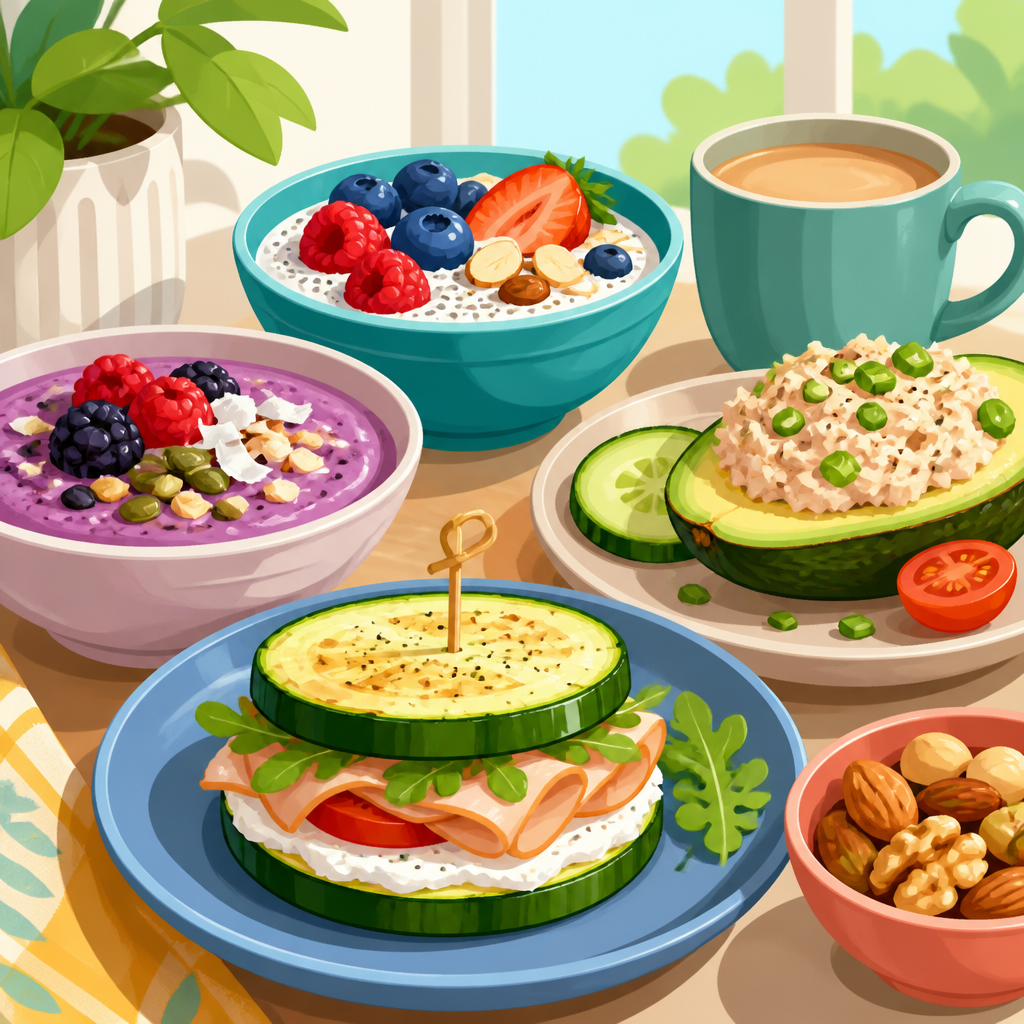
Low-carb breakfasts that are not built around eggs or bacon are easier to find than most people think, and they can anchor a sustainable ketogenic or low-carb routine without feeling repetitive. In nutrition practice and recipe development, I have seen the same problem repeatedly: people start reducing carbohydrates, lean on scrambled eggs and bacon every morning, and burn out within two weeks. A stronger approach is to treat breakfast as a strategic meal rather than a narrow set of foods. Low-carb means limiting digestible carbohydrates, usually by reducing sugar, bread, cereal, pastries, and starchy sides. Ketogenic eating is a stricter version that typically keeps carbohydrate intake low enough to encourage ketosis, a metabolic state in which the body produces ketones from fat for fuel. Not every low-carb eater aims for ketosis, but both patterns share the same breakfast challenge: finding meals that control blood sugar, support satiety, and still taste good.
This hub page covers the fundamentals of ketogenic and low-carb breakfasts while focusing on options beyond eggs and bacon. That matters because breakfast often sets the tone for the day. A meal with lower carbohydrate load and adequate protein can improve fullness, reduce midmorning snacking, and make it easier to stay within a planned carbohydrate range. It also matters because many people avoid eggs for allergy, cost, preference, or simple fatigue. Others want more fiber, less sodium, or fewer processed meats. The best low-carb breakfasts solve those problems with foods like Greek yogurt, chia, tofu, cottage cheese, smoked salmon, nuts, seeds, avocados, and low-sugar berries. This article explains what to eat, how to build a balanced plate, which ingredients deserve caution, and how to connect breakfast choices to broader ketogenic and low-carb diet goals.
What Counts as a Low-Carb or Keto Breakfast
A low-carb breakfast is not defined by a single universal gram limit, but practical ranges are clear. Many general low-carb plans land around 15 to 30 grams of net carbohydrates per meal, while stricter ketogenic plans may target 5 to 10 grams of net carbohydrates at breakfast to preserve a daily intake often below 20 to 50 grams total. Net carbohydrates usually mean total carbohydrates minus fiber and, depending on the product and the person, sometimes minus certain sugar alcohols. Because labeling can be inconsistent, I advise reading ingredient lists first and nutrition panels second. A yogurt marketed as healthy can carry more sugar than a dessert, while a simple bowl of unsweetened Greek yogurt with walnuts may fit well.
Protein is the second anchor. For many adults, a breakfast with 20 to 35 grams of protein improves satiety and helps preserve lean mass during weight loss. Fat then fills in for flavor, energy, and texture, especially on ketogenic plans. The missing piece is fiber. Since reducing grains and fruit can lower fiber intake, successful low-carb breakfasts often rely on chia seeds, flaxseed meal, nuts, seeds, avocado, and small portions of raspberries or blackberries. When these pieces come together, breakfast stops being a restriction exercise and becomes a reliable template.
Why Eggs and Bacon Dominate, and Why You Do Not Need Them
Eggs and bacon became shorthand for low-carb eating because they are naturally low in carbohydrates, easy to cook, and familiar. They also fit the early public image of ketogenic diets, which often emphasized visible fat over food variety. The problem is that convenience turned into monotony. Bacon is high in sodium and, depending on the brand, may include sugar in curing. Eggs are nutrient-dense, but daily repetition can create taste fatigue fast. For some people, digestive tolerance, cholesterol concerns, or household preferences make that pairing less appealing.
There is no nutritional rule requiring eggs or bacon at breakfast. In fact, many of the most practical low-carb breakfasts look more like assembled meals than classic breakfast plates. A cottage cheese bowl with hemp hearts and cucumber, a tofu scramble with spinach and mushrooms, or a chia pudding made with unsweetened almond milk can all deliver low carbohydrate counts with better variety. From a meal-planning perspective, broadening the breakfast menu reduces dependence on processed meats and creates more room for fiber, omega-3 fats, and fermented dairy. That variety improves adherence, and adherence is what determines whether a ketogenic or low-carb diet works in real life.
The Best Egg-Free, Bacon-Free Low-Carb Breakfast Categories
The easiest way to build this kind of breakfast is to work from categories instead of recipes. Start with cultured dairy if tolerated. Plain Greek yogurt, skyr, and cottage cheese can provide substantial protein with modest carbohydrate counts, especially in unsweetened versions. Add chia seeds, walnuts, almonds, pumpkin seeds, or flax for texture and fiber. Keep fruit portions intentional; berries are usually the most workable choice because they offer flavor with less sugar than bananas, mangoes, or grapes.
Plant-based breakfasts can work equally well. Tofu scrambles, edamame bowls, and unsweetened soy yogurt offer protein without eggs. Savory breakfasts are especially useful because they avoid the hidden sugars common in packaged breakfast foods. Smoked salmon, sardines, tuna, or leftover grilled chicken can become breakfast components with avocado, tomatoes, greens, and olive oil. Even soup can qualify. I often recommend broth-based vegetable soups with shredded chicken or tofu to clients who prefer warm, savory mornings and struggle with sweet cravings.
| Breakfast option | Typical protein source | Low-carb benefit | Watch for |
|---|---|---|---|
| Plain Greek yogurt bowl | Greek yogurt, nuts, seeds | High protein, easy portion control | Added sugar in flavored yogurt |
| Chia pudding | Chia seeds, protein powder | High fiber, make-ahead convenience | Sweeteners and sugary milk alternatives |
| Cottage cheese plate | Cottage cheese, hemp hearts | Very filling, versatile savory or sweet | Higher sodium in some brands |
| Tofu scramble | Firm tofu | Egg-free, adaptable with vegetables | Carbs from starchy vegetable add-ins |
| Smoked salmon and avocado | Salmon | Minimal carbs, rich in omega-3 fats | Sodium and portion size |
How to Build a Breakfast That Supports Ketosis or Lower Carb Intake
Use a four-part formula. First, choose a protein base: Greek yogurt, cottage cheese, tofu, salmon, turkey, tempeh, or a low-sugar protein shake. Second, add a fat source such as avocado, nut butter, olives, coconut, seeds, or extra-virgin olive oil. Third, include a fiber source, often chia, flax, berries, or nonstarchy vegetables. Fourth, season aggressively so the meal feels complete. Cinnamon, vanilla, cocoa, dill, lemon zest, za’atar, chili crisp without added sugar, and everything bagel seasoning can transform basic ingredients.
Here is what that looks like in practice. A keto breakfast might be plain full-fat Greek yogurt mixed with chia seeds, topped with crushed pecans and five raspberries. A moderate low-carb breakfast could be a smoothie made with unsweetened soy milk, spinach, peanut butter, and a scoop of whey isolate. A savory option might be cottage cheese with sliced cucumber, tomatoes, olive oil, and smoked trout. Each example is straightforward, but each one also balances protein, fat, and fiber in a way that keeps hunger predictable. When breakfast lacks protein, people often compensate with larger lunches or snack-heavy afternoons. When it lacks fiber, digestive comfort usually declines.
Ingredients That Frequently Cause Carb Creep
Most breakfast mistakes happen in foods that look healthy. Granola is one of the biggest examples. Even a small serving often contains oats, honey, dates, or syrup that quickly pushes carbohydrates up. Flavored yogurt is another. Many single-serve cups contain 15 to 25 grams of sugar before toppings are added. Smoothies can become dessert when they include juice, banana, sweetened plant milk, flavored protein powders, or café syrups. Oat milk, while popular, is often higher in carbohydrates than unsweetened almond or soy milk. Breakfast sausage can also contain fillers and added sugars.
Low-carb packaged products deserve special scrutiny as well. Some bars, cereals, and tortillas use resistant starches or sugar alcohols that work fine for one person and cause cravings or digestive upset in another. I have tested many of these foods with clients using food logs and glucose monitors, and responses vary more than labels suggest. If a “keto” breakfast product leaves you hungry two hours later or triggers overeating later in the day, the label is not the deciding factor. Your satiety, tolerance, and consistency are. Whole foods remain the most reliable base.
Practical Breakfast Ideas for Different Lifestyles
For busy mornings, make-ahead options matter most. Chia pudding prepared the night before, unsweetened yogurt jars with measured nuts, or cottage cheese bowls packed in glass containers are dependable because they remove decision fatigue. For office commuters, portable options like a protein shake with almond butter and chia, or smoked salmon rolled in cucumber slices with a side of macadamias, travel well. For families, build components rather than separate breakfasts: set out yogurt, nuts, seeds, berries, and nut butter so low-carb eaters can assemble a bowl while others add higher-carb toppings.
Vegetarians can rely on tofu, tempeh, skyr, Greek yogurt, cottage cheese, hemp seeds, and quality protein powders. Dairy-free eaters often do best with tofu scrambles, chia puddings made with unsweetened soy milk, coconut yogurt with added seeds, or leftovers from dinner such as grilled salmon and vegetables. Athletes and highly active adults may need larger portions or slightly more carbohydrate, especially around training sessions. In those cases, adding berries, kefir, or a small serving of beans can still keep breakfast within a low-carb framework while supporting performance. The right breakfast is not the strictest one. It is the one that fits your metabolism, schedule, and appetite pattern well enough to repeat.
How This Breakfast Topic Connects to the Wider Ketogenic and Low-Carb Diet Hub
Breakfast is one entry point into a much larger low-carb and ketogenic strategy. Once people master morning meals, they usually ask the next logical questions: how many carbohydrates they should eat in a day, whether net carbs are useful, how to prevent constipation, which sweeteners are practical, how to eat enough protein, and what to order at restaurants. Those questions belong together because breakfast decisions affect all of them. A breakfast built on protein and fiber makes it easier to manage daily carbohydrate totals. A breakfast based on processed “keto” treats makes those goals harder.
This hub should connect readers to deeper guides on keto meal planning, low-carb snack ideas, vegetarian keto, low-carb grocery lists, keto flu management, electrolyte balance, and the differences between strict ketogenic eating and moderate low-carb approaches. It should also link to practical recipe roundups such as low-carb smoothies, savory yogurt bowls, chia breakfast recipes, and tofu breakfast ideas. The central message is simple: sustainable carbohydrate reduction depends on systems, not novelty. When breakfast becomes flexible, nutrient-aware, and enjoyable without eggs or bacon, the rest of the day gets easier.
Who Benefits, Who Should Be Careful, and How to Start
Low-carb breakfasts can help people who want better appetite control, improved blood sugar stability, or an easier way to reduce refined carbohydrates. They are often useful for adults with insulin resistance, prediabetes, or a strong preference for savory meals, though individual medical guidance matters. At the same time, ketogenic diets are not automatically appropriate for everyone. People using glucose-lowering medication, those with kidney disease, pregnant individuals, athletes in high-volume training, and anyone with a history of disordered eating should make major diet changes with qualified medical input.
The safest starting point is moderate, not extreme. Replace a high-sugar breakfast with a lower-carb one for one week and track hunger, energy, digestion, and sustainability. If that works, tighten carbohydrate intake only if your goal requires it. Keep protein high, drink enough fluids, and do not ignore sodium, potassium, and magnesium needs when reducing carbohydrates sharply. Most important, diversify your foods early. A low-carb breakfast routine built on yogurt, seeds, tofu, fish, cottage cheese, avocado, and berries has far more staying power than one built on eggs and bacon alone. Choose two or three options you can prepare easily this week, shop for them intentionally, and make breakfast the meal that keeps your low-carb plan realistic.
Frequently Asked Questions
What are some truly low-carb breakfast options if I do not want eggs or bacon?
There are far more choices than most people expect, especially once you stop defining breakfast by a few traditional foods. A low-carb breakfast can be built around protein, healthy fat, fiber, and convenience rather than eggs or bacon specifically. Good options include plain Greek yogurt or skyr topped with chia seeds, hemp hearts, walnuts, and a small amount of berries; cottage cheese bowls with cinnamon, chopped pecans, and unsweetened coconut; smoked salmon with cucumber, avocado, and cream cheese; tofu scrambles with spinach, mushrooms, and olive oil; chia pudding made with unsweetened almond or coconut milk; low-carb smoothies with protein powder, nut butter, and ice; deli turkey or chicken lettuce wraps with cheese and avocado; and leftovers such as grilled chicken, roasted vegetables, or burger patties from the night before.
The key is to think in meal structures instead of specific breakfast foods. For example, a “bowl” can be dairy-based, tofu-based, or seed-based. A “plate” can be protein plus vegetables plus fat. A “wrap” can use lettuce, low-carb tortillas, or collard leaves. This approach immediately expands variety and makes a low-carb routine much more sustainable. In practice, the most successful low-carb breakfasts are usually the ones that feel easy to repeat, simple to assemble, and satisfying enough to prevent mid-morning cravings.
Can you stay full all morning without eggs or bacon on a low-carb diet?
Yes, absolutely, but fullness depends on meal composition rather than on eggs or bacon alone. Satiety comes from a combination of adequate protein, enough fat to slow digestion, and fiber or volume to make the meal feel substantial. If breakfast is too light, even if it is technically low in carbs, hunger tends to rebound quickly. That is why a few bites of cheese or a very small smoothie may not be enough for many people, while a balanced meal with 20 to 30 grams of protein often works much better.
For example, a breakfast of plain Greek yogurt with chia seeds, almond butter, and raspberries usually keeps people fuller than a carb-heavy granola bowl because it provides protein, fat, and fiber with a much lower glycemic impact. Similarly, a tofu scramble with avocado and sautéed vegetables can be deeply satisfying because it combines plant protein, healthy fats, and volume from vegetables. If hunger remains a problem, it often helps to increase protein first, then adjust fat and fiber. In real-world meal planning, breakfast satisfaction is less about following a rigid menu and more about building a plate that supports appetite control for several hours.
Are dairy-based breakfasts like Greek yogurt or cottage cheese too high in carbs for low-carb eating?
Not necessarily. Dairy can fit very well into a low-carb pattern, but the details matter. Plain Greek yogurt, skyr, and cottage cheese are usually much lower in sugar than flavored versions, which often contain added sweeteners and fruit concentrates that drive up carbohydrate counts. A plain, high-protein yogurt bowl can be a practical low-carb breakfast when paired with ingredients such as chia seeds, flaxseed, walnuts, pecans, unsweetened coconut, or a modest portion of berries. Cottage cheese can be used the same way, especially if you prefer a savory breakfast with cucumber, olive oil, herbs, and cracked pepper.
The best approach is to read labels carefully and compare serving sizes. Some brands are significantly lower in carbohydrates than others. Full-fat or reduced-fat options may also be more satisfying than fat-free versions, depending on your needs and calorie targets. If someone is following a very strict ketogenic diet, portions may need more attention, but for many people pursuing a general low-carb lifestyle, dairy-based breakfasts are both workable and helpful. They are fast, accessible, and often easier to maintain than trying to cook a hot breakfast every morning.
How can I meal prep low-carb breakfasts that are not repetitive?
The easiest way to avoid burnout is to prep components instead of making the exact same breakfast five days in a row. Start with two or three protein options, such as cooked chicken sausage without added sugar, baked tofu cubes, smoked salmon, deli turkey, plain Greek yogurt, or cottage cheese. Then prep a few low-carb add-ons like sliced cucumbers, washed greens, avocado, nuts, seed mixes, roasted vegetables, and small containers of berries. With those basics ready, you can mix and match different breakfasts quickly without feeling locked into one recipe.
You can also rotate breakfast formats through the week. One day might be a chia pudding jar, another a yogurt bowl, another a turkey-and-avocado lettuce wrap, and another a savory cottage cheese bowl with tomatoes and herbs. Smoothie packs are another useful strategy: portion spinach, protein powder, nut butter, and frozen cauliflower or berries into freezer bags so breakfast takes only a minute to blend. This kind of flexible prep reduces decision fatigue and makes it much easier to stay consistent. In nutrition coaching, variety is often what separates a short-term low-carb effort from a routine someone can actually maintain.
What should you avoid when choosing low-carb breakfasts without eggs or bacon?
The biggest trap is choosing foods that sound healthy but are still heavily loaded with sugar or refined starch. Many breakfast products marketed as wholesome, high-protein, or keto-friendly can be misleading. Flavored yogurts, smoothie shop drinks, granola, instant oatmeal cups, breakfast bars, and packaged muffins often contain far more carbohydrates than expected. Even foods that seem savory, such as some plant-based breakfast patties or deli items, may include starches, fillers, or added sugars that make them less suitable for a low-carb plan.
It is also important to avoid building breakfast around fat alone without enough protein. Coffee with cream or butter, for example, may suppress appetite briefly for some people, but it does not always provide the protein needed for fullness, muscle maintenance, or steady energy. Another common mistake is relying too heavily on ultra-processed low-carb substitutes that are technically low in net carbs but not especially satisfying. A more effective strategy is to prioritize minimally processed proteins, healthy fats, and fiber-rich low-carb foods. When breakfast is built from real, filling ingredients, it is much easier to manage hunger, maintain consistency, and keep the meal from feeling monotonous.