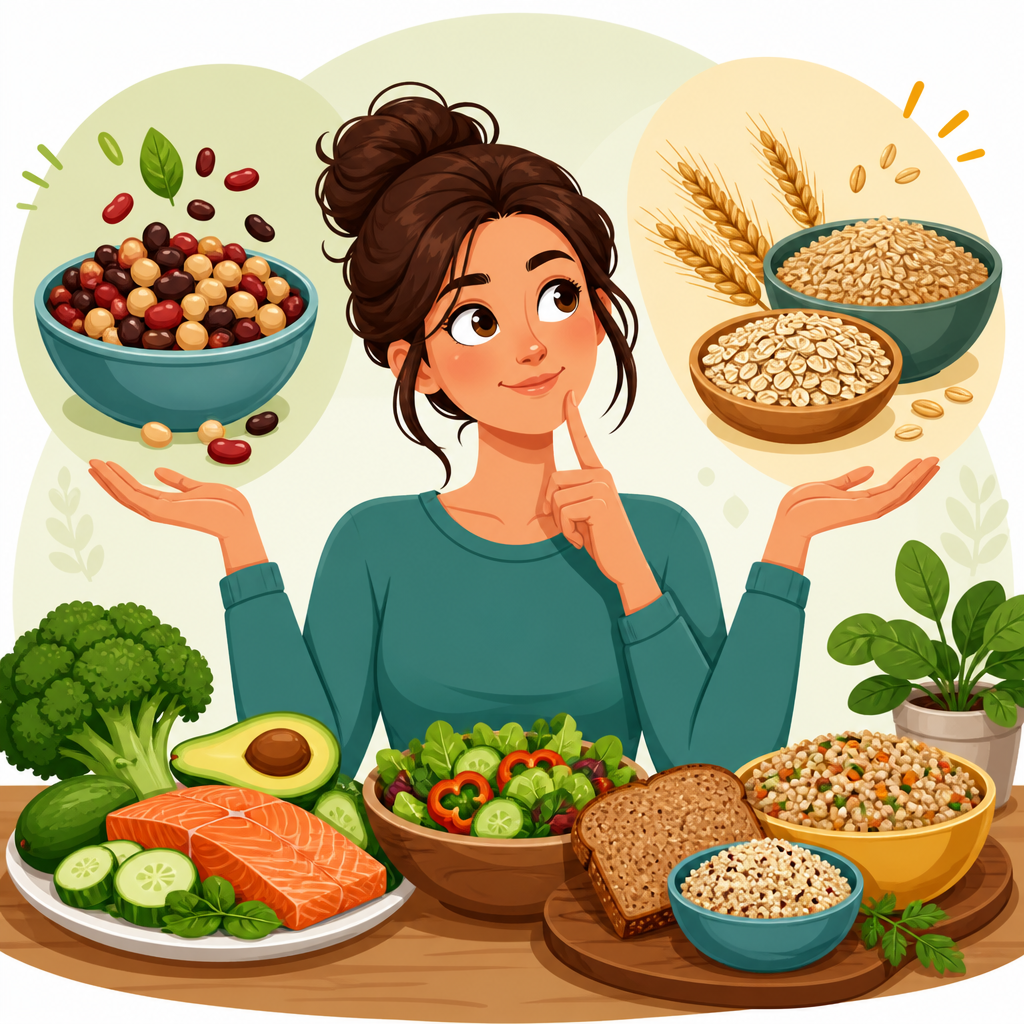
Can a low-carb diet include beans and whole grains? Yes, but the right answer depends on how low your carbohydrate target is, which foods you choose, and how you build meals around them. In practice, “low-carb” is not one single diet. It is an umbrella term covering moderately reduced-carbohydrate eating patterns, very-low-carb plans, and ketogenic diets that restrict carbs enough to promote nutritional ketosis. Beans and whole grains sit at the center of the debate because they contain more carbohydrate than foods typically emphasized on keto, yet they also deliver fiber, vitamins, minerals, and documented benefits for blood sugar control, cholesterol, and gut health.
I have worked with clients who assumed low-carb meant cutting every bean, lentil, oat, and grain forever. That belief usually came from reading ketogenic meal plans and applying them to all carbohydrate-restricted diets. The result was unnecessary restriction, poor menu variety, and in some cases lower fiber intake than expected. The more accurate view is this: ketogenic diets and low-carb diets overlap, but they are not identical. A ketogenic diet generally keeps digestible carbohydrate very low, often around 20 to 50 grams per day, while a broader low-carb diet may allow roughly 50 to 130 grams depending on goals, activity level, medication use, and metabolic health.
Understanding key terms helps. Total carbohydrate includes starch, sugar, and fiber. Net carbs usually subtract fiber, and some people also subtract certain sugar alcohols, though tolerance varies. Glycemic index describes how quickly a carbohydrate-containing food raises blood glucose under test conditions. Glycemic load accounts for both speed and portion size. Beans and minimally processed whole grains often have lower glycemic impact than refined grains because their fiber, intact structure, and protein slow digestion. That matters if your goal is appetite control or steadier post-meal glucose rather than strict ketosis.
This topic matters because many people use low-carb eating to lose weight, manage type 2 diabetes, reduce triglycerides, improve satiety, or simplify food choices. At the same time, beans and whole grains are tied to dietary quality in patterns such as the Mediterranean diet and DASH. Excluding them without a reason can make adherence harder and may reduce intake of magnesium, potassium, resistant starch, folate, and prebiotic fibers. The smarter question is not whether these foods are “allowed” in absolute terms, but when, how much, and for whom they fit within ketogenic and low-carb diets.
Low-Carb vs. Ketogenic: Why the Distinction Changes Your Food List
The first principle is simple: the lower your carbohydrate ceiling, the less room you have for beans and whole grains. On a ketogenic diet, a half cup of black beans or cooked quinoa can use a large share of the day’s carb budget. That does not make those foods unhealthy; it makes them harder to fit if your specific aim is ketosis. When I build ketogenic menus, I prioritize nonstarchy vegetables, eggs, seafood, meat, tofu, nuts, seeds, olive oil, avocado, and full-fat dairy before considering legumes or grains, because those foods deliver more nutrition per gram of digestible carbohydrate in that context.
A general low-carb diet is more flexible. Someone eating 75 to 100 grams of carbohydrate per day can often include a measured serving of lentils at lunch or steel-cut oats after exercise without disrupting progress. This is especially true when the rest of the meal emphasizes protein, healthy fat, and vegetables. The distinction matters for readers searching broad terms like low-carb meal plan, ketogenic diet food list, or carbs on keto. Advice that is accurate for therapeutic ketosis can be unnecessarily restrictive for a person following a milder carbohydrate reduction strategy.
There is also a goal difference. Ketogenic diets are often used for seizure management, diabetes support under medical supervision, or appetite regulation through ketosis. Low-carb diets are commonly used for weight management, glycemic control, and reducing refined carbohydrate intake. If blood ketone production is central, beans and grains are usually limited sharply. If the target is simply fewer blood sugar spikes and better diet quality, carefully chosen legumes and intact grains can work well. That is why two people can both say they eat low-carb while their menus look very different.
Can Beans Fit a Low-Carb Diet?
Beans are often the easiest higher-carb whole food to reintroduce because they provide carbohydrate together with fiber and protein. Black beans, chickpeas, kidney beans, pinto beans, and lentils contain starch, but much of that starch digests slowly. A typical half cup of cooked lentils has around 20 grams of total carbohydrate, about 8 grams of fiber, and roughly 9 grams of protein. That leaves net carbs far lower than the total number suggests. In real meals, lentils and beans usually raise blood glucose less dramatically than white bread, crackers, sugary cereal, or baked goods containing the same carbohydrate amount.
Preparation matters. Dried beans soaked and cooked from scratch often have a firmer structure than heavily processed bean products, which can slow digestion. Canned beans are convenient and still nutritious, though rinsing reduces sodium. Portion size matters even more. For many moderately low-carb eaters, a quarter cup to half cup serving can fit comfortably, especially in salads, soups, or grain-free bowls built around chicken, fish, tofu, or eggs. On ketogenic diets, however, even small servings may crowd out vegetables or dairy and make it difficult to stay in ketosis.
Beans also solve practical problems that appear when people lower carbs too aggressively. Fiber intake often drops, constipation becomes common, and meal satisfaction suffers. Legumes can improve fullness because they combine viscous fiber, resistant starch, and protein. Research consistently links bean intake with better LDL cholesterol and improved glycemic measures in many populations. The tradeoff is tolerability. Some people experience bloating from galacto-oligosaccharides and may need gradual exposure, smaller portions, thorough cooking, or digestive strategies rather than a sudden large serving.
Do Whole Grains Belong on Low-Carb or Keto?
Whole grains are more difficult to fit than beans because many provide more digestible carbohydrate and less protein per serving. Brown rice, oats, barley, farro, bulgur, and quinoa are nutritionally valuable, but they are not interchangeable with nonstarchy vegetables on a ketogenic diet. A half cup of cooked oats or brown rice can meaningfully affect your daily carb total. For that reason, I rarely include traditional grain servings in ketogenic meal plans unless the person is using a targeted strategy around endurance training and understands the effect on ketosis.
On moderate low-carb diets, whole grains can fit if they replace refined starches and are portioned carefully. Intact or minimally processed grains generally outperform refined products because their structure slows gastric emptying and glucose absorption. Steel-cut oats usually have a different blood sugar response than instant oats. Barley contains beta-glucan fiber associated with cholesterol lowering. Quinoa provides magnesium and a little more protein than many grains. None of that makes them “low-carb,” but it does make them better carbohydrate choices when a plan allows room.
The biggest mistake is treating whole grain labels as a free pass. Whole-grain bread can still be easy to overeat and may raise blood glucose rapidly if it is finely milled. Granola often concentrates oats with sweeteners. Portion awareness is essential. If your target is 100 grams of carbohydrate daily, one controlled serving of oats at breakfast may fit well. If your target is 30 grams, it usually will not. The right decision comes from your carbohydrate budget, glucose response, hunger patterns, and preferences, not from a simplistic good-food or bad-food list.
How to Decide What Fits Your Plan
The most useful framework is to match carbohydrate choices to your objective, biomarkers, and meal context. People with prediabetes or type 2 diabetes should pay attention not just to grams but to actual glucose response, ideally with a meter or continuous glucose monitor if available. Athletes may tolerate more beans or intact grains because training increases insulin sensitivity and glycogen use. People pursuing ketosis for neurological reasons generally need much stricter consistency. If weight loss has stalled, reducing energy-dense add-ons such as oils, cheese, and nuts may matter more than eliminating a quarter cup of lentils.
| Diet approach | Typical daily carbs | Beans | Whole grains | Best use case |
|---|---|---|---|---|
| Ketogenic | About 20 to 50 grams | Usually minimal, small portions only | Rarely fits | Maintaining ketosis, therapeutic uses, some diabetes plans |
| Moderate low-carb | About 50 to 100 grams | Often fits in measured servings | Can fit selectively | Weight loss, appetite control, reducing refined carbs |
| Liberal low-carb | About 100 to 130 grams | Commonly fits | Often fits with portion control | Long-term sustainability, active lifestyles |
Meal composition changes outcomes. Pairing beans or grains with protein, fat, and vegetables slows glucose rise compared with eating them alone. Cooling and reheating some starches can modestly increase resistant starch, though the effect is not large enough to ignore portion size. Processing matters too. Lentils in a soup often behave differently than bean flour crackers, and intact barley differs from puffed cereal. These distinctions are practical, not academic; they explain why two foods with similar carbohydrate counts can have different effects on appetite and blood sugar.
Building a Low-Carb Food Pattern That Is Nutritious and Sustainable
A strong low-carb pattern starts with foods that deliver a high nutrient return for their carbohydrate cost. Nonstarchy vegetables, seafood, eggs, poultry, Greek yogurt, tofu, tempeh, nuts, seeds, olive oil, avocado, and berries usually form the foundation. Beans and whole grains then become optional tools, not automatic staples and not forbidden foods. This approach works better than centering the diet on low-carb packaged substitutes, which can be expensive and may rely heavily on isolated fibers or sugar alcohols that cause digestive problems for some people.
For example, a moderate low-carb day might include eggs with spinach and feta for breakfast, a salad with salmon and olive oil at lunch, Greek yogurt with walnuts as a snack, and grilled chicken with roasted broccoli plus a half cup of lentils at dinner. That pattern provides protein across the day, plenty of fiber, and one intentional carbohydrate serving. A stricter ketogenic version would swap the lentils for cauliflower mash or sautéed mushrooms. The meals look similar, but the carb budget changes which side dish fits.
If you want the benefits of legumes or grains without overshooting carbs, start with strategic portions. Use black beans as a garnish for taco salad rather than the base of a burrito bowl. Choose a quarter cup of cooked steel-cut oats mixed with chia and protein-rich yogurt rather than a large cereal bowl. Combine quinoa with chopped cauliflower rice to lower the total carbohydrate density. These are the adjustments that make low-carb diets livable in real kitchens. They preserve flexibility while keeping the structure needed for your metabolic goal.
Common Mistakes, Limitations, and When to Get Personalized Advice
The most common mistake is assuming every low-carb plan should look like keto. That leads people to cut nutritious foods they may not need to avoid. Another mistake is relying on net carbs without checking labels closely. Some processed products advertise very low net carbs based on added fibers, yet they still provoke hunger or digestive discomfort. A third mistake is ignoring medication interactions. Anyone taking insulin or sulfonylureas should discuss significant carbohydrate reduction with a clinician because glucose-lowering medications may need adjustment.
There are limitations on the other side too. Adding beans and whole grains simply because they are healthy can backfire if portions are unmeasured and the rest of the diet already contains hidden carbohydrates from sauces, drinks, or snack foods. Some people with irritable bowel syndrome tolerate lentils poorly and do better with smaller servings or lower-FODMAP options. Others notice that even intact grains trigger cravings. Personal response matters. Objective feedback from body weight trends, energy levels, digestive symptoms, and blood glucose data is more useful than ideology.
The bottom line is clear. Beans and whole grains can absolutely belong in many low-carb diets, but they usually do not fit well in strict ketogenic diets aimed at maintaining ketosis. The deciding factors are your carbohydrate target, your reason for eating low-carb, and your response to specific foods and portions. Build your plan around protein, nonstarchy vegetables, and minimally processed fats first. Then test legumes and whole grains deliberately, starting small and watching the results. If you want a low-carb approach that is effective, nutritious, and sustainable, use carbohydrate quality and portion control—not blanket rules—to guide your choices.
Frequently Asked Questions
Can you eat beans and whole grains on a low-carb diet?
Yes, beans and whole grains can fit into some low-carb diets, but whether they work well depends on your daily carbohydrate target. The term “low-carb” covers a wide range of eating styles. A moderately low-carb approach may allow room for foods like lentils, black beans, oats, quinoa, or barley in controlled portions. A very-low-carb or ketogenic plan, however, usually limits these foods much more strictly because they can use up a large share of the day’s carb allowance in a single serving.
The key issue is not whether beans and whole grains are “good” or “bad,” but how their carbohydrate content fits into your overall plan. These foods also bring meaningful nutritional benefits, including fiber, vitamins, minerals, and in the case of beans, some protein. For people following a less restrictive low-carb pattern, they may improve meal quality and satisfaction when eaten strategically. For those aiming for ketosis, though, even healthy carbohydrate sources may still be too high in net carbs to include regularly. In other words, beans and whole grains are often compatible with lower-carb eating, but not with every version of low-carb eating.
Are beans too high in carbs for a low-carb lifestyle?
Beans are higher in carbohydrates than non-starchy vegetables, meat, eggs, or cheese, but they are not automatically off-limits in every low-carb plan. What makes beans unique is that they contain both digestible carbohydrate and substantial fiber, which can slow digestion and improve fullness. They also provide plant protein, potassium, magnesium, folate, and other nutrients that support overall health. Because of that combination, many people find beans more satisfying and blood-sugar-friendly than refined carbohydrates such as white bread, crackers, or sugary snacks.
That said, portion size matters. A full serving of beans can contribute a meaningful amount of carbs, which may be manageable on a moderate low-carb diet but difficult on a ketogenic diet. Smaller portions often work better. For example, using beans as part of a mixed meal rather than as the main bulk of the plate can make them easier to fit in. Pairing beans with non-starchy vegetables, healthy fats, and protein can also reduce the chance that the meal feels too carb-heavy. If your carb budget is tight, lentils and some legumes may be easier to include than larger portions of chickpeas or black beans, but individual tolerance still varies.
Which whole grains are the best choices if you want to keep carbs lower?
If you want to include whole grains while keeping carbohydrates more controlled, the best choices are usually those that are less processed, higher in fiber, and easier to portion sensibly. Intact or minimally processed grains such as steel-cut oats, quinoa, barley, bulgur, and farro are often better options than refined grain products because they digest more slowly and tend to be more filling. They also offer nutrients like B vitamins, magnesium, iron, and fiber that many people miss when they cut carbohydrates too aggressively.
Even so, whole grains are still concentrated sources of carbohydrate, so the portion you choose matters just as much as the type. A small serving added to a meal that already includes protein, vegetables, and fat is usually more compatible with low-carb eating than a large grain-based bowl or a plate centered around rice or pasta. Some people do well using whole grains occasionally, such as after exercise or at one meal per day, while keeping the rest of the day very low in carbs. Others may find that even small servings stall progress toward weight, blood sugar, or ketosis goals. The best whole grain is the one that fits your carb target, supports appetite control, and does not displace more nutrient-dense lower-carb foods.
How can you include beans or whole grains without going over your carb goal?
The most effective strategy is to treat beans and whole grains as measured additions, not as the foundation of the meal. Start by deciding how many grams of carbohydrate you want to allow for that meal or for the day as a whole. Then build the plate around lower-carb staples first: protein such as chicken, fish, eggs, Greek yogurt, tofu, or beef; non-starchy vegetables such as leafy greens, broccoli, cauliflower, zucchini, peppers, or mushrooms; and healthy fats such as olive oil, avocado, nuts, seeds, or cheese. After that, add a modest portion of beans or a whole grain if your carb budget allows.
It also helps to avoid combining several carb-dense foods in the same meal. For example, if you are having lentils, you may want to skip bread, rice, or a sugary sauce. If you choose quinoa, keep the portion moderate and pair it with salmon and roasted vegetables rather than adding other starches. Tracking total carbs or net carbs can be useful, especially when you are first learning what different foods contribute. Reading labels, measuring servings, and paying attention to how your body responds can make a big difference. Many people can include these foods successfully by being intentional rather than eating them casually or in restaurant-sized portions.
Who should avoid beans and whole grains on a low-carb diet, and who may benefit from including them?
People following a ketogenic diet or any plan designed to maintain nutritional ketosis often need to limit beans and most whole grains quite strictly. That is because these foods can quickly raise total carb intake beyond the level needed to stay in ketosis. Individuals using a very-low-carb approach for therapeutic reasons, or those who notice that legumes and grains trigger cravings, bloating, or poor blood sugar control, may also do better minimizing or avoiding them. In those cases, there is usually a stronger emphasis on non-starchy vegetables, proteins, fats, and lower-carb fiber sources.
On the other hand, people following a more moderate low-carb diet may benefit from including beans or carefully chosen whole grains. This is especially true if they want more dietary fiber, prefer a more flexible eating pattern, follow a mostly plant-forward diet, or need meals that are filling and sustainable over the long term. Beans can be particularly helpful because they offer both fiber and protein, while whole grains can add variety and nutrients when portions are kept in check. Ultimately, the right choice depends on your goals, metabolic response, and consistency. If a small portion of beans or whole grains helps you stay satisfied and stick with your eating plan, they may support success. If they make it harder to stay within your carb range or manage blood sugar, they may not be the best fit.