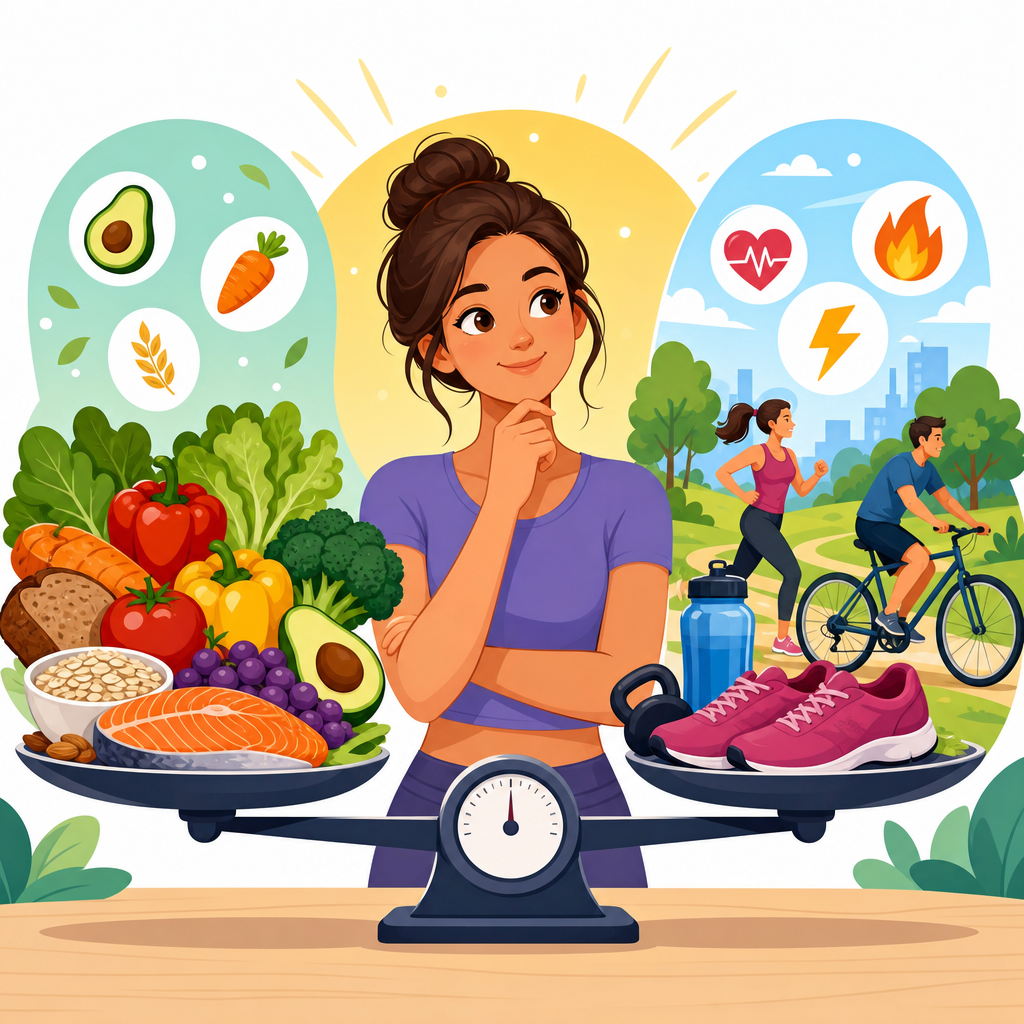
Understanding calories and energy balance is the foundation of practical nutrition, and it directly shapes how full you feel after meals. A calorie is a unit of energy, not a moral label. Your body uses that energy to power basic functions such as breathing, circulation, cell repair, digestion, movement, and exercise. Energy balance describes the relationship between calories consumed and calories burned across time. When intake matches expenditure, body weight tends to stay stable. When intake exceeds expenditure, weight usually increases. When intake falls short, weight usually decreases. That framework sounds simple, yet appetite makes it complicated, because fullness influences how easy it is to eat less, maintain intake, or avoid overeating.
The question in this article is whether eating more protein can change how full you feel. The short answer is yes: for most people, increasing protein intake improves satiety, the sense of satisfaction and reduced hunger after eating. In practice, I have seen this repeatedly when comparing food logs, meal plans, and body-composition check-ins. People who replace some refined carbohydrates or low-protein snacks with lean protein, dairy, eggs, tofu, legumes, or fish often report fewer cravings and better meal control within days. That does not make protein magic, and it does not cancel energy balance. It means protein can change the appetite side of the equation, which may make calorie targets more sustainable.
This article serves as a hub for understanding calories and energy balance through the lens of fullness. It explains how calories work, what determines how much energy your body uses, why protein affects appetite, how food quality influences satiety, and how to apply these ideas in daily meals. If you want to understand why two diets with the same calories can feel very different, or why some meals keep you satisfied longer than others, start here.
What Calories and Energy Balance Actually Mean
Calories measure the energy available in food and drinks. The three calorie-containing macronutrients are protein, carbohydrate, and fat. Protein provides about four calories per gram, carbohydrate provides about four calories per gram, and fat provides about nine calories per gram. Alcohol provides about seven calories per gram, though it is not considered a required nutrient. These values are useful estimates, but digestion, food structure, fiber content, and preparation method can change the amount of energy your body actually absorbs.
Total daily energy expenditure is typically divided into several parts. Resting metabolic rate is the largest component for most adults and reflects the calories required to sustain life at rest. The thermic effect of food is the energy cost of digesting, absorbing, and processing nutrients. Physical activity includes planned exercise and the movement you do during the day. Non-exercise activity thermogenesis, often shortened to NEAT, includes walking, standing, fidgeting, chores, and all the movement outside formal workouts. Energy balance is the sum of these moving pieces, not a single fixed number.
Body weight change is governed by energy balance over time, but daily fluctuations can be misleading. Glycogen storage, sodium intake, hydration, menstrual cycle shifts, and digestive contents can move the scale quickly without reflecting body-fat gain or loss. That is why consistent patterns matter more than one day of eating. A person can technically lose weight while feeling constantly hungry, or maintain weight while feeling comfortably satisfied. Fullness affects adherence, and adherence is often what determines whether an eating pattern works in real life.
Why Protein Changes Fullness More Than Other Macronutrients
Protein is generally the most satiating macronutrient. In practical terms, meals higher in protein usually reduce hunger more effectively than meals with the same calories from refined carbohydrates or added fats alone. Researchers have repeatedly observed that higher-protein diets can lower spontaneous calorie intake, meaning people often eat less without trying as hard. This effect is not identical in every person, but it is consistent enough to guide meal planning.
Several mechanisms help explain why. Protein influences appetite-regulating hormones, including peptide YY and glucagon-like peptide-1, while often lowering ghrelin, the hormone associated with hunger. Protein also tends to slow gastric emptying compared with low-fiber, rapidly digested carbohydrate foods, which can extend the sensation of fullness. In addition, the thermic effect of food is higher for protein than for carbohydrate or fat. Roughly speaking, digesting protein costs more energy, commonly estimated around twenty to thirty percent of its calories, versus five to ten percent for carbohydrates and zero to three percent for fat. That does not create dramatic calorie burn on its own, but it contributes to protein’s distinct metabolic profile.
There is also a behavioral factor I see often in coaching. Protein-rich foods usually require chewing, meal assembly, refrigeration, cooking, or deliberate selection. A grilled chicken wrap, Greek yogurt bowl, lentil soup, or omelet tends to be eaten more mindfully than a handful of crackers or a sweet coffee drink. This does not mean processed foods cannot include protein, but it helps explain why higher-protein eating often improves meal structure as well as fullness.
Calories Still Matter, Even When Protein Increases
Protein can help control hunger, but it does not suspend the laws of energy balance. If total calorie intake remains above expenditure, weight gain can still occur. This matters because high-protein foods vary widely in calorie density. Skinless chicken breast, cod, nonfat Greek yogurt, egg whites, tofu, and low-fat cottage cheese provide substantial protein for relatively modest calories. Ribeye steak, peanut butter, full-fat cheese, and protein bars can also contribute protein, but they bring more calories per serving and may be easier to overeat.
The useful takeaway is that satiety and energy balance should be managed together. When I build plans for people trying to lose fat without excessive hunger, I usually increase protein first, then assess total calories, meal timing, fiber, and food environment. A breakfast of pastry and juice can contain similar calories to eggs, fruit, and yogurt, yet the second option usually keeps hunger lower for longer. The calorie totals matter, but the composition changes how those calories feel in the body.
Another common misunderstanding is that feeling full automatically means you are in the right calorie range. Very large portions of high-protein foods can still overshoot energy needs. Conversely, someone can meet calorie targets but struggle because their meals are low in protein, low in fiber, and highly processed. The best nutrition strategy aligns fullness with the calorie level needed for your goal.
What Else Affects Satiety Besides Protein
Protein is powerful, but it is not the only driver of fullness. Fiber, water content, food volume, texture, meal timing, sleep, stress, and activity all influence appetite. Potatoes, oats, beans, berries, vegetables, and soups can be very filling because they combine water, fiber, and volume. Fat can improve meal satisfaction and flavor, but on its own it is less consistently satiating calorie for calorie than protein. Refined carbohydrates, especially in liquid or ultra-processed forms, are often easier to consume quickly and may wear off faster in terms of fullness.
Sleep deprivation deserves special attention because it can blunt fullness cues and increase hunger. Inadequate sleep is associated with changes in ghrelin and leptin, and many people notice stronger cravings for energy-dense foods after short nights. Stress also shifts eating behavior. Some people lose appetite under stress, but many eat more, especially foods that are easy, salty, sweet, or familiar. If your hunger feels chaotic, improving protein may help, but it may not fully solve the issue without addressing sleep and routine.
Food form matters too. Drinking calories is usually less filling than chewing them. A fruit smoothie with protein can be useful when convenience is critical, but a bowl with Greek yogurt, berries, oats, and nuts often produces stronger satiety because it takes longer to eat and occupies more stomach volume. This is one reason whole foods consistently outperform liquid calories for appetite control.
How Protein Fits Into a Practical Energy Balance Strategy
A helpful starting range for many adults is about 1.2 to 1.6 grams of protein per kilogram of body weight per day, with higher intakes often useful during fat loss, aging, or strength training. Sports nutrition guidelines commonly extend up to 2.2 grams per kilogram for athletes or for preserving lean mass in a calorie deficit. These are not one-size-fits-all rules, but they are evidence-based ranges that work better than vague advice to simply eat more protein.
Distribution matters almost as much as the daily total. Many people under-eat protein at breakfast, eat a moderate amount at lunch, and then try to catch up at dinner. In practice, spreading protein across three or four meals usually improves fullness and supports muscle protein synthesis more effectively than saving most of it for one meal. A useful benchmark is twenty-five to forty grams per meal, adjusted for body size, age, and activity level.
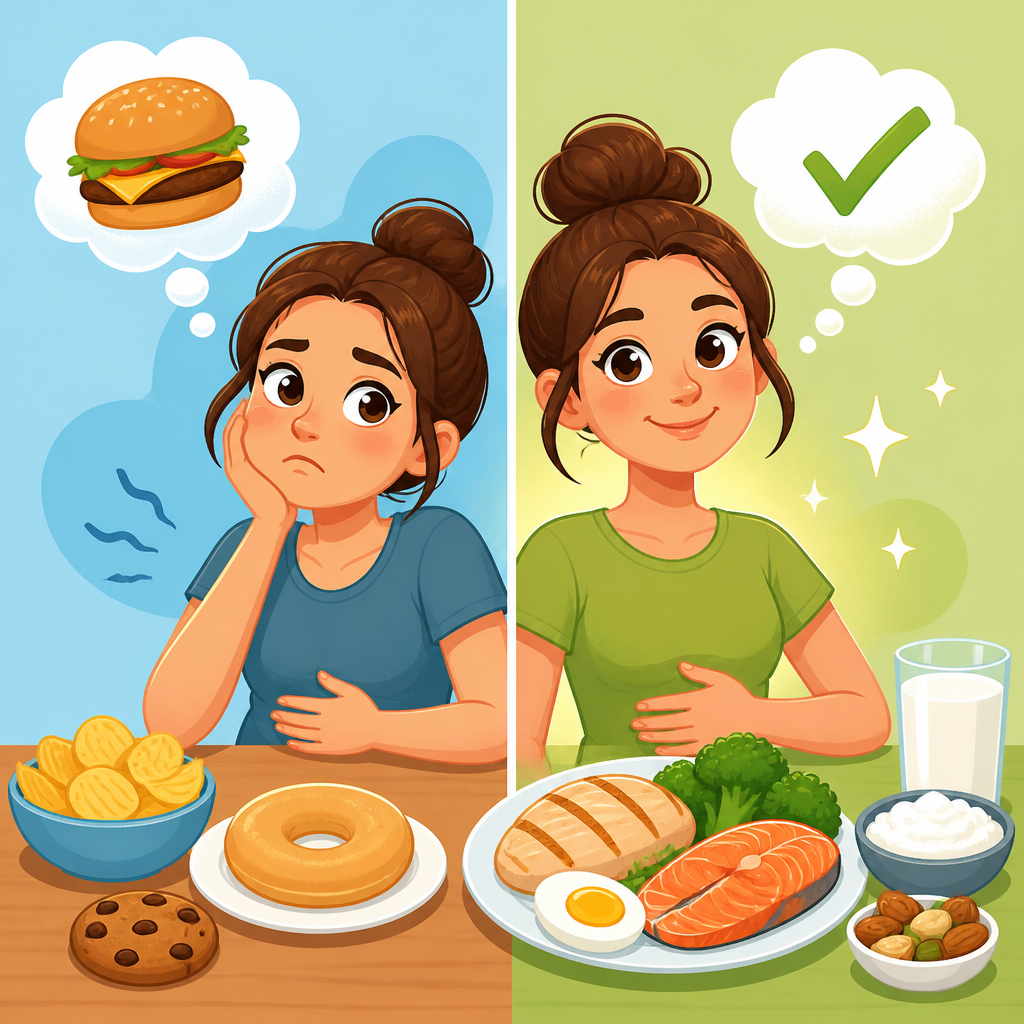
| Meal | Lower-Protein Option | Higher-Protein Option | Likely Fullness Effect |
|---|---|---|---|
| Breakfast | Bagel with jam | Greek yogurt, oats, berries, and eggs | Higher satiety for several hours |
| Lunch | Plain pasta with oil | Chicken, lentil, and vegetable grain bowl | Better appetite control through afternoon |
| Snack | Crackers | Cottage cheese with fruit | Less rebound hunger before dinner |
| Dinner | Large cheese pizza portions | Salmon, potatoes, and roasted vegetables | More fullness with clearer portion control |
Notice that these swaps do not remove carbohydrates or fat. They improve the protein content while keeping meals balanced. This is usually the most sustainable approach. Extreme restriction can work briefly, but balanced meals are easier to maintain and support training, mood, and social eating better over time.
Best Food Sources of Protein for Feeling Full
The most effective protein choices for fullness are typically foods that combine a strong protein dose with reasonable calorie density and, ideally, useful micronutrients. Lean meats, poultry, fish, shellfish, eggs, strained yogurt, cottage cheese, tofu, tempeh, edamame, beans, lentils, and higher-protein milk products are all practical staples. Whey or soy protein powders can help when time is limited, though whole foods generally create stronger satiety per eating occasion.
Animal and plant proteins both work, but they differ in amino acid profiles, digestibility, and food package. For example, salmon provides protein plus omega-3 fats, while lentils provide protein plus fiber, folate, and potassium. Tofu and tempeh are especially useful because they offer dense protein with versatility in savory meals. Greek yogurt works well because it is portable, easy to portion, and can anchor breakfast or snacks. If fullness is the goal, pair protein with produce, high-fiber carbohydrates, or both.
Preparation matters. Fried chicken is still a protein source, but breading and frying raise calorie density. Sweetened yogurt can fit into a plan, but plain or lightly sweetened versions usually improve protein-to-calorie ratio. Protein bars vary widely; some resemble compact candy bars with added isolates. Reading labels matters. Good choices typically offer at least fifteen to twenty grams of protein, moderate sugar, and a calorie level that fits your needs.
Common Questions About Protein, Hunger, and Weight Control
How much protein do you need to feel fuller? Many people notice a difference when meals contain at least twenty to thirty grams of protein. Larger or more active individuals may benefit from more. Does eating more protein guarantee fat loss? No. Fat loss still requires an energy deficit, but protein often makes that deficit easier to maintain while helping preserve lean mass.
Can too much protein be a problem? For healthy adults, high-protein diets within researched ranges are generally safe. People with chronic kidney disease or specific medical conditions need individualized guidance from a physician or registered dietitian. More is not always better; once protein is adequate, additional amounts may offer diminishing returns for satiety if calories become excessive.
Is protein timing important? Daily total matters most, but distributing intake across meals can improve appetite control and muscle maintenance. What about older adults? Protein becomes even more important with age because preserving muscle is harder, and appetite can become less reliable. Higher-quality protein at regular meals is often beneficial.
If you are building a nutrition foundation, start by tracking what a normal day of eating looks like, then compare your meals against your goals. Increase protein where intake is low, combine it with fiber-rich foods, and monitor hunger, energy, and consistency for two weeks. That simple review often reveals why calorie goals have felt hard to follow.
Protein can absolutely change how full you feel, and that is why it matters within calories and energy balance. It improves satiety, supports muscle retention, raises the thermic effect of food, and often makes meals easier to manage. Just as important, it works best when paired with the broader basics: appropriate total calories, enough fiber, mostly whole foods, regular movement, and adequate sleep. No single nutrient controls body weight, but protein is one of the most useful levers for making an energy-balanced diet feel sustainable.
The key lesson is straightforward. Calories determine the direction of weight change, while food composition influences how manageable that calorie intake feels. Higher-protein meals tend to reduce hunger more effectively than low-protein meals, especially when they also include vegetables, fruit, legumes, or minimally processed carbohydrates. That combination helps many people maintain energy balance without relying on constant willpower.
Use this page as your starting point for nutrition basics. Review your current meals, identify where protein is low, and make one practical upgrade at breakfast, lunch, or snacks this week. Small adjustments, repeated consistently, are what turn energy balance from a theory into results.
Frequently Asked Questions
Can eating more protein really help you feel fuller?
Yes, for many people, increasing protein intake can make meals feel more satisfying and help fullness last longer. Protein tends to have a stronger effect on satiety than carbohydrates or fats because it influences several systems involved in appetite regulation. It slows digestion, contributes to steadier energy after meals, and can affect hunger-related hormones in ways that reduce the urge to keep eating. That does not mean protein is magic or that every high-protein meal will automatically stop hunger, but it often makes a noticeable difference in how satisfied you feel compared with a meal built mostly around refined carbohydrates.
This matters in the bigger picture of calories and energy balance. Hunger and fullness strongly influence how much energy you take in over the course of a day. If a higher-protein meal helps you stay satisfied for longer, you may naturally snack less or find it easier to eat portions that align with your energy needs. In that way, protein can support practical nutrition without changing the basic rule that body weight is shaped over time by the relationship between calories consumed and calories burned. Protein may help manage appetite, but total intake still matters.
Why does protein seem more filling than carbs or fat?
Protein often feels more filling because your body has to do more work to digest and process it, and because it interacts with appetite-control systems in ways that can enhance satiety. Meals that contain adequate protein tend to empty from the stomach at a pace that helps prolong fullness, and they may stimulate hormones associated with satisfaction after eating. Many people also experience fewer rapid swings in appetite when meals include meaningful amounts of protein, especially when compared with meals that are low in protein and high in highly processed carbohydrates.
Another reason is meal structure. Protein-rich foods are often paired with other satisfying nutrients, such as fiber and water, which also support fullness. For example, Greek yogurt with berries, eggs with vegetables, chicken with beans, or tofu with stir-fried vegetables may all be more filling than foods that provide calories quickly but do not offer much staying power. Fat can also be satisfying, and carbohydrates are important for energy, especially for physical activity, but protein often stands out because it contributes to both fullness and meal stability. In practical terms, combining protein with fiber-rich foods and a sensible overall calorie intake usually produces the best satiety results.
How much protein do you need to eat to notice a difference in fullness?
There is no single amount that works for everyone, because protein needs depend on body size, age, activity level, health status, and overall calorie intake. That said, many people notice better fullness when protein is spread across the day instead of being saved for one large dinner. Including a solid protein source at each meal often works better for appetite control than eating very little protein at breakfast and lunch, then trying to make up for it later. A breakfast with eggs, yogurt, cottage cheese, tofu, or a protein-rich smoothie may feel much more satisfying than a breakfast built mainly around sugary cereal or pastries.
A practical approach is to aim for balance rather than extremes. Try building meals around a protein source, then add vegetables, fruit, whole grains, legumes, and healthy fats based on your energy needs. This supports fullness while also respecting energy balance. If you increase protein but also add large amounts of extra calories on top of what you already eat, that can still shift your intake upward over time. The goal is not simply “more protein at all costs,” but enough protein within a well-structured diet to help regulate hunger and support your daily energy demands.
Can eating more protein help with weight management because it changes hunger?
It can, and this is one of the main reasons protein gets so much attention in nutrition. If eating more protein helps you feel fuller after meals, reduces cravings, or makes it easier to go longer between meals without feeling deprived, that can support a calorie intake that better matches your energy expenditure. Over time, that may help with weight maintenance or weight loss. The key idea is not that protein overrides energy balance, but that it can make energy balance easier to manage by improving satiety and reducing the drive to overeat.
At the same time, protein is still a source of calories. If higher-protein foods are added to the diet without adjusting portions elsewhere, total calorie intake can still rise. This is why context matters. Choosing protein-rich foods that also bring nutritional value, such as fish, poultry, eggs, Greek yogurt, cottage cheese, beans, lentils, tofu, tempeh, and minimally processed lean meats, is often more helpful than relying heavily on ultra-processed “high-protein” snack products. For sustainable weight management, protein works best as part of an overall eating pattern that includes enough fiber, regular meal timing, realistic portions, and an understanding of how calorie intake compares with calorie expenditure across time.
What are the best ways to add more protein without making meals overly complicated?
The easiest strategy is to start with foods you already enjoy and look for simple upgrades. Add Greek yogurt, eggs, cottage cheese, milk, or a protein-rich smoothie at breakfast. At lunch and dinner, center meals around chicken, turkey, fish, tofu, tempeh, beans, lentils, edamame, lean beef, or other protein sources, then build around them with vegetables, whole grains, and healthy fats. Even small changes can help, such as adding beans to soup, extra chicken to a salad, tuna to a sandwich, or tofu to a stir-fry. Snacks can also be more satisfying when they include protein, such as yogurt, roasted chickpeas, cheese, hard-boiled eggs, or a handful of nuts paired with fruit.
The most effective approach is one you can repeat consistently. You do not need to chase extreme numbers or eat protein at every possible moment. Focus on meals that are balanced, enjoyable, and appropriate for your calorie needs. If you are trying to improve fullness, pay attention to how long meals keep you satisfied and whether certain combinations work better for you than others. Protein is an important lever, but it works best alongside overall dietary quality, enough fiber, hydration, sleep, and physical activity. Fullness is influenced by more than one nutrient, yet increasing protein in a thoughtful way is often one of the most practical steps you can take.