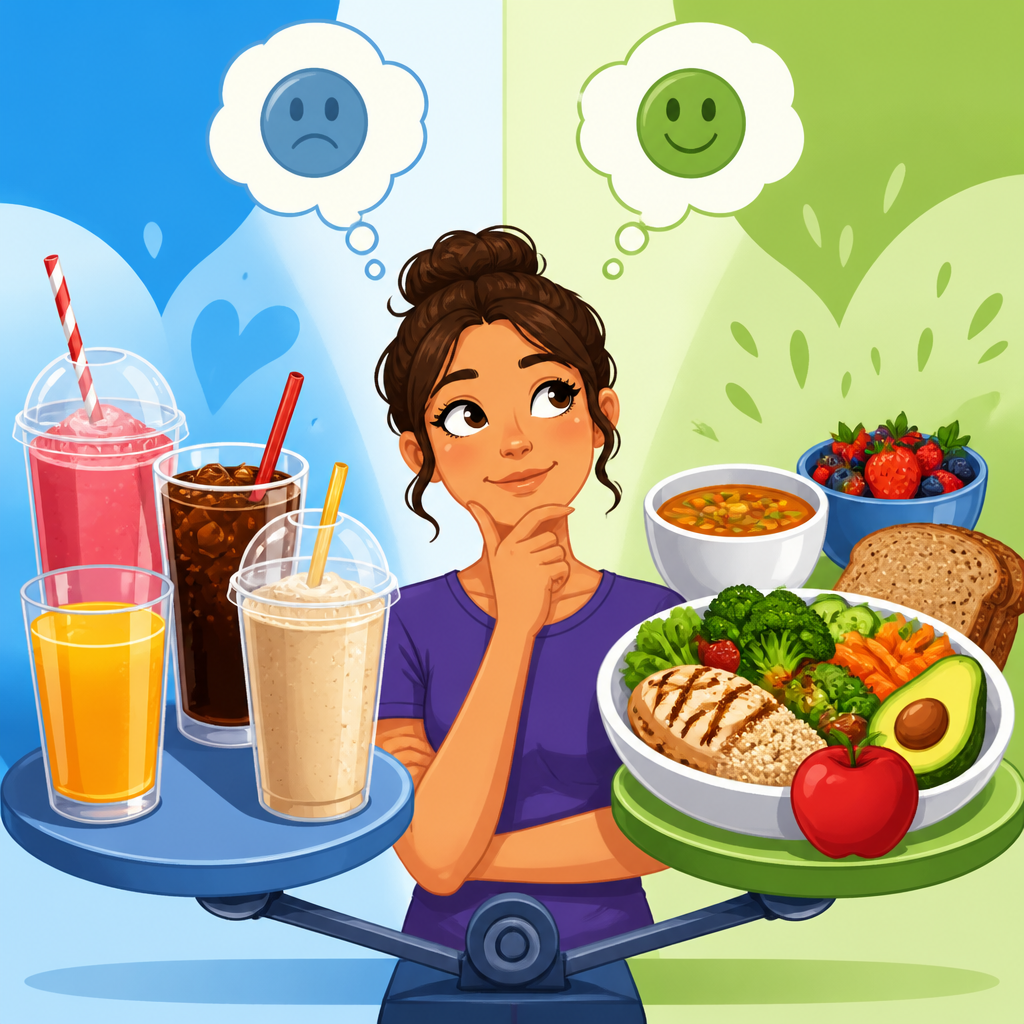
Liquid calories and solid food do not affect hunger in the same way, and understanding that difference is essential for anyone trying to manage appetite, energy intake, and body weight. In nutrition practice, I have seen people carefully count calories yet still feel constantly hungry because most of their intake came from coffee drinks, smoothies, juice, or meal replacements rather than foods that require chewing and slower digestion. Calories measure energy, but satiety describes the feeling of fullness that reduces the desire to keep eating. Energy balance refers to the relationship between calories consumed and calories expended through resting metabolism, digestion, movement, and exercise. When intake exceeds expenditure over time, body mass usually rises; when expenditure exceeds intake, body mass usually falls. That principle is straightforward, but appetite regulation is not. The form in which calories are delivered changes gastric emptying, oral processing, hormonal responses, and the brain’s perception of having eaten. This article explains how liquid calories compare with solid food, why satiety differs, and how this fits into the broader topic of understanding calories and energy balance.
Why the Physical Form of Calories Matters
Liquid calories are calories consumed in beverages or semi-liquid products, including soda, juice, alcohol, sweetened coffee, protein shakes, smoothies, and many meal replacements. Solid food includes minimally processed foods such as fruit, eggs, potatoes, yogurt with toppings, beans, meat, and whole-grain meals, as well as packaged foods that still require chewing. The key difference is not just texture. In controlled feeding research, beverages generally produce weaker compensation at later meals than solid foods with similar calories. In plain terms, people often fail to “eat less later” after drinking calories, while they are more likely to compensate after eating those same calories in solid form.
Several mechanisms explain this pattern. First, chewing extends oral exposure time, which strengthens sensory satiety signals before food even reaches the stomach. Second, solid foods usually stay in the stomach longer, increasing gastric distension and slowing the return of hunger. Third, many beverages are consumed quickly, often in under five minutes, which compresses the body’s chance to register intake. Fourth, liquid calories are frequently paired with sugar and low fiber, a combination that is easy to overconsume. None of this means all liquids are “bad” or all solids are filling. Soup can be highly satiating, while some snack foods are not. The point is that food structure changes how the body and brain respond to energy.
Satiety, Satiation, and Energy Balance
Two terms help clarify the science. Satiation is the process that ends an eating occasion; it determines when you stop during a meal. Satiety is the post-meal suppression of hunger; it determines how long you stay satisfied before eating again. Liquids often weaken both. A sweet drink may add substantial energy without much slowing of intake at that moment and without much protection against hunger later. Over days and weeks, that pattern can push total calorie intake upward, making energy balance harder to manage.
Energy balance is shaped by more than willpower. Resting metabolic rate usually accounts for the largest share of energy expenditure. Physical activity varies widely between people. The thermic effect of food, the energy used to digest and process nutrients, is typically highest for protein, lower for carbohydrate, and lowest for fat. Food form interacts with these variables because highly drinkable calories can increase intake without creating a matching fullness response. In practice, this is why replacing a pastry and latte with eggs, fruit, and oatmeal often leads to better appetite control even when calories are similar.
How Digestion and Hormones Change Fullness
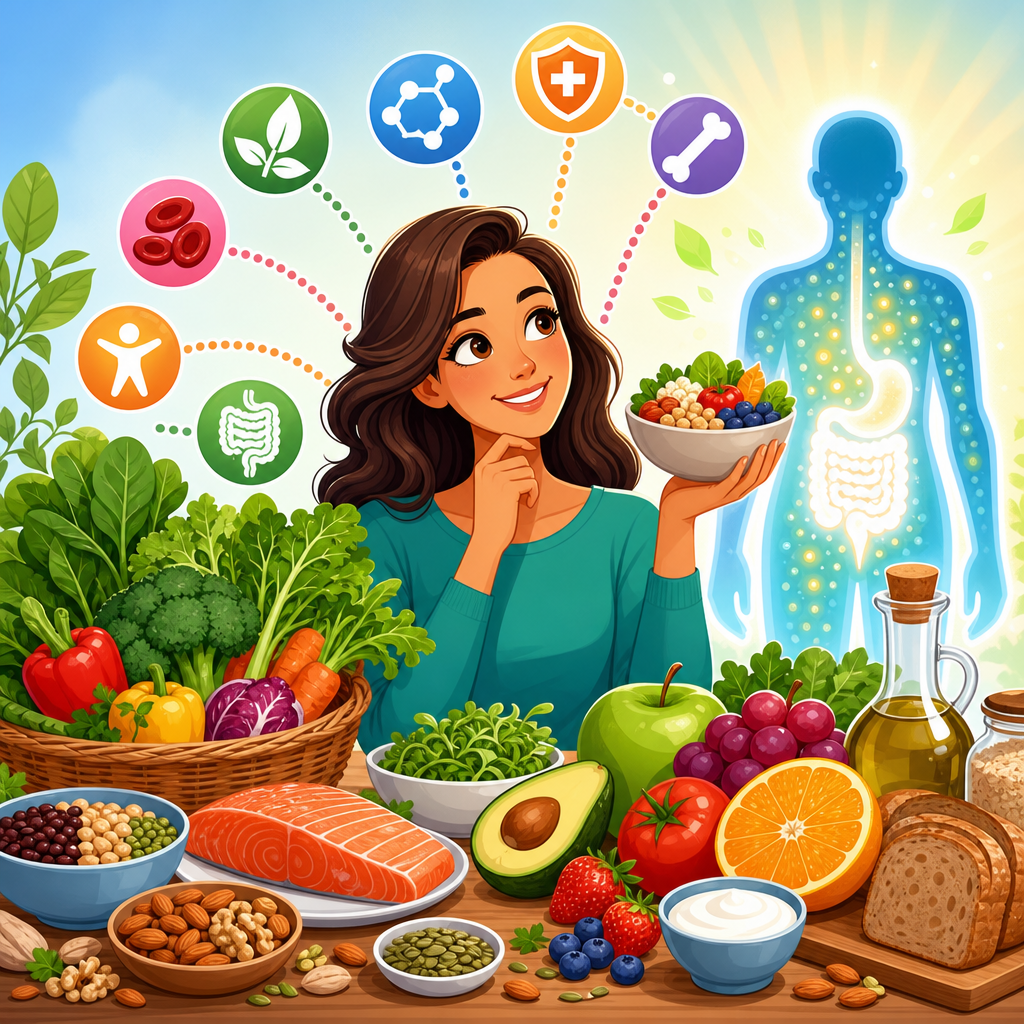
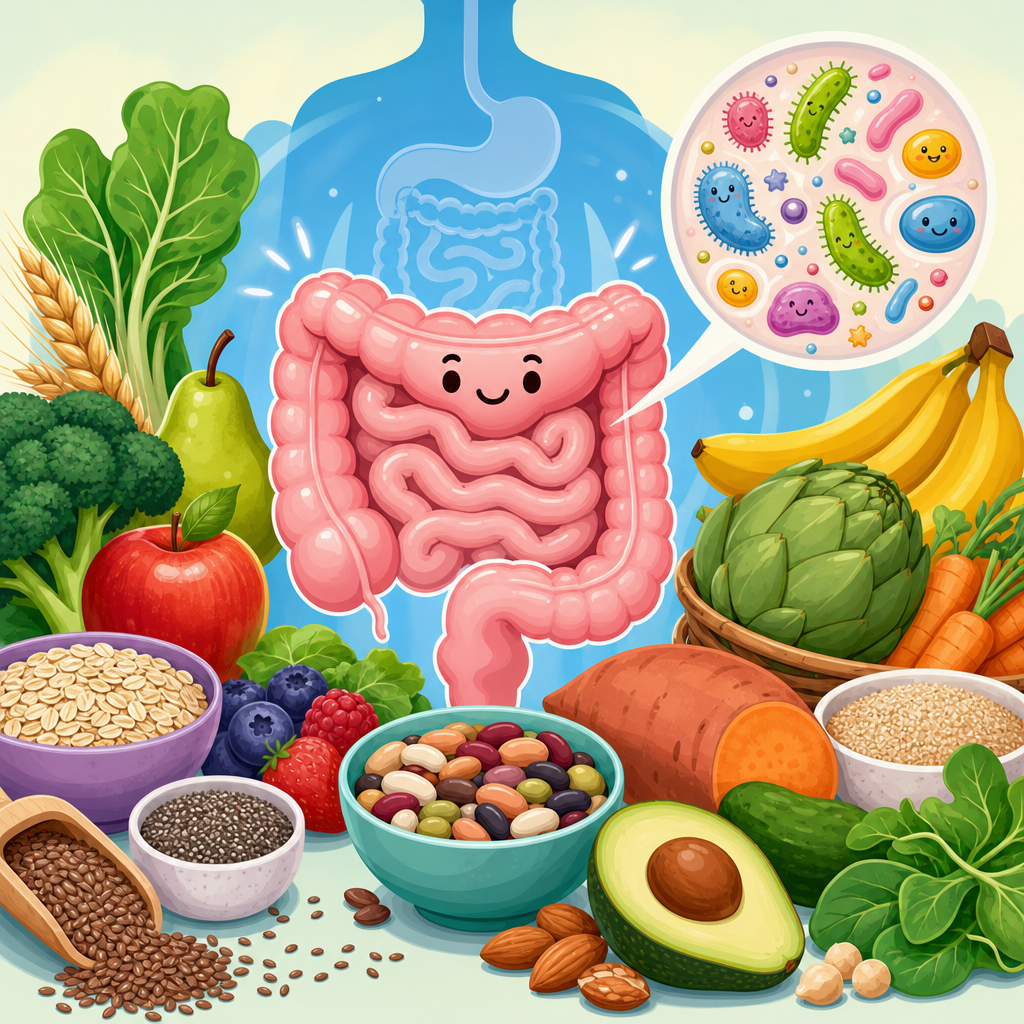
Satiety is regulated by mechanical and chemical signals. As food enters the stomach, stretch receptors respond to volume. As nutrients reach the small intestine, hormones such as cholecystokinin, glucagon-like peptide-1, and peptide YY help signal fullness, while ghrelin generally falls after eating. Protein and fiber tend to strengthen satiety because they slow digestion and stimulate these pathways more effectively than rapidly absorbed sugars. Solid foods often combine these traits with slower eating speed, producing a more durable response.
Liquid calories can bypass some of that benefit. Juice removes much of the fiber found in whole fruit. A bottle of apple juice can deliver the sugar equivalent of several apples, but you can drink it in minutes without the chewing, bulk, or intact cell structure that would slow intake. Similarly, a blended smoothie may still contain fiber, yet mechanical breakdown reduces particle size and speeds consumption. This does not erase all nutritional value, but it often lowers satiety per calorie compared with eating the ingredients whole. I commonly advise clients to think in terms of “how much work the body has to do.” In general, the less chewing and slower digestion a food requires, the easier it is to consume calories beyond hunger.
What Research Shows About Liquid Calories vs. Solid Food
Evidence from preload studies has repeatedly shown that calories consumed as beverages lead to less complete energy compensation than calories eaten as solid food. Researchers test this by giving participants a fixed item before a meal and then measuring how much they eat later. If a 200-calorie preload leads someone to eat 200 fewer calories at the next meal, compensation is complete. With beverages, compensation is often partial. That gap matters because even a small daily calorie surplus can add up over time.
Large epidemiologic data sets also associate sugar-sweetened beverages with weight gain and higher risk of type 2 diabetes when consumed regularly. The strongest explanation is not that liquid sugar is uniquely fattening in a metabolic sense, but that it is easy to ingest in addition to meals instead of in place of them. Alcohol follows a similar pattern. It provides 7 calories per gram, lowers restraint in some people, and is often consumed alongside energy-dense foods. By contrast, foods with high satiety value, such as boiled potatoes, Greek yogurt, legumes, eggs, and intact fruit, tend to reduce subsequent intake more effectively.
| Item | Approximate Calories | Satiety Pattern | Reason |
|---|---|---|---|
| 12 oz soda | 140 to 150 | Low | Rapid intake, no fiber, weak compensation |
| Orange juice, 12 oz | 160 | Low to moderate | Some micronutrients, but little fiber and fast drinking |
| Whole oranges, 3 medium | 180 | High | Chewing, fiber, water within intact structure |
| Protein shake | 180 to 300 | Moderate | Protein helps, but liquid form reduces fullness for some people |
| Greek yogurt with berries | 220 to 300 | High | Protein, texture, chewing, slower eating |
Not All Liquids and Solids Behave the Same Way
There are important exceptions. Viscosity matters. A thick soup or high-protein yogurt drink is usually more filling than soda because it empties from the stomach more slowly and often contains more protein. Temperature can matter too; hot soups often promote slower consumption. Carbonation may increase stomach distension briefly, but it does not reliably turn a sugary drink into a satiating choice. Nutrient composition also changes outcomes. A whey protein shake can outperform fruit juice for satiety because protein has a stronger effect on fullness than carbohydrate alone.
On the solid side, not every chewy food is satisfying. Highly processed snack foods can be calorie dense, low in fiber, and easy to overeat despite being technically solid. Think of crackers, chips, or pastries that disappear quickly and deliver limited satiety relative to energy. Water content, fiber type, protein amount, energy density, and palatability all influence appetite. This is why satiety should be judged by the whole food matrix, not only by whether a food can be drunk or chewed.
Practical Examples in Everyday Eating
Breakfast shows the difference clearly. A 500-calorie café drink and muffin can leave someone hungry by midmorning, while a 500-calorie breakfast of eggs, oats, and fruit usually lasts longer. The second meal takes more time to eat, provides more protein and fiber, and produces a stronger sense that a meal actually occurred. The same principle applies to snacks. Drinking a bottled smoothie on the commute often does less for fullness than eating yogurt, nuts, and an apple at a desk ten minutes later.
Sports nutrition provides another example. During prolonged endurance exercise, liquid calories can be useful because athletes need rapid carbohydrate delivery that is easy to digest while moving. In that context, low satiety is an advantage. For sedentary office work, the same sports drink can be a poor choice because it adds energy without much fullness. Clinical nutrition is another exception. Older adults with low appetite, patients recovering from illness, or people with chewing difficulties may benefit from oral nutrition supplements precisely because they are easier to consume than solids.
How to Use This in Weight Management and Maintenance
If the goal is fat loss or appetite control, start by auditing beverage calories. Sweet coffee drinks, juice, regular soda, alcohol, and “healthy” smoothies can contribute hundreds of calories per day with little satiety. Replacing even one habitual beverage with water, unsweetened tea, or a lower-calorie alternative can improve energy balance immediately. The next step is to build meals around foods with high satiety per calorie: lean protein, potatoes, oats, legumes, vegetables, intact fruit, and dairy foods with meaningful protein.
I usually recommend a simple hierarchy. Drink most of your fluids for hydration, not calories. Eat calories in forms that require chewing and provide protein or fiber. Use liquid calories strategically when convenience, performance, or medical needs justify them. This approach avoids extreme rules. A smoothie after lifting can fit well. A daily 600-calorie blended coffee that never replaces lunch usually does not. Consistency matters more than perfection because energy balance is cumulative.
Building a Strong Foundation in Calories and Energy Balance
Understanding calories and energy balance means seeing both the math and the biology. The math still counts: body weight trends reflect long-term energy balance. But the biology determines how easy or hard it is to live within that balance. Food form influences satiety, and satiety influences adherence. That is why two diets with the same calories on paper can feel completely different in real life. The more filling pattern is usually easier to sustain, and sustainability is what drives results.
For a Nutrition Basics hub, the central lesson is clear. Calories are units of energy, but appetite is shaped by structure, composition, and context. Liquids are not automatically problematic, and solids are not automatically superior. Yet when all else is reasonably equal, solid foods tend to create stronger fullness and better calorie compensation than beverages. Use that fact to design meals that work with physiology instead of against it. Review your usual drinks, compare them with whole-food alternatives, and make one practical swap this week to improve satiety and energy balance.
Frequently Asked Questions
1. Why do liquid calories usually feel less filling than solid food?
Liquid calories often produce weaker satiety than solid foods because they move through the eating process differently from the very start. Solid food typically requires biting, chewing, and a slower pace of eating, all of which give the brain more time and sensory information to register that food is being consumed. Texture, volume, chewing time, and stomach expansion all contribute to the feeling that a meal has “counted.” When calories come in liquid form, that process is usually faster, easier, and less noticeable to the body’s appetite-regulation systems.
Another major factor is gastric emptying and meal structure. Many beverages are consumed quickly and may leave the stomach faster than solid meals, especially if they are low in fiber, low in protein, and low in viscosity. That can mean less sustained fullness afterward. In practice, this is why someone may drink a 300-calorie specialty coffee or fruit smoothie and still feel ready to eat soon after, whereas a 300-calorie meal built around yogurt, eggs, oats, beans, or whole fruit may keep hunger lower for much longer.
There is also a compensation issue. People often do not reduce later food intake enough to “make up for” beverage calories. In other words, the body and brain may not respond to drinkable calories with the same appetite adjustment seen after solid food. This is one reason liquid calories can quietly raise total daily energy intake. So while calories still count physiologically, the satiety impact is often very different depending on whether those calories are consumed as a drink or as food.
2. Does chewing really make that much of a difference for fullness?
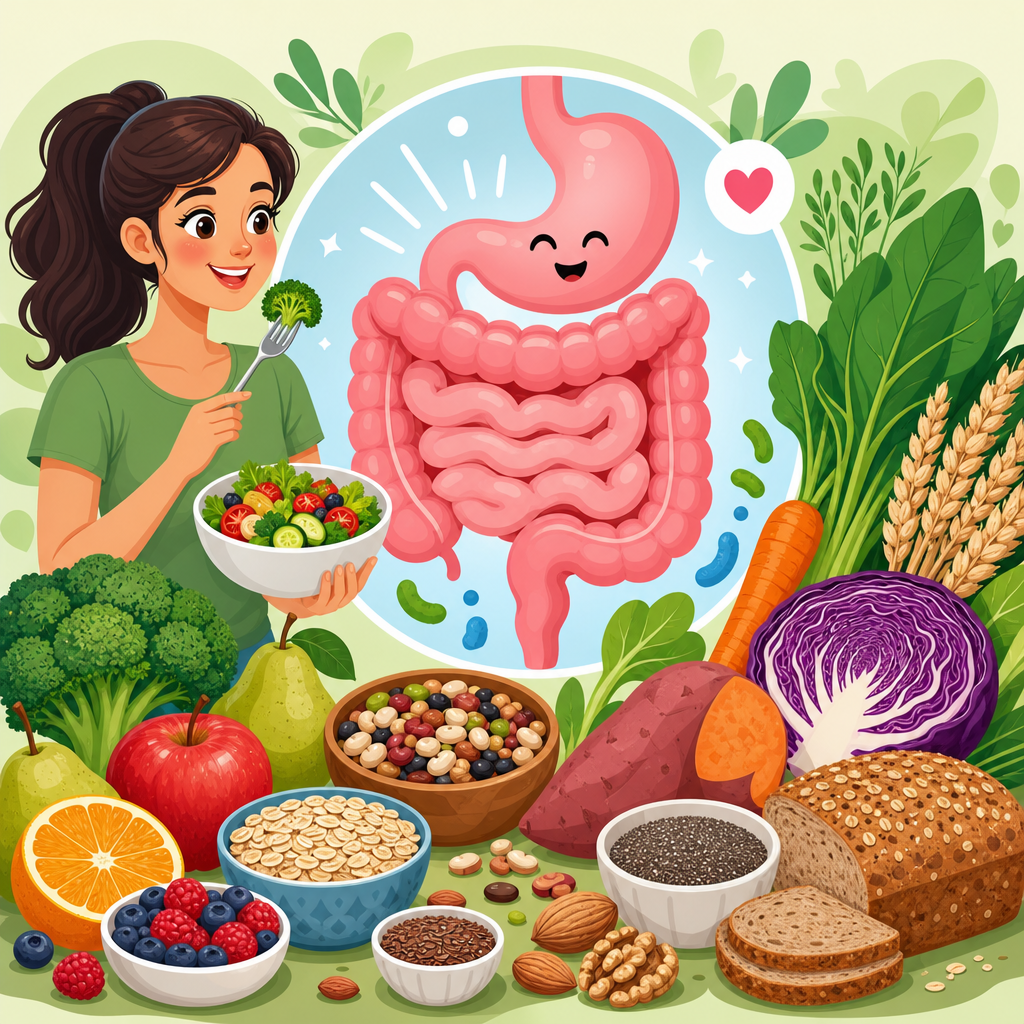
Yes, chewing can make a meaningful difference. Chewing is not just mechanical digestion; it is part of the broader satiety response. The act of chewing increases oral sensory exposure, slows intake, and gives the body more time to process taste, texture, and effort. That combination helps trigger early fullness signals before a person overshoots their needs. Foods that require more chewing, such as apples, vegetables, whole grains, legumes, and intact proteins, often feel more satisfying than foods or drinks that can be consumed rapidly.
When people drink calories, they usually finish them in minutes with very little effort. Compare that with eating a meal containing protein, fiber, and volume that takes 15 to 20 minutes to finish. That time gap matters because satiety hormones and neural feedback are not instantaneous. A slower eating experience often improves awareness of fullness and reduces the chance of still feeling unsatisfied after the calories are gone.
Chewing also tends to go along with foods that are structurally more filling. Whole foods often contain fiber, water trapped within the food matrix, and protein, all of which support fullness. So the effect is not only the chewing itself but also the type of food that chewing usually represents. This helps explain why eating an orange is often more filling than drinking orange juice, even if calories are similar. The whole fruit takes longer to eat, has intact fiber, and creates a stronger satiety response.
3. Are all liquid calories equally poor for satiety, or do some drinks keep you fuller than others?
Not all liquid calories affect fullness in the same way. The satiety value of a beverage depends heavily on what it contains. Drinks that are rich in protein, contain some fiber, have a thicker texture, and are consumed more deliberately tend to be more filling than sugary beverages with little nutritional structure. For example, a protein shake made with Greek yogurt, milk, berries, and chia seeds will usually have a very different effect on hunger than soda, fruit juice, sweet tea, or a blended coffee drink.
Protein is especially important because it is one of the most satiating nutrients. A higher-protein beverage may suppress hunger better and for longer than a carbohydrate-heavy drink. Fiber can also help, although blended drinks still may not satisfy as well as whole foods containing the same ingredients. Texture matters too. Thicker beverages are often perceived as more meal-like and may slow consumption somewhat, which can improve fullness compared with thin, easy-to-drink liquids.
That said, even nutrient-dense drinks can still be easier to consume quickly than solid meals. A smoothie can be useful in certain situations, such as poor appetite, high calorie needs, post-workout convenience, or medical nutrition support. But for appetite control, many people do better when most calories come from foods they chew. If someone relies heavily on drinks and feels hungry all day, one of the first things to assess is whether those liquid calories could be replaced, at least partly, with more solid, protein- and fiber-rich meals.
4. If the calories are the same, why can weight management still be harder with drinks than with solid meals?
In theory, energy balance still applies: 500 calories is 500 calories. But in real life, how those calories influence hunger, behavior, and later intake matters tremendously. Weight management is not only about the math on paper; it is also about whether a person feels physically and mentally able to maintain an eating pattern without constant hunger. Liquid calories often make that harder because they can add energy without creating proportionate fullness.
This can lead to passive overconsumption. People may drink calories alongside meals rather than instead of meals, or they may have beverages between meals and then still eat the same amount later. Common examples include juice at breakfast, a flavored latte mid-morning, a smoothie in the afternoon, and alcohol or sweet drinks in the evening. None of these necessarily seem large on their own, but together they can substantially increase daily intake without delivering the same satiety as solid food.
Another issue is food environment and perception. Many people do not mentally classify beverages as “real eating,” especially if they are marketed as healthy, energizing, or convenient. That can reduce mindfulness around total intake. A meal replacement shake may fit into a structured plan for some individuals, but unplanned drink calories are often easy to overlook. From a practical weight-management standpoint, replacing some liquid calories with solid meals built around protein, fiber, and minimally processed foods often improves satiety and makes calorie control feel far less draining.
5. What are the best practical strategies for using liquid calories without increasing hunger?
The most effective strategy is to make liquid calories intentional rather than automatic. Start by identifying which drinks are serving a real purpose and which are simply adding energy without much satisfaction. If a beverage is there mainly for taste or habit, consider whether a lower-calorie option, smaller portion, or less frequent use would be enough. This is particularly helpful with juice, sugary coffee drinks, sweetened teas, soft drinks, and alcohol, which can contribute substantial calories with limited fullness.
When you do include caloric beverages, improve their satiety value. Prioritize protein, and where possible add fiber and thickness. For example, a smoothie made with milk or soy milk, Greek yogurt, berries, oats, and seeds will generally be more filling than juice alone. Drinking it slowly and having it as part of a meal rather than as a quick side item can also help. If appetite control is the goal, it is often smart to avoid “stacking” a caloric beverage on top of an already adequate meal.
Most importantly, anchor the day with solid foods that support fullness: protein-rich meals, high-fiber carbohydrates, fruits, vegetables, legumes, and foods that require chewing. A helpful rule of thumb is that beverages can complement a healthy eating pattern, but they usually should not dominate it if satiety is a priority. If someone feels constantly hungry despite hitting a calorie target, shifting more of those calories from drinks to solid food is one of the most reliable and practical changes to test.