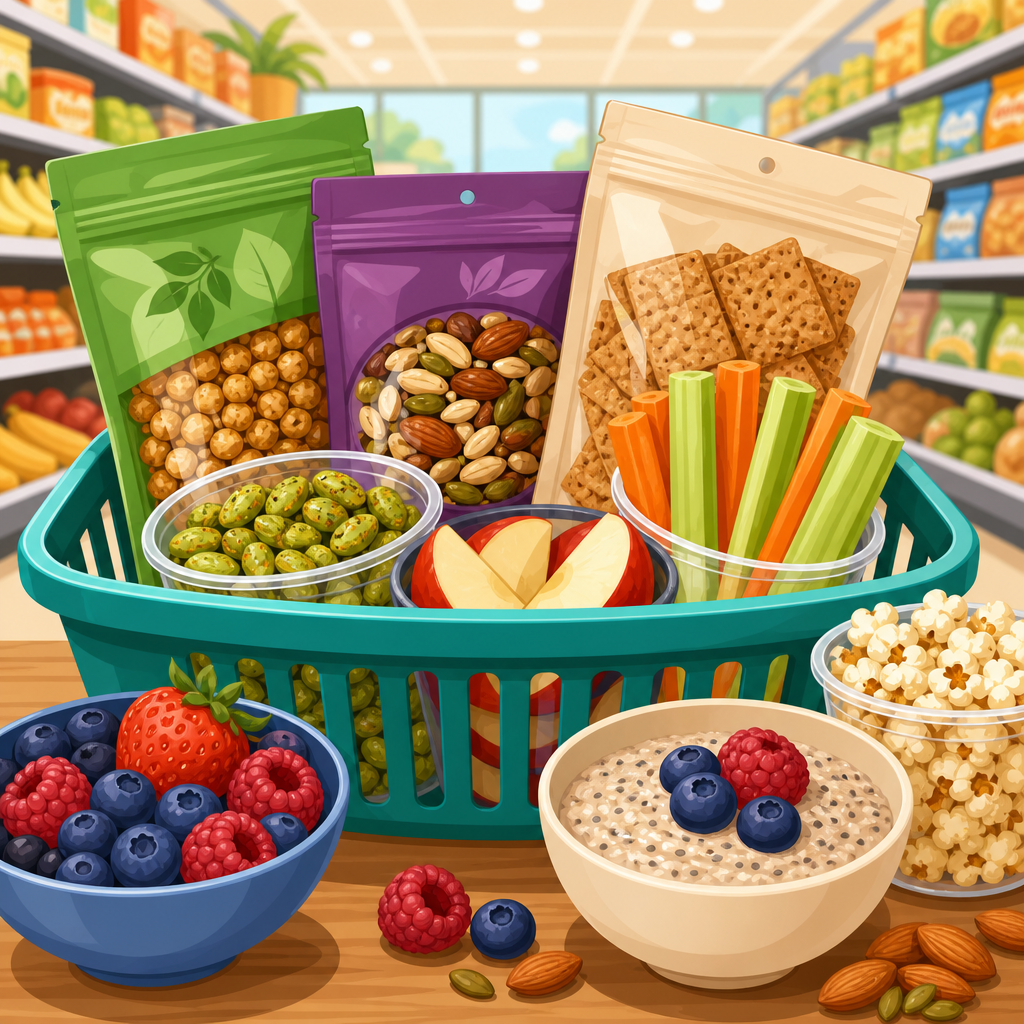
High-fiber snacks you can buy at the grocery store can do more than tide you over between meals. They can help close one of the biggest nutrition gaps in modern diets: not getting enough dietary fiber. In practice, I see this constantly when reviewing food logs. People may hit protein targets and even watch sugar, yet still fall far short of the recommended daily fiber intake. A smart snack strategy fixes that gap without requiring a complete diet overhaul, which is why this topic matters for anyone building stronger nutrition basics.
Dietary fiber is the part of plant foods the body does not fully digest. It is commonly grouped into soluble fiber, which forms a gel in water and can help moderate blood sugar and lower LDL cholesterol, and insoluble fiber, which adds bulk to stool and supports regular bowel movements. Many foods contain both. Fiber also feeds beneficial gut microbes, producing short-chain fatty acids such as butyrate, acetate, and propionate that help maintain the intestinal lining and influence metabolic health. Digestive health, in turn, refers to how well the gastrointestinal tract breaks down food, absorbs nutrients, supports comfortable bowel habits, and maintains a balanced gut environment.
Most adults need far more fiber than they currently eat. U.S. dietary guidance generally points to roughly 25 grams per day for women and 38 grams for men, with many adults consuming only around 15 grams daily. That shortfall is linked with constipation, poorer satiety, less favorable cholesterol levels, and lower overall diet quality. Grocery-store snacks can help because they are practical, portable, and easy to repeat consistently. This article serves as a hub for dietary fiber and digestive health by explaining what to buy, how to read labels, which snack categories work best, and how to increase fiber without upsetting your stomach.
Why fiber matters for digestive health and whole-body health
Fiber supports digestive health in several distinct ways. Insoluble fibers from wheat bran, nuts, seeds, and many vegetables increase stool bulk and can shorten intestinal transit time, which helps prevent constipation for many people. Soluble fibers found in oats, beans, apples, and psyllium absorb water and can soften stool while also slowing digestion. That slower digestion can improve fullness after eating, which is one reason high-fiber snacks often help with appetite control better than refined snacks like crackers or candy.
Beyond regularity, fiber has measurable metabolic benefits. Viscous soluble fibers can reduce LDL cholesterol by interfering with bile acid reabsorption. Beta-glucan from oats and barley is a well-studied example, and the FDA has long allowed heart-health claims for qualifying oat products. Fiber also blunts post-meal glucose spikes by slowing gastric emptying and carbohydrate absorption. For digestive health specifically, fermentable fibers act as prebiotics. Gut bacteria ferment them into short-chain fatty acids that nourish colon cells and support a healthier gut ecosystem. Not every fiber behaves the same way, so variety matters more than chasing a single ingredient.
How to choose high-fiber snacks at the grocery store
The quickest way to identify a useful high-fiber snack is to read the Nutrition Facts panel first, then the ingredient list. I usually recommend aiming for at least 3 grams of fiber per snack, with 5 grams or more being a strong choice. That threshold matters because many products market themselves as wholesome but deliver only 1 or 2 grams. Also check serving size carefully. A small bag may contain two servings, which can make the front-of-pack fiber claim look better than the amount most people actually eat.
Ingredient quality matters too. Look for foods built from legumes, oats, whole fruit, vegetables, nuts, seeds, or whole grains listed near the top of the ingredient list. Added fibers such as chicory root fiber, inulin, soluble corn fiber, or psyllium husk can be helpful, especially in bars and cereals, but they should not be the only reason a product is high in fiber. Some highly fortified snacks cause bloating in sensitive people, particularly when eaten quickly or without enough water. The best grocery-store high-fiber snacks combine naturally fiber-rich ingredients with moderate sodium, sensible added sugar, and a texture you will realistically enjoy often.
Best grocery-store high-fiber snack categories
Some snack categories consistently deliver fiber without much guesswork. Roasted chickpeas often provide 5 to 6 grams of fiber per serving along with plant protein, making them one of the most reliable crunchy options. Air-popped popcorn is another standout; a 3-cup serving can offer around 3.5 grams of fiber with relatively few calories, especially when lightly seasoned. High-fiber cereal can work as a snack too, particularly bran-based varieties that supply 5 to 10 grams per serving, though sugar content varies widely by brand.
Fruit remains one of the simplest choices. Pears, apples with the skin, oranges, and berries provide meaningful fiber in a familiar format. A medium pear can deliver about 5.5 to 6 grams, while a cup of raspberries offers around 8 grams. Pairing fruit with nuts or yogurt improves staying power. Seed-rich crackers, whole-grain crispbreads, and bean-based chips can also contribute, although labels differ dramatically. Hummus with vegetables is more effective than plain pita chips because you combine legume fiber with vegetable fiber. In the refrigerated aisle, edamame, chia pudding, and overnight oats can all function as convenient, fiber-forward snacks.
| Snack category | Typical fiber per serving | What to look for | Common watch-out |
|---|---|---|---|
| Roasted chickpeas | 5-6 grams | Chickpeas as first ingredient, moderate sodium | Heavy oil or salty seasoning blends |
| Popcorn | 3-4 grams per 3 cups | Whole-grain popcorn, simple ingredients | Butter-style versions high in saturated fat |
| Berries | 4-8 grams | Fresh or frozen with no added sugar | Small portions that do not satisfy |
| High-fiber cereal | 5-10 grams | Bran, oats, or whole grain first | High added sugar |
| Hummus with vegetables | 4-7 grams combined | Chickpeas, tahini, raw vegetables | Eating only refined crackers with it |
| Chia pudding | 8-10 grams | Chia seeds, unsweetened milk, fruit | Too little fluid, poor texture |
Label reading: fiber claims, ingredients, and hidden tradeoffs
Front-of-pack claims can be useful, but they are not enough. “Good source of fiber” generally means a product provides 10 to 19 percent of the Daily Value per serving, while “excellent source” usually means 20 percent or more. Under current U.S. labeling, the Daily Value for fiber is 28 grams, so 5.6 grams is the 20 percent mark. That sounds straightforward, yet the full context still matters. A bar with 10 grams of fiber and 15 grams of added sugar is not automatically a better daily choice than an apple plus almonds.
Pay attention to the type of fiber added. Psyllium, beta-glucan, pectin, guar gum, and some resistant starches have stronger evidence for specific health benefits than isolated fibers used mostly for texture or formulation. Chicory root fiber and inulin can support beneficial bacteria, but they are also common triggers for gas in people sensitive to FODMAPs. Sugar alcohols such as maltitol or erythritol may appear in the same products and can further affect digestion. If a “high-fiber” snack repeatedly causes bloating, cramping, or urgency, the solution is usually not to abandon fiber altogether but to switch the source and lower the dose.
Building a snack routine that improves fiber intake safely
The biggest mistake I see is increasing fiber too fast. Someone goes from a low-fiber pattern to a bran cereal, a fiber bar, and roasted legumes all in one day, then concludes fiber does not agree with them. The body often needs time to adapt. A better approach is adding one high-fiber snack per day for several days, increasing fluids, and then layering in another source. Water matters because fiber works best when it can absorb fluid and move comfortably through the digestive tract. Without enough fluid, some people feel more constipated, not less.
Consistency beats intensity. If your baseline is low, even moving from 12 grams of fiber per day to 18 grams can improve regularity and fullness. Practical combinations work well: pear plus walnuts, popcorn plus edamame, hummus plus baby carrots, or plain Greek yogurt topped with berries and chia. Timing also matters. Many people do best placing fiber-rich snacks in the midafternoon, when energy dips and highly processed foods are tempting. For athletes or anyone eating before exercise, choose lower-fiber options right before activity if you are prone to gastrointestinal discomfort, then shift higher-fiber foods to other parts of the day.
Who needs modifications and when to be cautious
High-fiber snacks are broadly helpful, but they are not one-size-fits-all. People with irritable bowel syndrome, inflammatory bowel disease flares, gastroparesis, or a history of bowel obstruction may need individualized guidance on fiber type, texture, and timing. During an IBS flare, for example, wheat bran or large amounts of inulin may worsen symptoms, while oats, kiwifruit, or psyllium are often better tolerated. After certain surgeries or during acute digestive illness, a low-fiber approach may be medically appropriate for a period. Context matters more than nutrition headlines.
Children, older adults, and people taking medications also deserve special consideration. Kids benefit from fiber, but portion sizes should match appetite and fluid intake. Older adults may rely heavily on convenience foods, so stocking easy options like berries, oatmeal cups with low added sugar, and bean-based snacks can help. Fiber can affect how some medications are absorbed if taken at the same time, particularly bulky fiber supplements, so spacing may be needed. Persistent constipation, rectal bleeding, unexplained weight loss, severe bloating, or a sudden change in bowel habits should prompt medical evaluation rather than self-treatment with more snack fiber.
High-fiber snacks you can buy at the grocery store are one of the easiest ways to improve dietary fiber and digestive health without making nutrition feel complicated. The core principles are straightforward: know your target, choose snacks with at least 3 to 5 grams of fiber, favor whole-food ingredients, and increase intake gradually with adequate fluids. Soluble and insoluble fibers both matter, and variety across fruits, legumes, whole grains, nuts, seeds, and vegetables produces the best overall result for regularity, satiety, cholesterol management, and gut support.
If you use this page as your hub for dietary fiber and digestive health, start with the foods you will actually keep buying. Build around practical staples such as popcorn, roasted chickpeas, berries, pears, hummus, high-fiber cereal, chia, and edamame. Read labels closely, watch for hidden tradeoffs like excess sugar or poorly tolerated added fibers, and adjust based on your own digestion. Small, repeatable upgrades work better than extreme changes. The next time you shop, pick two genuinely high-fiber snacks and make them part of your weekly routine.
Frequently Asked Questions
What makes a grocery store snack “high in fiber”?
A high-fiber snack is one that provides a meaningful amount of fiber for the calories and portion size you are actually likely to eat. As a practical rule, I usually suggest looking for at least 3 grams of fiber per serving, with 5 grams or more being even better. That threshold helps separate snacks with a little incidental fiber from ones that can genuinely help you move toward your daily intake goal. Foods like roasted chickpeas, high-fiber crackers, popcorn, berries, chia pudding cups, trail mixes with nuts and seeds, and fiber-rich bars often meet that standard, but labels matter because products vary widely.
It is also important to look beyond front-of-package marketing. A snack labeled “multigrain,” “made with oats,” or “natural” is not automatically high in fiber. The nutrition facts panel will tell you how many grams of dietary fiber are in one serving, and the ingredient list can give useful clues too. Ingredients such as beans, lentils, oats, chia seeds, flaxseed, nuts, seeds, and whole grains usually signal a better fiber profile. The most helpful approach is to compare a few similar products side by side and choose the one with the strongest fiber content, moderate added sugar, and ingredients you would realistically eat on a regular basis.
How much fiber should I aim for in snacks each day?
That depends on your overall eating pattern, but snacks can play a major role in helping you close the fiber gap. Many adults fall well short of recommended intake, so relying only on meals to make up the difference can be difficult. A good target is to think of snacks as mini-opportunities to add 3 to 10 grams of fiber across the day. For example, if you have two snacks and each contains 4 to 5 grams of fiber, that alone can make a significant dent in your daily needs without forcing a major change to breakfast, lunch, or dinner.
The best strategy is to spread fiber intake out rather than trying to get it all at once. This tends to be easier on digestion and more sustainable day to day. For instance, pairing an apple with nut butter, choosing popcorn in the afternoon, or keeping a bean-based dip and whole grain crackers on hand can steadily raise your intake. If your current diet is low in fiber, increase gradually and drink enough fluids. That helps your digestive system adapt and makes the shift more comfortable. Consistency matters much more than finding one “perfect” snack.
What are the best high-fiber snacks to buy at the grocery store?
Some of the best options are snacks built around naturally fiber-rich foods rather than products that rely mainly on added isolated fibers. Fresh fruit like apples, pears, raspberries, and blackberries is excellent because it combines fiber with water and nutrients. Vegetables with hummus, guacamole, or bean dip are another strong choice. Air-popped or lightly seasoned popcorn is one of the most convenient whole-grain snack options, and roasted edamame or chickpeas can work well if you want something crunchy and shelf-stable. High-fiber cereals, overnight oats, chia pudding, and unsweetened oatmeal cups can also function as snacks, especially for people who want something more filling.
Packaged choices can absolutely fit too, but they are worth evaluating carefully. Look for crackers made with whole grains or seeds, snack bars with a short ingredient list and several grams of fiber, and wraps or mini pitas made with whole grains that you can pair with dip. Nuts and seeds are helpful, though they are usually more moderate in fiber than many people assume, so they are often best when combined with fruit rather than eaten alone if fiber is the goal. Overall, the best grocery store high-fiber snacks are the ones that provide enough fiber to matter, fit your taste preferences, and are easy enough to keep stocked so you actually reach for them.
Are fiber bars and packaged snacks a good way to increase fiber intake?
They can be, but quality varies a lot. Some bars and packaged snacks offer a genuinely helpful amount of fiber along with whole-food ingredients, moderate sugar, and a reasonable calorie level. Others are essentially candy bars with a little added fiber or heavily processed products that may not keep you full for long. When evaluating these items, start with the fiber content per serving, then check added sugar, protein, and the ingredient list. A snack bar with 5 to 8 grams of fiber and recognizable ingredients can be a useful convenience option, especially for travel, work, or busy afternoons when fresh food is not practical.
That said, more fiber is not always better if the product causes bloating or digestive discomfort. Some packaged snacks contain isolated fibers such as chicory root, inulin, or soluble corn fiber, which may bother sensitive stomachs even if the label looks impressive. This does not make them bad, but it does mean personal tolerance matters. In general, I recommend using packaged high-fiber snacks as part of your toolkit rather than your only solution. A mix of whole-food snacks and well-chosen convenience items tends to work best for both nutrition quality and consistency.
Can high-fiber snacks help with fullness, digestion, and weight management?
Yes, they can be very helpful in all three areas. Fiber slows digestion, adds bulk, and often improves satisfaction after eating, which can make snacks feel more substantial and reduce the urge to keep grazing. This is especially true when fiber is paired with protein or healthy fats. For example, fruit with nuts, whole grain crackers with hummus, or popcorn with roasted edamame tends to be much more filling than refined snack foods like chips or crackers made mostly from white flour. That greater staying power can help bridge the gap between meals and reduce the likelihood of arriving at dinner overly hungry.
From a digestive standpoint, regular fiber intake supports healthy bowel habits and can improve overall diet quality because fiber-rich foods often bring vitamins, minerals, and plant compounds with them. For weight management, high-fiber snacks are not a magic fix, but they can make a balanced eating pattern easier to maintain by improving satiety and encouraging better food choices. The key is choosing snacks that are genuinely fiber-rich, watching portions when needed, and increasing fiber gradually if your current intake is low. When used consistently, grocery store high-fiber snacks can be a simple, realistic way to support better digestion and more stable appetite control.