CBD and hemp-based supplements have moved from niche wellness shelves into mainstream conversations about nutrition, recovery, stress management, and daily health routines. In practice, this category includes hemp seeds, hemp seed oil, hemp protein, full-spectrum hemp extracts, broad-spectrum CBD products, and CBD isolate formulas sold as oils, capsules, gummies, powders, and beverages. The central question is not whether these products exist, but what role they can realistically play in a healthy diet. That matters because consumers often encounter conflicting claims: some products are promoted as essential superfoods, while others are dismissed as unproven trends. The truth sits in the middle. Certain hemp foods have well-established nutritional value, while CBD occupies a more nuanced position shaped by formulation quality, dosage, safety considerations, and a still-developing evidence base. Understanding the difference between hemp-derived nutrition and cannabinoid supplementation is the first step toward using either responsibly.
Hemp generally refers to varieties of Cannabis sativa cultivated for very low tetrahydrocannabinol content, usually under legal thresholds such as 0.3 percent THC in the United States. CBD, or cannabidiol, is one of many cannabinoids found in the plant. Unlike THC, CBD is not intoxicating. Hemp-based supplements can therefore range from conventional nutrient-dense foods to specialized extracts intended to support specific wellness goals. In my work reviewing supplement labels, manufacturing records, and clinical summaries, I have seen the biggest consumer mistakes come from assuming every hemp product does the same thing. Hemp hearts deliver protein, fiber, and essential fatty acids. Hemp seed oil contributes polyunsaturated fats but little to no CBD. A bottle labeled full-spectrum hemp extract may contain cannabinoids, terpenes, and trace THC. These are fundamentally different products with different dietary roles, risk profiles, and expected outcomes.
This topic matters because a healthy diet is more than calorie balance. It also depends on nutrient density, sustainability, tolerance, consistency, and informed supplement use. Hemp foods fit naturally into nutrition planning because they can help diversify protein intake and support intake of unsaturated fats, especially linoleic acid and alpha-linolenic acid. CBD products matter for a different reason: many adults use them alongside dietary strategies aimed at sleep quality, stress resilience, exercise recovery, or general wellbeing. A responsible hub page must separate what is nutritionally established from what is promising but conditional. It should also address legality, testing, drug interactions, and product selection, since those issues directly affect whether a supplement belongs in a daily routine. When used with realistic expectations and strong quality standards, CBD and hemp-based supplements can occupy a useful, but clearly defined, place in a healthy diet.
What CBD and hemp-based supplements include
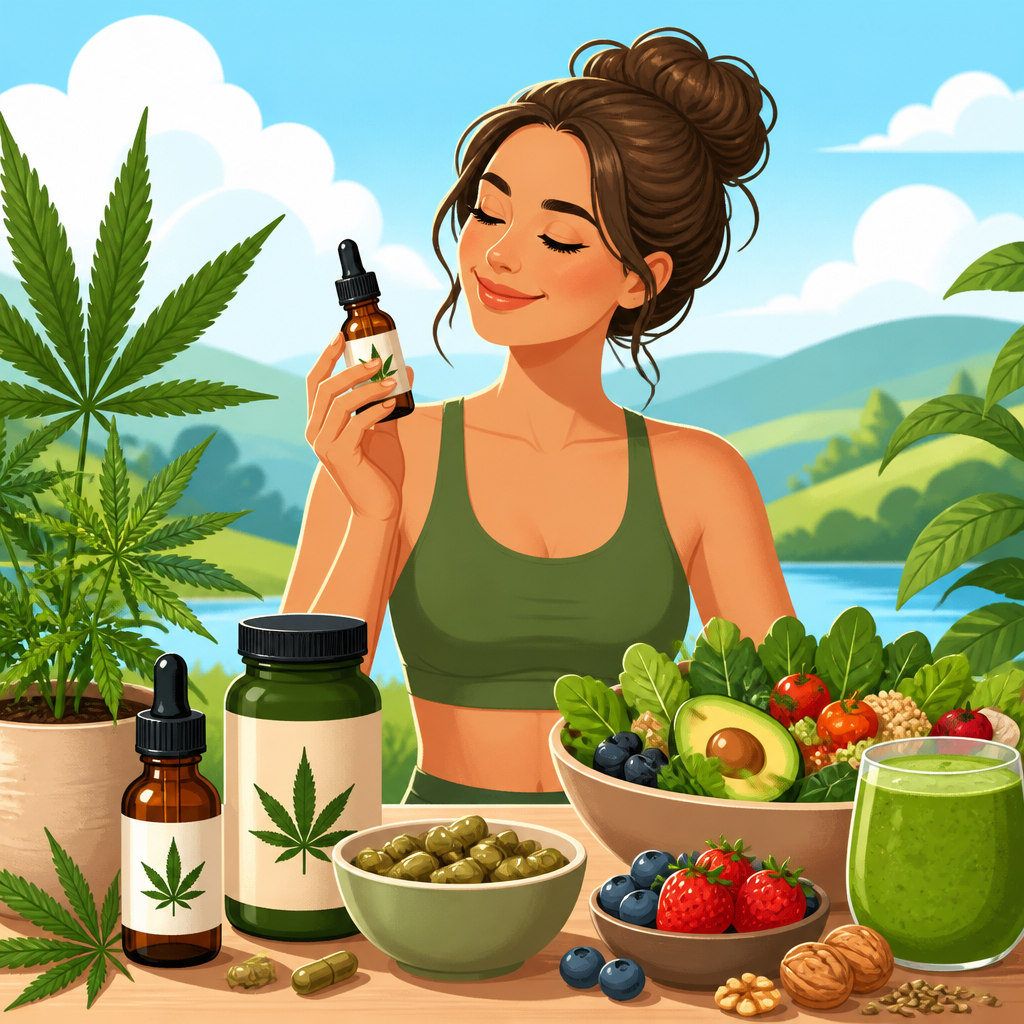
CBD and hemp-based supplements fall into three broad groups: whole-food hemp ingredients, nutrient-focused hemp products, and cannabinoid-containing extracts. Whole-food ingredients include hemp seeds, shelled hemp hearts, hemp flour, and hemp protein powder. These are used much like flax, chia, or pumpkin seeds in smoothies, yogurt bowls, baking, and savory meals. Nutrient-focused products include cold-pressed hemp seed oil and concentrated protein blends designed for macronutrient support. Cannabinoid-containing extracts include tinctures, softgels, gummies, and powdered drink mixes that deliver CBD with or without other naturally occurring hemp compounds.
The distinction between hemp seed products and hemp extract products is critical. Hemp seeds are valued primarily for macronutrients and fatty acids. They naturally contain negligible cannabinoids because cannabinoids are concentrated in the aerial parts of the plant, especially flowers and leaves, not in cleaned seeds. By contrast, CBD oils and gummies are manufactured from hemp extracts and standardized to a cannabinoid content per serving, such as 10, 25, or 50 milligrams of CBD. Full-spectrum products retain multiple plant compounds, broad-spectrum products remove detectable THC while preserving other compounds, and isolate products contain purified CBD alone. Each format can affect taste, onset, and consumer preference, but none should be confused with basic hemp nutrition.
For readers building a supplementation strategy, this subtopic functions best as a framework. Hemp foods belong in discussions about plant proteins, heart-healthy fats, and pantry staples. CBD belongs in discussions about targeted supplementation, individual response, and label scrutiny. That distinction helps prevent a common error: expecting nutritional benefits from a CBD gummy or expecting meaningful CBD intake from hemp seed oil on a salad. A healthy diet can include both, but they serve different purposes.
Nutritional benefits of hemp foods in everyday eating
Hemp foods have the strongest and clearest role in a healthy diet because they provide tangible nutrients rather than speculative benefits. Hemp hearts contain complete protein, meaning they provide all nine essential amino acids, although exact amino acid proportions differ from soy, dairy, or egg proteins. They also deliver unsaturated fats, including omega-6 linoleic acid and omega-3 alpha-linolenic acid, plus minerals such as magnesium, phosphorus, iron, and zinc. In practical meal planning, hemp hearts are useful because they blend well into foods people already eat. Adding two or three tablespoons to oatmeal, overnight oats, or a grain bowl can increase protein and healthy fat intake without dramatically changing texture.
Hemp protein powder is another practical tool, especially for people seeking plant-based protein alternatives beyond pea or soy. It typically contains less protein per scoop than highly refined isolates, but often contributes fiber and a less processed ingredient profile. I have found it most useful for clients who prioritize satiety and whole-food characteristics over maximum grams per serving. Cold-pressed hemp seed oil contributes a favorable fatty acid profile, but it is not ideal for high-heat cooking because polyunsaturated fats are more vulnerable to oxidation. It works better in dressings, dips, and finishing applications.
Hemp foods also support dietary variety, which is an underrated marker of long-term adherence. People are more likely to maintain healthy eating patterns when ingredients are versatile and pleasant to use. Hemp hearts can top roasted vegetables, blend into pesto, or replace some nuts in homemade snack bars. For individuals with soy avoidance, they can expand protein choices. For people reducing ultra-processed foods, hemp seeds offer a simple ingredient with recognizable nutritional value. That is where hemp-based supplementation is at its strongest: not as a miracle food, but as a reliable, nutrient-dense option within balanced eating.
Where CBD may fit into a wellness-focused diet
CBD is not a nutrient in the same way protein, fiber, vitamins, or essential fatty acids are nutrients. Its role in a healthy diet is therefore indirect. Most consumers use CBD to complement routines related to stress, sleep, discomfort after exercise, or general relaxation. The biological rationale centers on the endocannabinoid system, a signaling network involved in homeostasis, appetite regulation, mood, pain perception, and sleep-wake processes. CBD does not bind strongly to CB1 receptors in the same way THC does, but it appears to influence multiple pathways, including serotonin signaling, transient receptor potential channels, and endocannabinoid tone. That complexity partly explains why responses vary so widely.
From a practical standpoint, CBD may fit best when a person has a specific objective and a disciplined approach to tracking outcomes. For example, an endurance athlete might trial a third-party-tested CBD capsule in the evening to see whether subjective sleep quality and next-day recovery improve over several weeks. A high-stress professional might compare a low-dose tincture taken consistently at the same time each day against baseline measures such as sleep latency, perceived stress, or nighttime waking. This kind of structured use is more informative than taking random doses and hoping for broad wellness effects.
It is important to state clearly that CBD is not a substitute for core nutrition habits. It cannot correct inadequate protein intake, poor sleep hygiene, excess alcohol intake, or a highly processed diet. When it is useful, it tends to be additive rather than foundational. Consumers who understand that distinction make better decisions and are less likely to overspend on products that do not address the real cause of their health concern.
How to evaluate product quality, safety, and labels
Quality control is the defining issue in CBD supplementation. The market includes excellent manufacturers and weak ones, and label claims are not enough. A trustworthy product should provide a recent certificate of analysis from an independent laboratory confirming cannabinoid potency and screening for heavy metals, pesticides, residual solvents, and microbial contamination. The certificate should match the batch number on the package. Without that document, the consumer is essentially buying on faith. Reputable brands also identify whether the product is full-spectrum, broad-spectrum, or isolate, list total CBD per package and per serving, and disclose carrier oils and flavoring ingredients.
Extraction and manufacturing standards matter as well. Carbon dioxide extraction is widely used because it can preserve plant compounds while avoiding some solvent concerns, though a good finished product matters more than a marketing claim about method alone. Many stronger companies manufacture under current good manufacturing practices and test for stability over shelf life. Those details reduce the risk of mislabeled potency, degradation, or contamination.
| Product type | Primary role | What to check on the label | Best use case |
|---|---|---|---|
| Hemp hearts | Protein, healthy fats, minerals | Serving size, protein grams, freshness date | Meals, snacks, smoothies |
| Hemp seed oil | Unsaturated fats | Cold-pressed status, dark bottle, storage guidance | Dressings and finishing oil |
| CBD isolate | Targeted CBD without other cannabinoids | CBD milligrams, third-party potency test | Users avoiding THC |
| Broad-spectrum CBD | CBD plus other hemp compounds, no detectable THC | Cannabinoid profile, THC nondetect confirmation | Users seeking a wider hemp profile |
| Full-spectrum CBD | CBD with additional cannabinoids and trace THC | Complete lab panel, legal THC compliance | Users comfortable with trace THC |
Safety also includes interactions. CBD can affect enzymes in the cytochrome P450 system, which means it may alter how certain medications are metabolized. That concern is especially relevant for anticoagulants, some seizure medications, and drugs with a narrow therapeutic range. Anyone managing a chronic condition, pregnancy, breastfeeding, or prescription therapy should involve a qualified clinician before regular use. This is not optional caution; it is basic supplement diligence.
How to use CBD and hemp supplements responsibly
Responsible use begins with matching the product to the goal. If the goal is better nutritional quality, start with hemp foods. If the goal is targeted support for stress or sleep, consider CBD only after reviewing safety and expectations. For hemp foods, routine use is straightforward: add hemp hearts to breakfast, use hemp protein in a post-workout smoothie, and rotate hemp seed oil into cold applications. For CBD, the best practice is start low, stay consistent, and document response. A low initial serving might be 10 to 15 milligrams once daily, though ideal dosing varies by body size, formulation, and objective. The point is not the exact number; it is controlling variables so the trial is interpretable.
Timing matters. Some users prefer evening dosing for sleep-related goals, while others split servings across the day. Sublingual oils may have a different subjective onset than capsules because of how they are administered, and gummies may be slower because they behave like other oral products. None of these formats is universally superior. The better choice is the one a person can use consistently and measure honestly.
Consumers should also watch for red flags: proprietary blends that hide actual CBD content, exaggerated disease claims, missing lab reports, unusually low prices, or labels that confuse hemp seed oil with CBD extract. In a healthy diet, supplements should be transparent, purposeful, and secondary to food quality. That principle keeps hemp and CBD in their proper place.
Bottom line for building a balanced strategy
The role of CBD and hemp-based supplements in a healthy diet is best understood by separating nutrition from targeted supplementation. Hemp foods earn their place easily. They provide useful amounts of protein, unsaturated fats, and minerals, fit many eating patterns, and help diversify plant-based meals with minimal complexity. CBD can also have a place, but only when the product is high quality, the goal is specific, and the user understands both the limits of the evidence and the importance of safety screening. That is a narrower role than marketing often suggests, yet it can still be meaningful for the right person.
If you are building this part of your supplement routine, start with the basics. Add hemp hearts or hemp protein to meals where they improve nutrient density. If you are considering CBD, choose a third-party-tested product, review medications and health conditions, and track results over time instead of relying on vague impressions. This approach protects your budget, improves decision-making, and aligns supplementation with real health outcomes rather than trends.
As a hub within Supplements and Nutraceuticals, CBD and hemp-based supplements connect to broader topics including plant protein, omega fatty acids, sleep support, stress management, recovery nutrition, and supplement quality testing. Use that wider context to evaluate what belongs in your routine. The healthiest strategy is rarely the most dramatic one. It is the one built on clear distinctions, verified product quality, and consistent habits. Start there, refine carefully, and let evidence guide what stays in your diet.
Frequently Asked Questions
What is the difference between hemp foods, hemp seed supplements, and CBD products in a healthy diet?
These categories are closely related, but they serve different nutritional purposes. Hemp foods such as hemp seeds, hemp hearts, hemp protein powder, and hemp seed oil are primarily valued for their nutrient content. They can contribute protein, fiber, healthy fats, and naturally occurring vitamins and minerals to an overall balanced eating pattern. Hemp seeds, in particular, are often included in healthy diets because they provide plant-based protein and beneficial fatty acids, making them easy to add to smoothies, yogurt, oatmeal, salads, or baked goods.
CBD products are different because their primary role is not to provide macronutrients like protein or essential fats. CBD, or cannabidiol, is one of many compounds found in the hemp plant, and it is generally used in wellness routines for support related to stress, recovery, and overall balance rather than as a direct source of traditional nutrition. Full-spectrum hemp extracts may contain CBD along with other naturally occurring plant compounds, while broad-spectrum products typically contain multiple hemp compounds without detectable THC, and CBD isolate contains only purified CBD.
In practical terms, hemp foods can be viewed more like nutrient-dense pantry staples, while CBD supplements are better understood as optional additions to a wellness-focused lifestyle. A healthy diet can absolutely include hemp foods on a regular basis because they contribute directly to nutritional intake. CBD products, by contrast, may complement healthy habits, but they should not be mistaken for replacements for whole foods, balanced meals, hydration, sleep, or exercise. Understanding that distinction helps set realistic expectations and supports more informed product choices.
Can CBD and hemp-based supplements replace whole foods or fill major nutritional gaps?
No, they should not be treated as replacements for whole foods or as a shortcut around the fundamentals of good nutrition. Whole foods provide a wide spectrum of nutrients, fiber, phytonutrients, and energy that work together in ways isolated supplements cannot fully replicate. Vegetables, fruits, legumes, whole grains, quality protein sources, nuts, seeds, and healthy fats remain the foundation of a healthy diet, and no hemp- or CBD-based product changes that reality.
That said, some hemp-based supplements can play a useful supporting role. Hemp protein powder may help someone increase plant-based protein intake after exercise or in a busy schedule. Hemp seed oil can contribute healthy fats to dressings or prepared foods. Hemp seeds can make meals more nutrient-dense with minimal effort. These products can be especially practical for people looking for convenient, plant-based options that fit into vegetarian, vegan, or flexitarian eating patterns.
CBD products occupy a different space. Their role is generally more about lifestyle support than nutrition. Some people include CBD oils, capsules, or gummies as part of a broader routine that also prioritizes sleep quality, movement, stress management, and recovery. However, if someone is struggling with fatigue, poor digestion, low energy, or inconsistent eating habits, the first place to look is still the quality of the overall diet and daily routine. Hemp and CBD supplements can complement healthy choices, but they are most effective when used with realistic expectations and not as substitutes for nutrient-rich meals.
What are the most realistic health benefits of adding hemp and CBD products to a daily routine?
The most realistic benefits depend on the specific product being used. Hemp seeds, hemp protein, and hemp seed oil may support a healthy diet by improving nutrient quality and meal balance. For example, hemp seeds can add protein and healthy fats that help make a breakfast or snack more satisfying. Hemp protein powder may be useful for people who want a plant-based protein option after workouts or between meals. Hemp seed oil can be part of a heart-conscious eating pattern when used appropriately in dressings or other cold applications.
CBD products are often approached from a wellness and lifestyle angle. Many users include them in routines aimed at promoting a sense of calm, supporting post-exercise recovery, or helping them maintain consistency with broader self-care habits. The key phrase here is “supporting routine.” CBD is not a magic ingredient, and it is not a substitute for medical treatment, proper nutrition, or healthy behavior. Its role is typically incremental rather than dramatic. People who report the best experience often pair it with consistent sleep, regular exercise, good hydration, and a nutrient-dense diet.
Another realistic benefit is routine adherence. Sometimes a supplement becomes valuable not because it transforms health on its own, but because it helps reinforce healthier patterns. Someone who adds hemp seeds to breakfast every morning may naturally increase protein and healthy fat intake. Someone who takes a CBD capsule in the evening may use that habit as part of a wind-down routine that also includes reduced screen time and better sleep hygiene. In that sense, the products can be useful tools, but they work best as part of a larger system of healthy choices rather than as standalone solutions.
How do you choose high-quality CBD and hemp-based supplements that actually fit a healthy lifestyle?
Quality matters enormously in this category because products can vary widely in purity, potency, formulation, and intended use. For hemp foods and hemp seed supplements, start by reading the ingredient list carefully. A simple, minimally processed product is often the best choice. Hemp hearts should ideally contain just hemp seeds. Hemp protein powders are generally more appealing when they avoid excessive added sugars, fillers, or artificial flavors. Hemp seed oil should be fresh, properly stored, and packaged in a way that helps protect it from light and oxidation.
For CBD products, it is important to look for third-party lab testing, clear labeling, and transparent sourcing. Reputable brands typically provide certificates of analysis that verify cannabinoid content and screen for contaminants such as heavy metals, residual solvents, pesticides, and microbial impurities. The label should clearly state whether the product is full-spectrum, broad-spectrum, or isolate, along with the amount of CBD per serving. This information matters because it helps consumers match the product to their goals, tolerance, and preference regarding THC exposure.
It is also wise to think practically about format and routine. Oils may allow more flexible serving sizes, while capsules offer convenience and consistency. Gummies may be easier for some people to remember, but they can also include added sugar or flavoring. Powders and beverages may fit well into active lifestyles, but they should still be evaluated for overall ingredient quality. Most importantly, choose products that support your health habits rather than complicate them. A high-quality supplement should be easy to use, clearly labeled, and appropriate for your goals, not driven by exaggerated promises or trend-based marketing.
Are there any safety considerations or situations where people should be cautious with CBD and hemp supplements?
Yes, and this is an important part of the conversation. Although many hemp foods are generally well tolerated and easy to include in a balanced diet, they still need to fit the individual. Hemp seeds and hemp protein may not work equally well for everyone, especially if someone is introducing more fiber or fat into the diet quickly. Starting with moderate portions and paying attention to digestion is a sensible approach. As with any food product, ingredient quality, freshness, and individual tolerance matter.
CBD requires more careful consideration because it is an active compound and may interact differently from standard food ingredients. People who take prescription medications, have chronic health conditions, are pregnant or breastfeeding, or are under medical supervision for specific concerns should speak with a qualified healthcare professional before using CBD products. Product strength, serving size, timing, and individual sensitivity can all affect the experience. It is also important to use products from reputable brands because inconsistent labeling and poor manufacturing standards can create unnecessary risk.
Another area of caution involves expectations and marketing claims. If a product is presented as a cure-all or as a replacement for evidence-based care, that is a red flag. The healthiest way to view CBD and hemp-based supplements is as potentially useful additions to a broader wellness strategy, not miracle fixes. A thoughtful approach includes reading labels, checking for third-party testing, understanding the difference between food-based hemp products and cannabinoid supplements, and using them in ways that align with personal health needs and professional guidance. That mindset helps consumers stay both realistic and safe while exploring the role these products may play in a healthy diet.