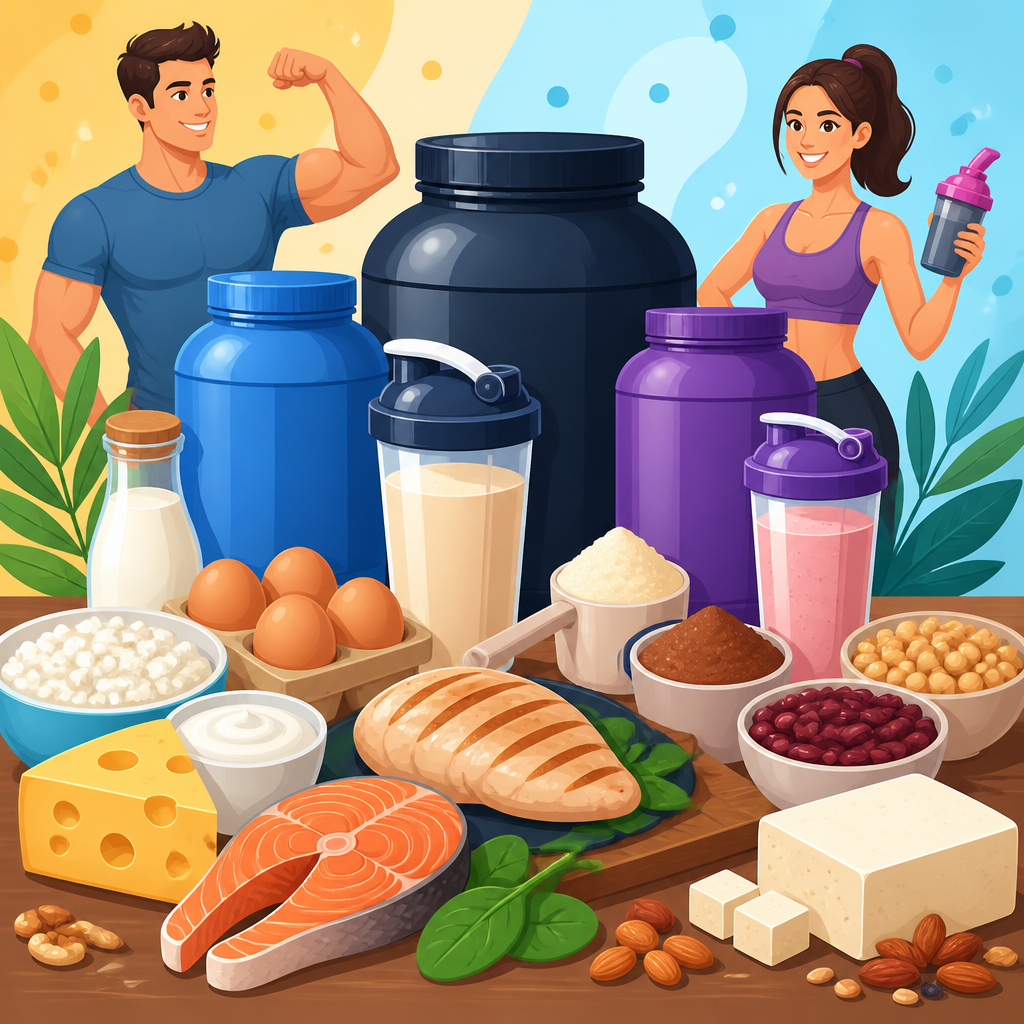
Protein powder is one of the most widely used supplements in sports nutrition, healthy aging, and everyday wellness because it offers a concentrated, measurable, and convenient source of dietary protein. When people search for the top foods rich in protein powders, they usually want a clear answer to two related questions: what types of protein powders exist, and which one is right for their goals, digestion, budget, and diet. In practice, the best choice depends on protein quality, amino acid profile, processing method, flavor, ingredient list, and how you actually plan to use it.
Protein itself is a macronutrient made of amino acids, including nine essential amino acids that must come from food. It supports muscle protein synthesis, immune function, hormone production, tissue repair, satiety, and recovery after exercise. Powders matter because many people struggle to hit daily protein targets with whole foods alone, especially athletes, older adults, busy professionals, plant-based eaters, and anyone managing appetite while trying to maintain lean mass. I have worked with clients who believed all protein powders were interchangeable, but once we matched the product to their needs, results improved quickly: better adherence, fewer digestive complaints, and more consistent total protein intake.
Most protein powders are derived from protein-rich foods such as milk, peas, soybeans, rice, eggs, or collagen-containing animal tissues. Manufacturing removes much of the water, fat, and carbohydrate, leaving a dense protein ingredient that can be blended into shakes, oats, yogurt, smoothies, soups, or baked foods. That concentration is the main advantage. A chicken breast or a bowl of lentils can absolutely meet protein needs, but a scoop of powder can deliver 20 to 30 grams in seconds with no cooking. For people with packed schedules, reduced appetite, or high training volume, that practicality is exactly why protein powders earn a place in a smart nutrition plan.
The deeper reason you may need a protein powder is not that whole foods are inadequate. It is that real life creates gaps. Protein distribution across the day matters, and many adults under-consume at breakfast and lunch, then try to catch up at dinner. Research consistently shows that spreading protein intake more evenly helps stimulate muscle protein synthesis multiple times per day. A powder can make that easy. Instead of a low-protein breakfast, adding whey to oatmeal or pea protein to a smoothie can raise intake enough to support training adaptation, preserve muscle during weight loss, or simply improve fullness and food choices later in the day.
What protein powder does and who benefits most
Protein powder is not a magic muscle builder. It is a delivery system for amino acids. Its core job is to help you reach a daily protein target, usually somewhere around 1.2 to 2.2 grams per kilogram of body weight depending on age, activity, calorie intake, and goals. Sedentary adults may do well closer to the lower end, while strength athletes, endurance athletes in heavy training, and older adults preserving muscle often benefit from the middle to upper ranges. During fat loss phases, a higher intake helps protect lean tissue and improves satiety.
The people who benefit most are those with elevated needs or practical barriers. Strength trainees need enough leucine-rich protein to trigger muscle protein synthesis after lifting. Endurance athletes use protein for recovery, adaptation, and support during high-volume blocks. Older adults face anabolic resistance, meaning they often need a larger per-meal protein dose to get the same muscle-building signal. Vegans and vegetarians can absolutely meet needs from food, but powders simplify intake and improve consistency. Patients recovering from illness, people after dental work, and those with low appetite also often find powders easier than large meals.
The timing question is simpler than marketing suggests. Daily total intake matters most. The post-workout window is useful, but it is not a twenty-minute emergency. I usually recommend getting a quality protein feeding within a couple of hours after training, then making sure the entire day supports the target. A powder works well because it is portable, standardized, and low effort. For many users, compliance is the hidden variable. The best powder is the one you will tolerate, afford, and use repeatedly.
Whey protein: the standard for performance and recovery
Whey protein remains the benchmark because it is rich in essential amino acids, especially leucine, and is digested rapidly. It comes from milk during cheese production and is typically sold as concentrate, isolate, or hydrolysate. Whey concentrate usually contains around 70 to 80 percent protein by weight, with more lactose and milk fat. Whey isolate is more filtered, often reaching 90 percent or more protein, with less lactose. Hydrolyzed whey is partially broken down into smaller peptides for faster digestion and, in some products, reduced allergenic potential, though taste can be more bitter.
For muscle gain, recovery, and convenience, whey is hard to beat. A typical 25-gram serving provides enough leucine to stimulate muscle protein synthesis in most adults. That is why so many studies on resistance training use whey as the reference protein. If you tolerate dairy, it is often the easiest recommendation. I have seen it work particularly well for people who train early in the morning and do not want a full meal before or after the session. Mixed with water, it is light, fast, and reliable.
The main drawbacks are dairy sensitivity, lactose intolerance in some users, and ingredient quality variation. People with true milk allergy should avoid whey entirely. Those who are lactose intolerant often do better with whey isolate than concentrate. Also check labels carefully. Some lower-quality blends are padded with gums, creamers, or proprietary mixtures that make protein content less impressive than the tub suggests. Independent certification from NSF Certified for Sport or Informed Sport adds a level of confidence, especially for tested athletes.
Casein, egg, and collagen: slower digestion and specialized use cases
Casein is the other major milk protein. Unlike whey, it digests slowly and forms a gel-like structure in the stomach, leading to a steadier release of amino acids. That makes it useful between meals or before bed, especially for people trying to maximize overnight recovery or preserve fullness during a calorie deficit. Micellar casein is the least processed and most common premium form. It is not inherently better than whey overall; it simply serves a different purpose. If whey is the fast option, casein is the sustained option.
Egg white protein is a strong alternative for people who want an animal-based powder without dairy. It has a complete amino acid profile and good digestibility, though it is usually less creamy and often more expensive than whey. In baking, egg protein can work very well because it contributes structure. I often suggest it to clients who get bloated from milk-based powders but still want a complete protein with a neutral ingredient story.
Collagen protein deserves special clarification. It is popular for skin, joints, tendons, and hair because it provides glycine, proline, and hydroxyproline, the amino acids abundant in connective tissue. However, collagen is not a complete protein and is low in leucine, so it should not be treated as a primary muscle-building protein source. It can be useful as a supplement layered into an overall plan, especially alongside vitamin C around tendon or ligament rehab work, but it should not replace whey, casein, egg, soy, or a well-formulated plant blend when your main goal is muscle recovery.
Plant protein powders: practical, effective, and improving fast
Plant-based protein powders have improved dramatically in taste, texture, and amino acid quality. The leading options are soy, pea, rice, hemp, and blended formulas. Soy protein isolate is the most researched complete plant protein and performs well for muscle support when total intake is adequate. Pea protein is rich in lysine and generally well tolerated, though it is lower in methionine. Rice protein complements pea because it is richer in sulfur-containing amino acids. That is why pea-and-rice blends are now common: together they provide a more balanced essential amino acid profile.
For vegan users, the right product is usually a blend delivering at least 20 to 30 grams of protein per serving with around 2 to 3 grams of leucine or enough total essential amino acids to compensate. Soy can meet that bar on its own. Pea can work well too, especially at slightly higher serving sizes. Hemp protein is nutritious but usually lower in total protein percentage and often grittier, so it is less ideal if the main objective is efficient protein delivery. In real-world use, taste and mixability matter more than people expect. If the texture is chalky, users stop taking it.
Digestive tolerance varies. Some people feel better on plant powders than dairy, while others react to gums, sweeteners, or high-fiber formulations. That is why a short ingredient list is often helpful. Look for the protein source first, then check sweeteners, thickeners, and added enzymes. A clean plant formula with third-party testing can be every bit as useful as animal protein for daily intake, especially when the rest of the diet is sound.
How to choose the right protein powder for your goal
Choosing the right protein powder starts with your main objective: muscle gain, fat loss, convenience, healthy aging, digestive comfort, or dietary preference. The product should fit the job. If your goal is maximizing post-workout muscle protein synthesis and you tolerate dairy, whey isolate is usually the most efficient choice. If you want a slower protein before bed, casein makes sense. If you avoid dairy, soy isolate or a pea-rice blend is typically the strongest replacement. If you want support for connective tissue, collagen may have a place, but not as your only protein.
| Protein type | Best for | Main strengths | Limitations |
|---|---|---|---|
| Whey isolate | Muscle gain, recovery, low lactose | High leucine, fast digestion, strong research support | Not suitable for milk allergy |
| Casein | Before bed, satiety, slower release | Sustained amino acid delivery, filling | Thicker texture, dairy-based |
| Soy isolate | Vegan complete protein | Complete amino acid profile, well studied | Flavor can be polarizing for some users |
| Pea-rice blend | Vegan recovery and daily use | Balanced plant profile, usually good tolerance | May need larger serving for leucine target |
| Egg white | Dairy-free animal protein | Complete protein, versatile in recipes | Higher cost, less creamy |
| Collagen | Connective tissue support | Useful for joints and tendons in specific contexts | Incomplete protein, weak for muscle building |
After matching the type to your goal, review the label like an informed buyer. Check grams of protein per scoop, serving size, calories, sugar, sodium, and the ingredient list. Some products use amino spiking, adding cheap amino acids such as glycine or taurine to inflate nitrogen-based protein testing. Reputable brands publish full amino acid profiles and use third-party testing. Also look at cost per serving, not just tub price. A cheap product with tiny servings is often not cheaper in practice.
Flavor systems matter more than marketing claims about being premium. Stevia, sucralose, monk fruit, cocoa, vanilla, cinnamon, and salt all affect whether a powder is enjoyable daily. I suggest buying a small size first. One of the most common reasons people abandon supplementation is simple taste fatigue. If you can use a powder in shakes, oats, Greek yogurt, pancakes, and baking, your adherence rises and the purchase becomes worthwhile.
How much protein powder you need and how to use it well
Most people do not need multiple scoops at once. A single serving providing 20 to 30 grams of protein is enough for many use cases. Larger athletes or older adults may benefit from 30 to 40 grams in one feeding, especially if the rest of the meal is low in protein. The key is to use powder to fill a gap, not to displace balanced meals entirely. Whole foods still bring micronutrients, chewing satisfaction, and dietary variety that powders cannot replicate.
Use cases are straightforward. Add whey or a plant blend after training. Mix casein before bed. Stir unflavored powder into oatmeal or soups when appetite is low. Blend fruit, yogurt, oats, and protein for a balanced breakfast. During weight loss, build a shake with protein, fiber, and a little fat so fullness lasts. During mass gain, combine protein with milk, oats, nut butter, and banana to increase calories without huge meal volume.
Safety is generally good for healthy individuals, but quality control matters. Choose brands that test for contaminants such as heavy metals and banned substances. If you have kidney disease, liver disease, or another medical condition requiring protein management, talk with a clinician before increasing intake significantly. The smartest approach is simple: calculate your daily target, see what your diet already provides, and use protein powder strategically to close the gap. That is how you decide which one is right for you and why you may genuinely need it. Start with one evidence-based option, use it consistently for two weeks, and evaluate how you feel, recover, and adhere.
Frequently Asked Questions
1. What are the main types of protein powders, and how are they different?
The most common protein powders fall into two broad categories: animal-based and plant-based. Among animal-based options, whey protein is the most popular because it is quickly digested, rich in essential amino acids, and especially high in leucine, the amino acid that plays a major role in stimulating muscle protein synthesis. Whey concentrate is usually the least processed and often more affordable, but it may contain small amounts of lactose and fat. Whey isolate is filtered further to remove more lactose and carbohydrates, making it a stronger choice for people who want a leaner protein source or have mild lactose sensitivity. Casein is another milk-derived protein, but unlike whey, it digests slowly, which can make it useful for longer-lasting fullness or for use between meals and before bed.
Plant-based protein powders include pea, soy, rice, hemp, pumpkin seed, and blended formulas. Pea protein is widely used because it offers a solid amino acid profile, is easy to digest for many people, and works well for those avoiding dairy. Soy protein is one of the most complete plant proteins and compares well nutritionally with animal proteins, making it a strong option for vegetarians and vegans. Rice protein is often gentler on digestion but may be lower in certain amino acids such as lysine unless blended with other protein sources. Hemp protein provides additional fiber and healthy fats, though it is usually lower in protein concentration per serving. In practical terms, the biggest differences between powders come down to amino acid quality, digestion speed, allergen concerns, taste, texture, and dietary compatibility. That is why there is no single best protein powder for everyone; the right one depends on your personal goals and preferences.
2. Which protein powder is best for muscle growth, exercise recovery, and strength training?
If your primary goal is building muscle or supporting strength training, whey protein is often considered the top choice because it is rapidly absorbed and contains a high amount of leucine, which helps trigger muscle repair and growth after exercise. For many active people, using whey protein after resistance training is a simple and effective way to increase total daily protein intake and support recovery. Whey isolate may be particularly appealing if you want more protein per scoop with fewer carbs and less lactose, while whey concentrate can still be highly effective and often costs less.
That said, whey is not the only effective option. Casein can also support muscle maintenance and growth, especially when used at times when you want slower digestion, such as overnight. Soy protein is one of the strongest plant-based choices for muscle support because it is a complete protein and has a relatively good leucine content compared with many other plant options. Pea protein has also performed well in many fitness routines and can be an excellent alternative when dairy is not a good fit. For plant-based athletes, blends that combine pea and rice protein are often recommended because together they create a more balanced amino acid profile. The bigger picture is that muscle growth depends not only on the type of powder, but also on consistently getting enough total protein across the day, following a structured training plan, and consuming enough overall calories to support adaptation and recovery.
3. How do I choose the right protein powder for my diet, digestion, and health goals?
The best way to choose a protein powder is to match it to your body, your eating pattern, and your reason for using it. If you tolerate dairy well and want a versatile all-around option, whey is usually the easiest place to start. If lactose tends to bother you, whey isolate may work better than concentrate because it contains less lactose, or you may prefer a completely dairy-free option such as pea or soy. If you want something that keeps you feeling full longer, casein may be useful because it digests more slowly. For vegans and vegetarians, soy, pea, or a well-designed plant blend often makes the most sense.
You should also look beyond the front label. Check how much protein is in each serving, how many servings you realistically get per container, and whether the product contains added sugars, sugar alcohols, gums, fillers, or artificial flavors that might upset your stomach. If you are using protein powder mainly for weight management, a product with high protein and fewer extra calories may be ideal. If you are trying to gain weight or support heavy training, a formula with more calories and carbohydrates may actually be helpful. Flavor and mixability matter more than people think, because even the most scientifically impressive powder is not useful if you dislike drinking it. In short, the right protein powder is the one that fits your digestion, supports your nutritional goals, and is easy enough to use consistently.
4. Why do people need protein powders if they can get protein from whole foods?
Whole foods should still form the foundation of a healthy diet, but protein powders can fill a very practical gap. Many people struggle to eat enough high-quality protein consistently, especially around workouts, during busy workdays, while traveling, or when appetite is low. Protein powder offers a concentrated, measurable, and convenient source of protein that can be prepared in minutes. That makes it useful not only for athletes, but also for older adults trying to preserve muscle, busy professionals who skip meals, people recovering from illness or surgery, and anyone who wants a simple way to increase protein intake without cooking.
Another reason protein powders are so widely used is precision. Whole foods vary naturally, while powders make it easier to know exactly how much protein you are getting per serving. This can be especially helpful when following a fitness plan, managing calorie intake, or trying to distribute protein more evenly across meals. Protein powders can also support satiety, making them helpful for some people during fat-loss phases. Still, they are supplements, not replacements for a balanced diet. Whole foods provide vitamins, minerals, fiber, healthy fats, and other beneficial compounds that protein powders usually do not. The real value of protein powder is convenience and consistency: it helps bridge the gap between what you should eat and what you can realistically manage every day.
5. What should I look for on a protein powder label before buying one?
A good protein powder label tells you much more than the marketing on the front of the package. Start by looking at the amount of protein per serving and the source of that protein. A serving with 20 to 30 grams of protein is common and often effective for most adults, but the number only matters if the ingredient list confirms that the product is actually centered on quality protein rather than fillers. The shorter and cleaner the ingredient list, the easier it is to understand what you are buying. You should also compare the protein amount to the serving size. If the scoop is very large but the actual protein amount is modest, the rest may be made up of sweeteners, thickeners, or inexpensive additives.
It is also smart to review sugars, carbohydrates, fats, sodium, and any added ingredients such as digestive enzymes, probiotics, caffeine, creatine, or vitamin blends. These are not automatically bad, but they should match your purpose. Someone who wants a simple daily shake may not want a formula packed with stimulants or extras. If you have allergies or sensitivities, check carefully for dairy, soy, gluten, or artificial sweeteners. Independent third-party testing can also be a valuable sign of quality, especially for athletes or anyone who wants greater confidence in purity and label accuracy. Finally, consider cost per serving, not just the price of the tub. The best protein powder is not always the most expensive or the trendiest; it is the one with a reliable protein source, a label you understand, and a nutritional profile that aligns with your goals.