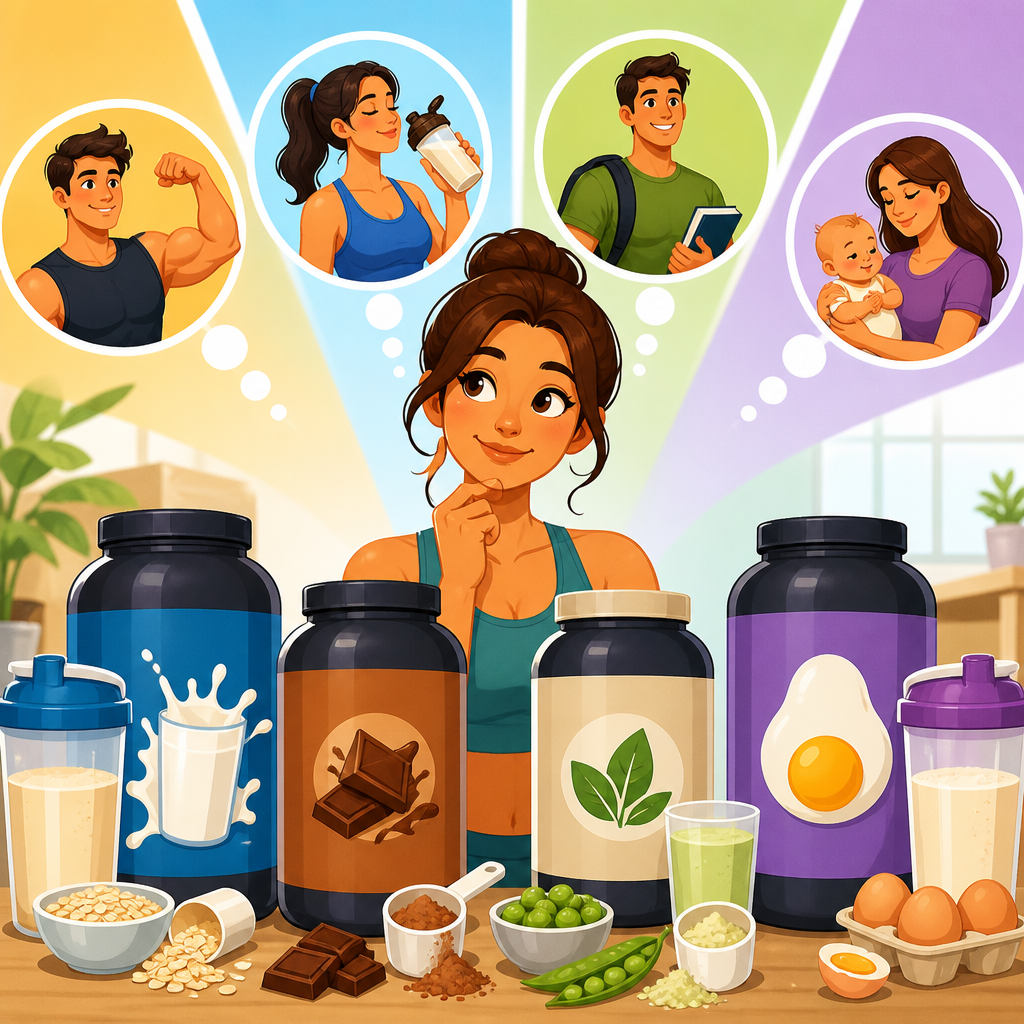
Protein powders can be useful, convenient tools, but choosing the right one depends on your goals, digestion, diet pattern, and how you plan to use it day to day. In simple terms, protein powder is a concentrated source of dietary protein made from milk, eggs, or plants, then processed into a powder that mixes into shakes, oats, yogurt, or recipes. I have worked with athletes, busy professionals, and older adults who all used protein powders for different reasons, and the biggest mistake I see is treating every tub as interchangeable. They are not. The source, amino acid profile, digestibility, sweetness system, and quality testing all matter. This guide explains the main types of protein powders, how to compare labels, who benefits most, and how to decide which formula fits your needs within a broader Supplements & Nutraceuticals plan.
Why does this matter? Because protein supports muscle protein synthesis, recovery, satiety, immune function, and healthy aging, yet many people fall short of their daily intake target, especially at breakfast and after training. Research commonly places total protein needs for active adults around 1.2 to 2.0 grams per kilogram of body weight, with higher intakes often useful during calorie deficits, hard training blocks, injury recovery, or aging. Protein powder is not nutritionally mandatory, and whole foods should remain the foundation, but it can solve practical problems quickly: getting 25 grams of protein after a workout, improving a low-protein breakfast, or adding protein when appetite is low. The right product should be effective, tolerable, safe, and realistic to use consistently, not just impressive on the front label.
What protein powder does and when it actually helps
Protein powder helps most when convenience is the limiting factor, not when motivation alone is the issue. A scoop of whey in a shaker bottle can deliver roughly 20 to 30 grams of high-quality protein in less than a minute, which is why it is so popular after strength training. That convenience matters because muscle repair and adaptation depend on total daily protein intake and meal distribution. A practical target for many adults is about 20 to 40 grams of protein per meal, enough to support muscle protein synthesis, especially when the protein source contains sufficient leucine. Whey typically reaches that leucine threshold efficiently, which is one reason sports dietitians use it so often.
Still, timing is secondary to total intake. If someone consistently eats enough protein from meat, fish, dairy, eggs, soy foods, beans, and grains, protein powder adds little beyond convenience. I often recommend it for people who skip breakfast, train early, travel often, struggle to eat after exercise, or need an easy way to increase intake without much food volume. It can also be helpful for older adults with reduced appetite, because preserving lean mass becomes harder with age. In contrast, if a person is already getting enough protein and calories, adding shakes on top of that may simply increase energy intake without adding meaningful benefit.
Whey, casein, egg, soy, pea, and more: how the main types compare
The best protein powder starts with the source. Whey protein, derived from milk, is the most studied and usually the easiest recommendation for people who tolerate dairy. It is rapidly digested, rich in essential amino acids, and particularly high in leucine, the amino acid most associated with triggering muscle protein synthesis. Whey concentrate usually contains more lactose and a bit more fat and carbohydrate; whey isolate is more filtered, typically higher in protein by weight, and lower in lactose; whey hydrolysate is partially broken down and can digest quickly, though it often costs more and may taste more bitter. For many active adults, a basic whey isolate offers the best balance of effectiveness, tolerance, and price.
Casein, also a milk protein, digests more slowly because it forms a gel in the stomach. That slower release can improve satiety and makes casein useful between meals or before bed. It is not inferior for muscle support; it is simply different in digestion speed. Egg white protein is dairy-free and has a strong amino acid profile, though it is usually less creamy and often more expensive. Soy protein is the standout among plant proteins because it is complete, meaning it provides all nine essential amino acids in useful amounts. Pea protein is another strong option and works well in blends, especially when paired with rice protein to improve methionine balance. Hemp, pumpkin, and collagen powders have niche uses, but they are not equivalent substitutes for whey or soy if your main goal is muscle support, because their amino acid profiles are less optimal.
| Protein type | Best for | Main strengths | Potential drawbacks |
|---|---|---|---|
| Whey isolate | Post-workout, general use | High leucine, low lactose, mixes easily | Dairy-based, not vegan |
| Casein | Satiety, evening use | Slow digestion, thick texture | Dairy-based, can feel heavy |
| Egg white | Dairy-free users | Complete protein, good digestibility | Cost, thinner taste profile |
| Soy isolate | Vegan muscle support | Complete protein, strong evidence base | Soy allergy, flavor varies |
| Pea and rice blend | Vegan general use | Improved amino acid balance, allergen friendly | Texture can be gritty |
| Collagen | Joint or skin-focused stacks | Dissolves well, specific niche use | Incomplete for muscle building |
How to read a protein powder label like a professional
A good label tells you more than the grams of protein on the front. Start with serving size, protein per serving, and protein source. Then check how much of the tub is actually protein by weight. A scoop that weighs 35 grams but contains only 20 grams of protein may include substantial fillers, flavor systems, or added carbohydrates. That is not automatically bad, but you should know what you are paying for. Next, review the ingredient list. Shorter is usually better: protein source, natural or artificial flavor, lecithin for mixing, perhaps salt, and a sweetener. A long list of gums, creamers, proprietary blends, and amino “spiking” ingredients deserves caution.
Amino spiking is a specific concern. Some low-quality products inflate nitrogen content by adding inexpensive amino acids such as glycine or taurine, making protein numbers appear stronger than the muscle-building value really is. Reputable brands avoid this and often provide a full amino acid breakdown. Third-party testing matters too. Look for seals from NSF Certified for Sport, Informed Sport, or USP where appropriate, especially if you are a competitive athlete concerned about banned substances. If the product makes aggressive claims about hormone optimization, detoxification, or miracle fat loss, that is usually a sign to move on. Reliable protein powders make modest claims because protein itself has a clear, well-established role.
Choosing by goal: muscle gain, fat loss, recovery, healthy aging, or convenience
Your goal should drive the formula. For muscle gain, prioritize a complete protein with adequate leucine and enough total daily calories. Whey isolate, whey concentrate, soy isolate, or a robust pea-rice blend can all work. For fat loss, the ideal powder is one you will actually use to replace lower-protein, less filling choices. Here, satiety, taste, and calorie efficiency matter more than marketing terms like “lean matrix.” A powder delivering 25 grams of protein for 120 to 150 calories is usually practical. Casein can help some people stay fuller longer, especially in shakes, pudding-style mixes, or Greek yogurt bowls.
For recovery, especially after repeated training sessions, rapid digestion and simplicity are useful, so whey isolate is often the default choice. For healthy aging, the emphasis shifts toward meeting per-meal protein targets consistently, because older adults can show reduced anabolic sensitivity. In practice, that means aiming for substantial protein at breakfast and lunch rather than saving most intake for dinner. A powder with 25 to 30 grams per serving can make that easier. For pure convenience, choose the option that tastes good, sits well in your stomach, and fits your budget. The physiologically perfect formula is worthless if it sits unopened in the pantry after two uses.
Digestive tolerance, allergies, and dietary preferences
Digestive comfort is often the deciding factor. People with lactose intolerance frequently do better with whey isolate than whey concentrate because the extra filtration reduces lactose, though tolerance varies by brand and serving size. A milk allergy is different from lactose intolerance; if you have a true milk allergy, avoid whey and casein altogether. Some users react not to the protein source but to sweeteners, sugar alcohols, gums, or high serving volumes. If a powder causes bloating, compare ingredient lists before assuming all protein powders are a problem.
For vegan diets, soy isolate remains one of the most evidence-backed choices, despite persistent myths about hormones. The research does not support the idea that moderate soy intake feminizes men or disrupts healthy hormone levels in the general population. Pea and rice blends are another strong option, and many now provide amino acid profiles designed to rival dairy proteins when total dose is sufficient. For low-FODMAP needs, simpler formulas with minimal additives are often easier to tolerate. If you have kidney disease, liver disease, or another medical condition requiring protein management, protein powder should be discussed with a clinician rather than added casually.
Common mistakes, quality concerns, and smart buying rules
The most common mistake is buying based on influencer hype instead of evidence and label quality. The second is ignoring serving economics. A premium-looking tub can seem reasonable until you calculate cost per 25 grams of protein. I advise clients to compare products on that basis, not by scoop count or container size. Another mistake is assuming “grass-fed,” “natural,” or “clean” automatically means better performance. These labels may matter to your values, sourcing preferences, or taste expectations, but they do not replace the basics: protein dose, amino acid quality, digestion, and independent testing.
Heavy metal concerns also deserve a balanced view, particularly with some plant-based powders. Contamination risk depends on sourcing, manufacturing controls, and batch testing, not just whether the product is plant or dairy based. This is another reason third-party certification matters. Finally, do not neglect food synergy. A shake alone is fine when speed matters, but in many situations it works better as part of a meal: whey blended with berries and oats after training, casein mixed into yogurt before bed, or pea protein stirred into oatmeal for a higher-protein breakfast. Good supplement use supports the diet; it does not replace basic nutrition skills.
Protein powder is most effective when it matches your physiology, preferences, and routine, not when it promises the biggest transformation. Start with your actual goal, then choose a source you digest well, a formula with transparent labeling, and a serving that helps you hit realistic daily protein targets. For most people, that means whey isolate if dairy is tolerated, soy isolate or a pea-rice blend for plant-based diets, and casein when satiety or slower digestion is useful. Check for third-party testing, compare cost per serving, and keep the ingredient list simple. Those steps eliminate most poor choices quickly.
The main benefit of understanding protein powders is confidence. You can stop guessing, stop overspending on flashy labels, and use a product that genuinely supports recovery, muscle maintenance, appetite control, or daily convenience. Whole foods still come first, but a well-chosen protein powder can make a good nutrition plan easier to execute consistently. As you build out your Supplements & Nutraceuticals strategy, use this hub as your starting point, then evaluate each product against the standards covered here: protein quality, tolerance, safety, and fit for purpose. Pick one option that suits your needs, use it for two weeks, and assess how well it works in real life.
Frequently Asked Questions
1. What is protein powder, and do most people actually need it?
Protein powder is a concentrated source of protein made from foods such as milk, eggs, peas, soy, rice, or other plant ingredients. It is designed to make protein intake easier and more convenient, especially for people who struggle to get enough through regular meals alone. In practice, it can be mixed into shakes, oatmeal, yogurt, smoothies, pancake batter, or other simple recipes, which is one reason it has become so popular with athletes, busy professionals, and older adults alike.
The most important thing to understand is that protein powder is a supplement, not a requirement. Many people can meet their needs through whole foods like Greek yogurt, eggs, cottage cheese, poultry, fish, tofu, beans, lentils, and meat. However, protein powder can be very useful when life gets busy, appetite is low, meal prep is inconsistent, or protein needs are higher than usual. For example, someone training hard in the gym, recovering from an injury, trying to preserve muscle while losing weight, or simply needing a quick breakfast may benefit from using it regularly.
The biggest mistake people make is assuming all protein powders are the same or that more is always better. The right product depends on your goals, digestion, diet pattern, and how you plan to use it day to day. If you already eat enough protein and enjoy balanced meals, you may not need a powder at all. But if convenience is the difference between consistently meeting your needs and falling short, a well-chosen protein powder can be a very practical tool.
2. How do I choose between whey, casein, egg, soy, pea, and other plant-based protein powders?
The best protein powder for you depends less on trends and more on fit. Whey protein is one of the most popular options because it is complete, high in leucine, and digests relatively quickly, making it a strong choice for post-workout recovery or anyone who wants an easy, effective all-purpose powder. Casein is also a milk-based complete protein, but it digests more slowly and has a thicker texture, which some people prefer for satiety, meal replacement smoothies, or evening use. Egg white protein is another high-quality complete protein and can work well for people who avoid dairy but still want an animal-based option.
Plant-based powders vary more. Soy protein is a complete protein and is often one of the strongest plant-based choices nutritionally. Pea protein is also popular because it is generally well tolerated and has a solid amino acid profile, though some formulas combine pea with rice protein or other plants to create a more balanced amino acid pattern and improve texture. Hemp, pumpkin seed, brown rice, and mixed plant blends are other options, but their taste, digestibility, and protein density can differ a lot from brand to brand.
If muscle recovery and performance are your top priorities, whey isolate or a well-formulated plant blend are often smart places to start. If fullness matters most, casein may be more satisfying. If you avoid dairy, egg white or plant-based products may be better. If you have a sensitive stomach, digestion matters just as much as the label on the front of the tub. In real life, the best powder is the one you tolerate well, enjoy enough to use consistently, and that helps you hit your protein target without making your routine harder.
3. Which protein powder is best for muscle gain, weight loss, or healthy aging?
Different goals can shift what makes a protein powder “best,” even though the core job of the product stays the same: helping you meet your daily protein needs. For muscle gain, the priority is usually total protein intake, amino acid quality, and consistency. Whey protein is often favored because it is rich in essential amino acids and supports muscle protein synthesis effectively. A high-quality soy or blended plant protein can also work very well, especially when total daily intake is adequate. For muscle gain, the powder itself is not magic; it simply helps make it easier to consume enough protein alongside resistance training and enough calories overall.
For weight loss, the best protein powder is often the one that helps control hunger, preserves lean muscle, and fits easily into a calorie-conscious eating pattern. That might mean a lower-calorie whey isolate, a thicker casein powder that feels more filling, or a plant-based blend used in a smoothie with fruit and fiber-rich ingredients. The key is using it strategically. A protein shake can help replace a skipped meal, improve breakfast quality, or keep you from reaching for less satisfying snacks, but it works best when it supports an overall balanced diet rather than acting as a shortcut.
For healthy aging, protein becomes especially important because maintaining muscle mass supports strength, mobility, balance, recovery, and independence. Older adults often benefit from convenient protein options because appetite may decrease or full meals may become harder to manage consistently. In that case, a smooth, easy-to-digest powder mixed into yogurt, oatmeal, or a shake can be incredibly practical. The ideal choice is usually one that is complete, easy on digestion, and simple to use every day. No matter the goal, it is less about finding a “perfect” powder and more about choosing one that helps you consistently meet your protein needs in a realistic way.
4. How can I tell if a protein powder will upset my stomach or cause bloating?
Digestive comfort is one of the most overlooked parts of choosing a protein powder. A product may look impressive on the label, but if it causes bloating, cramping, gas, or nausea, it is not the right fit for you. One common issue is lactose. Some people do fine with whey concentrate, while others feel much better using whey isolate, which is typically lower in lactose, or switching to a non-dairy option altogether. Casein can also be harder for some individuals to tolerate, especially if they are sensitive to dairy proteins in general.
Ingredients beyond the protein source can also create problems. Sugar alcohols, gums, thickening agents, artificial sweeteners, and large doses of added fiber can all affect digestion differently from person to person. Plant-based powders are not automatically easier on the stomach either. Some people tolerate pea protein very well, while others notice bloating from certain blends or added ingredients. This is why reading the full ingredient list matters just as much as comparing grams of protein per scoop.
If you have a sensitive stomach, start simple. Choose a product with a short ingredient list, moderate serving size, and minimal extras. Try half a serving first, mix it with water or a basic liquid, and see how you feel before adding other ingredients. It can also help to think about when and how you are using it. A shake slammed down quickly after a hard workout may feel very different from the same powder blended into yogurt or oats. If digestion is consistently an issue, switching protein type, reducing portion size, or changing the formula often makes a big difference. The goal is not just hitting a number on paper; it is finding a product your body handles well enough to use regularly.
5. What should I look for on the label when buying a high-quality protein powder?
A smart label check can help you avoid disappointment and choose a protein powder that actually matches your needs. First, look at the protein amount per serving. Many good products provide around 20 to 30 grams per scoop, but the exact amount matters less than how it fits into your daily intake. Next, identify the protein source clearly. Is it whey concentrate, whey isolate, micellar casein, egg white, soy isolate, pea protein, or a plant blend? Knowing this tells you a lot about digestibility, texture, and how the product may fit your preferences.
Then review the ingredient list. In general, shorter and simpler is better, especially if you are sensitive to additives. Check for added sugars, sugar alcohols, heavy flavor systems, gums, fillers, and proprietary blends that do not fully disclose what you are getting. If you are choosing a plant-based powder, it can be helpful to see whether it combines multiple protein sources to improve amino acid balance. If you care about third-party testing, certifications for quality and purity can also add confidence, particularly for competitive athletes or anyone who wants extra reassurance about contaminants and label accuracy.
Finally, think beyond the nutrition panel. Taste, texture, mixability, cost per serving, and how you actually plan to use it matter more than people realize. A powder that is nutritionally excellent but gritty, overly sweet, or difficult to digest often ends up sitting in the cabinet. The highest-quality option is not always the most expensive or the most heavily marketed. It is the one that gives you a reliable amount of protein, fits your dietary needs, feels good in your body, and is practical enough to become part of your routine consistently.