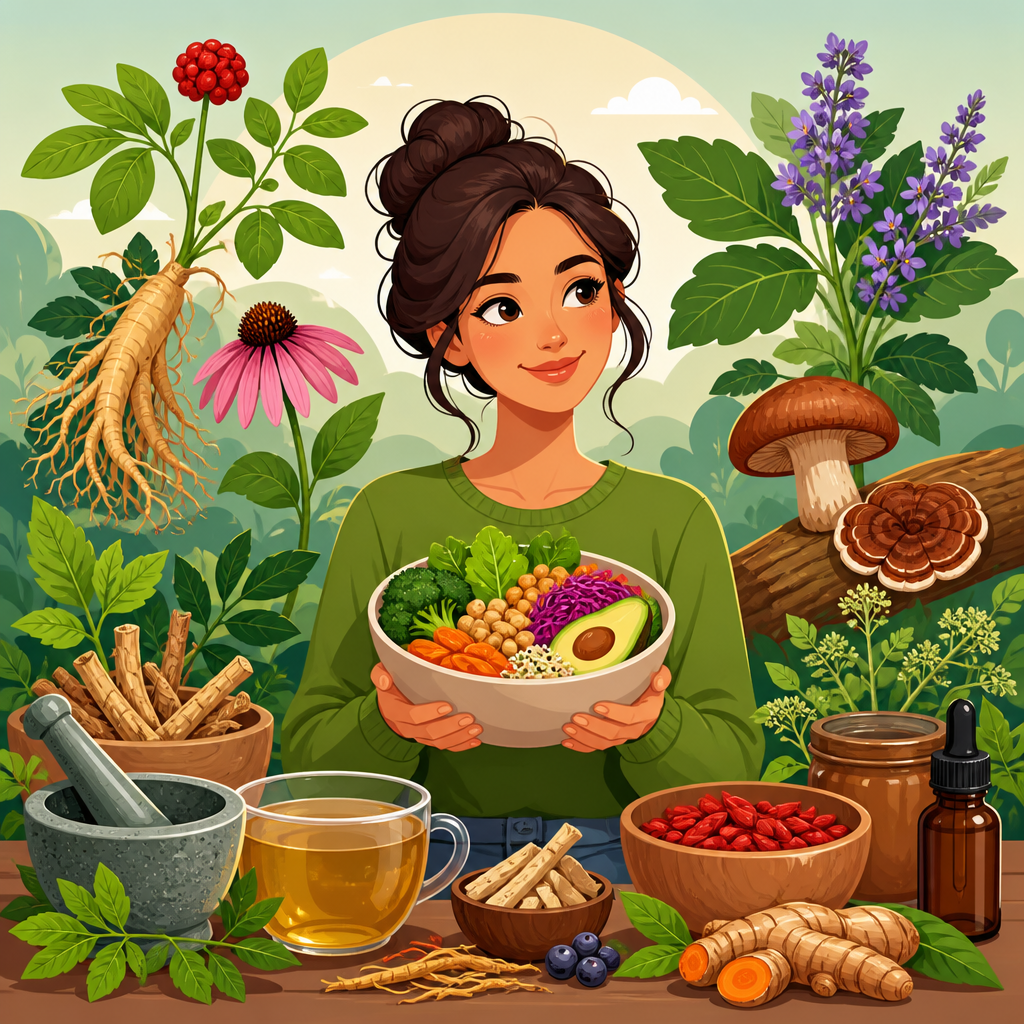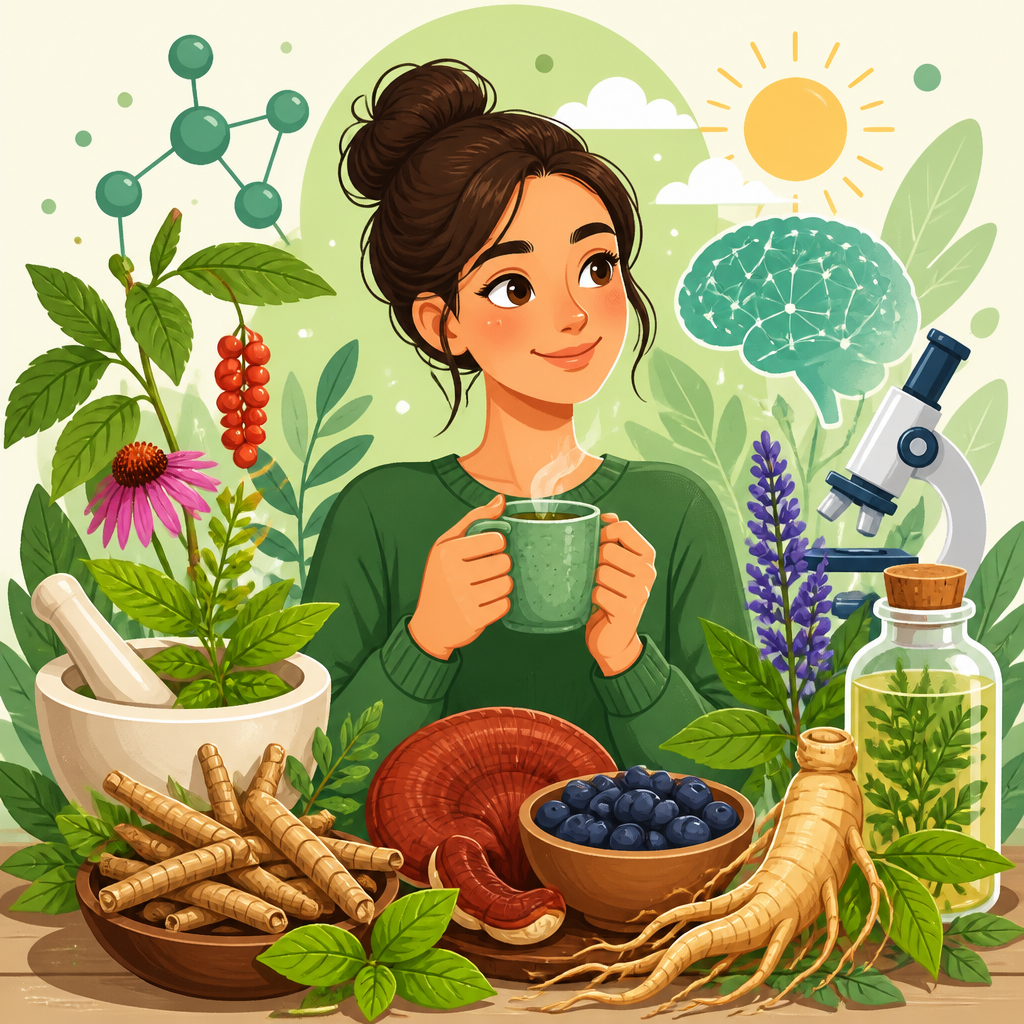
Adaptogens and herbal nutrition sit at the intersection of traditional healing and modern functional food science, offering a practical way to think about how plants may support stress resilience, energy, cognition, immunity, and metabolic balance. In nutrition terms, adaptogens are botanicals believed to help the body maintain homeostasis under physical, mental, or environmental stress, while herbal nutrition refers more broadly to the use of whole herbs, extracts, teas, powders, and food-like plant preparations for measurable health effects. This matters because consumers increasingly reach for ashwagandha, rhodiola, ginseng, turmeric, holy basil, medicinal mushrooms, and similar products not as pharmaceuticals, but as daily wellness tools. In my experience reviewing supplement formulations and research summaries, the biggest challenge is separating plausible benefits from marketing claims. Some herbs do have meaningful evidence behind them, but efficacy depends on the exact species, plant part, extraction method, dose, duration, and the outcome being measured. A capsule labeled “ginseng” or “mushroom blend” tells you very little by itself. Science also does not treat all adaptogens equally. A few, such as Panax ginseng, Rhodiola rosea, Withania somnifera, and Eleutherococcus senticosus, have been studied for decades, while many newer products rely on tradition first and human trials second. For anyone building a superfoods and functional foods routine, understanding this category is useful because herbs can influence sleep quality, perceived stress, exercise recovery, blood glucose, inflammation, and drug metabolism. They can also be overused, poorly standardized, or mismatched to individual needs. A sound overview starts with definitions, mechanisms, evidence quality, and safety, then moves into practical selection criteria. That broader perspective is what makes this topic a hub rather than a narrow ingredient profile.
What adaptogens are and how they are supposed to work
The term adaptogen emerged in mid twentieth century pharmacology to describe substances that increase nonspecific resistance to stress while exerting a normalizing effect on physiology. Modern researchers still debate the boundaries of the term, but most evidence-based discussions focus on herbs that appear to modulate stress signaling rather than simply stimulate or sedate. The hypothalamic-pituitary-adrenal axis is central here. When stress rises, cortisol and related hormones help the body respond. Chronic activation, however, can impair sleep, mood, glucose regulation, immune function, and recovery. Adaptogenic herbs are proposed to influence this network, along with neurotransmitters, inflammatory mediators, and cellular energy systems such as mitochondrial function and AMP-activated protein kinase signaling. That does not mean they “fix” every problem caused by stress. It means some may reduce the physiological cost of stress exposure.
Mechanistically, several adaptogens contain bioactive compounds with identifiable actions. Withania somnifera provides withanolides studied for effects on cortisol, anxiety scores, and sleep outcomes. Rhodiola rosea contains rosavins and salidroside, compounds associated with fatigue resistance and mental performance under strain. Panax ginseng contains ginsenosides that may influence nitric oxide production, glucose handling, immune pathways, and cognitive processes. Tulsi, or holy basil, contains eugenol, rosmarinic acid, and other constituents with antioxidant and immunomodulatory activity. These mechanisms are plausible, but herbs are chemically complex, so benefits rarely come from a single compound. Whole extracts may behave differently from isolated constituents, and different extraction ratios can change the clinical effect substantially.
A critical point for readers of any adaptogens and herbal nutrition guide is that “natural” does not equal mild or universally beneficial. Some adaptogens are best viewed as biologically active tools. If you choose the wrong herb, use too much, or combine it with medications without checking interactions, the result can be headaches, digestive upset, overstimulation, sedation, or altered drug levels. Science supports selective use, not indiscriminate stacking.
What science says about the main benefits people seek
The most common question is simple: what benefits are actually supported by research? The strongest evidence overall relates to perceived stress, fatigue, sleep quality, and selected aspects of cognitive performance, though effects are usually moderate rather than dramatic. Ashwagandha has some of the clearest contemporary human evidence. Multiple randomized controlled trials have reported reductions in stress and anxiety scores, lower cortisol in some participants, and modest improvements in sleep. Benefits tend to appear after several weeks, not overnight, and studies often use standardized root extract rather than raw powder. Rhodiola is frequently studied for stress-related fatigue, mental endurance, and performance during demanding tasks. Results are mixed but promising, especially for people under acute strain such as shift workers, students, or clinicians during intensive schedules. Panax ginseng has broader though uneven evidence, including potential support for fatigue, immune response, erectile function, glucose metabolism, and cognition, but outcomes vary by product quality and study design.
Immunity is another major reason people use herbal nutrition. Here nuance matters. Adaptogens do not simply “boost” the immune system, a phrase that is biologically imprecise. Better evidence suggests some herbs modulate immune function. For example, ginseng has been evaluated for reducing the incidence or duration of respiratory infections in some populations, though findings are not uniform. Medicinal mushrooms such as reishi, cordyceps, and lion’s mane are often discussed alongside adaptogens because of their polysaccharides and beta-glucans, yet each has a different evidence base. Reishi is more associated with immune modulation and fatigue, cordyceps with exercise tolerance and perceived energy, and lion’s mane with cognitive and nerve-related outcomes. None should be presented as a cure or substitute for medical treatment.
Inflammation and metabolic health are also relevant. Turmeric, especially concentrated curcumin paired with absorption enhancers such as piperine or formulated phospholipids, has substantial research for inflammatory pain and joint comfort. It is not classically grouped with core adaptogens, but it belongs in herbal nutrition because consumers often build routines around both stress and inflammation support. Cinnamon, fenugreek, and berberine-containing herbs are frequently used for blood glucose management, although berberine functions more like a potent botanical compound than a general wellness herb and deserves medication-level caution. When readers ask whether these products work, the best answer is yes, some can help specific goals, but benefits are context dependent and usually adjunctive to sleep, diet quality, exercise, and medical care.
Evidence by herb: what stands out, what is limited
A practical hub article should distinguish among major herbs instead of treating the category as one thing. The table below summarizes how leading options compare in real-world use and in the current literature.
| Herb | Primary studied benefits | Key active compounds | Best-supported use case | Main cautions |
|---|---|---|---|---|
| Ashwagandha | Stress reduction, sleep, anxiety, recovery | Withanolides | Chronic stress with poor sleep | May affect thyroid markers; avoid careless use in pregnancy |
| Rhodiola rosea | Fatigue, mental performance, stress resilience | Rosavins, salidroside | Stress-related tiredness and cognitive fatigue | Can feel stimulating; quality varies widely |
| Panax ginseng | Energy, cognition, immune modulation, glucose support | Ginsenosides | General vitality and fatigue support | Possible interaction with anticoagulants and diabetes drugs |
| Holy basil | Stress, mood, glycemic support, inflammation | Eugenol, rosmarinic acid | Gentle daily stress support | May interact with blood-thinning or glucose-lowering therapies |
| Eleuthero | Endurance, fatigue, resilience | Eleutherosides | Physical and mental endurance support | Not interchangeable with true ginseng |
| Lion’s mane | Cognitive support, nerve health | Hericenones, erinacines | Focus and long-term brain health interest | Evidence stronger for early signals than firm conclusions |
Ashwagandha is often the first recommendation for people who feel wired, tired, and unable to recover. In practice, I have seen better results when users take a standardized extract consistently for eight to twelve weeks rather than switching brands every few days. Rhodiola is different. It is often better suited to people who feel depleted but still need alertness, such as those facing deadline pressure or demanding training blocks. Panax ginseng can be useful, but sourcing is crucial because red ginseng, white ginseng, and fermented preparations are not identical. Holy basil tends to be gentler and easier to integrate as tea or capsules. Lion’s mane attracts interest for cognition, yet readers should know that evidence is still developing, with small human studies and stronger mechanistic than clinical certainty. That distinction helps set realistic expectations.
Quality, dosing, and how to choose products that are worth buying
The benefits of adaptogens and herbal nutrition depend heavily on quality control. This is where many shoppers go wrong. A good product identifies the full botanical name, plant part, extraction ratio or standardization, serving size, and independent testing. For example, “ashwagandha root extract standardized to withanolides” is more informative than “proprietary stress blend.” Standardization matters because trial outcomes are tied to measurable chemistry. If a study used a defined extract and your supplement uses a different preparation, you cannot assume the same result. Third-party testing from organizations such as NSF, USP, ConsumerLab, or informed sport certification can reduce the risk of adulteration, contamination, or label inaccuracy.
Dose is equally important. Underdosing is common in trendy blends that scatter ten ingredients into one capsule. Effective ranges differ by herb and extract. Ashwagandha trials often use standardized extracts in the hundreds of milligrams per day. Rhodiola studies commonly use lower milligram amounts but require a product standardized for rosavins and salidroside. Ginseng dosing varies significantly by species and extract concentration. Tea, tincture, powder, and capsule forms are not directly equivalent. Food-first readers should know that culinary use can still have value, especially for tulsi or turmeric, but concentrated outcomes from studies often come from extracts rather than kitchen-level amounts.
Timing also changes the experience. Ashwagandha is frequently taken in the evening or split across the day when the goal is calmer mood or sleep support. Rhodiola and ginseng are often taken earlier because some people find them energizing. Cycling is sometimes suggested, but there is no universal rule. Instead, it is better to define the goal, choose one herb, use a clinically relevant dose, and track outcomes such as sleep latency, stress scores, training recovery, or afternoon fatigue over a month. That method is far more reliable than chasing a subjective “boost” after a single serving.
Safety, interactions, and who should be careful
Herbal products are not risk free, and safety is where responsible guidance matters most. Pregnant or breastfeeding individuals should avoid assuming an herb is safe without clinician review because reproductive safety data are often limited. People with autoimmune disease, thyroid disorders, liver disease, bipolar disorder, bleeding risk, or diabetes should be especially cautious, since some herbs may alter immune activity, hormone markers, mood stability, coagulation, or glucose control. Ashwagandha has been linked in rare reports to liver injury and may influence thyroid lab values. Ginseng can interact with warfarin and may affect blood pressure or blood sugar. St. John’s wort, while not an adaptogen, is a textbook example of why herb-drug interactions matter; it induces drug-metabolizing enzymes and can reduce the effectiveness of many medications. That same interaction mindset should be applied across herbal nutrition.
Adverse effects can also come from contamination. Independent testing has repeatedly found some herbal products with heavy metals, undeclared pharmaceuticals, or botanical substitution. This is one reason standardized single-ingredient products from reputable manufacturers often outperform flashy blends in both safety and reliability. Another issue is expectation mismatch. If someone has severe insomnia, major depression, panic disorder, anemia, sleep apnea, or overtraining syndrome, an herb may help at the margins but should not delay diagnosis and treatment. The best use of adaptogens is supportive, targeted, and monitored, especially when symptoms are persistent or complex.
How to use adaptogens and herbal nutrition in a functional foods routine
The smartest way to use this category is to match the herb to the problem, keep the routine simple, and anchor everything to fundamentals. If stress and poor sleep are dominant, a standardized ashwagandha product or tulsi tea may fit better than a stimulating blend. If the issue is daytime fatigue with cognitive overload, rhodiola or ginseng may be more appropriate. If the goal is broader anti-inflammatory support, turmeric makes more sense than forcing every need into the adaptogen label. Functional foods work best when they are layered onto adequate protein, fiber, hydration, regular movement, and sleep hygiene. Herbs are multipliers, not replacements.
As a hub for superfoods and functional foods, this topic connects naturally to related areas: medicinal mushrooms, anti-inflammatory spices, nootropic foods, gut-supportive botanicals, and evidence-based supplement quality. Readers who go deeper should compare delivery forms, understand standardization language, and learn which claims come from human trials versus cell or animal studies. The central takeaway is straightforward. Adaptogens and herbal nutrition can offer real benefits for stress resilience, energy, cognition, immune modulation, and recovery when the herb is well chosen, well sourced, and used with realistic expectations. They are most useful when treated as precise tools rather than magical cure-alls. Start with one evidence-backed herb, verify quality, track a clear outcome, and involve a qualified clinician if you take medications or manage a chronic condition.
Frequently Asked Questions
What are adaptogens, and how are they different from general herbal nutrition?
Adaptogens are a specific category of botanicals traditionally used to help the body adapt to stress and maintain internal balance, also called homeostasis. In practical terms, these herbs are often discussed for their potential to support resilience during periods of physical strain, mental overload, poor sleep, environmental stress, or demanding lifestyles. Well-known examples include ashwagandha, rhodiola, eleuthero, schisandra, and holy basil. What makes adaptogens distinct is not that they target one isolated symptom, but that they are thought to influence broad stress-response systems, including the nervous, endocrine, and immune systems.
Herbal nutrition is a wider concept. It includes adaptogens, but also covers culinary herbs, medicinal teas, whole-plant powders, concentrated extracts, and food-like botanicals used to support many aspects of health. For example, ginger may be used for digestion, turmeric for inflammatory balance, garlic for cardiometabolic support, and chamomile for relaxation. These are not always classified as adaptogens, even though they may still have meaningful nutritional or functional benefits.
From a scientific perspective, the distinction matters because adaptogens are usually studied in the context of stress physiology, fatigue, cognitive performance under pressure, and stress-related quality-of-life outcomes. Herbal nutrition, by contrast, may be evaluated through broader nutrition and phytochemistry research, such as antioxidant capacity, polyphenol content, metabolic effects, gut interactions, or micronutrient contributions. So while the two categories overlap, adaptogens refer to a more specialized stress-support framework, whereas herbal nutrition includes the broader role of plants in everyday wellness and functional nutrition.
What does science actually say about the benefits of adaptogens for stress, energy, and focus?
The scientific picture is promising but nuanced. Research on adaptogens suggests that some herbs may offer measurable benefits for stress perception, fatigue, mental performance, and overall well-being, especially in people dealing with chronic stress or high workload. Ashwagandha is one of the most studied examples and has been associated in clinical trials with reductions in perceived stress and, in some cases, lower cortisol levels. Rhodiola has been investigated for mental fatigue, endurance, and cognitive performance under stress, with some studies suggesting it may help reduce exhaustion and improve concentration. Panax ginseng has also been studied for energy, cognition, and immune-related outcomes.
That said, the evidence is not uniformly strong across all herbs or all health claims. Many studies are small, use different extracts and dosages, or vary in duration and participant health status. This makes it difficult to generalize results or compare one herb directly with another. Science does not support the idea that adaptogens are miracle cures, instant stimulants, or substitutes for sleep, balanced nutrition, exercise, or medical care. Their effects, when present, are often subtle, cumulative, and dependent on consistent use, formulation quality, and the individual’s baseline stress level and overall health.
Another important point is that adaptogens do not all work the same way. Some appear more calming and stress-buffering, such as ashwagandha and holy basil, while others are often described as more energizing or performance-supportive, such as rhodiola or ginseng. This is one reason the term “adaptogen” can be oversimplified in marketing. The more evidence-based view is that certain herbs may support aspects of stress resilience, energy regulation, and cognitive function, but their benefits are context-specific and best understood as part of a larger lifestyle and nutrition strategy.
How might adaptogens work in the body according to modern research?
Modern research suggests that adaptogens may influence multiple biological systems involved in the stress response rather than acting through a single pathway. One of the main areas of interest is the hypothalamic-pituitary-adrenal, or HPA, axis, which helps regulate how the body responds to stress. Some adaptogens appear to modulate this system, potentially helping the body mount a more balanced response to ongoing stressors instead of remaining in a prolonged high-alert state. This may partly explain why certain herbs are studied for perceived stress, fatigue, mood, and recovery.
Researchers also look at effects on neurotransmitters, inflammation, oxidative stress, mitochondrial function, and immune signaling. Plant compounds such as polyphenols, terpenes, saponins, alkaloids, and glycosides may contribute to these actions. For example, some herbs may help support alertness and stamina by influencing energy metabolism or stress-related fatigue, while others may promote a sense of calm by interacting with pathways involved in relaxation and emotional regulation. Some adaptogens are also being studied for their potential to support immune balance, especially under conditions where chronic stress may negatively affect immune function.
Importantly, “work in the body” does not mean they override normal physiology. The defining concept behind adaptogens is modulation rather than forceful stimulation or sedation. In theory, they help the body respond more appropriately to stress, but this remains an area of active research rather than settled fact. Human biology is complex, and effects can vary based on dose, preparation, genetics, age, diet, sleep, training status, medication use, and the type of stress involved. That is why high-quality clinical research remains essential. The mechanistic theories are compelling, but the strongest conclusions should still come from well-designed human studies, not just lab data.
Are adaptogens and herbal nutrition safe for everyone?
Not necessarily. Many adaptogens and commonly used herbs are generally well tolerated when used appropriately, but “natural” does not automatically mean risk-free. Safety depends on the specific herb, the dose, the extract strength, the duration of use, the quality of the product, and the individual taking it. Some people may experience side effects such as digestive upset, headache, sleep changes, jitteriness, or excessive drowsiness, depending on the herb involved. In addition, concentrated extracts can behave very differently from a mild tea or a whole-herb powder.
Drug-herb interactions are one of the most important concerns. Some botanicals may affect blood pressure, blood sugar, thyroid function, blood clotting, immune activity, or liver enzyme pathways involved in medication metabolism. That means people taking antidepressants, anti-anxiety medications, diabetes drugs, blood thinners, thyroid medications, immune-suppressing therapies, or stimulant medications should be particularly cautious. Pregnant or breastfeeding individuals, children, older adults with complex medical conditions, and anyone preparing for surgery should also get professional guidance before using adaptogenic or therapeutic herbs.
Quality control matters too. The herbal supplement market can vary widely in potency, purity, and authenticity. A well-formulated, standardized product from a reputable company is very different from a poorly sourced supplement with inconsistent active compounds or contamination risks. Ideally, consumers should look for transparent labeling, third-party testing, and clear identification of the plant species, plant part used, and extract ratio or standardization details. The safest approach is to treat herbal products with the same seriousness as any other health intervention: choose quality carefully, start thoughtfully, monitor how you respond, and consult a qualified healthcare professional when there are medical questions or existing conditions involved.
What is the best way to use adaptogens as part of a balanced nutrition and wellness routine?
The best way to use adaptogens is as a complement to foundational health habits, not as a replacement for them. Science supports the idea that stress resilience, energy stability, metabolic health, and cognitive performance are shaped primarily by sleep, dietary quality, physical activity, social connection, and stress-management practices. Adaptogens may be helpful additions within that larger framework, especially for people looking for targeted support during stressful periods, demanding work cycles, intense training, or recovery from burnout-like fatigue. But they tend to work best when the basics are already in place.
It is also important to match the herb to the goal. Someone seeking a calmer response to daily stress might explore herbs commonly associated with relaxation and stress support, while someone dealing with fatigue or mentally demanding tasks might consider herbs more often studied for stamina and focus. Delivery form matters as well. Teas and culinary uses may offer gentle daily support, while powders, tinctures, and standardized extracts are often chosen when a more defined therapeutic effect is the goal. Consistency is usually more important than expecting a dramatic first-day result.
A practical strategy is to start with one herb at a time, use a reputable product, and track changes in energy, mood, sleep, focus, digestion, and stress tolerance over several weeks. This makes it easier to tell whether something is actually helping. It is also wise to avoid stacking multiple formulas too quickly, since that can make effects and side effects harder to interpret. Most importantly, adaptogens should be used with realistic expectations. The evidence suggests they may support the body’s ability to cope with stress and maintain balance, but they are not shortcuts around lifestyle habits or individualized medical care. When used thoughtfully, they can fit well into a broader herbal nutrition approach that emphasizes whole-person health, functional foods, and evidence-informed self-care.