Fermented foods and gut health belong at the center of any balanced diet because they connect daily eating habits with digestion, immunity, metabolism, and even mood. Fermentation is the process by which beneficial microorganisms such as Lactobacillus, Bifidobacterium, and certain yeasts transform sugars and starches into acids, gases, and other compounds that preserve food and change its nutritional profile. Gut health refers to the condition of the gastrointestinal tract, especially the balance of microbes in the intestines, the strength of the intestinal barrier, and the efficiency of digestion and immune signaling. When these two ideas are understood together, the reason they matter becomes clear: fermented foods can help support a healthy gut ecosystem, and a healthy gut influences how well the body uses nutrients from the rest of the diet.
I have seen this repeatedly when reviewing food logs and meal patterns: people often focus on protein, calories, or vitamins while overlooking the microbial side of nutrition. Yet the gut microbiome is not a fringe concept. It is a complex community made up of trillions of microorganisms that interact with fiber, polyphenols, and fermented foods to produce short-chain fatty acids, regulate inflammation, and help train immune responses. Research published in journals including Cell, Nature, and Gut has shown that dietary patterns rich in plant diversity and fermented foods are associated with more favorable microbial activity and lower inflammatory markers. A balanced diet is therefore not just nutritionally complete on paper; it also needs to support the living system inside the digestive tract.
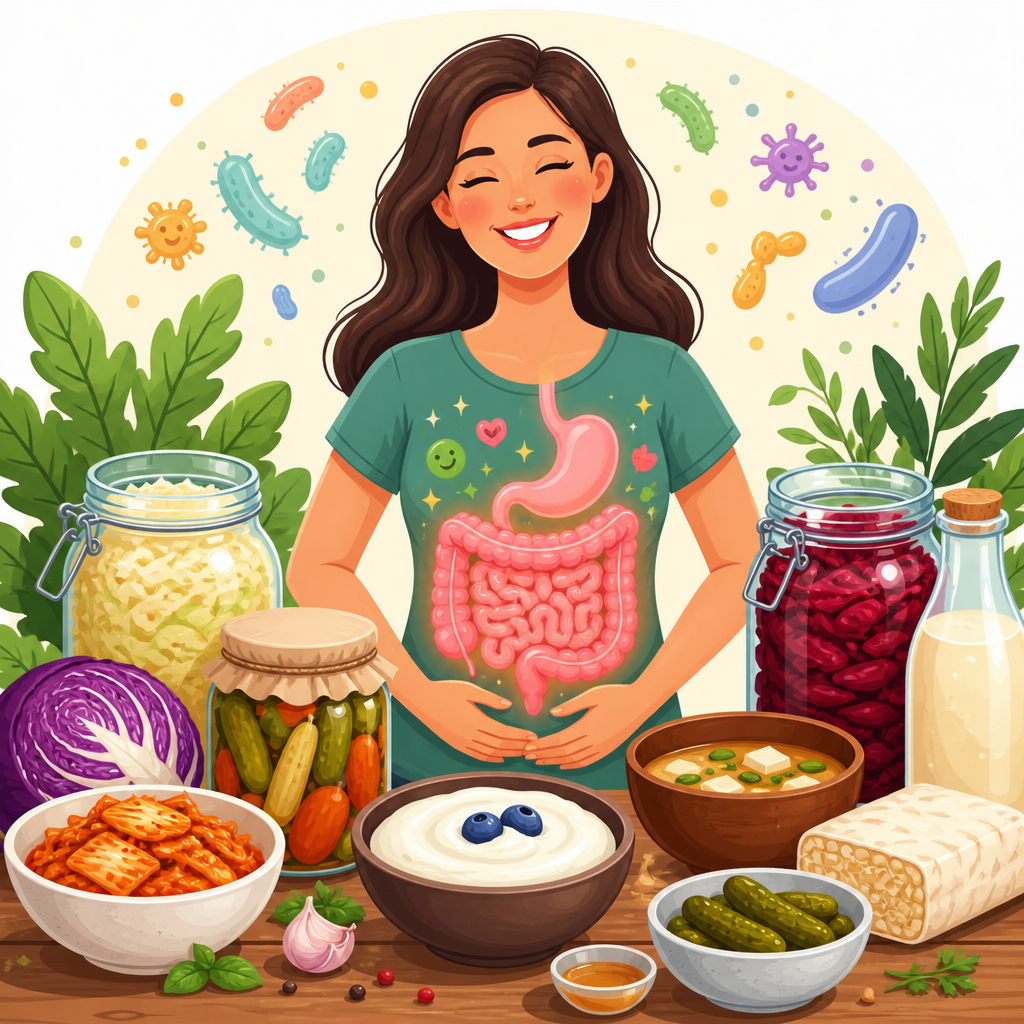
Fermented foods matter because they offer benefits that ordinary processed foods do not. During fermentation, microbes can break down lactose, reduce certain antinutrients, produce bioactive peptides, and create organic acids that improve flavor and preservation. Foods such as yogurt, kefir, kimchi, sauerkraut, miso, tempeh, and traditionally fermented pickles can add beneficial organisms or fermentation byproducts that support digestive function. Not every fermented product contains live cultures by the time it is eaten, and not every person responds the same way, but these foods consistently offer more than taste alone. As a hub topic within superfoods and functional foods, fermented foods and gut health deserve a broad, practical explanation that covers mechanisms, examples, limits, and everyday use.
How fermented foods support the gut microbiome
Fermented foods support the gut in three main ways: they may deliver live microorganisms, they contain metabolites created during fermentation, and they can make nutrients easier to absorb. A simple example is yogurt with live active cultures. In many people, the bacteria in yogurt help digest lactose, which is why some individuals who struggle with milk tolerate yogurt better. Kefir goes further, typically containing a wider range of bacteria and yeasts. In practice, I have found kefir especially useful for people who want a versatile fermented food because it can be added to smoothies, used in dressings, or consumed on its own without much meal planning.
Kimchi and sauerkraut illustrate another mechanism. These fermented vegetables contribute lactic acid bacteria and provide fiber that feeds resident gut microbes. That combination matters. Microbes introduced through food do not always colonize the gut long term, but they can still interact with the existing microbiota, influence pH, and contribute useful compounds while passing through. Fermentation also produces substances such as lactic acid, bacteriocins, and peptides that can shape the gut environment. This is one reason traditionally fermented foods often affect digestion differently from shelf-stable products that were pasteurized after fermentation.
The best-known gut benefit is microbial diversity support. In a widely discussed Stanford study, adults who increased fermented food intake over several weeks showed greater microbiome diversity and reductions in multiple inflammatory markers. That does not mean fermented foods solve every digestive issue, but it does show a measurable physiological effect. Diversity is valuable because low-diversity microbiomes are often associated with less resilient gut ecosystems. The practical takeaway is straightforward: small, regular servings of varied fermented foods are more useful than occasional large amounts.
Key fermented foods and what each one contributes
Not all fermented foods do the same job, so a balanced diet benefits from variety. Yogurt provides protein, calcium, and live bacteria when labeled with active cultures. Kefir typically contains more microbial strains and may be easier to digest because fermentation reduces lactose further. Sauerkraut and kimchi supply fermented vegetables plus fiber, though sodium can be high. Miso contributes fermentation-derived compounds and savory depth, but many miso soups are heated enough that live microbes may be reduced. Tempeh is especially valuable because it combines fermentation with a high-protein soy matrix, making it useful in plant-forward diets.
Traditional fermented foods across cultures reinforce the same principle. In Japan, natto offers Bacillus subtilis and vitamin K2, though its texture is polarizing. In Eastern Europe, kefir and cultured dairy have long histories of supporting food preservation and digestion. In Korea, kimchi appears in meals not as a health fad but as a daily staple integrated with grains, legumes, and vegetables. In India, fermented batters for idli and dosa improve digestibility and flavor. These examples matter because gut-supportive eating patterns tend to work best when they fit existing food culture rather than feeling like medical treatment.
| Food | Main contribution | What to check before buying |
|---|---|---|
| Yogurt | Protein, calcium, live cultures | Unsweetened, live active cultures listed |
| Kefir | Broad culture range, lower lactose | Plain version, minimal added sugar |
| Kimchi | Fermented vegetables, fiber, acids | Refrigerated, unpasteurized if live cultures desired |
| Sauerkraut | Lactic acid bacteria, fiber | Raw refrigerated varieties, not vinegar-only slaw |
| Tempeh | Fermented soy protein, firmer texture | Simple ingredient list, moderate sodium |
| Miso | Fermented soybean paste, umami flavor | Traditional varieties, lower sodium options if needed |
Choosing well matters because many products marketed as fermented are not microbiologically equivalent. Pickles preserved in vinegar are acidic but not necessarily fermented. Sweetened yogurt can contain more added sugar than dessert. Shelf-stable sauerkraut may have been heat treated, which can reduce live organisms. Reading labels is therefore part of gut-health literacy. Look for phrases such as “live active cultures,” refrigeration requirements, and short ingredient lists without heavy stabilizers or excessive sugar.
Why fermented foods matter for digestion, immunity, and metabolism
The strongest reason fermented foods and gut health are essential for a balanced diet is that the gut affects far more than digestion. Around 70 percent of immune tissue is associated with the gastrointestinal tract, and immune cells constantly sample what passes through the gut. A healthy intestinal barrier helps keep harmful substances from crossing into circulation while allowing nutrients to be absorbed. Fermented foods can support this system indirectly by influencing microbial composition and directly through fermentation compounds that interact with gut cells. This does not replace medical treatment for gastrointestinal disease, but it is highly relevant to everyday health maintenance.
Digestion is the most immediate area where people notice effects. Fermented dairy can be easier for some people with lactose intolerance. Fermented soy foods may be less difficult to digest than unfermented versions because microbes alter proteins and carbohydrates. People with occasional bloating sometimes tolerate small servings of cultured foods well, especially when introduced gradually with meals. At the same time, some individuals with histamine intolerance, active irritable bowel syndrome, or sensitivity to FODMAPs may react poorly to certain fermented foods. Balanced guidance must include that limitation. Helpful does not mean universally tolerated.
Metabolic health is another important angle. The gut microbiome participates in energy harvest, blood sugar response, bile acid metabolism, and signaling related to appetite. Fermented foods are not magic metabolic regulators, but they can improve diet quality when they displace ultra-processed snacks or sugary condiments. For example, replacing a sugary dessert yogurt with plain Greek yogurt and berries improves protein intake, lowers added sugar, and adds live cultures. Swapping processed deli meat sides for a modest serving of kimchi or sauerkraut can increase flavor complexity while broadening the microbial profile of the meal. These are small decisions, yet they accumulate over time.
How to add fermented foods to a balanced diet safely and effectively
The most effective approach is gradual, consistent, and paired with fiber-rich whole foods. Fermented foods work best in an environment where beneficial microbes also have fuel, which means vegetables, legumes, whole grains, nuts, seeds, and fruit should remain foundational. Start with one serving a day, such as plain yogurt at breakfast, kefir in a smoothie, or a few forkfuls of sauerkraut with lunch. After a week or two, add variety rather than simply increasing quantity. In practice, rotation works better than overloading one product because different foods provide different microbial exposures and nutrients.
Meal design matters. Yogurt combined with oats, chia, and berries pairs live cultures with prebiotic fibers and polyphenols. Tempeh with brown rice, broccoli, and sesame creates a balanced plate with protein, fiber, and fermentation benefits. Miso can enrich soups with umami, but adding it after the broth cools slightly may preserve more live cultures. Kimchi alongside eggs and rice gives a simple meal acidity, texture, and microbial complexity. These combinations are useful because they make fermented foods part of normal eating rather than isolated wellness products.
Safety deserves attention. People who are immunocompromised, pregnant, or managing significant gastrointestinal disease should use reputable commercial products and seek individualized advice before making major changes. Home fermentation can be excellent, but it must follow evidence-based food safety practices: correct salt concentration, clean equipment, proper temperatures, and monitoring for spoilage. More is not always better. Large portions can aggravate bloating or add excessive sodium, especially with kimchi, miso, and sauerkraut. For most adults, moderation and diversity are the reliable strategy.
Common myths, limitations, and what evidence actually supports
One common myth is that all fermented foods are automatically probiotic. That is false. Probiotic means the organisms are alive when consumed, identified, and shown to confer a health benefit in adequate amounts. Some fermented foods contain live microbes but are not formally characterized as probiotic products. Another myth is that fermented foods can “heal the gut” on their own. Gut health depends on sleep, stress regulation, exercise, medication exposure, fiber intake, and overall dietary pattern. Fermented foods are powerful tools, but they are one part of a larger system.
Another point often missed is that evidence quality varies by food, strain, and outcome. Strong evidence supports yogurt for lactose digestion and a generally favorable role for fermented foods in dietary patterns linked to microbial diversity. Evidence is less definitive when people claim that a specific jar of kimchi or kombucha will treat anxiety, autoimmune disease, or obesity. Those claims move beyond the data. As someone who has worked through many nutrition case reviews, I can say the best results come when expectations are realistic and habits are sustainable: consistent servings, low added sugar, enough fiber, and attention to individual tolerance.
Fermented foods and gut health are essential for a balanced diet because they bring nutrition, microbiology, and food tradition together in one practical habit. They can support digestion, contribute beneficial microbes and metabolites, and improve the quality and variety of everyday meals. They also encourage a broader view of health, where what feeds the gut ecosystem matters as much as calories or macros. The key lessons are simple: choose minimally processed fermented foods, read labels carefully, introduce them gradually, and pair them with plant-rich meals. If you want to build a stronger foundation under your diet, start this week with one fermented food you enjoy and make it a regular part of your plate.
Frequently Asked Questions
1. Why are fermented foods considered so important for gut health?
Fermented foods are important for gut health because they can help support the balance and diversity of microorganisms living in the digestive tract, often called the gut microbiome. During fermentation, beneficial bacteria and yeasts break down sugars and starches into compounds such as lactic acid, which helps preserve food and may make it easier to digest. Common fermented foods like yogurt, kefir, sauerkraut, kimchi, miso, tempeh, and traditionally fermented pickles can introduce helpful microbes or beneficial byproducts into the diet, depending on how the food is made and whether it contains live cultures.
A healthy gut microbiome plays a central role in digestion, nutrient absorption, immune regulation, and even communication with the brain. This is why gut health is often linked not only to digestive comfort, but also to energy levels, inflammation, metabolism, and mood. When you regularly include fermented foods in a balanced diet, you may help create an environment in which beneficial bacteria can thrive. That matters because the gut is where much of the body’s immune activity begins, and where fiber is broken down into short-chain fatty acids that support the intestinal lining and overall metabolic health.
Fermented foods should not be viewed as a quick fix, but rather as one part of a long-term dietary pattern that supports the digestive system. Their greatest value often comes when they are combined with fiber-rich foods such as vegetables, fruits, legumes, whole grains, nuts, and seeds. Fiber acts as fuel for beneficial gut microbes, while fermented foods may help reinforce microbial balance. Together, they can support a more resilient digestive system and make fermented foods a meaningful part of a balanced diet.
2. What happens during fermentation, and how does it change the nutritional value of food?
Fermentation is a natural process in which microorganisms such as Lactobacillus, Bifidobacterium, and certain yeasts transform carbohydrates into acids, gases, alcohols, and other compounds. This process has been used for centuries to preserve food, improve flavor, and enhance texture. In practical terms, fermentation is what gives yogurt its tang, kimchi and sauerkraut their acidity, kefir its complexity, and tempeh its firm, sliceable structure.
From a nutritional standpoint, fermentation can make foods more digestible and may increase the availability of certain nutrients. The microorganisms involved can partially break down proteins, sugars, and other compounds before you even eat the food. This may reduce digestive discomfort for some people, especially when compared with the unfermented version of the same food. Fermentation can also produce beneficial substances such as organic acids, enzymes, and bioactive compounds that may support gut and metabolic health.
Another important change is that fermentation can lower the levels of naturally occurring compounds sometimes called antinutrients, such as phytates in certain plant foods. Lower phytate levels may improve the absorption of minerals like iron, zinc, and magnesium. In some fermented dairy products, lactose is partially broken down, which is one reason some people who are sensitive to lactose tolerate yogurt or kefir better than milk. Overall, fermentation does more than preserve food. It can meaningfully alter the nutritional profile in ways that support digestion, nutrient use, and the broader goal of maintaining a balanced diet.
3. Can fermented foods improve digestion, immunity, and mood?
Yes, fermented foods may support all three, although the effects vary from person to person and depend on the overall quality of the diet. In terms of digestion, fermented foods can help by contributing beneficial microbes and fermentation byproducts that support the intestinal environment. Some people notice improvements in regularity, less bloating, or better tolerance of certain foods when they include fermented options consistently and in moderate portions. The exact effect depends on the food, whether it contains live cultures, and how well it fits into the individual’s digestive needs.
Immune health is closely tied to the gut because a large share of the body’s immune activity is connected to the gastrointestinal tract. A healthy gut lining and a balanced microbiome help the body distinguish between harmless substances and potential threats. Fermented foods may help reinforce this balance by supporting beneficial bacteria and promoting compounds that maintain the integrity of the gut barrier. While fermented foods are not a substitute for medical treatment or a cure for illness, they can be part of an eating pattern that helps the immune system function more effectively over time.
The connection to mood is especially interesting and increasingly recognized. The gut and brain communicate through what is known as the gut-brain axis, a network involving nerves, hormones, immune signals, and microbial metabolites. When the gut microbiome is well supported, it may influence the production and regulation of neurotransmitters and other signaling compounds tied to stress response and emotional well-being. This does not mean fermented foods directly treat anxiety or depression, but it does highlight why gut health matters beyond digestion alone. Including fermented foods as part of a nutrient-dense, balanced diet may help support a healthier internal environment that benefits both body and mind.
4. What are the best fermented foods to include in a balanced diet?
The best fermented foods are the ones you enjoy, tolerate well, and can include consistently. Yogurt with live active cultures is one of the most accessible choices because it provides beneficial bacteria along with protein, calcium, and other nutrients. Kefir is another excellent option, often containing a wider variety of microorganisms than standard yogurt. For plant-based choices, sauerkraut, kimchi, miso, tempeh, and fermented vegetables can all make valuable additions to meals. Traditionally fermented pickles and some cultured cottage cheeses may also be useful, depending on the product.
It is important to read labels carefully because not every food marketed as fermented still contains live cultures. Some products are pasteurized after fermentation, which can reduce or eliminate live microorganisms. Others may be high in added sugar or sodium, which is worth considering in the context of your overall diet. The healthiest approach is usually to choose minimally processed options with simple ingredients and to pair them with whole foods. For example, yogurt with fruit and seeds, tempeh in a grain bowl, or kimchi alongside beans and vegetables can create a meal that supports both microbial balance and nutritional adequacy.
Variety also matters. Different fermented foods contain different strains of microbes and distinct nutritional benefits. Dairy-based ferments may offer protein and calcium, soy-based ferments like tempeh and miso bring plant protein and unique compounds, and vegetable ferments add flavor, acidity, and often helpful phytochemicals. Rather than relying on a single food, try rotating several types across the week. This helps build a balanced eating pattern that supports the gut while also keeping meals interesting and sustainable.
5. How can someone start eating fermented foods safely and effectively?
The best way to start is slowly. If fermented foods are new to your diet, begin with small portions, such as a few spoonfuls of yogurt, kefir, sauerkraut, or kimchi, and pay attention to how your body responds. Some people experience temporary gas or bloating when increasing fermented foods, especially if their diet has previously been low in fiber or low in probiotic-rich foods. Starting with modest amounts gives the digestive system time to adjust and makes it easier to identify which foods feel best.
It also helps to think about fermented foods as additions to meals rather than standalone health products. Add kefir to breakfast, use yogurt as a snack, include tempeh in a stir-fry, or serve a small portion of sauerkraut or kimchi with lunch or dinner. Pairing fermented foods with fiber-rich foods is especially effective because fiber nourishes beneficial microbes already living in the gut. This combination supports a healthier and more stable digestive ecosystem than fermented foods alone.
People with certain medical conditions should be more cautious. Those with histamine intolerance, highly sensitive digestive systems, or compromised immunity may need personalized guidance from a healthcare professional. In addition, homemade fermented foods should be prepared using safe food handling practices to reduce the risk of contamination. For most people, however, introducing quality fermented foods gradually and consistently is a practical, evidence-informed way to support gut health. When combined with whole foods, hydration, sleep, and regular physical activity, fermented foods can play a meaningful role in building a balanced diet that supports digestion, immunity, metabolism, and overall well-being.