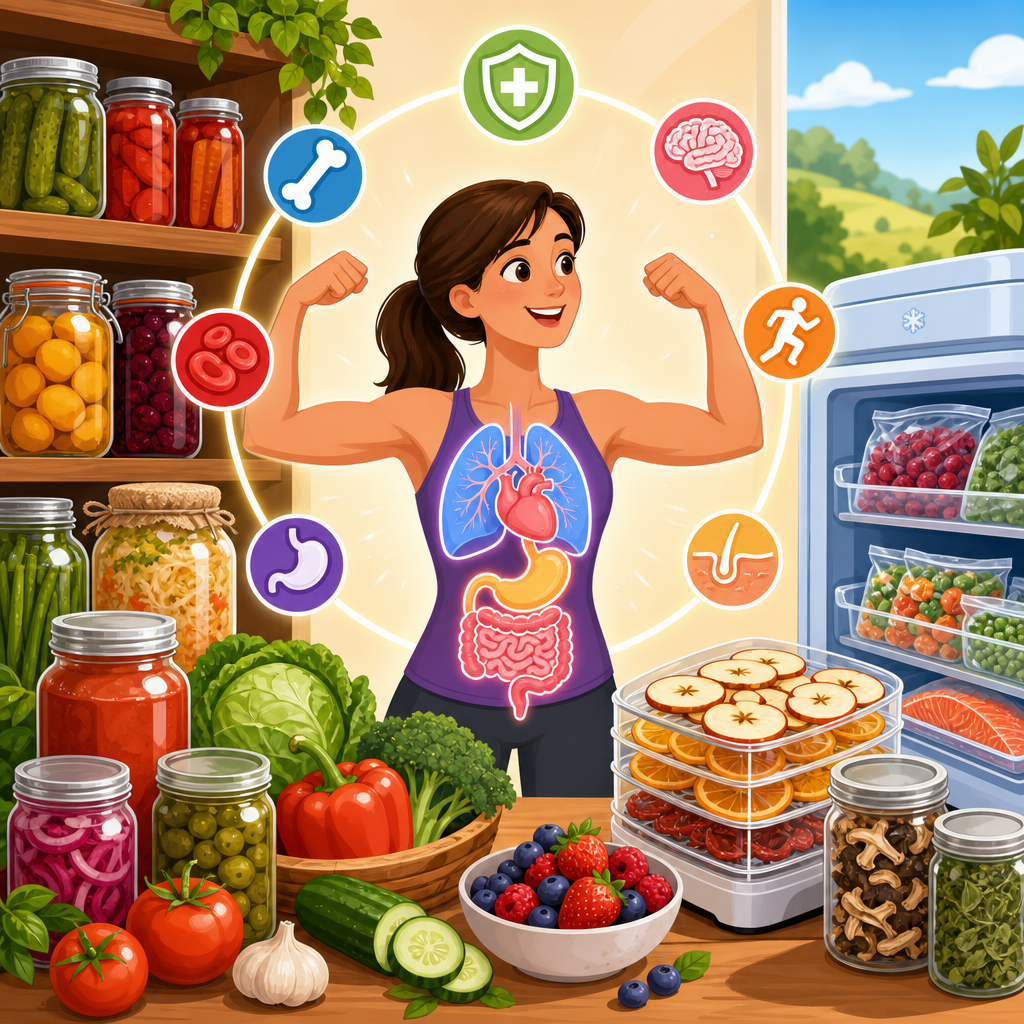
Food preservation and nutrient retention shape far more than shelf life; they directly influence how well your body produces energy, repairs tissue, supports immunity, balances hormones, and protects long-term health. Food preservation means slowing spoilage caused by microbes, enzymes, oxygen, moisture loss, or temperature swings. Nutrient retention refers to how much of a food’s original vitamins, minerals, protein quality, healthy fats, fiber, and beneficial plant compounds remain available by the time you eat it. As someone who has worked with storage protocols, kitchen process design, and nutrition-focused meal systems, I have seen a simple truth repeatedly: preserving food well is not only about waste reduction or convenience. It is a practical strategy for keeping the nutrients your body depends on intact from harvest to plate.
This matters because food begins changing immediately after harvest, slaughter, or preparation. Vitamin C can decline during storage, fats can oxidize, texture can break down, and microbial risks can rise when temperature control fails. At the same time, the right preservation method can protect or even improve nutritional value in useful ways. Frozen vegetables often retain nutrients better than fresh produce that spends a week in transport and refrigeration. Fermented foods can support digestion through organic acids and live cultures. Canning can make beans, fish, and tomatoes safe, stable, and highly usable, although heat-sensitive vitamins may drop. Drying extends access to fruit, herbs, and grains, but concentration changes serving size and sugar density. These are not minor details. They affect how efficiently your body gets the raw materials needed for blood formation, nerve signaling, muscle contraction, and cellular defense.
For a sub-pillar hub within Food Science and Sustainability, this topic sits at the intersection of public health, household economics, supply chain resilience, and everyday nutrition. When people ask what food preservation and nutrient retention actually do for the body, the answer is straightforward: they help maintain reliable access to safe, nutrient-dense foods that support core physiological functions. Understanding the major preservation methods, the nutrients most at risk, and the preparation habits that protect quality gives you a framework for smarter choices at home and across the food system.
Why preservation matters for the body’s essential functions
Your body requires a continuous supply of macronutrients and micronutrients to keep basic systems running. Carbohydrates and fats fuel cells. Protein supplies amino acids for enzymes, antibodies, hormones, and muscle repair. Vitamins and minerals act as cofactors in energy metabolism, oxygen transport, nerve conduction, bone maintenance, and immune defense. Preservation matters because if food spoils or its nutrient profile degrades before consumption, your body receives less of what it needs even when calorie intake looks adequate.
Take immune support as an example. Vitamins A, C, D, E, zinc, selenium, iron, and protein all contribute to normal immune function. If leafy greens wilt and lose vitamin C, oils go rancid and lose quality, or animal foods are stored poorly and become unsafe, the practical result is reduced nutrient availability and higher illness risk. The same logic applies to energy production. B vitamins, magnesium, iron, and copper help convert food into usable energy. Preservation methods that protect these nutrients support metabolic efficiency, especially in households that rely on stored staples between shopping trips.
Preserved foods also stabilize dietary quality during seasonal gaps, weather disruptions, and budget constraints. Frozen berries in winter, canned salmon when fresh fish is expensive, dried beans in the pantry, and fermented vegetables with meals all extend nutritional access. That stability supports consistent intake, which matters more for health outcomes than occasional ideal meals.
How different preservation methods affect nutrient retention
No preservation method is universally best. Each one changes food chemistry, safety, texture, and nutrient profile differently. Refrigeration slows microbial growth and enzymatic activity, making it one of the most effective short-term tools for retaining freshness. However, cold storage is not a freeze-frame. Salad greens still respire, fruit continues to ripen, and some vitamins gradually decline. Freezing, by contrast, dramatically slows deterioration. Commercially frozen produce is often blanched first to inactivate enzymes, then frozen quickly. That blanching can reduce some water-soluble vitamins, but the overall nutrient retention is often excellent because the food is preserved near peak ripeness and held stable.
Canning uses heat to destroy pathogens and create shelf-stable foods. It is critical for low-acid foods such as beans, soups, and meats when performed to recognized safety standards. Heat processing can reduce vitamin C and folate, yet it may improve the bioavailability of some compounds. Tomatoes are the classic example: heating can increase accessible lycopene, a carotenoid linked with cellular protection. Drying removes moisture to inhibit microbial growth and is effective for grains, legumes, fruit, mushrooms, herbs, and jerky. The tradeoff is that oxidation and heat exposure can reduce certain vitamins, while sugars and calories become more concentrated by weight.
Fermentation is distinct because it preserves through beneficial microbes, acid production, and biochemical transformation. Yogurt, kefir, kimchi, sauerkraut, miso, tempeh, and traditional pickles all show how fermentation can extend shelf life and modify digestibility. Depending on the food and process, fermentation may increase certain B vitamins, reduce anti-nutrients such as phytates, and support the gut environment. Vacuum sealing and modified atmosphere packaging reduce oxygen exposure and slow spoilage, especially for meats, cheeses, coffee, and produce, but they do not replace temperature control. In practice, choosing a method depends on the food, the nutrient priority, and how quickly the item will be eaten.
Nutrients most vulnerable during storage and cooking
The nutrients most likely to decline are usually the ones most sensitive to heat, oxygen, light, water, and time. Vitamin C is the clearest example. It is easily lost during prolonged storage, chopping, soaking, and high-heat cooking. Folate and thiamin are also vulnerable, especially in foods cooked in excess water. Riboflavin can degrade with light exposure, which is why opaque packaging matters for some dairy products. Unsaturated fats, including omega-3 fatty acids, can oxidize when exposed to heat, air, and repeated frying cycles. Oxidation does not simply change flavor; it reduces quality and can create undesirable compounds.
Minerals are generally more stable than vitamins, but they can be lost through leaching into cooking liquid or reduced absorption depending on the food matrix. Protein usually survives preservation well, although texture and digestibility can change. Fiber remains relatively stable in most preserved plant foods, which is one reason frozen vegetables, canned beans, and dried fruit can still make meaningful contributions to digestive and metabolic health.
| Method | Main benefit | Nutrient concern | Best example |
|---|---|---|---|
| Refrigeration | Slows spoilage short term | Gradual vitamin loss over time | Leafy greens, milk, berries |
| Freezing | Preserves quality near harvest | Blanching may lower some vitamins | Peas, spinach, fish fillets |
| Canning | Long shelf life and safety | Heat-sensitive vitamins can decline | Beans, tomatoes, salmon |
| Drying | Reduces moisture and waste | Oxidation and nutrient concentration shifts | Lentils, apricots, herbs |
| Fermentation | Extends storage through acidity | Sodium may be high in some foods | Yogurt, kimchi, tempeh |
Cooking and storage should be viewed together, not separately. A perfectly fresh vegetable can still lose value if boiled too long, while a frozen one can deliver more usable nutrition when steamed quickly. I often advise people to focus less on the idealized notion of “fresh only” and more on total nutrient retention across the full timeline from purchase to eating.
How preserved foods support energy, immunity, digestion, and recovery
Preserved foods support key body functions when they make nutrient intake more consistent, safe, and practical. For energy metabolism, stored staples such as oats, brown rice, lentils, canned beans, and frozen vegetables provide carbohydrates, fiber, iron, magnesium, and B vitamins that help convert food into usable energy. For muscle maintenance and recovery, canned tuna, salmon, sardines, Greek yogurt, frozen edamame, and shelf-stable milk can supply high-quality protein, calcium, vitamin D, and omega-3 fats. These foods are especially useful when schedules are busy and fresh ingredients would otherwise spoil before use.
For digestion, fermented foods and fiber-rich preserved plants play different but complementary roles. Fermented dairy and vegetables may contribute live cultures or fermentation products that support the intestinal environment, while canned beans, frozen broccoli, and dried prunes provide fermentable fiber that nourishes beneficial gut microbes. Better gut function can influence regularity, satiety, glycemic control, and even aspects of immune signaling.
For immunity and tissue repair, preservation can widen access to nutrient-dense foods year-round. Frozen citrus segments in smoothies, canned tomatoes in soups, and frozen peppers in stir-fries help maintain intake of carotenoids, vitamin C, and polyphenols. Canned fish with bones supports calcium intake for bone health. Frozen shellfish and lean meats can supply zinc, selenium, and complete protein. In community nutrition work, I have repeatedly seen preserved foods improve dietary consistency for families managing tight budgets, limited transport, or irregular work hours. The benefit is not abstract. It shows up in real meal patterns that are easier to maintain.
Best practices for maximizing nutrient retention at home
The most effective way to maximize nutrient retention is to match the food with the right storage and preparation method. Buy realistic quantities, because unused fresh produce is a larger nutrient loss than buying frozen from the start. Keep refrigerators at or below 40°F and freezers at 0°F, following food safety guidance from the USDA and FDA. Store oils, nuts, and whole grains away from heat and light to reduce rancidity. Use airtight containers to limit oxygen exposure, especially for leftovers and cut produce.
When preparing vegetables, wash before cutting when possible, minimize soaking, and use quick methods such as steaming, microwaving, sautéing, or pressure cooking rather than prolonged boiling. If you do boil vegetables, reuse the cooking liquid in soups or sauces to recover leached nutrients. For frozen produce, cook directly from frozen when appropriate; repeated thawing can damage texture and increase drip loss. For canned foods, choose low-sodium options when available and rinse beans if you want to lower sodium further, understanding that a small amount of water-soluble nutrient loss may occur.
Rotation matters too. First in, first out storage prevents forgotten items from degrading. Label leftovers with dates. Freeze herbs in oil, batch-cook grains, portion soups, and preserve excess produce before it declines. These habits reduce food waste while protecting quality. The broader lesson is simple: nutrient retention depends as much on household systems as on the original food itself.
Sustainability, access, and smarter food choices
Food preservation and nutrient retention are central to sustainability because they reduce losses across farms, factories, retail shelves, and home kitchens. The Food and Agriculture Organization has long estimated that a large share of food produced globally is lost or wasted. When nutritious food spoils, the waste includes not just calories but also water, energy, fertilizer, labor, packaging, and transport emissions embedded in that product. Preservation extends usability, making it easier to eat what is purchased and distribute food beyond harvest peaks.
Smart choices do not require choosing one format over another. A resilient kitchen often combines fresh, frozen, canned, dried, and fermented foods. Fresh produce is excellent when you can use it promptly. Frozen is often the best backup for nutrient retention and convenience. Canned foods provide affordability and emergency readiness. Dried staples offer low-cost protein and long storage. Fermented foods add variety and functional benefits. The strongest nutritional pattern is usually a mixed system designed around actual life, not ideals.
Food preservation and nutrient retention support your body’s key functions by protecting access to safe, usable nutrition over time. They help preserve the vitamins, minerals, protein, fats, and fiber needed for energy production, immune defense, digestion, tissue repair, and long-term health. They also reduce waste, strengthen food security, and make healthy eating more practical in real households. If you want better nutrition with less waste, start by reviewing how you store, cook, and rotate the foods you already buy, then build meals around preserved options that keep both safety and nutrient quality high.
Frequently Asked Questions
What is the difference between food preservation and nutrient retention, and why do both matter for health?
Food preservation and nutrient retention are closely related, but they are not the same thing. Food preservation is the set of methods used to slow or prevent spoilage from bacteria, mold, yeast, enzymes, oxidation, moisture loss, and temperature changes. This includes techniques such as refrigeration, freezing, drying, fermenting, canning, vacuum sealing, and proper storage. Nutrient retention refers to how much of a food’s original nutritional value remains intact and available to your body after harvesting, processing, cooking, transporting, and storage.
Both matter because your body depends on a steady supply of usable nutrients to carry out its key functions. Carbohydrates, fats, and proteins support energy production and tissue repair. Vitamins and minerals help regulate immunity, hormone activity, fluid balance, nerve signaling, bone strength, and cell protection. If food spoils, it can become unsafe to eat. If nutrients are significantly lost, the food may still fill you up, but it may not support your body as effectively. In other words, preservation protects safety and usability, while nutrient retention protects nutritional impact.
When these two factors work together, food can remain both safe and beneficial for longer periods. For example, freezing vegetables soon after harvest can help preserve vitamin content better than allowing fresh produce to sit for too long during transport or storage. Likewise, proper storage of healthy fats can reduce oxidation, helping retain their value for hormone production, brain health, and inflammation balance. The goal is not just to make food last longer, but to make sure it continues to support the body’s systems in meaningful ways.
How does nutrient retention support energy production, tissue repair, and immune function?
Your body constantly uses nutrients to produce energy, rebuild tissues, and defend against illness, so retaining those nutrients in food has a direct effect on how well these processes work. Energy production relies on more than calories alone. B vitamins help convert carbohydrates, fats, and proteins into usable energy. Minerals such as magnesium and iron support oxygen transport and cellular energy pathways. If foods lose significant amounts of these nutrients during poor storage or overprocessing, your body may not get the same functional benefit from what you eat.
Tissue repair depends heavily on protein quality and the availability of essential amino acids, along with nutrients such as zinc, vitamin C, and certain healthy fats. These support collagen formation, wound healing, muscle recovery, and the maintenance of skin and connective tissue. Preserving the structure and quality of proteins is especially important in foods like legumes, dairy, eggs, fish, and meats. Improper storage can affect texture, safety, and nutrient integrity, reducing how useful those foods are for rebuilding the body.
Immune function also depends on nutrient density being preserved over time. Vitamins A, C, D, and E, along with zinc, selenium, iron, and beneficial plant compounds, help regulate immune cell activity and antioxidant defenses. Fermented foods may also support gut health, which plays a major role in immune balance. When nutrient retention is prioritized, foods do more than satisfy hunger; they help the body maintain resilience, recover from stress, and respond effectively to everyday demands. This is why preservation and retention are so important for overall wellness, not just convenience.
Do preserved foods lose all of their nutritional value compared with fresh foods?
No, preserved foods do not automatically lose all of their nutritional value, and in many cases they remain highly nutritious. This is one of the biggest misunderstandings about food preservation. While some nutrients are sensitive to heat, light, oxygen, and time, many preserved foods still provide substantial amounts of vitamins, minerals, protein, fiber, and healthy fats. In some situations, preserved foods can even be nutritionally comparable to, or better than, so-called fresh foods that have spent long periods in transit or sitting on store shelves.
For example, frozen fruits and vegetables are often processed soon after harvest, which can help lock in nutrients at a peak stage. Canned beans retain protein, fiber, iron, and other minerals well, while offering convenience and a long shelf life. Fermented foods may introduce beneficial compounds and support digestive health. Dried foods can still provide concentrated minerals, fiber, and phytonutrients, although some heat-sensitive vitamins may be reduced. The nutritional outcome depends on the food itself, the preservation method used, and how the product is stored and prepared afterward.
It is also important to remember that consistent access to safe, usable, nutrient-containing food supports health far better than idealizing freshness in a way that leads to waste or limited intake. Preserved foods can make it easier to maintain a balanced diet year-round, especially when fresh options are expensive, unavailable, or prone to spoilage. The smartest approach is to combine fresh and properly preserved foods, choosing options with minimal added sugar, sodium, or unnecessary additives when possible.
Which preservation methods best protect nutrients and support the body’s long-term health?
Different preservation methods protect different nutrients, so there is no single best option for every food. That said, some methods are especially effective at balancing safety, shelf life, and nutrient retention. Freezing is often one of the strongest choices for preserving many vitamins, minerals, and plant compounds in fruits, vegetables, seafood, and some prepared foods. Because freezing slows microbial growth and enzymatic activity, it helps maintain both quality and nutritional value over time.
Refrigeration is essential for short-term preservation of perishable foods such as dairy, meats, leftovers, and produce. It does not stop spoilage completely, but it slows it enough to help maintain food safety and quality. Drying can work well for herbs, fruits, legumes, and grains, especially when moisture removal is controlled carefully. Fermentation offers unique benefits by preserving food while also creating acids or beneficial microbes that may support digestion and immune health. Canning can extend shelf life dramatically and preserve many core nutrients, though some heat-sensitive vitamins may decline during processing.
From a long-term health perspective, the most supportive preservation method is one that keeps food safe, reduces waste, and preserves meaningful nutritional value without adding excessive harmful ingredients. For example, frozen vegetables, plain yogurt, canned fish, fermented vegetables, properly stored whole grains, and dry beans can all play valuable roles in a health-supportive diet. Variety matters because each food and method contributes different nutrients. The best strategy is not to rely on one preservation style, but to use a mix of methods that helps you consistently eat nutrient-dense foods in practical, affordable ways.
What practical steps can help maximize nutrient retention from purchase to plate?
Maximizing nutrient retention starts well before cooking. First, buy foods from sources with good turnover so products spend less time sitting in storage. Choose produce that looks vibrant and undamaged, store perishables promptly, and keep your refrigerator and freezer at proper temperatures. Moisture, air exposure, heat, and light all speed nutrient loss in different ways, so using airtight containers, resealing packages carefully, and storing foods according to their needs can make a real difference.
Preparation methods matter too. Washing produce before use rather than soaking it for long periods can help reduce nutrient loss. Cutting foods into very small pieces far in advance may increase oxidation, especially for vitamin-sensitive produce. Cooking with minimal water and for appropriate times can help preserve water-soluble vitamins like vitamin C and some B vitamins. Steaming, microwaving, sautéing, and quick cooking methods often support better nutrient retention than prolonged boiling. For fats and oils, avoiding repeated overheating helps protect beneficial fatty acids from damage.
It is also helpful to think about nutrient retention in terms of the whole meal pattern. Using frozen vegetables when fresh ones might spoil, rotating pantry staples before they age too much, and storing nuts, seeds, and oils away from heat and light all support better nutrient quality. Eating a wide range of preserved and fresh foods can help cover natural variations in nutrient loss. In practical terms, the best system is one that helps you regularly eat safe, varied, minimally degraded foods. When you preserve food wisely and prepare it thoughtfully, you make it easier for your body to access the nutrients it needs for energy, repair, immunity, hormone balance, and long-term protection.