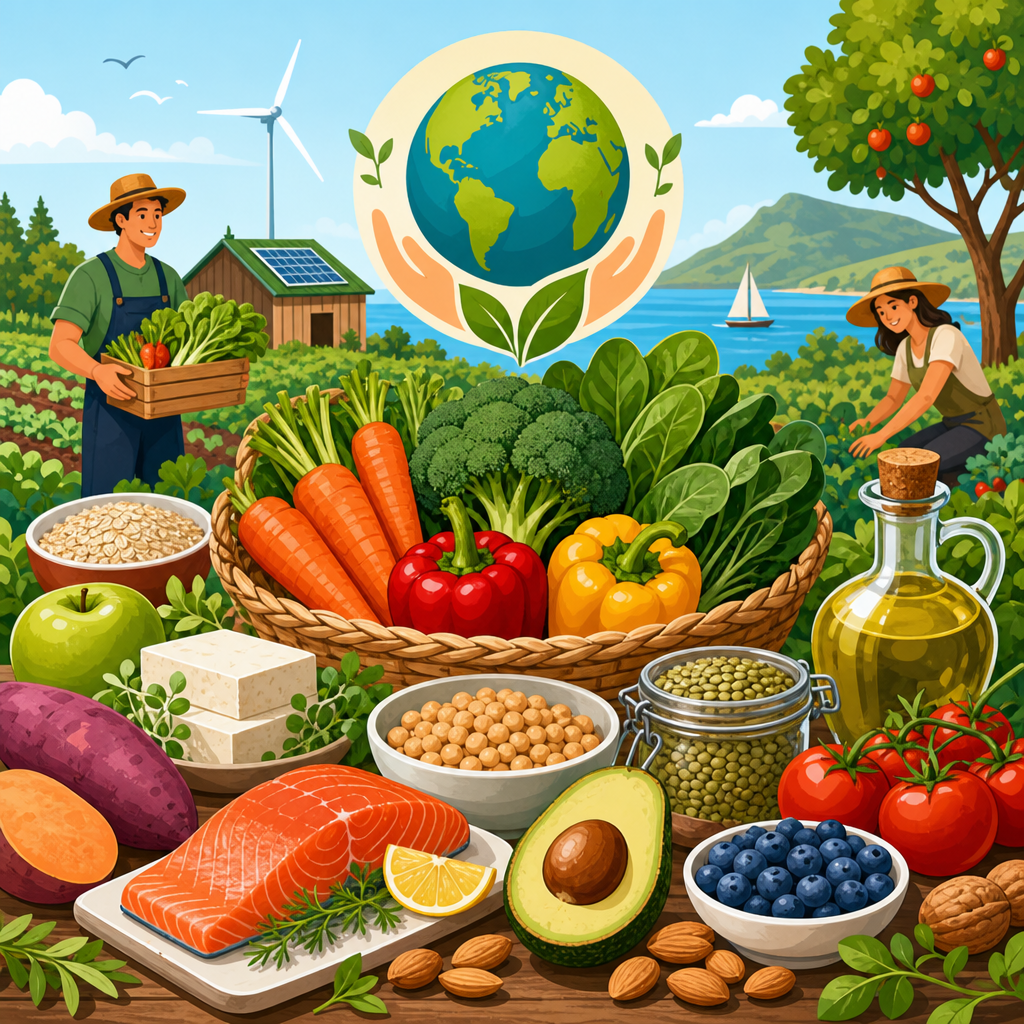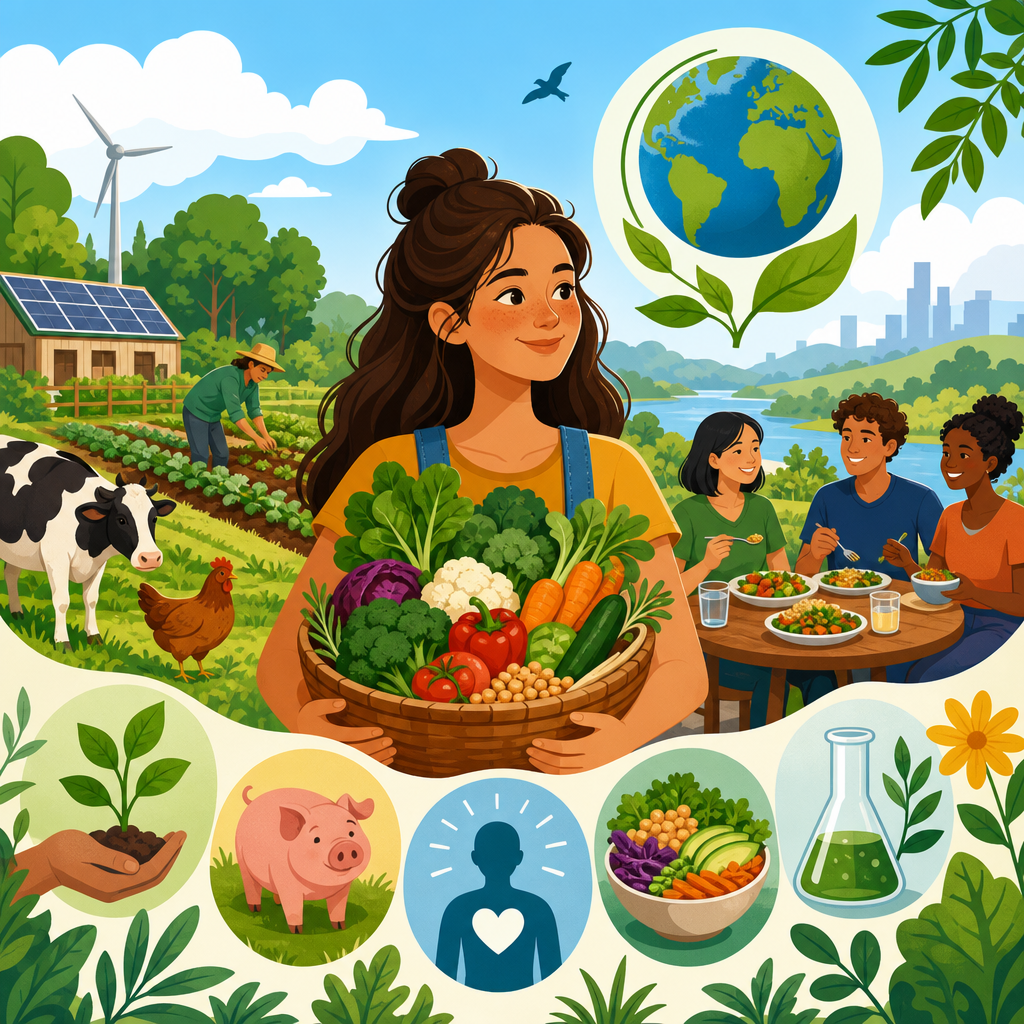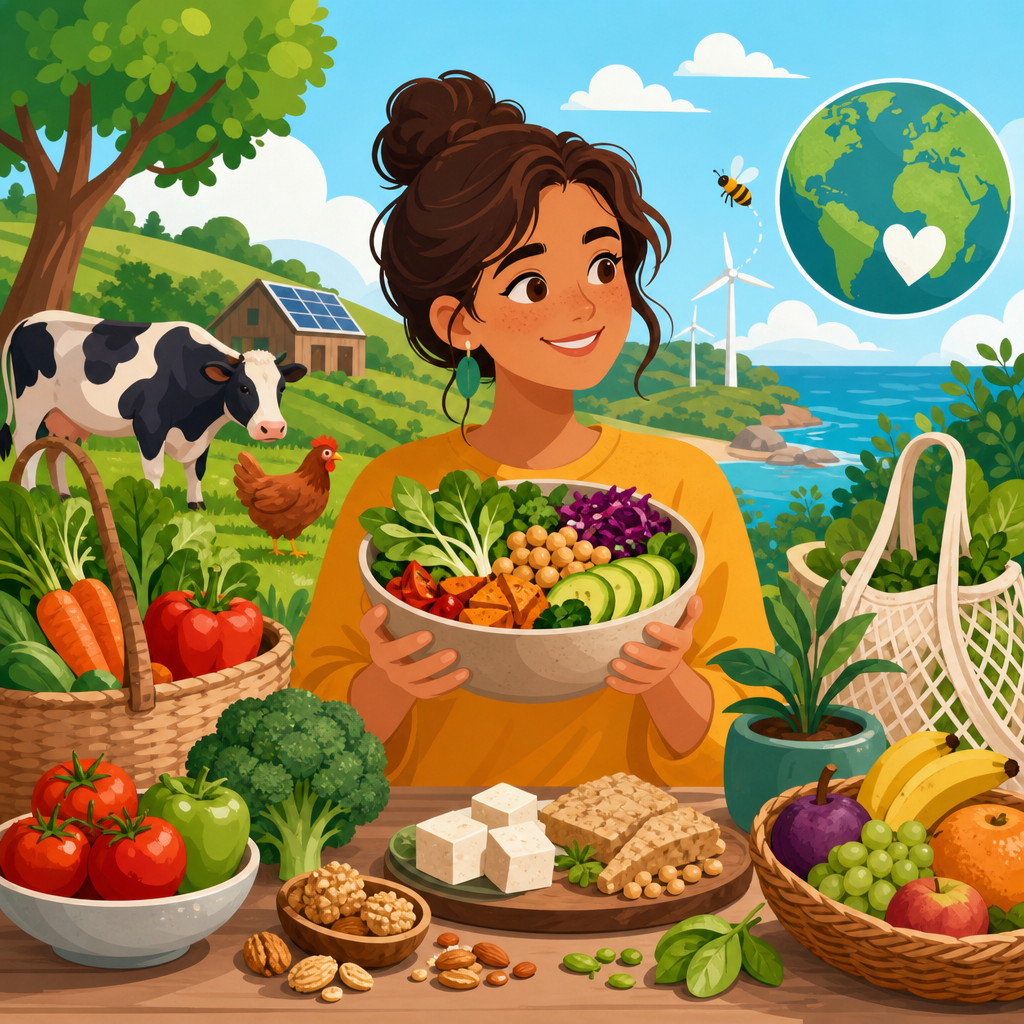
Ethical and sustainable food choices shape personal health, environmental outcomes, animal welfare, and the resilience of the global food system. In practice, these choices involve selecting foods produced, processed, transported, and sold in ways that reduce harm while supporting good nutrition. I have worked with food labeling standards, menu sourcing policies, and nutrition education projects, and one lesson is constant: people want practical guidance, not moral slogans. They need to know what “ethical” means at the farm level, what “sustainable” means across supply chains, and how those ideas fit with budget, culture, convenience, and health. A sustainable diet is generally understood, including by the FAO, as one with low environmental impacts that contributes to food and nutrition security and healthy lives for present and future generations. Ethical food choices extend that idea by adding labor conditions, animal treatment, biodiversity protection, community impact, and fair access to nutritious food. This matters because food systems account for roughly one-third of global greenhouse gas emissions, use about 70% of freshwater withdrawals, and drive major land-use change, while poor diets remain a leading risk factor for disease worldwide.
For consumers, better nutrition and responsible sourcing are not separate goals. They overlap in everyday decisions about protein sources, seasonal produce, minimally processed staples, seafood species, food waste, and trusted certifications. A carton of eggs raises questions about hen welfare and feed inputs. A bag of rice raises questions about water use and methane. A salmon fillet raises issues of stock management, antibiotics, and omega-3 intake. Even highly nutritious foods can carry tradeoffs, and low-impact foods are not automatically healthy if they are ultra-processed or high in added sugar, sodium, or saturated fat. The smartest approach is not perfection. It is informed prioritization. This hub explains the key facts behind ethical and sustainable food choices, the major labels and standards consumers encounter, the nutritional implications of common swaps, and the realistic steps households can take to build a diet that is healthier, more responsible, and easier to maintain over time.
What ethical and sustainable food choices actually mean
Ethical and sustainable food choices are decisions that consider the full impact of food beyond price and taste. The environmental side usually focuses on greenhouse gas emissions, land use, water use, fertilizer runoff, soil health, biodiversity loss, packaging, and food waste. The ethical side adds worker safety, wages, indigenous land rights, transparency, animal welfare, and whether food production strengthens or weakens local communities. Nutrition belongs in the same conversation because a food system that protects ecosystems but fails to nourish people is not genuinely sustainable. In my experience reviewing procurement standards, the most useful way to assess a food choice is through a life-cycle lens: how it was produced, what inputs it required, how far it traveled, how it was processed, and whether much of it is discarded before being eaten.
No single food is perfect on every metric. Almonds are nutrient-dense and plant-based, yet water-intensive in drought-prone regions. Beef provides iron, zinc, vitamin B12, and high-quality protein, yet usually has a much higher emissions footprint than beans, tofu, poultry, or eggs because of enteric methane and feed conversion losses. Frozen vegetables can outperform fresh produce on waste reduction when shoppers realistically use them. Imported tomatoes grown in sunny fields may have lower emissions than local tomatoes raised in heated greenhouses. That is why simple rules often fail. Better decisions come from understanding the main impact drivers and knowing which tradeoffs matter most for your goals.
How nutrition and sustainability work together
A healthier diet is often, though not always, a lower-impact diet. Diets rich in beans, lentils, peas, whole grains, nuts, seeds, vegetables, and fruit tend to support cardiovascular health, digestive health, and metabolic health while usually requiring less land and producing fewer emissions than diets centered on large amounts of red meat. This pattern is reflected in Mediterranean-style eating patterns and many national dietary guidelines that increasingly consider sustainability. However, balance matters. Replacing meat with refined starches, sugary snacks, or heavily processed meat analogues does not automatically improve health. The best substitutions preserve nutrient quality: beans instead of some ground beef in chili, tofu instead of processed deli meat, oats instead of sugar-heavy breakfast pastries, and sardines instead of higher-impact animal proteins when seafood fits the budget and taste preference.
Protein quality, iron bioavailability, calcium intake, omega-3 fats, iodine, and vitamin B12 deserve attention when people shift diets. A well-planned plant-forward diet can meet needs, but it requires intention. Pairing legumes with grains improves amino acid balance across the day. Vitamin C-rich foods improve absorption of non-heme iron from beans and leafy greens. Fortified plant milks can help with calcium and vitamin D, though labels vary widely. For omega-3 intake, walnuts, flax, chia, and canola provide ALA, while algae-based supplements provide DHA and EPA directly. Sustainable eating works best when nutrition adequacy is designed in, not assumed.
Which foods usually have the biggest environmental impact
The largest differences in diet-related environmental impact usually come from food type rather than packaging or transport alone. Ruminant meats, especially beef and lamb, are consistently among the highest-impact foods per kilogram and often per gram of protein because cattle and sheep emit methane and require significant land. Cheese and butter are also relatively high-impact because dairy is resource-intensive and concentrated products require more milk. By contrast, legumes are among the most efficient protein sources, and many grains, potatoes, and seasonal vegetables are lower-impact staples. Poultry and eggs generally sit between red meat and legumes. Seafood varies dramatically: small pelagic fish such as sardines and mackerel can be nutritionally strong and comparatively efficient, while poorly managed shrimp or overfished species can carry substantial ecological costs.
| Food category | Typical impact pattern | Nutrition notes | Practical guidance |
|---|---|---|---|
| Beef and lamb | Usually highest greenhouse gas and land-use impact | Rich in protein, iron, zinc, B12 | Reduce portion size and frequency; choose better-raised options when buying |
| Poultry and eggs | Moderate impact compared with ruminant meat | Good protein; eggs also provide choline | Useful transition options in plant-forward diets |
| Beans, lentils, peas, tofu | Low impact per serving and per gram of protein | Fiber-rich; good folate, minerals, protein | Use several times weekly as core proteins |
| Dairy | Variable, but cheese and butter are often relatively high | Calcium, protein, iodine in many diets | Prioritize yogurt and milk over large amounts of cheese and butter |
| Small oily fish | Often moderate to lower impact when well managed | Excellent omega-3, vitamin D, protein | Check credible seafood guides and species recommendations |
| Seasonal vegetables and whole grains | Usually low impact | High nutrient density and fiber | Build most meals around these foods |
The most effective food sustainability strategy for many households is straightforward: eat more plants, waste less food, and treat high-impact animal foods as smaller, less frequent components of meals. This does not require becoming vegetarian. In menu planning projects, I have seen households cut food-related emissions meaningfully by reducing beef from four meals a week to one, increasing bean-based meals, and using leftovers intentionally. Those changes usually save money as well, which improves long-term adherence.
Animal welfare, labor, and fair trade considerations
Ethical food choices extend beyond carbon footprints. Animal welfare standards address stocking density, housing systems, access to outdoors, transport conditions, slaughter practices, and the routine use of antibiotics. Labels such as Certified Humane and Animal Welfare Approved can indicate stronger welfare standards than generic marketing terms like “natural,” which has little welfare meaning in most markets. Cage-free eggs improve one welfare dimension compared with conventional battery cages, but standards still differ in flock management and outdoor access. Pasture-raised claims may signal more natural behavior opportunities, yet third-party verification matters because definitions and enforcement vary.
Labor conditions are equally important and often overlooked. Farmworkers and food processing workers may face pesticide exposure, heat stress, wage theft, unsafe housing, and insecure employment. Coffee, cocoa, bananas, and seafood supply chains have all been linked in some regions to forced labor or exploitative practices. Certifications such as Fairtrade, Rainforest Alliance, and SA8000-based sourcing programs can help, but they are not identical and none eliminate all risk. The strongest ethical buying strategy is to combine certifications with company transparency, published supplier standards, traceability commitments, and independent audits. When institutions write procurement rules, I advise them to ask not only “Is it certified?” but also “Who verified it, how often, and against which standard?”
How to read food labels and certifications with confidence
Food labels can clarify values or create confusion. Organic certification generally restricts most synthetic pesticides and fertilizers, prohibits routine antibiotics in livestock, and bans genetically engineered ingredients in many jurisdictions’ organic systems. It can support soil-building practices and biodiversity, but organic is not automatically local, low-carbon, or nutritionally superior. Regenerative agriculture is a promising framework focused on soil cover, crop diversity, reduced disturbance, livestock integration, and ecosystem function, yet the term is not uniformly regulated. “Local” can support regional economies and freshness, but local production is not always the lowest-emission option if energy-intensive methods are used. “Non-GMO” tells you something about breeding and biotechnology choices, not whether a food is healthy or sustainable overall.
For seafood, the Marine Stewardship Council and Aquaculture Stewardship Council are widely recognized, while Monterey Bay Aquarium Seafood Watch offers practical species guidance by fishery and farming method. For palm oil, RSPO certification is common, though critics note uneven rigor and enforcement. For coffee and cocoa, Fairtrade and Rainforest Alliance address different aspects of labor and environmental management. The key is to treat labels as evidence points, not final answers. The most trustworthy food claims are specific, independently verified, and linked to publicly available standards.
Local, seasonal, organic, and regenerative: what matters most
Consumers often ask which matters most: local, seasonal, organic, or regenerative. The honest answer is context-dependent. Seasonal produce often delivers a practical combination of freshness, lower cost, and lower production energy inputs. Local food can reduce some transport emissions and strengthen regional farms, but transport usually contributes less to total footprint than production method, especially for ruminant meat and dairy. Organic systems may reduce synthetic pesticide exposure and improve some ecological indicators, while regenerative practices can improve soil structure, water infiltration, and resilience if implemented well. None of these categories guarantees fairness, biodiversity protection, or superior nutrition on its own.
When I help households prioritize, I suggest a hierarchy. First, eat a nutrient-dense diet with more plant proteins and fewer high-impact foods. Second, buy produce you will actually eat, whether fresh, frozen, canned, local, or organic. Third, choose certified products in categories with known ethical risks such as coffee, cocoa, seafood, and eggs. Fourth, support producers who are transparent about farming methods and labor practices. This approach avoids chasing labels while missing the bigger drivers of impact.
Food waste, processing, and the hidden side of sustainability
Food waste is one of the most underrated parts of sustainable eating. Roughly one-third of food produced globally is lost or wasted, and when food is discarded, the land, water, labor, fertilizer, energy, and packaging used to produce it are wasted too. At home, the biggest causes are overbuying, poor storage, confusing date labels, and not using leftovers. “Best by” usually indicates quality, not safety. “Use by” has more safety relevance for perishable foods, but policies vary by country and retailer. Practical waste prevention includes meal planning around perishables, freezing bread and meat before quality declines, using stems and scraps in stock, and buying frozen produce for foods you use intermittently.
Processing is another area where sustainability and nutrition intersect. Not all processing is problematic. Frozen vegetables, canned beans, pasteurized milk, and whole-grain bread are processed foods that can improve convenience, affordability, and food safety. The concern is heavy reliance on ultra-processed products high in refined starches, added sugars, sodium, and industrial additives that displace more nutrient-dense foods. Sustainable nutrition is easier when kitchens are stocked with versatile staples: dried or canned legumes, oats, brown rice, yogurt, eggs, frozen vegetables, tinned fish, nuts, and seasonal produce. These ingredients support lower waste and better meal quality.
How to build an ethical and sustainable diet in real life
The most durable strategy is a plant-forward pattern built from flexible habits. Start by changing meal structure: make vegetables, whole grains, and legumes the foundation; use meat as a smaller ingredient rather than the centerpiece. Choose two or three repeatable breakfasts and lunches with strong nutrition value, such as oats with fruit and seeds, bean soup with whole-grain toast, or yogurt with nuts and seasonal berries. Rotate lower-impact dinners such as lentil curry, tofu stir-fry, chickpea pasta, vegetable frittata, or sardines on grain bowls. If you eat red meat, reserve it for occasional meals and buy better-quality portions from producers with credible welfare and land stewardship practices.
Budget matters, and sustainable eating should not be framed as a luxury identity. Some of the best-value foods are also sustainable: beans, lentils, cabbage, carrots, potatoes, oats, peanut butter, eggs, and frozen vegetables. For busy households, convenience can be designed in with batch cooking, washed greens, pre-cut frozen vegetables, microwavable grains, and canned pulses. The goal is not a perfect shopping basket. It is a pattern that improves nutrition, reduces waste, and aligns spending with your strongest ethical priorities. Review one category at a time, compare labels carefully, and make three better swaps this week. Small, repeated choices are what transform a food system.
Frequently Asked Questions
What do ethical and sustainable food choices actually mean?
Ethical and sustainable food choices are foods selected with more than taste, cost, or convenience in mind. They take into account how food is grown, raised, harvested, processed, packaged, transported, and sold, and they also consider whether those steps support human health, environmental protection, animal welfare, and fair treatment of workers. In simple terms, the goal is to choose foods that nourish people while causing less harm across the food system.
That does not mean every meal has to be perfect or that shoppers need to investigate every product in extreme detail. A practical definition is often more useful: choose foods that are nutrient-dense, produced with reasonable care for soil, water, biodiversity, and animals, and sourced in ways that are as transparent and responsible as possible. For many people, this includes eating more plant foods, reducing food waste, paying attention to trusted labels, and supporting producers and businesses that can explain their sourcing practices.
It is also important to understand that “ethical” and “sustainable” are related but not identical. Ethical food choices often focus on issues such as labor conditions, animal welfare, and community impact. Sustainable food choices usually emphasize long-term environmental effects such as greenhouse gas emissions, land use, water use, and soil health. Better nutrition connects to both, because a food pattern that supports health and is realistic to maintain over time is more likely to benefit people and the food system together.
How can I make sustainable food choices without sacrificing good nutrition?
The strongest starting point is to focus on overall dietary patterns rather than single “perfect” foods. In most cases, a nutritious and more sustainable eating pattern includes more vegetables, fruits, legumes, whole grains, nuts, and seeds; moderate portions of animal-based foods; and fewer heavily processed products high in added sugar, sodium, and low-quality fats. This approach often improves fiber, vitamin, and mineral intake while also lowering the environmental burden associated with many resource-intensive foods.
Protein is one of the main concerns people raise, but it is usually manageable. Beans, lentils, peas, tofu, tempeh, edamame, yogurt, eggs, fish, and modest portions of poultry can all play a role depending on a person’s values, health needs, and budget. You do not have to eliminate all animal foods to make meaningful progress. Even replacing a few meat-heavy meals each week with balanced plant-forward meals can improve both dietary quality and environmental impact.
Nutritional quality still matters. A food is not automatically healthy just because it is marketed as local, organic, plant-based, or eco-friendly. A sustainable food choice should still provide useful nutrition. For example, whole oats are a stronger everyday option than a sugary snack labeled natural, and a bean-and-vegetable grain bowl is usually more nutritionally valuable than a highly processed meat substitute meal with excess sodium. The best strategy is to combine sustainability goals with established nutrition principles: prioritize minimally processed foods, include enough protein and fiber, and build meals around variety and balance.
Which food labels and certifications are most helpful when trying to buy ethical food?
Food labels can be useful, but they work best when treated as tools rather than guarantees. Some certifications are designed to address specific concerns, such as organic production methods, animal welfare, fair labor practices, sustainable fisheries, or responsible forest and agricultural sourcing. The key is to match the label to the issue you care about most. For example, if pesticide use and soil practices are your top concern, organic standards may be relevant. If labor conditions matter most, fair trade or similar social-impact certifications may offer more direct guidance. If seafood is your focus, fishery and aquaculture certifications can help identify products from more responsibly managed systems.
It is equally important to recognize the limits of labels. No single certification covers everything. A product may meet organic standards but tell you little about worker pay. A humane certification may not address packaging waste or transportation emissions. Some packaging uses broad marketing terms such as “natural,” “farm fresh,” or “eco-friendly” without clear standards behind them. Those claims can sound reassuring but may offer little real evidence. When possible, look for certifications with published criteria, independent verification, and transparent enforcement.
If labels feel overwhelming, simplify your approach. Pick two or three priorities and shop accordingly. You might choose produce with credible organic certification when affordable, eggs or dairy from systems with stronger animal welfare standards, and seafood from recognized sustainability programs. You can also learn from retailers, farmers’ markets, and restaurants that share sourcing policies in plain language. Transparency is often a strong sign that a company expects informed questions and is prepared to answer them.
Is local food always the most sustainable option?
Not always. Local food can be a very good choice, but sustainability depends on more than distance traveled. Many people assume “food miles” are the main issue, yet the production stage often has a larger environmental impact than transportation alone. How a food is grown or raised, what inputs are used, whether it is seasonal, and how much energy is required for storage or greenhouse production can matter as much as, or more than, how far it traveled.
For example, produce grown locally in season can be an excellent option because it may require less refrigeration, less storage time, and fewer intensive inputs. But out-of-season local crops produced in energy-heavy conditions may not always outperform efficiently grown products shipped from regions where they grow naturally. The same idea applies to animal foods: a nearby product is not automatically lower impact if the production system itself is highly resource intensive.
That said, local food can still offer important advantages. It may support regional farms, strengthen local economies, improve freshness, and make sourcing more transparent. Consumers often have more opportunities to ask direct questions about production methods at farmers’ markets, community-supported agriculture programs, and local food businesses. A balanced approach is usually best: choose local when it is seasonal, nutritious, and responsibly produced, but do not assume distance alone determines whether a food is ethical or sustainable.
What are the easiest practical steps to make better ethical and sustainable food choices on a budget?
The most effective changes are often simple, repeatable habits rather than expensive specialty purchases. Start by reducing food waste. Plan meals, store food properly, freeze leftovers, and use perishable ingredients before they spoil. Wasted food means wasted money, water, labor, and energy, so cutting waste is one of the fastest ways to improve both household efficiency and sustainability. It also creates room in the budget for higher-priority items you may want to buy more carefully.
Next, build more meals around affordable staple foods with strong nutritional value. Beans, lentils, oats, brown rice, potatoes, frozen vegetables, canned fish, eggs, yogurt, peanut butter, and seasonal produce can support healthy meals at a relatively low cost. These foods are versatile, filling, and easier to use consistently than many premium-branded “sustainable” products. Budget-friendly sustainability is usually about choosing patterns that work every week, not making occasional high-cost purchases.
You can also be selective about where to spend more. If your budget is limited, choose one or two categories that matter most to you, such as eggs, dairy, coffee, seafood, or a few frequently eaten fruits and vegetables. Buying every item at the highest ethical standard is unrealistic for many households, and it is not necessary to make meaningful progress. Small, focused decisions add up over time. A practical goal might be to eat more plant-forward meals, buy seasonal produce, choose products with credible labels in key categories, and avoid overbuying. That combination supports better nutrition, lowers waste, and makes ethical and sustainable food choices much more achievable in everyday life.