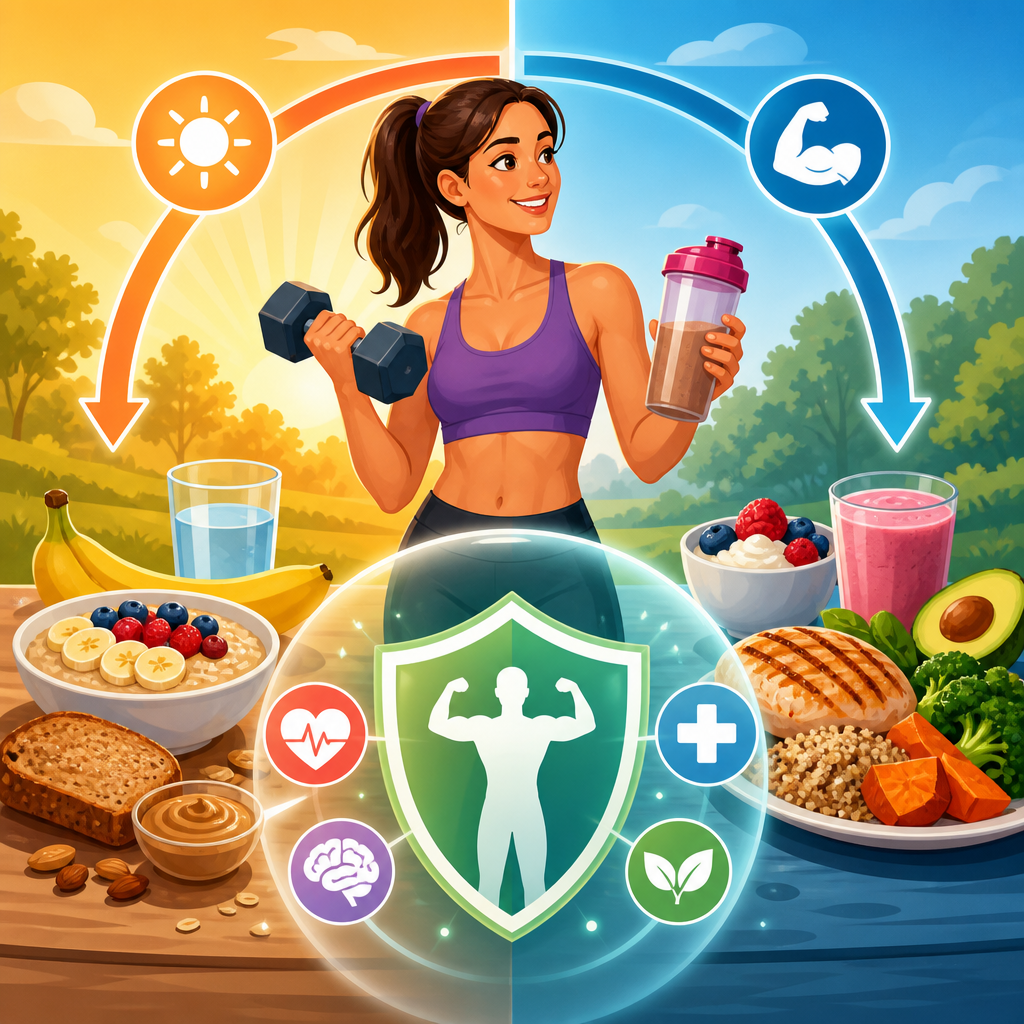
Recovery foods for faster healing are the foods, fluids, and nutrients that support tissue repair, reduce excessive inflammation, restore energy, and help the body return to normal function after injury, illness, surgery, or hard training. In sports and performance nutrition, recovery is not a side issue; it is the process that determines whether the next session builds strength or digs a deeper fatigue hole. I have worked with athletes who trained brilliantly but stalled because they treated recovery meals as optional, and I have seen modest training plans produce excellent results when food timing and nutrient quality were handled with precision. Healing requires more than calories alone. It depends on protein turnover, glycogen restoration, immune regulation, hydration status, micronutrient sufficiency, and sleep-supportive eating patterns.
When people ask what to eat for faster healing, they usually mean one of three things: what helps sore muscles recover after exercise, what supports healing after an injury, or what foods help the body bounce back after illness or surgery. The answer overlaps across all three. Recovery foods generally include high-quality protein sources, carbohydrate-rich foods that replenish stored energy, healthy fats that assist cell function, and vitamins and minerals that participate in collagen formation, oxygen transport, and immune defense. Practical examples include Greek yogurt with berries, eggs with potatoes, salmon with rice, lentil soup, cottage cheese, tart cherries, kiwi, and oral rehydration fluids when needed. The best recovery nutrition strategy matches the stress the body is trying to repair.
This matters because healing is biologically expensive. Muscle protein synthesis rises after training. Collagen repair accelerates after tendon or ligament damage. White blood cells increase nutrient demand during immune challenges. Even a small energy deficit can slow these processes. Research in sports medicine and clinical nutrition consistently shows that inadequate protein, low energy availability, dehydration, and micronutrient deficiencies impair recovery quality. On the other hand, targeted nutrition can preserve lean mass during reduced activity, shorten the duration of fatigue, improve training readiness, and support a stronger return to performance. Understanding recovery foods gives athletes, coaches, and active adults a reliable framework for making daily food choices that actually move healing forward.
What Recovery Foods Do in the Body
Recovery foods speed healing because they supply the raw materials and metabolic support the body uses to rebuild damaged tissue. Protein provides essential amino acids, especially leucine, that trigger muscle protein synthesis through mTOR signaling. Carbohydrates replenish muscle and liver glycogen, lowering stress hormone strain and helping repeated performance. Fats support cell membranes, hormone production, and absorption of fat-soluble vitamins. Vitamins and minerals act as cofactors. Vitamin C is required for collagen synthesis. Zinc helps immune function and wound repair. Iron supports oxygen delivery. Magnesium contributes to energy metabolism and muscle relaxation. Sodium and potassium help fluid balance and nerve function.
Inflammation is part of healing, but uncontrolled inflammation can prolong soreness and delay return to training. This is why recovery foods should not simply “fight inflammation” indiscriminately. They should support appropriate resolution. Fatty fish, extra virgin olive oil, nuts, seeds, colorful fruit, cocoa, herbs, and vegetables provide compounds linked with healthier inflammatory balance, while highly processed diets heavy in alcohol and ultra-refined foods tend to worsen recovery quality. In practice, I usually frame this for athletes as building each meal around a protein anchor, a carbohydrate base, produce for micronutrients, and enough fluid and sodium to replace what was lost.
Healing also depends on total intake over time, not one magic food. A post-workout shake can help, but it cannot fix a full day of under-eating. Likewise, collagen peptides may support connective tissue goals when used well, but they do not replace adequate daily protein. Faster healing comes from a pattern: enough energy, consistent protein distribution, smart carbohydrate timing, hydration, and a diet rich in nutrient-dense staples.
The Core Nutrients That Matter Most
The first priority is protein. Most active people recovering from hard training do well with roughly 1.6 to 2.2 grams of protein per kilogram of body weight per day, spread across three to five meals. During injury recovery, some athletes benefit from the higher end of that range, especially if activity drops and preserving lean mass becomes harder. Whey protein, milk, Greek yogurt, eggs, chicken, fish, soy foods, lean beef, tempeh, and cottage cheese are strong options because they provide a complete amino acid profile. A practical target is 25 to 40 grams of protein per meal, including around 2 to 3 grams of leucine.
Carbohydrates are equally important when the goal is exercise recovery. They refill glycogen, support immune resilience, and reduce the sense of heaviness that follows repeated hard sessions. Endurance athletes, field sport players, and anyone training twice in one day often need substantial carbohydrate after exercise: rice, oats, potatoes, fruit, whole grain bread, pasta, beans, and dairy all help. After injury, carbohydrate needs may decrease if total activity falls, but dropping carbs too aggressively can impair mood, sleep, and tissue repair because healing still requires energy.
Healthy fats deserve attention, especially omega-3 fats from salmon, sardines, trout, herring, walnuts, chia, and flax. Omega-3s may support muscle recovery and help regulate inflammation, but dose and context matter. They are helpful additions, not substitutes for balanced meals. Micronutrients often overlooked in healing include vitamin D, calcium, magnesium, zinc, vitamin C, and copper. Dairy, fortified alternatives, legumes, seeds, shellfish, leafy greens, citrus, berries, and potatoes cover many of these needs. When blood work confirms deficiency, supplementation may be warranted, but food should remain the foundation because it delivers nutrients in combinations the body recognizes and uses efficiently.
Best Recovery Foods for Faster Healing
The best recovery foods are foods that solve specific problems at the right time. After strength training, dairy proteins such as whey, milk, kefir, or Greek yogurt work well because they are rich in leucine and digest predictably. After long endurance sessions, easy carbohydrates such as bananas, oats, cereal, bagels, rice bowls, and chocolate milk help restore glycogen quickly. For connective tissue support, collagen peptides or gelatin paired with vitamin C-rich foods such as oranges or kiwi can complement a broader protein plan. For immune recovery, soups, stews, citrus, yogurt, eggs, legumes, and hydration-focused meals are useful because they combine fluid, sodium, energy, and micronutrients.
| Recovery need | Best food examples | Why they help |
|---|---|---|
| Muscle repair | Greek yogurt, whey, eggs, chicken, tofu | Provide complete protein and leucine for protein synthesis |
| Glycogen restoration | Rice, potatoes, oats, fruit, bread | Replace stored carbohydrate and support repeated performance |
| Inflammation resolution | Salmon, berries, olive oil, walnuts | Supply omega-3 fats and polyphenols |
| Hydration replacement | Milk, broth, fruit, electrolyte drinks | Restore fluid, sodium, potassium, and carbohydrate |
| Sleep-supportive recovery | Kiwi, tart cherries, milk, oats | May support relaxation and overnight recovery |
Several foods repeatedly perform well in real-world recovery plans. Salmon offers protein plus omega-3 fats. Eggs provide highly bioavailable protein, choline, and micronutrients. Potatoes deliver carbohydrate, potassium, and easy digestibility. Greek yogurt combines protein, calcium, and fluid. Tart cherries and berries add polyphenols that may help with soreness management. Kiwi is useful because it provides vitamin C and has evidence for supporting sleep quality in some populations. Lentils and beans support recovery too, especially when paired with grains to improve amino acid balance and total energy intake.
Meal Timing, Portions, and Practical Recovery Meals
Timing matters most when training is frequent, recovery windows are short, or appetite is unreliable. A strong baseline is to eat a mixed meal within about two hours after exercise, sooner if the session was long, intense, or followed by another session the same day. For athletes with busy schedules, I often recommend a two-step approach: a quick recovery snack immediately after training, then a full meal later. This reduces the chance that the window is missed entirely. Good immediate options include a whey shake and banana, chocolate milk, yogurt with granola, or a turkey sandwich.
Portion size should match body size and training load. A recovery meal for a smaller athlete might include 25 grams of protein and 50 to 70 grams of carbohydrate. A larger endurance athlete after a demanding session may need 35 grams of protein and 90 grams or more of carbohydrate. Examples include salmon, rice, and roasted vegetables; eggs, toast, fruit, and yogurt; tofu stir-fry with noodles; or bean chili with potatoes and cheese. If appetite is low after intense work, liquid calories often work better than solid food. Smoothies with milk, yogurt, oats, frozen berries, and nut butter can deliver substantial nutrition without heavy volume.
Evening nutrition is another missed opportunity. Overnight is an active repair period, so a pre-sleep snack with 20 to 40 grams of slowly digested protein can be useful. Cottage cheese, Greek yogurt, milk, or a casein shake are common choices. This is especially helpful during injury rehabilitation, heavy resistance training blocks, or calorie restriction phases where preserving muscle is a priority.
Recovery Nutrition for Different Healing Situations
Not all healing looks the same. After a hard workout, the main goals are glycogen restoration, muscle repair, rehydration, and readiness for the next session. After an acute injury such as a sprained ankle, the focus shifts toward preserving lean mass, supporting collagen remodeling, managing appetite changes, and avoiding large energy deficits while activity is reduced. After illness, hydration, electrolyte balance, easy digestibility, and gradual return to normal intake often matter most. After surgery, protein and energy needs commonly rise, and medical guidance should take priority because certain conditions alter food texture, gut tolerance, and supplement safety.
For tendon, ligament, and bone stress recovery, consistency matters more than trendy add-ons. Adequate calories, protein spread through the day, calcium-rich foods, vitamin D sufficiency, and enough vitamin C are non-negotiable. Athletes rehabbing these injuries often under-eat because training volume falls, yet tissue repair still consumes energy. For contact sport athletes recovering from bruising and high impact soreness, meals rich in protein, colorful produce, and fluids generally outperform restrictive plans. For endurance athletes with repeated immune dips, low energy availability is a common hidden problem. In those cases, simply increasing carbohydrate around training and improving overall meal regularity can reduce recurrent fatigue and slow healing.
Vegetarian and vegan athletes can recover well, but they need deliberate planning. Soy milk, tofu, tempeh, edamame, lentils, beans, pea protein, seitan, quinoa, nuts, and seeds can fully support healing if total protein and leucine exposure are adequate. Iron, zinc, calcium, vitamin B12, and omega-3 intake deserve extra scrutiny.
Common Mistakes, Supplements, and How to Build a Sustainable Plan
The biggest recovery mistake is under-eating, followed closely by waiting too long to eat after training and over-relying on supplements instead of meals. Other common problems include skipping carbohydrates, drinking alcohol heavily after competition, ignoring hydration losses, and chasing anti-inflammatory extremes that blunt appetite or displace nutrient-dense staples. Recovery foods do not need to be expensive or elaborate. Consistent basics beat complicated protocols almost every time.
Supplements can help when they fill a real gap. Whey or plant protein powders are practical for convenience. Creatine monohydrate may help preserve strength and lean mass during reduced training. Vitamin D is valuable when deficiency is present. Collagen peptides may support connective tissue programs when paired with vitamin C and timed before rehab loading, though evidence is supportive rather than absolute. Electrolyte products are useful after heavy sweat loss or gastrointestinal illness. What does not help is random stacking of “recovery” formulas with no clear purpose, especially if they replace meals or contain poorly disclosed blends.
To build a sustainable plan, start with anchors. Eat protein at each meal, include carbohydrates around training, add fruits and vegetables daily, use dairy or fortified alternatives if tolerated, and replace sweat losses with fluids plus sodium. Keep shelf-stable backup foods on hand: tuna packets, protein powder, oats, dried fruit, rice cups, nuts, broth, and frozen berries. Recovery improves when the plan survives travel, work stress, and low-appetite days. Track a few outcomes that matter: soreness duration, sleep quality, appetite, body weight trends, training readiness, and rehab progress. If those markers improve, the nutrition plan is working.
Recovery foods for faster healing are not mysterious. They are targeted, nutrient-dense foods used consistently to support tissue repair, restore energy, replace fluids, and help the body adapt to stress. The core principles are clear: eat enough total energy, prioritize high-quality protein, use carbohydrates strategically, include healthy fats, cover key micronutrients, and match meals to the type of recovery you need. Whether the challenge is post-workout soreness, an overuse injury, a period of illness, or the demands of rehabilitation, food directly affects how well and how quickly the body returns to function.
The most effective recovery plan is usually simple. Build meals around protein, add carbohydrates appropriate to your training load, include produce for vitamins and polyphenols, and stay ahead of hydration. Use supplements only when they solve a defined problem. If you are sidelined, resist the urge to slash calories too far; healing still costs energy. If you train hard, do not leave recovery to chance or appetite alone. Structure wins. Athletes who recover well can train more consistently, maintain more lean mass, and return to performance with fewer setbacks.
Use this guide as your starting point for smarter sports and performance nutrition. Review your current recovery meals, identify one weak link, and improve it this week. A better protein distribution, a stronger post-workout meal, or more deliberate hydration can change healing speed more than most people expect.
Frequently Asked Questions
What are recovery foods, and why do they matter for faster healing?
Recovery foods are the foods, fluids, and nutrients that help the body repair tissue, control unnecessary inflammation, rebuild energy stores, and return to normal function after physical stress. That stress may come from an intense workout, an injury, surgery, illness, or even a period of poor sleep and overtraining. In simple terms, recovery foods provide the raw materials your body needs to heal well instead of just getting by.
They matter because healing is an active biological process. Your body needs protein to rebuild muscle and connective tissue, carbohydrates to restore glycogen and fuel repair, healthy fats to support cell membranes and hormone function, and vitamins and minerals to drive the chemical reactions involved in recovery. Fluids and electrolytes are just as important because dehydration can slow circulation, reduce nutrient delivery, and make fatigue worse.
When recovery nutrition is neglected, people often notice more soreness, slower strength gains, lingering fatigue, poor training quality, and a greater risk of setbacks. On the other hand, when recovery is supported consistently, the body is better able to adapt, rebuild, and come back stronger. That is why recovery foods are not an optional extra. They are a core part of healing and performance.
Which nutrients are most important for recovery after injury, illness, surgery, or hard training?
The most important recovery nutrients are protein, carbohydrates, fluids, electrolytes, healthy fats, and a wide range of micronutrients. Protein is usually the first priority because it supplies the amino acids needed for muscle repair, wound healing, immune support, and tissue rebuilding. High-quality sources include eggs, dairy foods, fish, poultry, lean meats, tofu, tempeh, legumes, and protein-rich snacks such as Greek yogurt or cottage cheese.
Carbohydrates are equally important, especially after hard training or illness. They help replenish glycogen, which is the stored form of carbohydrate in muscles and liver. If glycogen remains low for too long, energy dips, recovery slows, and the body may break down more protein for fuel instead of using it for repair. Good choices include fruit, oats, rice, potatoes, whole grains, beans, and dairy foods.
Healthy fats support recovery by contributing to cell repair, hormone production, and absorption of fat-soluble vitamins. Foods such as salmon, sardines, nuts, seeds, olive oil, avocado, and flax or chia seeds can all play a useful role. Micronutrients also matter greatly. Vitamin C supports collagen formation and immune function. Zinc helps with wound healing and tissue repair. Iron supports oxygen transport and energy levels. Calcium, vitamin D, and magnesium are especially important for bone health and muscle function.
Hydration should never be overlooked. Water supports circulation, digestion, temperature control, and nutrient transport. Electrolytes such as sodium and potassium help maintain fluid balance and support muscle and nerve function. In real life, recovery works best when these nutrients come from regular meals and snacks rather than one perfect superfood. Consistency is what makes the biggest difference.
What are the best foods to eat after a workout or during recovery from an injury?
The best recovery foods are the ones that combine protein, carbohydrate, fluids, and nutrient density in a form that is easy to tolerate and realistic to eat. After a workout, a balanced meal or snack that includes both protein and carbohydrates is usually ideal. Examples include Greek yogurt with fruit and granola, eggs on toast with avocado, a chicken and rice bowl, a smoothie with milk or yogurt plus fruit, or cottage cheese with berries and oats. These combinations help replace energy, stimulate muscle repair, and reduce the risk of under-fueling.
During injury recovery, the focus shifts slightly toward healing, inflammation control, and maintaining muscle mass while activity may be reduced. In that setting, protein-rich foods remain essential, but there is also a strong need for colorful fruits and vegetables, healthy fats, and micronutrient-rich foods. Fatty fish, citrus fruits, berries, leafy greens, beans, dairy products, nuts, seeds, and whole grains all support different aspects of the healing process. Bone broth, soups, stews, and soft protein foods can be helpful when appetite is low or chewing is uncomfortable after surgery or illness.
It is also important to choose foods based on practicality. A recovery meal does not need to be elaborate to be effective. A turkey sandwich with fruit, chocolate milk after training, or a bowl of oatmeal with milk and nuts can all support healing and adaptation. The best food plan is one that provides enough total energy and nutrients every day, not just immediately after exercise. Recovery is built meal by meal.
How soon should you eat after exercise or an injury to support healing?
Timing matters, but it is not as rigid as many people think. After exercise, eating within roughly 30 minutes to 2 hours can be helpful, especially if the session was intense, long, or followed by another session later in the day. This is a useful window for getting protein and carbohydrates into the system while the body is primed to restore glycogen and begin repair. That said, what you eat across the full day is more important than obsessing over the exact minute you start eating.
For injury, surgery, or illness recovery, the key is not one single feeding window but steady nourishment throughout the day. The body heals best when it receives a regular supply of protein, energy, fluids, and micronutrients. This often means eating balanced meals every few hours and including protein in each one. If appetite is low, smaller frequent meals and snacks may work better than large meals.
It is also worth noting that delaying food too long can backfire. After training, it may lead to greater fatigue, stronger cravings later, and poorer overall intake. During illness or injury, long gaps without food can make it harder to meet protein and calorie needs, both of which are crucial for preserving lean tissue and supporting recovery. A practical rule is simple: refuel reasonably soon after stress, and continue eating consistently throughout the day.
Are there any common mistakes people make with recovery nutrition?
Yes, several. One of the most common mistakes is under-eating, especially after hard training or during injury when appetite, routine, or motivation changes. Many people assume that eating less is appropriate if they are less active, but healing still requires substantial energy and nutrients. If calorie intake drops too far, the body has fewer resources available for tissue repair, immune defense, and rebuilding.
Another frequent mistake is focusing only on protein while ignoring carbohydrates and hydration. Protein is critical, but recovery is not protein alone. Without enough carbohydrates, energy restoration is incomplete and training quality may decline. Without enough fluids and electrolytes, circulation, digestion, and muscle function can all suffer. A third mistake is relying on supplements while neglecting basic meals. Supplements can have a place, but they do not replace the value of well-structured meals built around whole foods.
People also often skip recovery eating because they are busy, not hungry right after exercise, or believe soreness is just something to push through. Over time, that pattern can contribute to stalled progress, persistent fatigue, reduced performance, and slower healing. Another issue is eating highly processed convenience foods while missing fruits, vegetables, fiber, and healthy fats that provide vitamins, minerals, and anti-inflammatory support.
The best way to avoid these mistakes is to keep recovery simple and repeatable. Aim for regular meals, include protein at each eating opportunity, add quality carbohydrates, stay hydrated, and build in nutrient-dense foods across the week. Recovery nutrition does not need to be perfect to be effective, but it does need to be intentional.