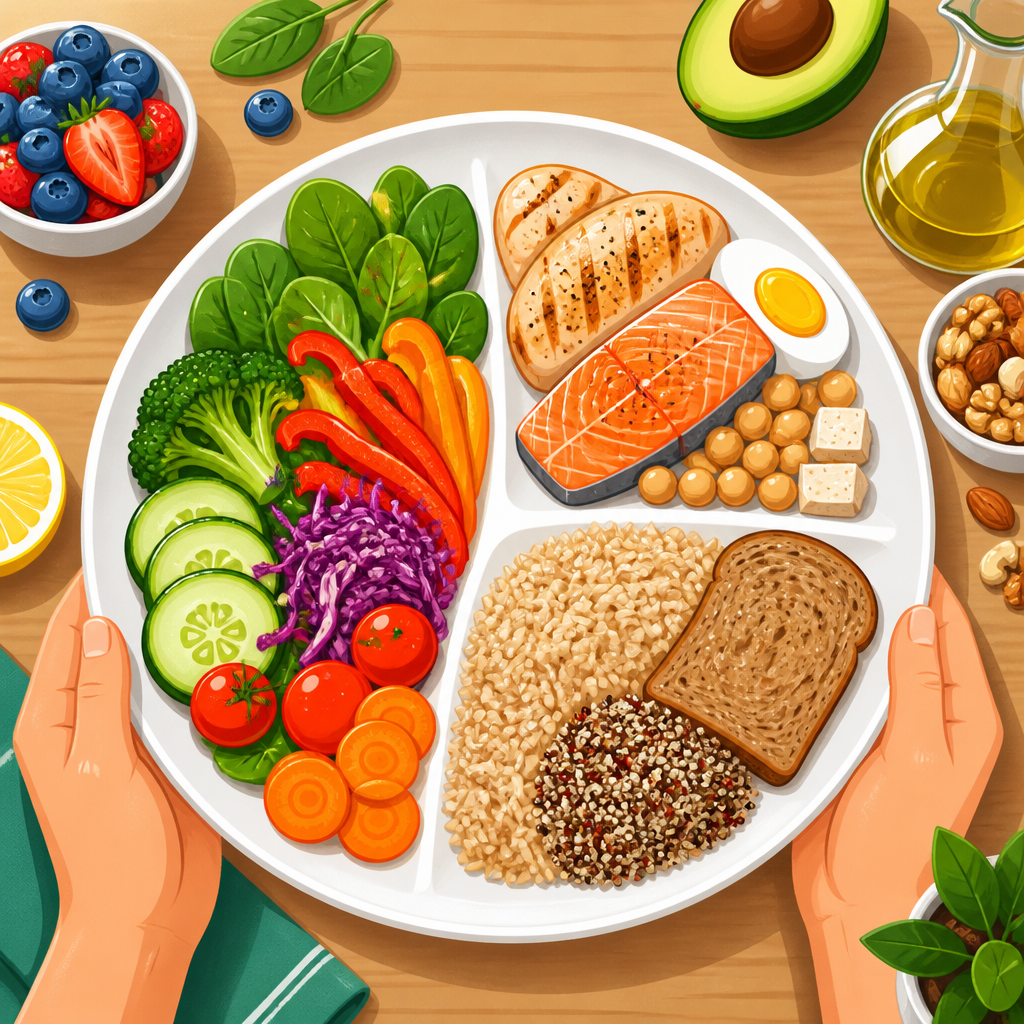
Fiber is one of the most useful nutrients to understand because it affects digestion, blood sugar, cholesterol, fullness, and long term health, yet most people still ask a basic question at the grocery store: how much fiber is in common fruits? This guide answers that question clearly while also serving as a practical hub for dietary fiber and digestive health. In nutrition, dietary fiber means the parts of plant foods that resist digestion in the small intestine and reach the colon, where they add bulk, slow absorption, or feed beneficial gut microbes. Fruits matter here because they are familiar, widely available, and easy to add to meals, but their fiber content varies more than many shoppers realize.
Across years of reviewing food labels, meal logs, and digestive symptom patterns, I have seen the same mistake repeatedly: people assume all fruit is equally high in fiber. It is not. A cup of watermelon and a cup of raspberries do very different jobs in a meal plan. Apples, pears, berries, oranges, bananas, and dried fruit can all support better intake, but portion size, edible skin, water content, and processing make a measurable difference. A fresh pear with skin delivers considerably more fiber than fruit juice, and a handful of dried figs can add fiber quickly but also concentrates sugar and calories. Understanding these distinctions helps people build a diet that improves regularity without guessing.
Fiber is usually discussed in two functional categories. Soluble fiber dissolves in water and forms a gel-like material that can help lower LDL cholesterol and slow glucose absorption. Insoluble fiber does not dissolve and is especially helpful for stool bulk and bowel regularity. Most whole fruits contain a mix of both, along with vitamins, minerals, polyphenols, and water. That combination matters for digestive health. Unlike isolated supplements, fruit packages fiber with fluid and fermentable compounds that many gut bacteria use to produce short-chain fatty acids such as butyrate, which supports the colon lining. This is why whole fruit often contributes more broadly to gut health than juice or refined snacks marketed as fruit based.
For adults, general intake targets commonly used in clinical counseling and public guidance are about 25 grams of fiber per day for women and 38 grams for men, with many people falling well short. Meeting those targets is associated with lower risk of constipation, cardiovascular disease, type 2 diabetes, and some gastrointestinal problems. Fruit alone does not need to do all the work; vegetables, legumes, whole grains, nuts, and seeds are also major contributors. Still, fruit is often the easiest place to start because it requires little preparation and fits breakfast, snacks, and desserts. If your goal is better digestive health, knowing which fruits give the most fiber per serving can change your daily total faster than most people expect.
Why fiber from fruit matters for digestive health
Fruit supports digestion in several ways at once. First, fiber increases stool weight and helps move waste through the digestive tract, which can reduce constipation risk. Second, fermentable fibers in fruits such as apples, citrus, bananas, and berries help nourish the gut microbiota. When these microbes ferment fiber, they produce short-chain fatty acids that help maintain the intestinal barrier and may influence inflammation and immune signaling. Third, the natural water content of fruit, especially when eaten whole, supports hydration, which is essential because fiber works best when fluid intake is adequate. In practice, I often see people increase fiber without increasing water, then wonder why bloating or hard stools worsened for a few days.
Whole fruit also tends to displace lower quality snacks. Replacing chips or pastries with an apple, pear, or bowl of berries usually improves fiber intake, reduces sodium or saturated fat, and increases satiety. The effect on blood sugar is also different from what many people fear. Fiber slows gastric emptying and carbohydrate absorption, so whole fruit generally produces a gentler glucose response than sweet drinks or desserts made with refined flour and added sugar. For people managing digestive comfort, metabolic health, or appetite, that is a meaningful advantage. The key is choosing forms of fruit that retain the edible structure of the plant rather than removing the fibrous parts through juicing or heavy processing.
How much fiber is in common fruits?
The easiest way to compare fruits is by standard serving size. Values vary slightly by cultivar, ripeness, and database source, but the following figures align closely with USDA FoodData Central references used in nutrition practice. Serving sizes are practical household portions rather than obscure lab units. Use this table as a shopping and meal planning guide, not a rigid scorecard. A fruit with less fiber can still be a smart choice if it is affordable, tolerated well, or helps replace a lower quality food.
| Fruit | Common serving | Approximate fiber | Practical note |
|---|---|---|---|
| Raspberries | 1 cup | 8 g | One of the highest fiber fresh fruits |
| Blackberries | 1 cup | 7.6 g | High fiber with relatively low calories |
| Pear with skin | 1 medium | 5.5 g | Skin contributes significantly |
| Apple with skin | 1 medium | 4.4 g | Reliable everyday option |
| Orange | 1 medium | 3.1 g | Whole fruit beats juice for fiber |
| Banana | 1 medium | 3.1 g | Useful for snacks and preexercise meals |
| Strawberries | 1 cup | 3 g | Lower than raspberries but still helpful |
| Grapes | 1 cup | 1.4 g | Hydrating but not especially high fiber |
| Watermelon | 1 cup | 0.6 g | Mostly water, very low fiber density |
| Avocado | 1 half medium | 5 g | Technically a fruit and exceptionally fiber rich |
| Dried figs | 1/4 cup | 3.7 g | Concentrated fiber and sugar |
| Prunes | 5 prunes | 3.4 g | Well known for constipation support |
The most important takeaway is simple: berries, pears, apples, avocado, and some dried fruits are fiber leaders, while melon, grapes, and fruit juice are much lower. If someone says they eat fruit every day but still struggle to reach 25 to 30 grams of fiber, the issue is often fruit choice rather than effort. Swapping one cup of watermelon for one cup of raspberries changes intake by more than seven grams, which is nutritionally significant.
Best high fiber fruits to add regularly
If your priority is digestive health, start with fruits that offer at least 3 to 5 grams of fiber per serving and that you can eat consistently. Pears are underrated because the skin boosts insoluble fiber and the flesh provides soluble components. Apples are dependable, portable, and widely tolerated. Raspberries and blackberries stand out for fiber density and also provide polyphenols studied for cardiometabolic benefits. Oranges give less fiber than berries but still outperform juice by a wide margin. Bananas are especially useful when appetite is low or when you need something easy to digest, though less ripe bananas may contain more resistant starch than very ripe ones.
Avocado deserves separate mention because many people forget it is a fruit. Half an avocado can provide about five grams of fiber along with monounsaturated fat, which makes meals more filling. It works well in breakfast toast, grain bowls, salads, and sandwiches. Dried fruits can also be strategic. Prunes contain fiber plus sorbitol, a sugar alcohol with osmotic effects that can help relieve constipation in some people. Kiwifruit is another excellent digestive fruit even though it is not always first on comparison lists; research has linked green kiwifruit intake with improved bowel function in adults with constipation symptoms. The pattern is clear: fruit works best when chosen deliberately rather than generically.
Fresh, frozen, dried, canned, and juice: which form is best?
Whole fruit in fresh or frozen form is usually the best default because it keeps the original fiber matrix intact. Frozen fruit is nutritionally strong, often less expensive out of season, and useful for smoothies, oatmeal, and yogurt. Dried fruit can help people who need a compact source of fiber, but portions are easy to overshoot because water has been removed. A small box of raisins or a few dried figs can fit well into a balanced diet, yet they should not be treated like unlimited fresh fruit. Canned fruit varies. Fruit packed in water or its own juice is preferable to heavy syrup, but texture is softer and some products contain less skin, which can slightly reduce fiber.
Juice is the clear loser for fiber. Even 100 percent fruit juice may retain vitamins, but most of the original fiber is removed during processing. One orange offers around three grams of fiber; a glass of orange juice offers little to none. That difference affects fullness and blood sugar response. Smoothies fall in the middle. If a smoothie contains whole fruit that has been blended rather than strained, much of the fiber remains, though rapid consumption can still make it easier to take in more calories than eating the fruit intact. For digestive health, chewing whole fruit usually wins because it slows intake and improves satiety cues.
How to increase fruit fiber without causing digestive discomfort
More fiber is not always better if you add it too fast. The colon adapts to fermentable carbohydrates over time, and a sudden jump from a low fiber diet to multiple servings of berries, apples, and prunes can cause gas, bloating, or cramping. The practical rule I use is increase gradually over one to two weeks and pair the change with more fluids. For example, add one high fiber fruit per day for several days, then add a second serving later. People with irritable bowel syndrome may need more customization because some fruits are higher in FODMAPs, a group of fermentable carbohydrates that can trigger symptoms in sensitive individuals.
Tolerance also depends on context. Eating fruit with yogurt, oats, nuts, or a meal often feels better than eating several servings alone on an empty stomach. Keep the edible skin on apples and pears when possible, wash produce well, and rotate your choices so you get different fibers and phytochemicals. If constipation is persistent despite adequate fiber and fluid, look beyond fruit. Low physical activity, medications such as opioids or iron supplements, pelvic floor dysfunction, and inadequate total food intake can all contribute. Fruit helps, but it is one piece of digestive health, not the only one.
How this hub fits the bigger picture of dietary fiber
Fruit is an entry point, not the entire strategy. The strongest digestive health pattern combines fruit with vegetables, beans, lentils, oats, barley, nuts, seeds, and minimally processed whole grains. That broader approach increases total fiber diversity, which matters because different fibers behave differently in the gut. Some are viscous, some bulking, some highly fermentable, and some feed different microbial species. In practical meal planning, fruit often covers breakfast and snacks while legumes and whole grains carry lunch and dinner. A day that includes oatmeal with berries, a pear at midday, lentil soup, roasted vegetables, and brown rice is much more likely to meet intake targets than a day that depends on one salad and a multivitamin.
This article serves as the central guide for dietary fiber and digestive health because fruit questions usually lead to larger ones. How much fiber do you need? Which foods help constipation? Is whole fruit better than juice? What if fiber causes bloating? Those are the right questions, and the answers are connected. Start by choosing higher fiber fruits more often, keep portions realistic, and build from there into a full eating pattern that supports regularity, gut health, and long term disease prevention. If you want better digestion, use this comparison the next time you shop: pick berries, pears, apples, citrus, kiwi, or avocado more often, keep juice occasional, and aim to make whole plant foods the backbone of your routine.
Frequently Asked Questions
Which common fruits are highest in fiber?
Some of the best higher-fiber fruit choices are raspberries, blackberries, pears, apples, oranges, and bananas, especially when they are eaten in their whole form. In general, berries stand out because they pack a lot of fiber into a relatively small serving. For example, raspberries and blackberries are often among the most fiber-rich fruits per cup. Pears and apples are also well known for their fiber content, with much of that fiber found in or just under the skin. Oranges offer a useful amount of fiber too, especially compared with fruit juice, which removes most of the beneficial fiber. Bananas contain a moderate amount and are often appreciated because they are convenient, affordable, and easy to digest for many people.
It helps to think in categories rather than chasing a single “best” fruit. Berries are usually excellent fiber choices. Fruits with edible skins, such as apples and pears, are often strong options. Citrus fruits provide a helpful middle ground, and tropical fruits vary more widely. The key takeaway is that whole fruits generally support digestive health better than juices because the fiber remains intact. If your goal is to increase daily fiber intake in a practical way, keeping berries, apples, pears, and oranges in regular rotation is one of the simplest strategies.
Does the fiber in fruit mostly come from the skin, flesh, or seeds?
It depends on the fruit, but in many common fruits a meaningful share of the fiber is concentrated in the skin, the membranes, and sometimes the seeds. Apples and pears are classic examples. When you peel them, you lose some of the fiber along with beneficial plant compounds. That does not mean peeled fruit has no nutritional value, but it does mean the total fiber content is lower than if you eat the fruit whole with the skin on. In citrus fruits, the white pith and interior membranes contribute more fiber than many people realize. If you only drink the juice, most of that fiber is left behind.
Seeds also matter in some fruits. Berries are a good example, because their tiny seeds and overall structure contribute to their impressive fiber content. In fruits like kiwifruit, the edible seeds and flesh both play a role. The larger point is that whole fruit gives you the complete natural package: water, fiber, vitamins, minerals, and plant compounds working together. When possible, washing and eating fruits in their least processed form is usually the easiest way to maximize fiber intake. If texture or digestion is a concern, starting with softer whole fruits such as bananas, ripe pears, or peeled fruit can still be useful while you gradually build tolerance.
Is fruit fiber good for digestion and gut health?
Yes, fruit fiber can be very helpful for digestion and gut health. Dietary fiber is the portion of plant foods that resists digestion in the small intestine and reaches the colon, where it can support regular bowel movements and help nourish beneficial gut bacteria. Different fruits contain different mixes of soluble and insoluble fiber, and both types matter. Soluble fiber can help form a gel-like texture in the digestive tract, which may support steadier blood sugar and healthier cholesterol levels. Insoluble fiber adds bulk to stool and can help food move more efficiently through the digestive system.
Fruit also brings something extra to the table: water. Because many fruits contain both fiber and fluid, they can support comfortable digestion in a way that feels natural and easy to maintain. Prunes, pears, apples, kiwifruit, and berries are often discussed in relation to regularity, although individual responses can vary. For long-term gut health, consistency matters more than perfection. Eating a range of fiber-containing plant foods, including fruits, vegetables, legumes, nuts, seeds, and whole grains, is generally more effective than relying on one “superfood.” If you increase fruit fiber, do it gradually and drink enough fluids, since a sudden jump in fiber intake without enough hydration can lead to bloating or discomfort in some people.
How does fruit compare with fruit juice, dried fruit, and smoothies for fiber?
Whole fruit usually provides the best fiber value because it keeps the edible structure of the fruit intact. When fruit is turned into juice, most of the fiber is removed. That is one reason an orange is usually a better choice for fiber than orange juice, and an apple provides more fiber benefit than apple juice. Whole fruit also tends to be more filling because chewing slows you down and the fiber remains in place. This can be helpful for appetite control, blood sugar management, and general satisfaction after eating.
Dried fruit can still contain fiber, and in some cases it is fairly concentrated because the water has been removed. Raisins, dried figs, dried apricots, and prunes can contribute useful amounts of fiber. However, portion sizes are smaller and calories and natural sugars are more concentrated too, so it is easy to eat more than intended. Smoothies fall somewhere in the middle. If a smoothie contains the entire fruit, it usually keeps more fiber than juice, but blending changes texture and can make it easier to consume a large amount quickly. A smoothie can still be a nutritious option, especially if it includes whole fruits and perhaps vegetables, chia seeds, or oats, but it often will not be as filling as eating the fruit whole. For most people, whole fruit should be the foundation, with dried fruit and smoothies used more strategically.
How can I increase fiber from fruit without upsetting my stomach?
The best approach is to increase fiber gradually rather than making a sudden dramatic change. If you currently eat little fiber, start by adding one extra serving of fruit per day, such as an apple, pear, orange, or a handful of berries. After several days, add another serving if you feel comfortable. This gives your digestive system time to adapt. Drinking enough water also matters, because fiber works best when it can absorb fluid. Without enough hydration, a rapid increase in fiber may leave you feeling bloated, gassy, or constipated rather than more regular.
It also helps to choose fruits based on your tolerance. Some people do well with bananas, peeled apples, ripe pears, or citrus, while others may find berries, prunes, or dried fruit more stimulating for digestion. There is no single perfect fruit for everyone. Pairing fruit with meals can make it easier to tolerate, and spreading fiber intake across the day is often gentler than trying to get a large amount all at once. If you have a digestive condition such as IBS, chronic constipation, inflammatory bowel disease, or a medically prescribed low-fiber diet, personal tolerance can vary significantly, so a registered dietitian or healthcare professional can help you tailor your choices. In general, slow, steady increases in whole fruit are the most practical and sustainable way to build a higher-fiber diet.