How much water comes from food? More than many people realize, and understanding that fact makes hydration easier, more practical, and more accurate than simply counting glasses of water. Hydration is the process of maintaining enough fluid in the body to support circulation, temperature regulation, digestion, joint lubrication, kidney function, and cellular metabolism. Total water intake includes both beverages and moisture naturally present in foods. In daily nutrition work, I have found that people often underestimate food’s contribution, especially when they eat plenty of fruit, vegetables, yogurt, oatmeal, or soup. For many adults, roughly 20 percent of total water intake comes from food, though that share can rise substantially in diets built around produce-rich meals. That matters because hydration and its role in health affect energy, exercise tolerance, concentration, bowel regularity, and recovery from heat or illness. It also matters because hydration advice is often oversimplified. A person who eats melon, cucumbers, broth-based soups, citrus, tomatoes, and leafy greens may meet fluid needs differently from someone whose diet centers on dry, salty, ultra-processed foods. This article explains where food-based water comes from, which foods contribute the most, how to judge hydration status, and how to build meals that support fluid balance throughout the day.
What Counts Toward Hydration
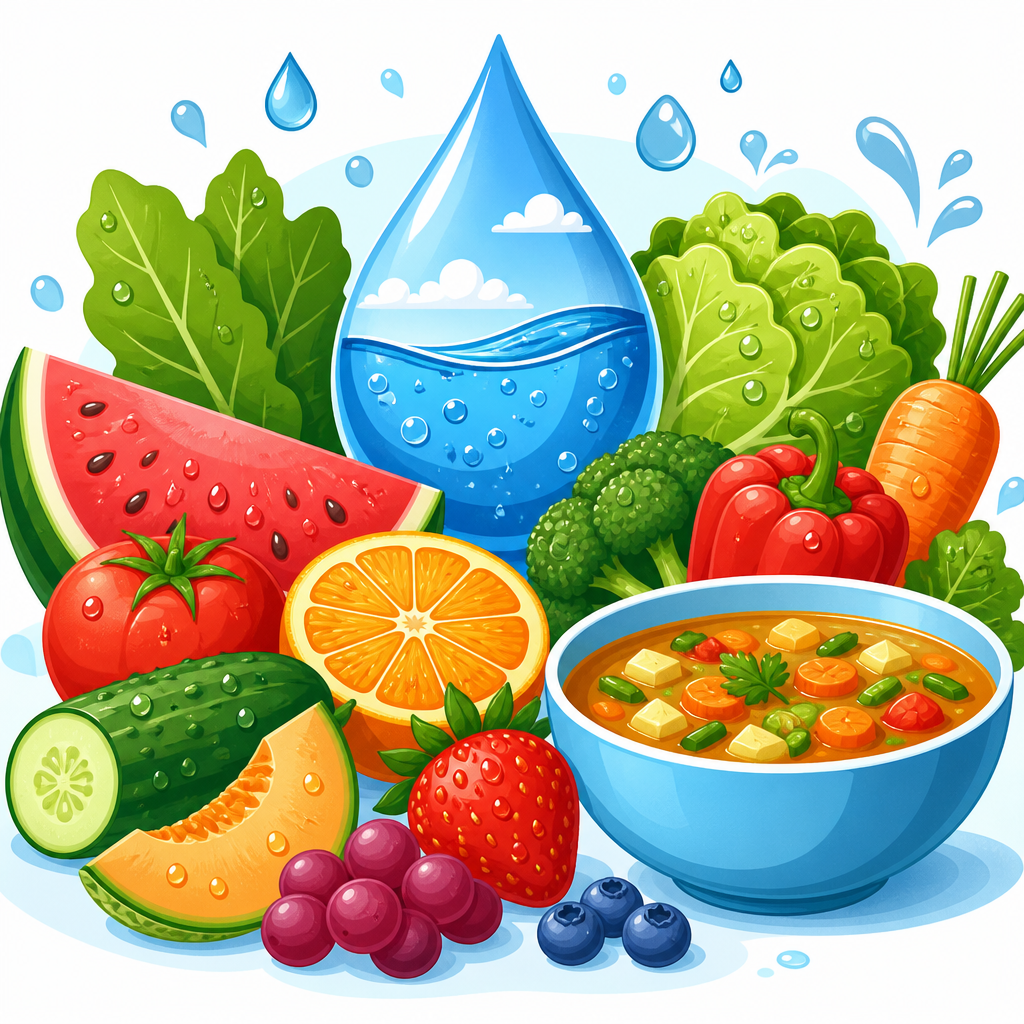
Hydration is not only about plain water. It includes water from drinking water, milk, tea, coffee, oral rehydration solutions, and the water contained in solid foods. The body does not care whether a molecule of water came from a glass, an orange, or a bowl of chicken vegetable soup; once absorbed, it enters the same fluid systems. Food contributes meaningfully because many staple foods are mostly water by weight. Cucumbers, iceberg lettuce, celery, tomatoes, zucchini, strawberries, watermelon, peaches, and oranges all contain more than 85 percent water. Broth-based soups and stews can exceed that depending on ingredients.
Public health guidance generally frames hydration as total fluid intake, not just beverage intake. The U.S. National Academies set Adequate Intake levels for total water from all beverages and foods at about 3.7 liters per day for men and 2.7 liters per day for women, with needs varying by body size, activity, climate, pregnancy, lactation, illness, and diet composition. Those figures are not a mandatory target for everyone, but they are useful reference points. In practice, food commonly provides around 500 to 1,000 milliliters per day, and sometimes more in produce-heavy eating patterns.
This distinction matters because hydration behavior should fit the person. An endurance athlete training in summer heat will still need substantial beverage intake, often with sodium, because sweat losses can exceed one liter per hour. A sedentary office worker eating soup, fruit, and vegetables may cover more of their needs from meals than they assume. The best hydration strategy accounts for both sources.
How Much Water Comes From Fruits, Vegetables, and Soups
Fruits, vegetables, and soups are the most efficient food-based sources of water because they combine high moisture content with nutrients that support fluid balance, including potassium, magnesium, and in some cases sodium. Potassium-rich foods such as oranges, cantaloupe, tomatoes, and potatoes help regulate fluid distribution inside and outside cells. Broth-based soups can help restore both water and sodium, which is useful after sweating, during hot weather, or when appetite is low.
Water content varies by food, but the broad pattern is consistent: non-starchy vegetables and many fruits are extremely water-rich, while concentrated foods such as crackers, chips, nut butter, granola, and cured meats are comparatively dry. Soup deserves special attention because it delivers water in a form people often tolerate well when stressed, tired, or sick. I routinely suggest broth-based soups to people who struggle to drink enough because soup counts toward hydration and is often easier to consume than plain water alone.
| Food | Approximate Water Content | Why It Helps Hydration |
|---|---|---|
| Cucumber | 95% water | Very high moisture, easy to add to meals and snacks |
| Watermelon | 91% water | High water plus potassium; useful in hot weather |
| Strawberries | 91% water | Hydrating, portable, and rich in vitamin C |
| Orange | 86% water | Provides water, potassium, and natural sugars |
| Tomato | 94% water | High moisture and versatile across meals |
| Lettuce | 95% water | Adds fluid volume with minimal calories |
| Zucchini | 94% water | Useful cooked or raw, contributes to meal moisture |
| Broth-based vegetable soup | Mostly water | Delivers fluid, sodium, and easy digestion |
The exact amount you get depends on serving size. A large orange, a bowl of strawberries, and a tomato salad can together supply several hundred milliliters of water. Add a bowl of soup at lunch and food may cover a large fraction of the day’s fluid needs. That is one reason traditional food patterns built around produce, beans, cooked vegetables, and soups can support hydration well even when people are not carrying large water bottles all day.
Why Food-Based Hydration Supports Health
Hydration and its role in health go beyond avoiding thirst. Adequate fluid status supports blood volume, which helps deliver oxygen and nutrients to tissues. It also supports thermoregulation through sweat, maintains saliva and digestive secretions, protects joints and eyes, and allows the kidneys to filter waste efficiently. Even mild dehydration can impair mood, attention, endurance, and perceived effort during physical activity. In older adults, low fluid intake increases the risk of dizziness, confusion, constipation, kidney stones, and heat-related illness.
Food-based hydration offers several advantages. First, water-rich foods often come packaged with fiber, vitamins, minerals, and phytochemicals. An orange hydrates while also supplying vitamin C and potassium. A vegetable soup can provide water, sodium, protein, and energy, which matters during recovery from gastrointestinal illness or poor appetite. Second, foods release water more gradually than chugging a large drink, especially when fiber and protein slow gastric emptying. That can improve satiety and support steadier intake across the day.
There are also practical benefits. Many people who say they forget to drink are much more consistent when hydration is built into meals. A breakfast of oatmeal made with milk, topped with berries; a lunch with soup and salad; and a snack of yogurt and fruit can quietly raise fluid intake without turning hydration into a separate task. In clinical and everyday settings, those routine patterns are easier to sustain than rigid rules.
Hydration Needs Change With Age, Activity, and Environment
No single number fits everyone. Fluid needs rise with body size, exercise, heat exposure, altitude, fever, vomiting, diarrhea, pregnancy, and lactation. Needs may also increase with very high fiber intake, because fiber absorbs water in the digestive tract. Children can dehydrate quickly because of smaller body size. Older adults may drink less because thirst sensation can become less reliable with age, and some deliberately restrict fluids due to urinary symptoms. Those groups benefit from structured hydration habits and water-rich meals.
Athletes and physically active people should think beyond total volume and consider sweat rate and electrolyte losses. If someone loses two pounds during a training session, that reflects about 32 ounces of fluid loss. Replacing those losses usually requires both water and sodium, particularly after prolonged sweating. In that context, fruit helps but may not be enough on its own. A banana, orange, or melon can contribute potassium and water, yet a broth, sports drink, or salty meal may also be appropriate depending on duration and heat.
Climate and season matter too. In winter, people often drink less because sweat is less obvious and indoor heating dries the air. In summer, sweating climbs dramatically. I often see better hydration compliance when people shift seasonally: citrus and soups in colder months, watermelon, cucumber salads, tomatoes, and smoothies in warmer months.
How to Tell Whether You Are Hydrated Enough
The simplest day-to-day indicator is urine color. Pale yellow usually suggests adequate hydration, while dark yellow often indicates the need for more fluid. This is not perfect; B vitamins, medications, and first-morning urine can alter color. Frequency matters too. Going many hours without urinating, persistent thirst, dry mouth, headache, fatigue, dizziness, reduced exercise performance, and constipation can all point to low fluid intake. Rapid heart rate, confusion, and very low urine output require prompt medical attention.
Body weight changes can help active people assess short-term fluid losses. Weighing before and after exercise under similar conditions gives a practical estimate of sweat loss. Clinicians may use blood tests, urine specific gravity, and symptom history in more complex cases, but most healthy people do not need laboratory monitoring. For everyday use, a good approach is straightforward: drink regularly, include hydrating foods, monitor urine color, and increase intake when heat, activity, or illness raises losses.
It is also possible to overdo fluid intake, especially if someone drinks excessive plain water during endurance events without replacing sodium. That can lead to exercise-associated hyponatremia, a dangerous drop in blood sodium. The lesson is balance, not maximal intake. Hydration should match actual needs.
Best Foods and Meal Patterns for Better Hydration
If you want more hydration from food, focus on structure, not isolated ingredients. Start breakfast with foods that naturally carry water: oatmeal, chia pudding, yogurt, cottage cheese with fruit, smoothies, or eggs with tomatoes and spinach. At lunch, soup and salad is effective because it layers fluid from broth and vegetables. At dinner, include at least two high-water plant foods such as roasted zucchini, tomatoes, sautéed greens, cucumbers, or fruit for dessert. Snacks can do meaningful work too: grapes, apples, melon, celery with hummus, or oranges all add fluid.
Soups are especially valuable. Broth-based soups such as minestrone, chicken vegetable, miso soup, and lentil soup deliver water while also supplying sodium and nutrients. Pureed vegetable soups can be useful for people with chewing difficulty or low appetite. Even foods not thought of as “watery” can contribute when prepared with liquid, including cooked grains, beans, stewed fruit, and pasta with vegetable-rich sauces. Meal composition changes hydration more than most people expect.
One practical method I use is to pair each meal with one hydrating produce item and one fluid-rich dish. For example: breakfast with berries and oatmeal, lunch with tomato salad and soup, dinner with cucumbers and a bean stew. This pattern spreads intake across the day and reduces the late-afternoon crash that often happens when someone realizes they have barely had any fluid since morning.
Common Myths About Water From Food
The first myth is that only plain water counts. It does not. Water-rich foods and most beverages contribute to total hydration. The second myth is that coffee and tea are dehydrating. In typical amounts, they contribute fluid despite their mild diuretic effect, especially in habitual users. The third myth is that thirst is always an adequate guide. Thirst is useful, but it can lag behind needs during intense exercise, illness, and aging. The fourth myth is that everyone needs exactly eight glasses of water per day. Fluid needs vary too much for that rule to work well.
Another misunderstanding is that sugary fruit should be avoided for hydration. Whole fruit is not equivalent to sugar-sweetened beverages. Fruit contains water, fiber, micronutrients, and lower energy density. For most people, whole fruit is one of the best hydrating snack options available. Finally, people often assume soup is unhealthy because of sodium. Some soups are very salty, and that matters for certain medical conditions, but sodium itself is not automatically negative. After sweating or during poor intake, sodium can be beneficial because it helps retain fluid and supports normal nerve and muscle function.
Building a Sustainable Hydration Plan
The most effective hydration plan is simple enough to repeat. Anchor fluid intake to daily routines, then use food to close the gap. Keep water available, but also stock hydrating staples: citrus, berries, melon, cucumbers, tomatoes, lettuce, broth, yogurt, and frozen vegetables for quick soups. If you work at a desk, drink at the start of each task block. If you are active, begin exercise hydrated and replace sweat losses afterward. If you care for children or older adults, offer fluids and produce regularly rather than waiting for thirst cues.
Hydration and its role in health become much easier to manage once you stop treating water as something that only comes from a bottle. Fruits, vegetables, and soups can provide a substantial share of daily fluid intake while also improving diet quality. The key takeaways are clear: total hydration includes food, water-rich produce is one of the best sources, soup is a practical hydration tool, and fluid needs change with activity, weather, age, and health status. Build meals around high-moisture foods, monitor simple signs such as urine color and thirst, and adjust intake when conditions change. If you want better energy, digestion, and resilience, start with your next meal and make hydration part of the plate.
Frequently Asked Questions
How much of your daily water intake actually comes from food?
For most people, food contributes a meaningful share of total daily water intake, not just a tiny extra amount. A common estimate is that roughly 20% to 30% of total hydration can come from food, although that number varies based on eating habits, climate, activity level, and the kinds of foods a person chooses. Someone who eats a lot of fresh fruit, vegetables, yogurt, oatmeal, and soups will usually get more water from food than someone whose diet centers on dry, packaged, or highly processed items.
This matters because hydration is not just about what you drink. Your body uses water from all sources to support circulation, temperature control, digestion, nutrient transport, kidney function, joint lubrication, and normal cellular activity. In practical terms, that means a bowl of vegetable soup, a cucumber salad, a serving of berries, and a melon snack all count toward hydration. If you have ever felt like you were “doing everything right” by drinking water but still overlooked the role of meals, this is often the missing piece. Total water intake is broader and more realistic than simply counting glasses.
Which foods provide the most water?
Foods with the highest water content are usually fruits, vegetables, and broth-based dishes. Many fresh produce options contain well over 85% water, and some are above 90%. Examples include cucumber, lettuce, celery, zucchini, tomatoes, watermelon, strawberries, oranges, cantaloupe, and peaches. These foods can deliver fluid in a very efficient way because they combine water with vitamins, minerals, fiber, and natural carbohydrates.
Soups are another excellent source, especially broth-based soups loaded with vegetables, beans, or lean proteins. Yogurt, cottage cheese, applesauce, smoothies, cooked cereals such as oatmeal, and even foods like boiled potatoes can also contribute more fluid than people expect. The key idea is that “water-rich” does not mean only raw produce. Many simple everyday foods contain substantial moisture. If your goal is easier hydration, building meals around produce, soups, and other moisture-rich foods can make a noticeable difference without forcing yourself to constantly sip water all day.
Does water from food hydrate you as well as drinking water?
Yes, water from food absolutely contributes to hydration. Once consumed, the body uses the water in food just as it uses the water in beverages. In fact, in some cases, water-rich foods may support hydration especially well because they are absorbed along with electrolytes, carbohydrates, protein, and fiber, which can help with fluid retention and overall nourishment. That is one reason foods like fruit, yogurt, and soup often feel satisfying and refreshing at the same time.
Drinking plain water is still important because it is the most direct, calorie-free, and convenient way to increase fluid intake. But it is not the only valid source. Hydration should be viewed as a full-day pattern, not a single habit. If a person eats balanced meals with plenty of produce and also drinks fluids regularly, hydration is usually easier to maintain. The most accurate approach is to think in terms of total water intake from both foods and beverages rather than treating them as separate issues.
Can eating more fruits, vegetables, and soups help prevent dehydration?
They can certainly help, especially for people who struggle to drink enough fluids consistently. Water-rich foods increase fluid intake steadily across the day, which can support hydration without requiring a person to rely entirely on drinks. This can be especially useful for children, older adults, busy workers, and anyone who forgets to drink water unless they feel thirsty. A meal that includes salad, fruit, and soup can provide a significant amount of fluid almost automatically.
That said, water-rich foods are not always enough on their own. In hot weather, during intense exercise, with fever, vomiting, diarrhea, or heavy sweating, fluid needs can rise quickly. In those situations, beverages become even more important, and electrolytes may also matter depending on the circumstances. Think of fruits, vegetables, and soups as a strong hydration foundation rather than a complete replacement for drinking fluids. They lower the burden of “having to drink everything,” but they work best as part of a larger hydration routine.
What are practical ways to increase the amount of water you get from food?
The easiest strategy is to include at least one high-water food at every meal and snack. Add berries or melon to breakfast, choose a salad or vegetable side at lunch, include tomatoes, cucumbers, zucchini, or steamed vegetables with dinner, and use broth-based soups as meals or starters. Snacks such as oranges, grapes, celery with hummus, applesauce, or yogurt can add fluid between meals. Smoothies can also help, especially when they include fruit, milk or yogurt, and ingredients with natural water content rather than relying mostly on powders.
Another effective approach is to pay attention to food texture and cooking style. Fresh produce, chilled fruit, stewed vegetables, soups, oatmeal, and yogurt-based dishes usually deliver more moisture than dry snack foods, crackers, chips, or dense baked goods. If someone wants a realistic hydration plan, I often recommend making meals “moisture-aware” rather than obsessing over water bottles alone. This means pairing beverages with water-rich foods so hydration happens from multiple directions. It is simple, practical, and often far easier to maintain long term.