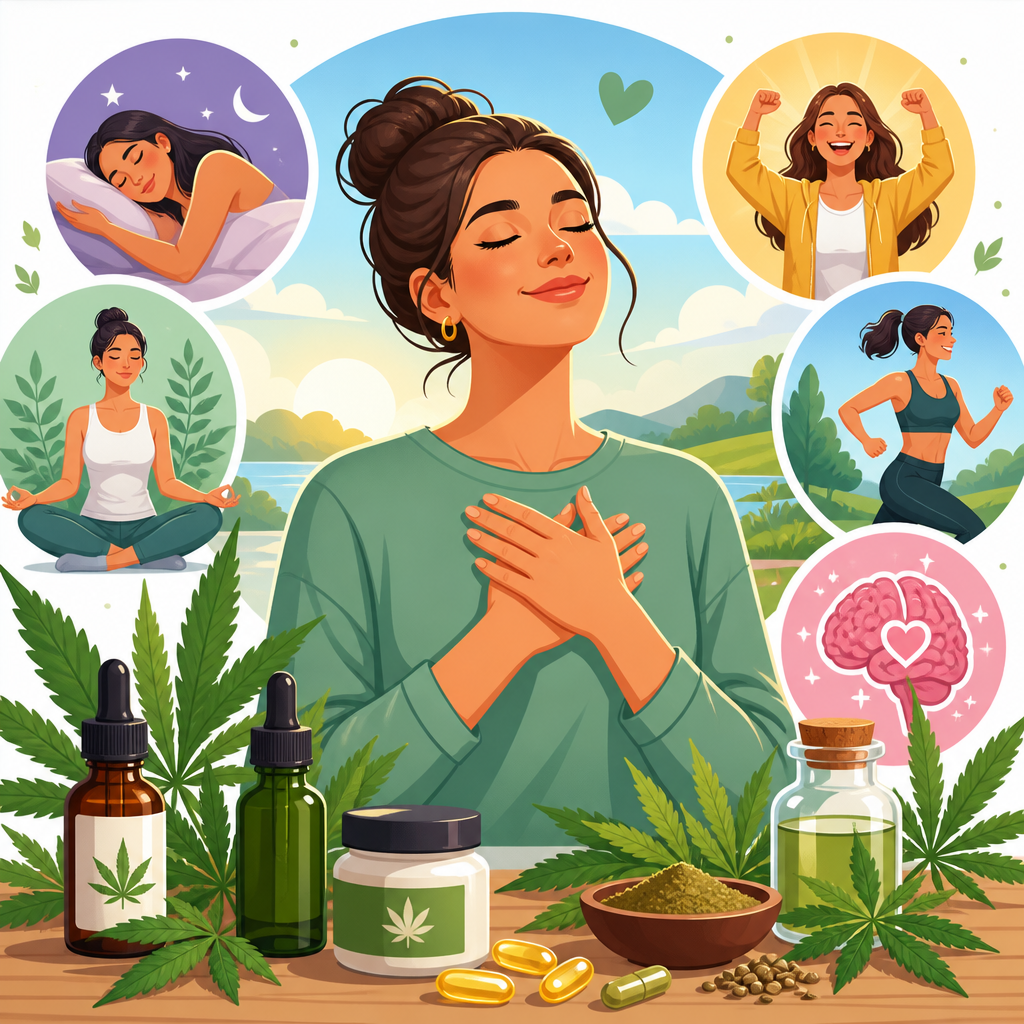
CBD and hemp-based supplements have moved from niche wellness shelves into mainstream health conversations because many people want plant-derived options that may support stress, sleep, recovery, and daily balance without the intoxicating effects associated with marijuana. In practice, these products sit within the broader supplements and nutraceuticals category, where consumers expect measurable benefits, clear labeling, and safety standards comparable to vitamins, minerals, and botanical extracts. Understanding how CBD and hemp-based supplements impact overall well-being starts with defining the terms accurately, separating evidence from marketing, and explaining where these products may fit into a realistic wellness routine.
CBD, short for cannabidiol, is one of more than one hundred cannabinoids identified in Cannabis sativa. Hemp is a legal and agricultural classification of cannabis that contains very low levels of delta-9 tetrahydrocannabinol, commonly called THC, the compound primarily responsible for intoxication. Hemp-based supplements can include CBD oils, softgels, gummies, beverages, powders, topicals, and formulas that also contain terpenes, flavonoids, omega fatty acids, or adaptogenic herbs. Some products are labeled full-spectrum, meaning they retain multiple hemp compounds including trace THC within legal limits; broad-spectrum, meaning they include several hemp compounds but remove THC; or isolate, meaning they contain purified CBD alone. Those distinctions matter because the ingredient profile can influence user experience, workplace drug-testing risk, and how a product fits a person’s goals.
This topic matters because consumer interest has outpaced education. I have reviewed hemp supplement labels, vendor certificates, extraction methods, and dosing protocols enough to know that quality varies sharply across brands. A well-made product can be thoughtfully formulated and third-party tested, while a poor one may be mislabeled, contaminated, or dosed so lightly that it cannot reasonably deliver the promised effect. For a hub page on CBD and hemp-based supplements, the key is not to treat them as miracle cures. The responsible view is that they are adjunct tools: potentially useful for some aspects of well-being, limited by product quality, individual biology, medication interactions, and still-developing evidence. Used carefully, they may support a broader health strategy built on sleep, nutrition, movement, and medical guidance when needed.
How CBD Works in the Body
CBD influences overall well-being primarily through its interaction with the endocannabinoid system, a signaling network involved in maintaining homeostasis. The endocannabinoid system includes receptors such as CB1 and CB2, naturally produced signaling molecules like anandamide and 2-AG, and enzymes that synthesize and break down those compounds. CBD does not act like THC, which directly binds more strongly to cannabinoid receptors. Instead, cannabidiol has a broader, more indirect pharmacological profile. It can influence receptor signaling, enzyme activity, ion channels, and serotonin-related pathways, particularly 5-HT1A, which helps explain why people often report effects related to calm, mood, and stress resilience rather than a psychoactive high.
That mechanistic difference is why hemp-based supplements are usually discussed in the context of general wellness rather than intoxication. A person taking a CBD softgel before bed is typically looking for easier wind-down, fewer stress spikes, or support for physical recovery after training, not impairment. Effects are also delivery-dependent. Oils absorbed under the tongue may act faster than capsules, while gummies are convenient but slower because they pass through digestion. Topicals are used for localized applications and usually do not produce the same whole-body effect expected from oral forms. In real-world use, understanding onset time, duration, and ingredient synergy prevents common mistakes, such as taking more too soon and assuming the first dose “did nothing.”
Potential Benefits for Stress, Sleep, and Daily Balance
The most common reason people explore CBD and hemp-based supplements is stress management. Users often describe feeling less keyed up, more even, or better able to transition out of a racing-mind state in the evening. That does not mean CBD treats every anxiety disorder or replaces evidence-based mental health care. It means it may help some adults moderate day-to-day tension, especially when stress shows up physically as restlessness, muscle tightness, or difficulty unwinding. Products that combine CBD with lemon balm, L-theanine, magnesium glycinate, or low-dose melatonin are common because formulators aim to support the same outcome through multiple pathways.
Sleep is the second major area of interest. In practice, CBD is often more useful for settling pre-sleep arousal than for forcing sedation. People who struggle because their thoughts stay active, their body feels “on,” or evening stress spills into bedtime may find a moderate dose helpful. Full-spectrum hemp extracts are sometimes preferred at night because minor cannabinoids and terpenes such as myrcene or linalool may shape the subjective effect, though this varies by product and person. For recovery, physically active adults also use CBD after intense training blocks, travel, or long workdays when strain, soreness, and poor sleep accumulate together. The benefit here is less about one dramatic effect and more about supporting steadier routines that protect overall well-being.
Types of Hemp Supplements and How to Choose Between Them
The best CBD or hemp supplement depends on the intended use, tolerance for taste, desired onset time, and sensitivity to THC. Tinctures offer flexible dosing and faster adjustment because users can measure partial droppers. Softgels and capsules are more precise and discreet, making them practical for people who want consistency. Gummies improve adherence because they taste familiar, though sugar content and delayed onset are worth noting. Powders and drink mixes can fit hydration or recovery rituals. Topicals such as balms, creams, and roll-ons target localized discomfort or post-exercise areas without the same systemic expectations as oral supplements. Pet formulas exist too, but they should never be assumed interchangeable with human products.
| Product type | Best use case | Typical onset | Main advantage | Main limitation |
|---|---|---|---|---|
| Tincture | Flexible daily dosing | 15 to 45 minutes | Easy to adjust serving size | Earthy taste bothers some users |
| Softgel or capsule | Routine consistency | 45 to 90 minutes | Precise and convenient | Slower onset |
| Gummy | Beginner-friendly use | 45 to 120 minutes | Palatable and portable | Often lower potency per piece |
| Topical | Localized application | 15 to 30 minutes | No swallowing required | Not ideal for whole-body goals |
When comparing options, ingredient transparency matters more than branding. A credible label lists CBD amount per serving, hemp extract type, carrier oil, other active ingredients, and batch-specific third-party test results. Carbon dioxide extraction is widely respected because it avoids harsh solvent residues, although other compliant extraction methods can also produce quality extracts. Broad-spectrum products are often the middle ground for people wanting a multi-compound hemp profile with reduced THC exposure. Isolates can suit users who want only cannabidiol, but some find them less rounded subjectively. Choosing between these forms is not about hype; it is about matching formulation details to a clear wellness objective.
Safety, Side Effects, and Drug Interactions
CBD is generally well tolerated, but “natural” does not automatically mean risk-free. The side effects most often reported include fatigue, dry mouth, loose stools, appetite changes, and lightheadedness, especially when the dose is too high or increased too quickly. The more important concern is interaction potential. CBD can affect liver enzymes in the cytochrome P450 family, which are involved in metabolizing many prescription medications. That means a person taking blood thinners, anti-seizure medications, certain antidepressants, sedatives, immunosuppressants, or other drugs with narrow therapeutic windows should speak with a clinician or pharmacist before using hemp supplements. This is a practical safety issue, not a theoretical one.
There are also quality-control concerns. Independent investigations have repeatedly found mislabeled cannabinoid products, including items with less CBD than claimed, more THC than expected, or contaminants such as pesticides, residual solvents, heavy metals, and microbial impurities. Reputable companies address this with third-party certificates of analysis that verify cannabinoid potency and screen for contaminants. Look for testing performed by an ISO-accredited laboratory and make sure the report matches the product batch. Pregnant or breastfeeding individuals should avoid CBD unless specifically advised by a qualified clinician, and anyone subject to workplace drug testing should understand that full-spectrum products may contain enough THC to create risk over time. Responsible use begins with informed caution.
Dosing Strategy and Realistic Expectations
One of the biggest misconceptions in the CBD category is that there is a universal serving size. In reality, effective use is highly individual because body mass, metabolism, symptom pattern, delivery format, and cannabinoid sensitivity differ widely. The most practical approach is “start low and go slow.” Many adults begin with a low daily amount, monitor effects for several days, then adjust gradually. Someone using a tincture for evening stress may respond well to a modest dose taken thirty to sixty minutes before bed, while another person may need a split routine with smaller daytime and nighttime servings. Consistency matters more than chasing large single doses.
Realistic expectations are equally important for overall well-being. CBD and hemp-based supplements are not a replacement for therapy, exercise, sleep hygiene, or treatment of underlying conditions such as sleep apnea, major depression, autoimmune disease, or chronic pain syndromes. They are support tools. I have seen the best outcomes when people define a narrow target such as “fewer stress-related wakeups,” “better post-workout wind-down,” or “less evening tension” and then track whether the product changes that specific metric after two to four weeks. Keeping a simple log of timing, dose, sleep quality, mood, and side effects can reveal whether a supplement is genuinely helping or simply adding cost and complexity.
How CBD Fits Within a Broader Nutraceutical Routine
As a sub-pillar within supplements and nutraceuticals, CBD and hemp-based supplements make the most sense when viewed alongside adjacent categories rather than in isolation. For stress support, they are often compared with magnesium, L-theanine, ashwagandha, saffron, phosphatidylserine, and B-complex formulas. For sleep, they may sit beside melatonin, glycine, valerian, chamomile, and magnesium. For recovery, consumers may also consider omega-3 fatty acids, curcumin, tart cherry, protein, and electrolytes. The advantage of a hemp supplement is that it can address the overlap between mental tension, physical discomfort, and difficulty winding down. The limitation is that response is less predictable than basic nutrients with clearly established deficiency states.
This hub topic also connects naturally to future articles on full-spectrum versus broad-spectrum products, reading lab reports, choosing CBD for sleep, topical hemp products for recovery, and the legal status of cannabinoids by market. Those subtopics matter because the category is evolving quickly. Formulas now increasingly combine cannabinoids such as CBG or CBN with traditional nutraceutical ingredients, and brands are differentiating through bioavailability technologies like emulsions and liposomal delivery. Some of these innovations are useful; some are mostly marketing. The durable principles remain the same: use products with transparent testing, select the form that matches the wellness goal, watch for medication interactions, and judge results by measured changes in daily function rather than trend-driven claims.
CBD and hemp-based supplements can positively impact overall well-being when they are chosen carefully, used consistently, and measured against realistic outcomes. The strongest use cases today are stress support, evening relaxation, sleep readiness, and recovery support, especially for adults looking for non-intoxicating plant-based options. The most important terms to understand are hemp, CBD, full-spectrum, broad-spectrum, and isolate, because those labels shape both effect profile and THC exposure. Product form matters, dose matters, and quality testing matters. A high-quality tincture or softgel from a transparent brand is fundamentally different from an underdosed, poorly tested product sold on vague promises.
The central benefit of this category is not that CBD solves every health concern. It is that, for the right person, the right hemp supplement may make daily wellness habits easier to maintain by reducing friction around stress, rest, and recovery. That benefit only appears when buyers look beyond branding and evaluate extraction method, ingredient profile, third-party testing, and potential interactions. If you are exploring CBD and hemp-based supplements as part of your nutraceutical routine, start with a clearly defined goal, choose a verified product, and consult a healthcare professional when medications or medical conditions are involved. Then track your response carefully and build from evidence, not hype.
Frequently Asked Questions
1. How can CBD and hemp-based supplements support overall well-being?
CBD and hemp-based supplements are often used as part of a broader wellness routine because they may help support balance in areas that influence how people feel day to day, including stress response, sleep quality, physical recovery, and general comfort. CBD, or cannabidiol, is a non-intoxicating compound found in hemp that interacts indirectly with the body’s endocannabinoid system, a signaling network involved in maintaining internal balance. Rather than acting like a stimulant or sedative in the traditional sense, CBD is typically described as supporting the body’s natural ability to regulate mood, rest, inflammation, and recovery.
Many consumers report using these supplements to take the edge off occasional stress, improve relaxation in the evening, or support post-exercise recovery. Hemp-based products may also contain additional plant compounds such as terpenes, flavonoids, and minor cannabinoids, depending on whether the formula is full-spectrum, broad-spectrum, or CBD isolate. These compounds may work together in ways that enhance the overall effect of the supplement, although results can vary from person to person.
It is important to view CBD and hemp supplements as supportive tools rather than miracle products. They are most effective when paired with foundational health habits such as quality sleep, good nutrition, regular physical activity, and stress management. For people looking for plant-derived options that fit into a modern supplement routine, CBD and hemp products can be appealing because they offer a non-intoxicating approach to everyday wellness when sourced and used responsibly.
2. Will CBD make you feel high, and how is it different from marijuana?
In properly formulated hemp-derived supplements, CBD does not produce the intoxicating “high” associated with marijuana. That effect is primarily linked to THC, or tetrahydrocannabinol, the cannabinoid responsible for the psychoactive experience people commonly associate with cannabis. Hemp and marijuana both come from the cannabis plant family, but they are legally and chemically distinguished by their THC content. Hemp-derived products are generally made from plants containing very low levels of THC, typically no more than 0.3% on a dry-weight basis in many jurisdictions.
CBD itself is considered non-intoxicating, which is one reason it has become popular among people who want support for stress, rest, or recovery without impairment. That said, not all hemp products are identical. Full-spectrum formulas may contain trace amounts of THC along with other cannabinoids and terpenes, while broad-spectrum products usually remove detectable THC but retain other hemp compounds. CBD isolate contains only cannabidiol. For someone who wants to avoid THC entirely, broad-spectrum or isolate products may be the more appropriate choice, though independent lab testing is still essential.
Consumers should also remember that individual responses can differ. Even without intoxication, some people feel calm, relaxed, or slightly drowsy after taking CBD, especially at higher servings. That does not mean they are “high,” but it does mean timing and dosage matter. Reading product labels carefully and choosing tested, reputable brands helps ensure the experience aligns with personal wellness goals and safety expectations.
3. What should you look for when choosing a high-quality CBD or hemp supplement?
Quality matters enormously in the CBD and hemp category because the market includes a wide range of products with varying strengths, ingredients, and manufacturing standards. A trustworthy supplement should provide clear, transparent labeling that tells you how much CBD is in each serving, what type of hemp extract is used, and whether the formula includes other active ingredients such as melatonin, adaptogens, botanicals, or functional nutrients. Vague labels, proprietary blends without amounts, or exaggerated claims are all reasons to be cautious.
One of the most important quality indicators is third-party testing. Reputable brands make certificates of analysis available from independent laboratories that verify cannabinoid potency and check for contaminants such as pesticides, heavy metals, residual solvents, and microbial impurities. This is especially important with hemp because it is a bioaccumulator, meaning it can absorb compounds from the soil. Products should also be manufactured according to recognized quality standards, such as current good manufacturing practices, which help support consistency and safety.
It is also wise to evaluate the form of the supplement and whether it fits your goals. Oils and tinctures may allow flexible dosing, gummies and capsules offer convenience, and topical products are often chosen for localized support. Beyond format, consider sourcing, hemp extraction method, added ingredients, and the company’s reputation. The best CBD or hemp supplement is not simply the strongest one, but the one with transparent testing, clean formulation, reliable dosing, and a use case that matches your wellness needs.
4. Are CBD and hemp-based supplements safe, and are there any side effects or interactions to know about?
For many healthy adults, CBD and hemp-based supplements are generally well tolerated when used as directed, but “natural” does not automatically mean risk-free. Possible side effects can include drowsiness, dry mouth, digestive upset, appetite changes, or lightheadedness, especially when starting a new product or taking larger servings. Individual sensitivity, body size, timing, and whether the supplement is taken with food can all influence how someone responds.
One of the most important safety considerations is the potential for drug interactions. CBD may affect the way the body processes certain medications, including some blood thinners, seizure medications, antidepressants, and other prescription drugs metabolized through liver enzyme pathways. That means people who take medications regularly, have liver conditions, are pregnant or breastfeeding, or are managing chronic health concerns should talk with a qualified healthcare professional before adding CBD to their routine. This is particularly important if the goal is daily use rather than occasional use.
Safety also depends on product quality. Poorly made supplements may contain inaccurate CBD levels, more THC than expected, or contaminants that undermine both efficacy and trust. Starting with a low serving and increasing gradually, while monitoring how you feel, is a practical approach for many users. In short, CBD and hemp supplements can be a reasonable part of a wellness plan, but informed product selection, label awareness, and professional guidance when needed are key to using them responsibly.
5. How long does it take for CBD and hemp supplements to work, and how do you find the right serving size?
The time it takes to notice effects from CBD and hemp supplements depends largely on the delivery format, the product composition, and the individual taking it. Oils and tinctures used sublingually may be felt relatively quickly, often within 15 to 45 minutes, because some of the active compounds are absorbed through tissues in the mouth before digestion. Gummies, capsules, and other edible formats typically take longer, often 30 minutes to 2 hours, because they must pass through the digestive system first. Topical hemp products may be used for more localized support and have a different onset profile altogether.
Finding the right serving size is equally individual. There is no universal amount that works for everyone because response can be influenced by body weight, metabolism, sensitivity, wellness goals, and whether the formula includes other active compounds. A common strategy is to start low and increase slowly over several days or weeks. This allows you to observe how your body responds without taking more than necessary. For example, someone using CBD for occasional evening relaxation may find a different serving helpful than someone using it for post-workout recovery or general daytime balance.
Consistency can also matter. Some people notice benefits the first few times they use a product, while others feel that regular use over a longer period leads to more noticeable support. Keeping a simple wellness log that tracks serving size, timing, and outcomes such as sleep quality, stress level, or recovery can be helpful. Ultimately, the right approach is one that combines realistic expectations, gradual adjustment, and a high-quality product with clearly labeled potency and tested ingredients.