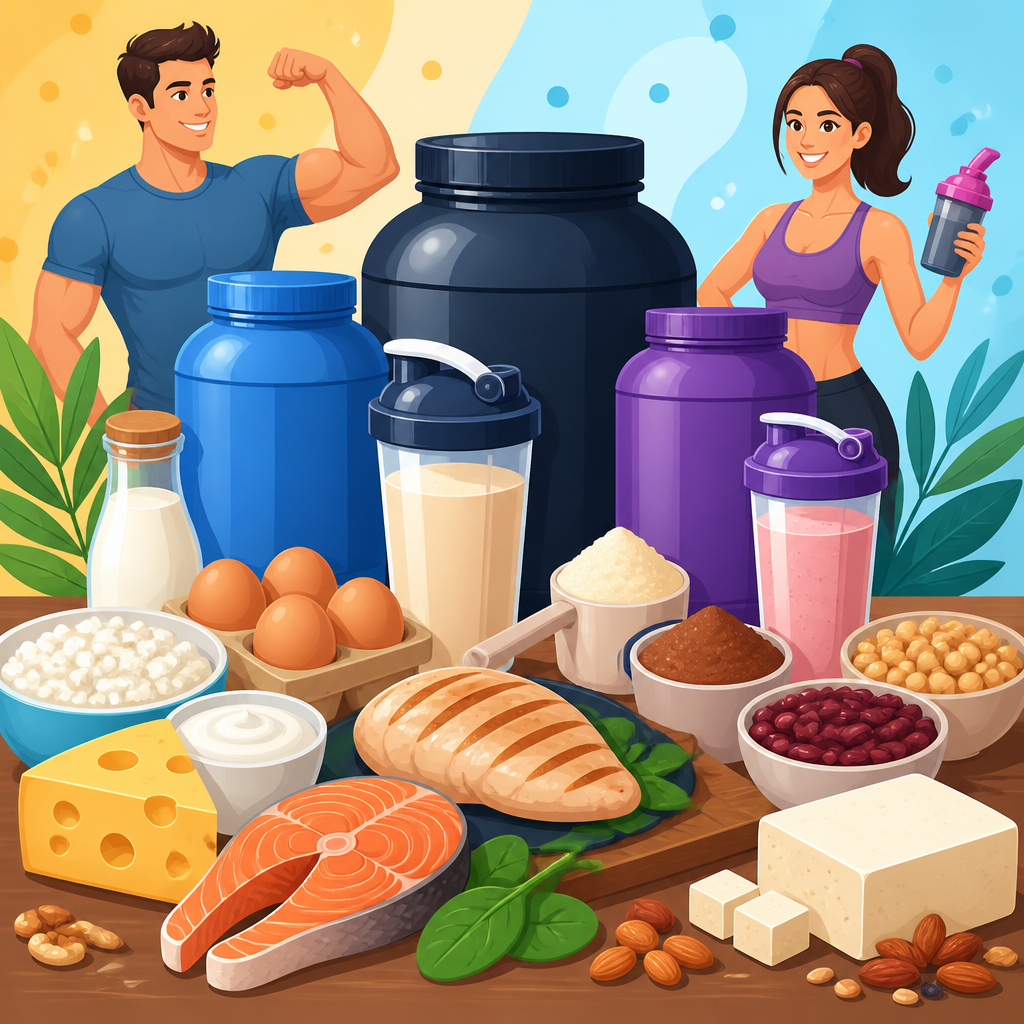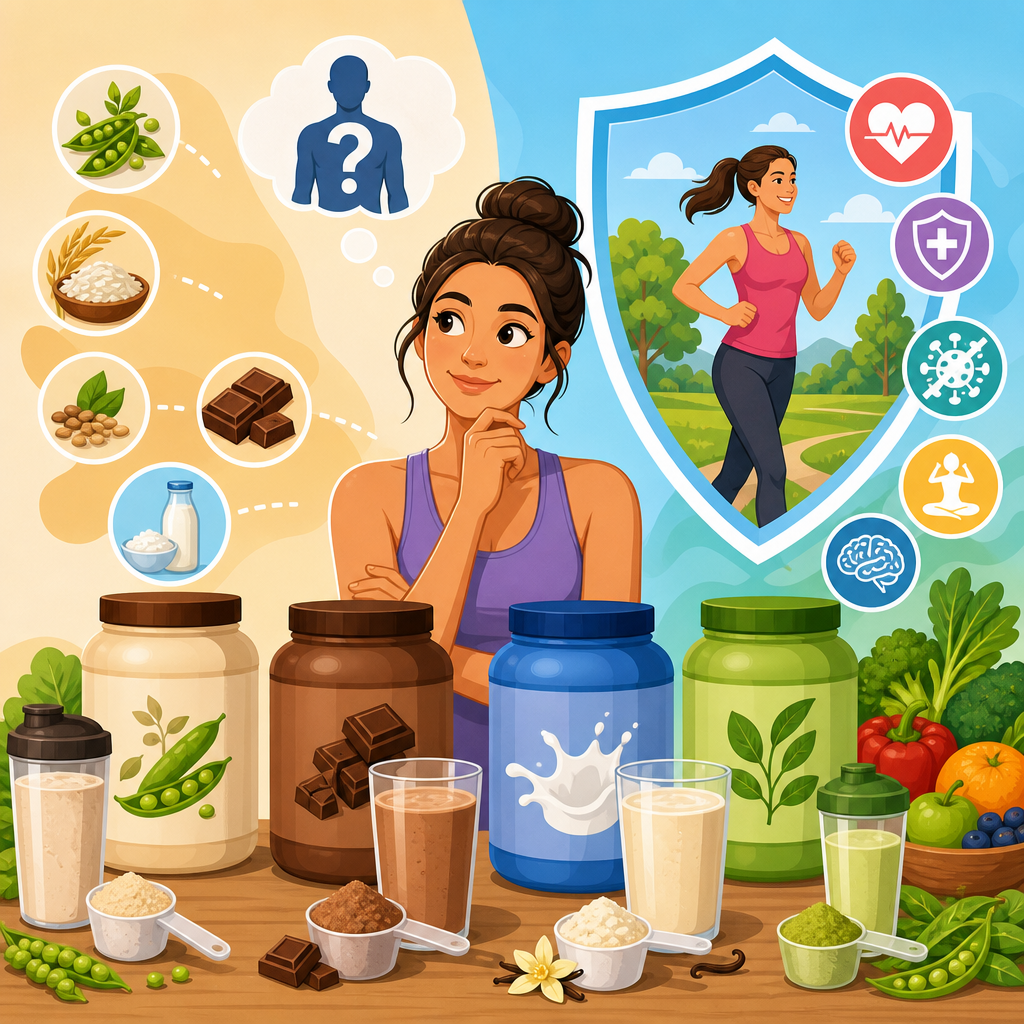
Protein powders sit at the intersection of nutrition convenience, performance support, and long-term health, which is why choosing the right one matters far beyond the gym. In the supplements and nutraceuticals market, “protein powder” refers to concentrated dietary protein made from dairy, eggs, legumes, grains, or collagen-rich animal tissues, processed into a shelf-stable powder that can be mixed into drinks or foods. The phrase “which protein powder is right for you” is not a trivial shopping question; it is a decision shaped by amino acid quality, digestibility, allergen risk, training goals, metabolic health, age, and even disease prevention priorities. After working with active adults, older clients, and people trying to improve basic diet quality, I have seen the same pattern repeatedly: the best protein powder is the one that fits a person’s physiology, budget, and routine well enough to be used consistently.
Protein itself is essential for muscle protein synthesis, immune function, wound healing, hormone signaling, and maintenance of lean body mass during aging or weight loss. Powders can help fill gaps when whole-food intake is low, appetite is poor, or meal timing is difficult. They are especially useful after exercise, during calorie restriction, and for older adults who struggle to meet higher protein targets. At the same time, not every powder delivers the same nutritional value. Some are complete proteins with all nine essential amino acids in robust amounts. Others are lower in leucine, methionine, or lysine, which can affect muscle-building potential unless blended carefully.
The disease prevention angle is equally important. Adequate protein intake supports healthy aging by slowing sarcopenia, the age-related loss of muscle mass and strength linked with falls, frailty, insulin resistance, and loss of independence. Protein-rich diets can improve satiety and aid weight management, reducing risk factors associated with type 2 diabetes and cardiovascular disease. Certain powders may also support bone health, recovery after illness, and better blood sugar control when used strategically in place of refined snacks. However, quality, dose, and overall diet still determine outcomes. A protein powder should complement vegetables, fiber, healthy fats, and minimally processed foods, not replace them.
This hub article explains the major protein powder types, how to match them to your needs, and where each may help or fall short for disease prevention. It also highlights the practical criteria that matter most: amino acid profile, protein percentage, third-party testing, ingredient simplicity, added sugars, and tolerance. If you want one page that helps you compare whey, casein, soy, pea, egg, collagen, and blended proteins in plain terms, this is that page.
What Protein Powder Does in the Body
Protein powder works because it supplies amino acids in a concentrated, easy-to-digest form. Those amino acids are the raw materials your body uses to repair tissue, build muscle, produce enzymes, support immune cells, and maintain skin, hair, and connective tissue. For most adults, total daily protein intake matters more than a single shake, but distribution across the day matters too. Research consistently shows that evenly spaced protein feedings, often in the range of 25 to 40 grams per meal depending on body size and age, support muscle protein synthesis more effectively than eating most protein at dinner.
When people ask whether protein powder prevents disease, the accurate answer is that it can support protective dietary patterns rather than acting as a cure-all. In practice, replacing a pastry breakfast with Greek yogurt, berries, and a whey shake can improve satiety, lower post-meal blood glucose swings, and help preserve lean mass during weight loss. In older adults, adding supplemental protein between meals can reduce functional decline when appetite is low. In clinical nutrition, protein supplementation is commonly used during recovery from surgery, illness, and hospitalization because protein needs rise when the body is under stress.
Protein quality is usually assessed through digestibility and essential amino acid content. Animal-based powders generally score highly because they provide all essential amino acids and are well absorbed. Plant proteins can also be effective, especially when blended to correct amino acid gaps. The key concept is leucine, an essential amino acid that acts as a trigger for muscle protein synthesis. Whey naturally contains a high leucine concentration, which is why it has been studied extensively in sports nutrition and healthy aging.
Comparing the Main Types of Protein Powder
The best way to compare protein powders is to look at source, digestion speed, amino acid profile, and intended use. Fast-digesting powders like whey isolate are useful after training or when a low-calorie, high-protein option is needed. Slower proteins like casein can be helpful for prolonged satiety or before long gaps between meals. Plant proteins vary more, so label reading matters.
| Type | Main Strength | Best For | Potential Limitation |
|---|---|---|---|
| Whey concentrate/isolate | High leucine, complete protein, strong evidence base | Muscle gain, recovery, weight management | May bother people with dairy sensitivity |
| Casein | Slow digestion, highly satiating | Meal replacement, overnight use, older adults | Dairy-based and often thicker in texture |
| Soy | Complete plant protein with solid research | Vegetarians, dairy-free users | Flavor preference and soy allergy issues |
| Pea or pea-rice blends | Allergen-friendly, good sustainability profile | Vegan diets, mixed smoothies | Usually less leucine than whey unless blended well |
| Egg white | Complete protein, dairy-free | People avoiding dairy and soy | Higher cost and less creamy texture |
| Collagen | Useful for connective tissue support | Skin, joints, added protein variety | Not a complete protein for muscle support |
Whey remains the benchmark for many people because it is rich in essential amino acids, especially leucine, and mixes easily. Whey concentrate contains some lactose and milk fat, while whey isolate is more filtered and usually better tolerated by people with mild lactose intolerance. Casein is also dairy-derived but digests more slowly because it forms a gel in the stomach, which can help with fullness. Soy is the most studied plant protein and, contrary to common myths, moderate soy intake is considered safe for most people and can fit heart-healthy dietary patterns.
Pea protein has become popular because it is dairy-free and relatively hypoallergenic. On its own, it is decent but not always ideal in amino acid balance; pea-rice blends are often stronger because rice helps complement pea’s lower methionine content. Egg white protein offers a complete amino acid profile without dairy, though it usually costs more. Collagen deserves a special warning: it is not a complete protein and is low in tryptophan, so it should not be your primary protein powder if your goal is muscle maintenance or meal replacement.
How to Choose the Right Protein Powder for Your Goal
If your main goal is muscle gain or exercise recovery, choose a protein powder that delivers about 20 to 30 grams of complete protein per serving and at least 2 to 3 grams of leucine, which usually points to whey or a well-formulated plant blend. I routinely tell lifters to stop focusing on marketing terms and start checking the nutrition panel. A “premium” powder with digestive enzymes and trendy superfoods is less useful than a plain product with strong amino acid content, low added sugar, and verified testing.
For weight loss, the best protein powder is one you can use consistently in a calorie-controlled plan. Satiety matters, so casein, whey, soy, or a thicker pea blend can all work. The practical question is whether the shake prevents overeating later. In real life, that matters more than tiny differences in absorption speed. A breakfast smoothie with protein powder, fruit, chia seeds, and unsweetened milk usually performs better for hunger control than a shake made only with water.
For healthy aging and disease prevention, prioritize digestibility, complete amino acid content, and ease of use. Older adults often need more protein per meal to stimulate muscle protein synthesis because of anabolic resistance, an age-related reduced sensitivity to protein. In that setting, whey is especially useful because it is leucine-rich and easy to consume when appetite is low. If dairy is not tolerated, soy isolate or a pea-rice blend is a practical alternative. For people with kidney disease, however, protein needs can differ substantially, so supplementation should be guided by a physician or renal dietitian rather than generalized fitness advice.
For food sensitivities, simplicity wins. Look for short ingredient lists, no sugar alcohols if they upset your stomach, and third-party certification from groups such as NSF Certified for Sport, Informed Sport, or USP where applicable. If a powder causes bloating, the problem may be lactose, gums, inulin, or oversized servings rather than protein itself. Trial and adjustment are often necessary.
Protein Powder and Disease Prevention: What the Evidence Supports
Protein powder can contribute to disease prevention most credibly through three pathways: preserving lean mass, improving appetite regulation, and supporting better overall dietary intake. Loss of muscle is not only a mobility issue; it is strongly associated with worse glucose control, lower metabolic rate, and higher risk of disability. Adequate protein, especially when paired with resistance training, helps preserve muscle during aging and during fat loss. That makes protein supplementation relevant to preventing frailty and reducing the downstream risks that come with inactivity.
Weight management is another major pathway. High-protein diets generally increase satiety and the thermic effect of food, helping some people reduce calorie intake without feeling as hungry. When people replace ultra-processed snacks with protein-rich options, they often improve blood sugar stability and reduce late-day overeating. This does not mean more protein is always better. Extremely high intakes offer diminishing returns for most adults, and disease prevention still depends on dietary pattern quality, sleep, exercise, and smoking status.
Cardiometabolic health also matters. Soy protein has been studied for cholesterol management and may modestly improve LDL cholesterol when it replaces foods high in saturated fat. Whey has shown benefits in some studies related to post-meal glycemic response and blood pressure, although effects vary and should not be overstated. The strongest takeaway is practical: using protein powder to support adequate protein intake during calorie control, aging, or recovery can improve risk factors that influence long-term health.
There are limits. Protein powders do not replace fiber, phytonutrients, or the protective benefits of whole foods like beans, fish, yogurt, nuts, and eggs. Some products are little more than flavored dessert powders with added sugar, sodium, or proprietary blends that hide exact ingredient amounts. The best disease-prevention strategy is to use protein powder as a tool inside a balanced diet, not as the foundation of one.
How to Read Labels and Avoid Low-Quality Products
A good label tells you almost everything you need to know. Start with grams of protein per serving, then check serving size. If a scoop weighs 40 grams but only provides 20 grams of protein, the rest is coming from flavorings, carbohydrates, fats, and additives. Next, look for added sugar. Many solid products contain none or only a few grams. Then review the ingredient list for gums, sugar alcohols, artificial colors, and unnecessary blends if you are sensitive to them.
Third-party testing matters because contamination and label inaccuracies do occur in the supplement industry. Heavy metals are a recurring concern in some plant-based products because ingredients can accumulate contaminants from soil. Testing seals do not guarantee perfection, but they improve confidence that a product has been checked for banned substances, purity, and label accuracy. This is especially important for competitive athletes, pregnant individuals, and anyone using protein powder daily.
Also pay attention to context. “Grass-fed,” “cold processed,” and “natural” may sound meaningful, but they do not automatically make a protein powder more effective. What matters first is protein quality, tolerance, safety, and fit with your goals. If you are building a supplement routine, use this hub as your starting point, compare source types carefully, and choose one product you can evaluate over several weeks. The right protein powder is the one that helps you meet your protein target, supports your health priorities, and fits seamlessly into your diet. Read labels, favor tested brands, and pair supplementation with a strong whole-food foundation.
Frequently Asked Questions
How does choosing the right protein powder relate to disease prevention, not just fitness goals?
Protein powder is often marketed for muscle building, but the right product can also support broader health goals that influence disease risk over time. Protein helps maintain lean muscle mass, supports immune function, contributes to blood sugar stability when paired with balanced meals, and can improve satiety, which may help with weight management. Those factors matter because muscle loss, poor metabolic control, and excess body fat are linked with higher risk of conditions such as type 2 diabetes, cardiovascular disease, and frailty in older adults.
That said, protein powder is not inherently “preventive” on its own. Its value depends on the overall dietary pattern and the person using it. For example, someone who struggles to meet daily protein needs due to age, recovery from illness, low appetite, or a highly active lifestyle may benefit from a convenient protein supplement that helps preserve muscle and nutritional status. On the other hand, a powder high in added sugars, sodium, artificial fillers, or unnecessary stimulants may work against long-term health goals.
Choosing the right protein powder means looking at more than grams of protein per scoop. You want to consider protein quality, digestibility, allergens, ingredient simplicity, and how well it fits your health profile. A well-chosen powder can be a practical tool within a nutrient-dense diet, especially when it replaces less nutritious convenience foods. In that sense, the link to disease prevention is indirect but meaningful: the right protein powder can make healthy eating more sustainable and consistent.
Which type of protein powder is best if I am concerned about heart health, diabetes, or inflammation?
The best choice depends on your personal health priorities, but in general, a protein powder that is minimally processed, low in added sugar, and free from excess saturated fat is a smart place to start. For heart health and blood sugar management, many people do well with whey isolate, pea protein, soy protein, or blended plant proteins, provided the ingredient list is clean and the product is not loaded with sweeteners or dessert-style additives.
Whey protein, especially isolate, is a complete protein that is rapidly absorbed and well studied for muscle maintenance and appetite support. Some research suggests it may help with post-meal blood sugar response in certain contexts. Soy protein is also a complete protein and has been studied for its potential benefits in cholesterol management when used as part of a heart-healthy diet. Pea protein and plant blends made from pea, rice, hemp, or pumpkin seed can be useful for people who want dairy-free options and may also provide additional phytonutrients depending on formulation.
If inflammation is a concern, the biggest issue is usually not the protein source itself, but whether the powder triggers digestive distress, allergic reactions, or displaces more wholesome foods. People with dairy sensitivity may feel better on plant-based proteins, while others tolerate whey perfectly well. It is also worth avoiding products with long ingredient lists, sugar alcohols that upset digestion, or proprietary blends that make it hard to know what you are consuming. For anyone managing diabetes, cardiovascular disease, kidney concerns, or chronic inflammatory conditions, it is wise to choose a product that fits into a clinician-approved nutrition plan rather than relying on marketing claims.
Is plant-based protein powder as effective as whey or egg protein for long-term health support?
Plant-based protein powders can absolutely be effective, but the details matter. Whey and egg protein are considered high-quality complete proteins because they contain all essential amino acids in proportions that strongly support muscle protein synthesis. Many plant proteins are slightly lower in one or more essential amino acids, such as lysine or methionine, depending on the source. However, modern plant-based blends often combine ingredients like pea and rice protein to create a more balanced amino acid profile.
From a long-term health perspective, plant-based powders can be an excellent choice, especially for people following vegetarian or vegan diets, those with dairy intolerance, or anyone trying to reduce intake of animal products. They can help support adequate protein intake, which is important for maintaining strength, metabolic health, and healthy aging. Some plant-based products may also align well with dietary patterns associated with lower chronic disease risk, particularly when they complement a diet rich in legumes, whole grains, fruits, vegetables, nuts, and seeds.
The main caveat is quality control. Not all plant proteins are equal in taste, digestibility, or nutrient density. Some are lower in leucine, an amino acid important for muscle maintenance, so users may need a slightly larger serving to get the same functional benefit they would from whey. In practice, the “best” option is the one you tolerate well, use consistently, and that fits your broader nutritional needs. If you choose plant-based, look for a reputable brand with transparent sourcing, third-party testing, and a protein blend designed for a complete amino acid profile.
What ingredients should I avoid in a protein powder if I want a healthier option for disease prevention?
If your goal is long-term health support, it helps to think of protein powder as a supplement, not a shortcut. A healthier product usually has a short, understandable ingredient list and a protein source that matches your needs. Ingredients worth limiting or avoiding include large amounts of added sugar, heavily sweetened syrup solids, excessive sodium, and unnecessary additives that turn a simple supplement into something closer to a processed dessert.
It is also smart to be cautious with proprietary blends, because they can hide how much of each ingredient you are actually getting. If a product includes herbs, stimulants, “fat burners,” or performance enhancers that are not central to the protein itself, that may be a red flag for people who simply want nutritional support. Some individuals should also watch for sugar alcohols such as sorbitol or maltitol, which can cause bloating, gas, or diarrhea. Artificial colors and flavor systems are not automatically harmful in every case, but they are often unnecessary if your priority is a cleaner product.
Another overlooked issue is contamination and quality assurance. Because supplements are not regulated as strictly as medications, choosing a product that has been third-party tested for purity, heavy metals, and label accuracy is important. This matters even more for people using protein powder daily. If you have kidney disease, liver disease, food allergies, or digestive disorders, ingredient screening becomes even more important. In general, the healthiest choice is one that delivers adequate protein without excessive extras and integrates smoothly into an overall diet focused on whole foods.
Can the wrong protein powder be harmful, and how do I know which one is right for me?
The wrong protein powder can be problematic if it clashes with your medical needs, digestive tolerance, or nutrition goals. For example, someone with lactose intolerance may experience bloating and discomfort from certain whey concentrates, while a person with a soy allergy obviously needs to avoid soy protein. People with chronic kidney disease may need to moderate total protein intake and should not add protein supplements casually. Others may unknowingly choose powders high in sugar or calories, which can undermine weight management and metabolic health if used frequently.
To identify the right protein powder, start with your reason for using one. If convenience and muscle maintenance are the main goals, whey isolate or a well-formulated plant blend may work well. If you need a dairy-free option, pea, soy, rice, or blended plant proteins are common choices. If you are focused on healthy aging, appetite support, or recovery from illness, the best option is often the one that helps you reliably meet daily protein needs without upsetting your digestion or complicating an existing condition.
Next, review the label closely. Look at protein per serving, total sugars, ingredient quality, allergen content, and third-party testing. Consider whether the powder fits your dietary pattern rather than viewing it as a stand-alone health product. Most importantly, if you have a chronic illness, are pregnant, take medications, or are using protein powder as part of a therapeutic diet, involve a registered dietitian or healthcare professional. The right protein powder is not the one with the loudest marketing claims. It is the one that safely fills a nutritional gap, supports your routine, and complements a long-term approach to disease prevention and overall wellness.