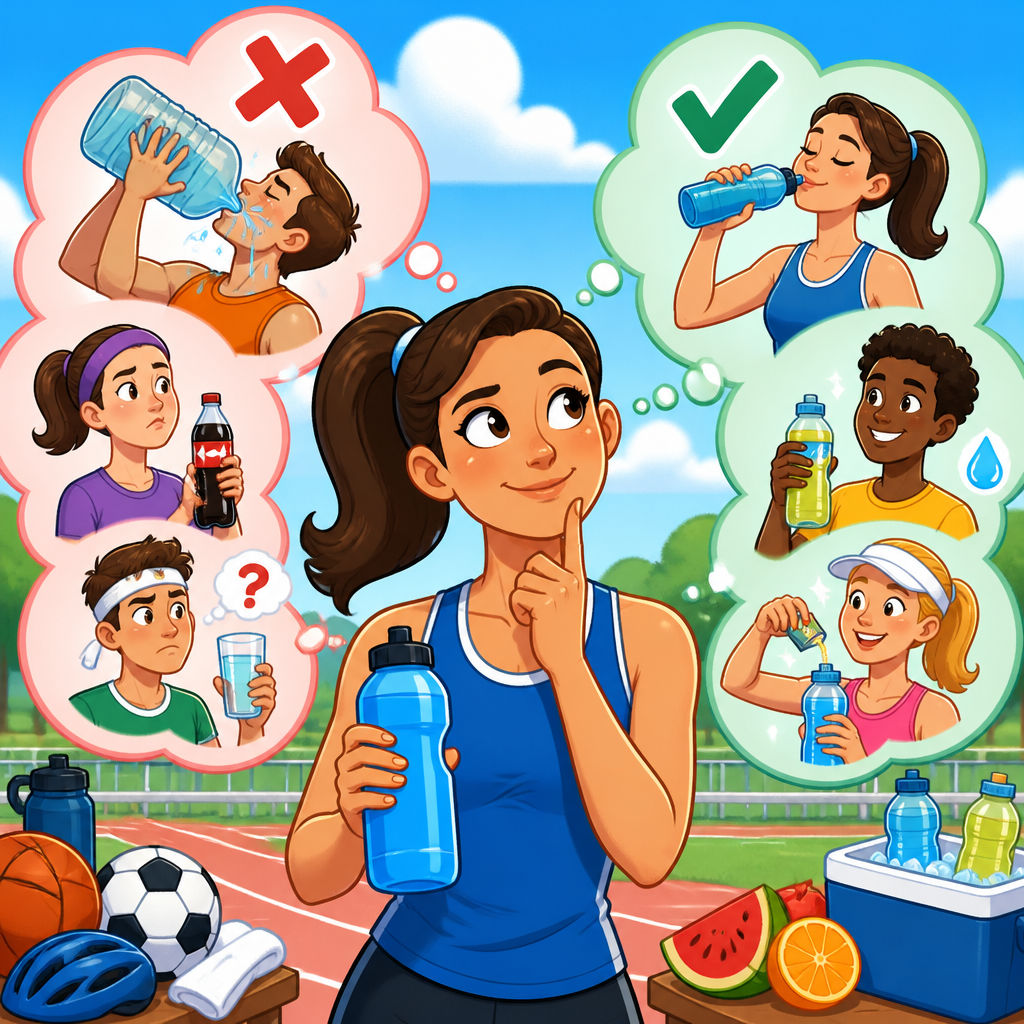
Hydration strategies for athletes are often reduced to slogans like “drink more water” or “if you’re thirsty, it’s too late,” but performance nutrition is more precise than that. In practice, hydration means maintaining fluid balance, electrolyte balance, and normal blood volume before, during, and after training or competition. For athletes, that balance affects endurance, power output, thermoregulation, cognitive focus, cramp risk, gastrointestinal comfort, and recovery quality. I have worked with runners, team sport athletes, and lifters who all believed they were “well hydrated” because they carried large water bottles, yet their routines ignored sodium losses, session duration, sweat rate, climate, and body size.
Hydration strategies for athletes matter because sweat losses vary dramatically. A smaller athlete training indoors for forty-five minutes may lose less than half a liter per hour, while a larger athlete doing repeated intervals in humid heat can lose more than two liters per hour. Sweat also contains sodium, typically in meaningful amounts, and replacing water alone can dilute blood sodium if intake is excessive. That is why good hydration is not a one-size-fits-all rule. It is a planned system built around context: sport demands, intensity, duration, heat stress, acclimatization status, clothing, altitude, and access to fluids.
Several myths persist because they contain a grain of truth. Thirst is useful, but it is not a complete performance plan. Sports drinks can help, but they are not necessary for every session. Clear urine can suggest high fluid intake, but it is not proof of ideal hydration status. Electrolyte tablets are useful in some conditions, unnecessary in others, and occasionally misused. Weight changes across a session can reveal sweat losses, yet they must be interpreted with fluid intake, bathroom breaks, and fueling in mind. The best approach is practical, measurable, and sport specific.
This hub article on hydration strategies for athletes debunks the most common myths and explains what athletes should actually do. It covers water versus electrolytes, the role of sports drinks, hydration timing, overhydration risks, personalized sweat testing, and recovery after exercise. If you want a reliable starting point, use this principle: begin exercise hydrated, limit excessive body mass loss during long or hot sessions, replace sodium when sweat losses are substantial, and rehydrate methodically after training. Those fundamentals outperform almost every hydration myth circulating in locker rooms, social feeds, and supplement marketing.
Myth 1: More Water Always Improves Performance
The most common misconception is that more water is always better. It is not. Performance drops when dehydration becomes meaningful, especially in endurance events and hot conditions, but drinking beyond need creates its own problems. Overdrinking can cause sloshing, nausea, frequent urination, and in severe cases exercise-associated hyponatremia, a dangerous drop in blood sodium concentration caused by excessive fluid intake relative to sodium losses. This condition has been documented in marathons, ultramarathons, military training, and long recreational events where athletes drank aggressively at every aid station.
In the field, I rarely tell athletes to “drink as much as possible.” I tell them to match intake to expected losses within a realistic range. For many training sessions under an hour, especially in temperate conditions, drinking to comfort is enough. For longer or hotter sessions, athletes usually need a structured plan. The American College of Sports Medicine and the National Athletic Trainers’ Association both emphasize individualized fluid replacement rather than universal quotas. That means using body mass changes, sweat rate estimates, and session conditions to decide how much to drink.
A practical target is to avoid excessive dehydration and excessive weight gain during exercise. Losing some body mass from sweat is common and not automatically harmful. Gaining weight during an event because of fluid overconsumption is a clear warning sign. Marathon finishers who are heavier than they were at the start did not “win hydration”; they likely drank too much. The goal is stability within a tolerable range, not maximal fluid intake. Smart hydration strategies for athletes protect blood volume and cooling capacity without overwhelming the gut or diluting sodium.
Myth 2: Thirst Is Either Perfect or Useless
Thirst is often discussed in absolute terms, which creates confusion. One camp says thirst is all you need. Another says if you feel thirsty, you are already dangerously dehydrated. Neither position is accurate. Thirst is a real biological signal shaped by changes in plasma osmolality and fluid balance, but it lags behind immediate sweat losses and is influenced by exercise intensity, stress, and drink availability. For easy or moderate sessions, thirst usually works reasonably well. For long races, repeated intervals, and heat exposure, it is often too blunt to be your only guide.
I have seen this distinction play out clearly in team sport settings. During short skill sessions, athletes who drank according to thirst generally maintained comfort and output. During two-a-day preseason practices in the heat, the same athletes underconsumed unless we scheduled fluid opportunities and monitored body mass changes. Thirst did not fail; it simply was not designed to optimize every performance scenario. It protects survival better than it protects split times, sprint repeatability, or late-game decision-making.
The right conclusion is simple: thirst is useful, but planned hydration beats reactive hydration when demands are high. Athletes should learn to notice thirst, dry mouth, rising perceived exertion, and unusual fatigue, then combine those cues with objective markers. The best hydration strategies for athletes blend internal feedback and measurable data. That means weighing before and after selected sessions, noting weather conditions, tracking drink volume, and adjusting over time. Thirst belongs in the toolkit. It should not be the entire toolkit.
Myth 3: Sports Drinks Are Necessary for Every Workout
Sports drinks are effective tools, not mandatory accessories. Their main benefits come from providing fluid, sodium, and carbohydrate in a form that is generally easy to consume during exercise. That matters most when sessions are long enough or hard enough that athletes need to preserve blood glucose, maintain sodium balance, and improve fluid absorption. It matters far less for a thirty-minute recovery jog, light gym session, or technical practice with minimal sweat loss. In those cases, water is usually sufficient, and normal meals can cover carbohydrate and electrolyte needs.
Where sports drinks shine is sustained work lasting more than about sixty to ninety minutes, especially in heat, or repeated high-intensity efforts where carbohydrate availability influences output. A classic example is a soccer player completing a ninety-minute match in humid weather. That athlete loses fluid and sodium while also burning substantial carbohydrate. A properly formulated sports drink can support hydration and energy at the same time. By contrast, a strength athlete doing a forty-minute upper-body workout in a cool gym often gets little benefit from a standard sports drink beyond extra calories.
Formulation matters too. Drinks with sodium help retain consumed fluid and stimulate drinking. Carbohydrate concentration influences gastric emptying and gut tolerance. Very concentrated beverages may slow stomach emptying and cause distress during intense exercise. Athletes should test products in training, not on race day. Established options like Gatorade, Powerade, Maurten, Precision Fuel and Hydration, and Skratch Labs differ in carbohydrate type, concentration, and sodium content. The best choice depends on sport demands, gut tolerance, climate, and whether the drink is covering fluid needs only or fluid plus fueling.
Myth 4: Electrolytes Only Matter for Elite Endurance Athletes
Electrolytes matter whenever sweat losses are high enough to affect fluid balance, muscle function, and performance, not just in professional endurance sports. Sodium is the key electrolyte in sweat and the one athletes most often need to replace during prolonged exercise. Potassium, magnesium, and calcium matter physiologically, but sodium drives most practical hydration decisions because it is lost in meaningful amounts and directly influences fluid retention and plasma volume. An American football lineman in summer camp, a tennis player in a long tournament, and a firefighter athlete in heavy kit can all have sodium needs that rival distance runners.
Sweat sodium concentration varies widely between individuals. Some athletes finish sessions with salt streaks on clothing, burning eyes, or recurring cramps and headaches; others lose less sodium despite similar sweat volume. This is why blanket advice fails. High-salt sweaters often benefit from drinks, capsules, or foods that provide more sodium during and after long sessions. Lower-salt sweaters may do well with standard sports drinks and meals. The only reliable method is to assess patterns over time, and where possible use professional sweat testing or repeated field measurements.
| Situation | Likely Fluid Need | Sodium Strategy | Best Practical Option |
|---|---|---|---|
| Under 60 minutes, cool conditions | Low to moderate | Usually minimal during session | Water, then normal meal |
| 60 to 90 minutes, moderate intensity | Moderate | Helpful if sweat rate is high | Water or light sports drink |
| Over 90 minutes or hot, humid training | High | Important during session | Sports drink or water plus sodium source |
| Heavy sweaters with visible salt loss | High | Priority focus | Higher-sodium drink, capsules, salty foods |
The takeaway is not that every athlete needs electrolyte supplements. It is that sodium replacement becomes increasingly important as duration, heat, clothing load, and individual sweat losses rise. Good hydration strategies for athletes account for electrolytes before symptoms force the issue.
Myth 5: Urine Color Tells You Everything You Need to Know
Urine color is useful, but limited. Dark urine can suggest underhydration, and pale straw color often indicates acceptable hydration. However, urine color changes with supplements, medications, first-morning concentration, recent large fluid intake, and B-vitamin use. A single bathroom check cannot tell an athlete exactly how ready they are for a hard session. It also says little about sodium status, sweat rate, or whether the athlete is likely to tolerate their planned drinking strategy during competition.
In applied settings, urine color works best as one quick screening tool among several. If an athlete consistently wakes with dark urine, headache, and elevated resting heart rate, I look more closely at evening fluid intake, dinner sodium, alcohol use, travel stress, and room temperature. If another athlete produces clear urine all day but still loses three percent body mass in practice, the issue is not “good hydration”; it is mistimed intake. Context changes interpretation.
Better monitoring methods include pre- and post-session body mass, subjective thirst, environmental conditions, and performance trends. Some programs also use urine specific gravity with a refractometer for more objective screening, especially in collegiate and professional settings. No single marker is perfect, but combining simple measures creates a much clearer picture than chasing crystal-clear urine. Hydration strategies for athletes should be based on patterns, not bathroom superstition.
Myth 6: Hydration Starts During the Workout
Hydration begins long before the first whistle, warm-up, or lift. Starting exercise already underhydrated raises cardiovascular strain, makes heat management harder, and increases the chance that an athlete will fall behind during the session. This is especially common during morning training, travel days, and weight-category sports where athletes restrict intake. A good pre-exercise routine includes normal fluid intake across the day, attention to meals that contain sodium, and an intentional top-up in the hours before activity if needed.
Preloading does not mean chugging a gallon right before exercise. That usually leads to discomfort and bathroom breaks, not better performance. A better method is steady intake with meals and snacks, then a moderate fluid dose in the final two to four hours based on body size, climate, and urine signs. For athletes who sweat heavily or compete in extreme heat, sodium-containing fluids before exercise can help retain fluid and stimulate thirst. This strategy is particularly effective before long road races, tournament play, and hot-weather field sessions where drinking opportunities may be limited once activity begins.
Post-exercise hydration matters just as much. Replacing only water after heavy sweat loss can leave athletes underrecovered by the next session, especially if sodium and carbohydrate intake are low. Rehydration works better when fluids are paired with sodium and meals. Milk, oral rehydration solutions, sports drinks, soup, fruit, and salted foods can all contribute. For athletes training twice a day, recovery hydration is a performance intervention, not an afterthought.
Building a Personalized Hydration Plan That Actually Works
The most effective hydration strategies for athletes are individualized, tested in training, and simple enough to follow under stress. Start by estimating sweat rate: weigh yourself before and after a session, account for fluid consumed, subtract any urine produced, and divide the net loss by exercise hours. Repeat this in different conditions because sweat rate indoors in March may be very different from August heat or race intensity. Next, note whether you finish with salt residue, cramping, headache, unusual fatigue, or poor recovery. Those clues help identify sodium needs and timing issues.
Then match the plan to the sport. Endurance athletes need a drink strategy integrated with carbohydrate fueling. Team sport athletes need scheduled access during breaks and halftime. Strength and power athletes usually focus on arriving hydrated and replacing sweat losses around training, since many sessions are too short to require aggressive intra-workout intake. Youth athletes need adult support because they often miss cues and have less control over access. Masters athletes may need more intentional routines because thirst sensitivity can decline with age.
Finally, rehearse the plan. Use the same bottles, concentrations, sodium levels, and drinking intervals you expect to use in competition. Track what your gut tolerates. Adjust for altitude, heat acclimation, and travel. If conditions are severe or symptoms recur, involve a sports dietitian or sports medicine clinician. The main benefit of a real plan is consistency: fewer avoidable energy dips, better heat tolerance, steadier concentration, and stronger recovery between sessions. Audit your current routine this week, measure instead of guessing, and build a hydration system that fits your sport, sweat rate, and schedule.
Frequently Asked Questions
Is “drink more water” the best hydration advice for athletes?
Not really. “Drink more water” is one of the most common hydration myths because it treats all athletes, sports, environments, and training sessions the same. In reality, effective hydration is about maintaining fluid balance, electrolyte balance, and normal blood volume, not just consuming as much plain water as possible. An athlete doing a short, low-intensity workout in cool weather has very different needs than someone training for two hours in heat and humidity. Sweat rate, body size, exercise intensity, sodium losses, acclimatization, and even clothing all influence how much fluid is appropriate.
Plain water can absolutely be useful, especially for shorter sessions or lower sweat losses, but more is not always better. Drinking far beyond what your body is losing can dilute blood sodium levels and increase the risk of hyponatremia, which is a serious condition. On the other hand, underdrinking can reduce plasma volume, impair temperature regulation, increase cardiovascular strain, and make exercise feel harder than it should. The goal is not maximal water intake. The goal is replacing a reasonable amount of what is lost while supporting performance and comfort.
For most athletes, the smartest approach is individualized. Start sessions well hydrated, drink according to the demands of the event, and replace both fluids and electrolytes afterward. Tracking body weight changes before and after key sessions can help estimate sweat losses and refine a personal hydration strategy. That is far more precise and useful than relying on the blanket message to simply drink more water.
Is it true that if you feel thirsty, you are already dehydrated?
This idea gets repeated constantly, but it oversimplifies how the body regulates hydration. Thirst is a normal, built-in physiological signal, not proof that something has already gone seriously wrong. In many training situations, thirst is a helpful guide, especially for recreational athletes, shorter sessions, and moderate conditions. The body monitors blood osmolality and fluid status very closely, and thirst is one of the ways it prompts you to restore balance.
That said, thirst is not perfect in every circumstance. During long endurance events, intense exercise in the heat, or situations where athletes become highly focused and ignore body cues, thirst alone may not fully match fluid needs. Some athletes also begin sessions underhydrated without realizing it, which makes “just drink when thirsty” less reliable. In those cases, having a hydration plan can be more effective than waiting for thirst to guide every decision. This is particularly true when sweat rates are high or when access to fluids is limited during competition.
The more accurate takeaway is that thirst is useful, but context matters. It is not automatically “too late” the second you notice it. Mild thirst is often just a normal reminder to drink. For athletes with demanding training loads, the best strategy combines awareness of thirst with practical planning: begin exercise hydrated, monitor how you feel, consider session duration and environment, and adjust fluid and sodium intake based on actual sweat losses and performance response.
Do athletes always need sports drinks instead of water?
No. Sports drinks are tools, not requirements for every workout. Whether an athlete needs one depends on exercise duration, intensity, sweat rate, heat exposure, and overall fueling demands. For shorter workouts, lower-intensity sessions, or training in cooler conditions, water is often enough. If a session lasts under about an hour and sweat losses are not extreme, many athletes can maintain hydration and performance just fine with plain water, especially if they are well fueled and hydrated beforehand.
Sports drinks become more valuable when training or competition is longer, harder, hotter, or more sweat-heavy. They can provide sodium to help replace electrolyte losses and carbohydrates to support energy availability. This can be especially helpful in endurance events, repeated high-intensity efforts, tournaments with multiple bouts, or sessions where gastrointestinal comfort and convenience matter. In these situations, a sports drink may improve fluid retention, maintain blood glucose, and support sustained performance better than water alone.
The myth is not that sports drinks are useless. It is that they are universally necessary. Some athletes benefit from them greatly, while others overuse them when they do not match the training demand. The best choice depends on the session. Water works well in many cases, while sports drinks are strategic when sweat and energy losses are higher. A smart hydration plan uses the right fluid for the right circumstance rather than assuming one option is always superior.
Can dehydration directly cause muscle cramps during exercise?
This is one of the most persistent beliefs in sports nutrition, but the science is more nuanced. Dehydration and electrolyte losses can contribute to cramp risk in some athletes and under some conditions, particularly during prolonged exercise in the heat with high sweat losses. However, cramps are not caused by dehydration alone in every case, and many athletes cramp while adequately hydrated, while others become somewhat dehydrated and never cramp at all.
Exercise-associated muscle cramps are now understood to be multifactorial. Fatigue appears to play a major role, especially when muscles are pushed beyond what they are conditioned to handle. Pacing errors, poor training specificity, neuromuscular fatigue, previous history of cramping, environmental stress, and possibly sodium losses can all be part of the picture. This is why simply telling athletes to drink more water often fails to solve recurring cramps. If anything, drinking only plain water without replacing sodium in a heavy sweater may not address the issue at all.
A more effective approach is to look at the full context. Athletes who cramp frequently should review training load, event intensity, heat exposure, hydration habits, sodium intake, and race-day pacing. In some cases, increasing sodium intake and improving hydration practices helps. In others, the real fix is better conditioning, smarter pacing, or targeted strength and endurance work for the affected muscle groups. So while hydration matters, it is a mistake to assume cramps are always a simple sign that an athlete did not drink enough.
Is overhydration harmless as long as an athlete is trying to stay ahead of sweat loss?
No. Overhydration is not harmless, and this myth can create real problems. Many athletes have been taught to drink aggressively before they feel any need, but consuming fluid well beyond sweat losses can be dangerous. The main concern is exercise-associated hyponatremia, which occurs when blood sodium becomes too diluted. This can happen when an athlete drinks excessive amounts of plain water or even large volumes of low-sodium fluid over time, especially during long endurance events.
The symptoms of overhydration and low blood sodium can range from bloating, nausea, puffiness, and headache to confusion, vomiting, severe fatigue, and in extreme cases, life-threatening complications. Athletes most at risk are often those participating in long races who drink at every opportunity without a plan, particularly if they are slower competitors with more total time on the course. Smaller athletes and those with lower sweat rates can also run into trouble if they follow generic high-intake advice designed for someone else.
The safest strategy is balance, not excess. Athletes should aim to limit major fluid deficits without forcing intake beyond what their body is losing. A personalized hydration plan based on sweat rate testing, body weight changes, weather conditions, and sodium losses is far more effective than the old “drink as much as possible” mindset. Good hydration supports performance, thermoregulation, and recovery. Too much fluid, however, can undermine all of that and put health at risk.