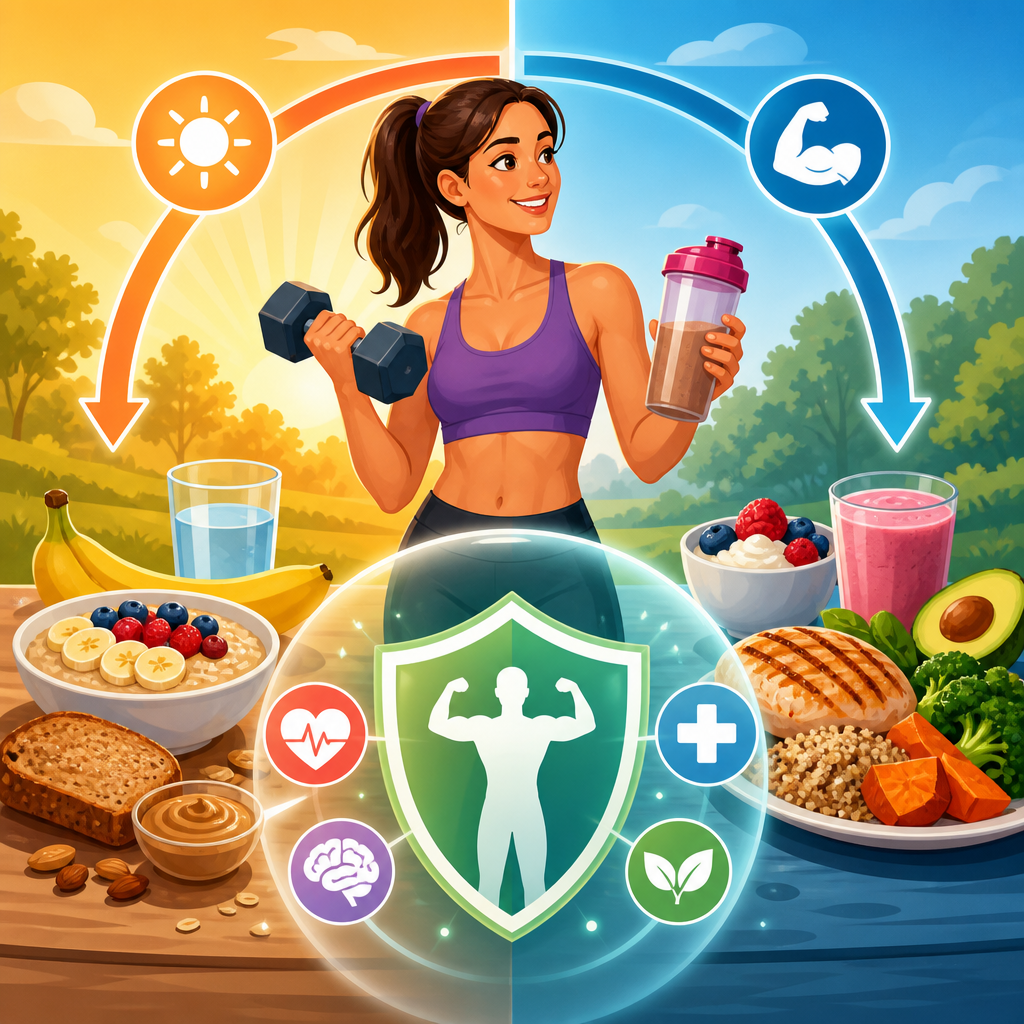
Nutrition strategies for weight loss and fat burning matter far beyond appearance because the same habits that improve body composition also lower risk for type 2 diabetes, cardiovascular disease, fatty liver disease, sleep apnea, osteoarthritis, and several cancers. In practice, successful weight loss nutrition is not a short cleanse or a single “fat-burning” food. It is a structured approach to energy intake, protein distribution, food quality, meal timing, appetite management, and recovery that creates a sustainable calorie deficit while preserving lean mass and metabolic health. For athletes and active adults, this distinction is critical: losing scale weight too quickly can reduce training output, impair recovery, and increase injury risk, while well-planned fat loss can improve power-to-weight ratio, insulin sensitivity, blood pressure, and long-term health markers.
When I build plans for clients who want to cut body fat without sacrificing performance, I start by defining the key terms clearly. Weight loss means a reduction in total body weight, which can include fat, muscle, water, and glycogen. Fat loss refers specifically to a reduction in adipose tissue. Fat burning is often used loosely, but physiologically it means oxidizing fatty acids for energy; this happens all day, yet net fat loss only occurs when total energy balance favors using stored fat over time. Nutrition strategy means the full system: calorie targets, macronutrients, food selection, hydration, meal structure, adherence tools, and behavior support. Disease prevention enters the picture because excess visceral fat, chronic overnutrition, low fiber intake, and poor glycemic control are central drivers of many preventable conditions.
The strongest evidence shows that no single diet works best for everyone, but several principles consistently predict better outcomes. A moderate calorie deficit, higher protein intake, high-fiber minimally processed foods, and consistent eating patterns improve satiety and protect muscle during weight loss. Those same principles also support healthier lipids, lower post-meal glucose excursions, improved gut health, and reduced systemic inflammation. This article serves as the hub for nutrition strategies for weight loss and fat burning within sports and performance nutrition, connecting practical fat-loss methods with the bigger goal of disease prevention. If you understand how energy balance, food quality, training demands, and metabolic health interact, you can choose a strategy that is effective now and protective years from now.
Energy balance is the foundation of fat loss and metabolic health
Every effective nutrition plan for weight loss and fat burning works through energy balance. If energy intake stays below energy expenditure for long enough, the body must draw on stored tissue, primarily body fat, to cover the gap. That principle is not outdated; it is biology. What differs between strategies is how easy they make that deficit to maintain, how well they preserve lean body mass, and how they affect hunger, performance, and health markers. In sports nutrition, the target is rarely aggressive weight loss. A practical range for many active adults is a deficit of roughly 300 to 500 calories per day, often producing gradual fat loss while limiting drops in training quality.
Why does this matter for disease prevention? Sustained modest weight loss can produce clinically meaningful improvements in risk factors. Losing 5 to 10 percent of body weight commonly improves fasting glucose, hemoglobin A1c, triglycerides, blood pressure, and liver enzymes, especially in people with overweight, obesity, or metabolic syndrome. A reduction in visceral fat is especially valuable because visceral adiposity is strongly associated with insulin resistance, inflammation, and cardiovascular risk. This is why waist circumference deserves attention alongside body weight. A person can see relatively small scale changes yet make major progress in abdominal fat reduction and metabolic health.
Energy expenditure is not static, and that creates real-world complexity. Resting metabolic rate, non-exercise activity thermogenesis, structured training, and the thermic effect of food all influence total daily energy expenditure. During dieting, spontaneous movement often decreases and hunger signals can rise, making adherence harder. This is one reason very low-calorie plans often backfire outside medical supervision. A slower, performance-aware approach usually preserves more muscle, supports training consistency, and is easier to sustain long enough to reduce disease risk rather than simply producing a temporary drop on the scale.
Protein, carbohydrates, and fats each have a distinct role in fat loss
Macronutrient balance matters most after calorie control is established. Protein is the priority for preserving lean mass during weight loss. In active populations, daily intake often works well around 1.6 to 2.4 grams per kilogram of body weight, distributed across three to five meals. Higher-protein diets improve satiety, increase the thermic effect of food, and help retain muscle during a calorie deficit. That has direct implications for disease prevention because higher lean mass supports glucose disposal, functional capacity, and healthy aging. In older adults especially, losing muscle during dieting can worsen frailty risk even if body weight declines.
Carbohydrates are not inherently fattening; they are the primary fuel for moderate- to high-intensity exercise. The right amount depends on training volume, muscle glycogen demands, and personal preference. For an endurance athlete cutting fat, too little carbohydrate can reduce performance, raise perceived exertion, and make quality sessions impossible. For a sedentary person with insulin resistance, a lower-carbohydrate pattern may improve appetite control and glycemic response. The key is matching intake to context. Carbohydrate quality matters too: oats, potatoes, legumes, fruit, and whole grains typically support fullness and better metabolic responses than sugar-sweetened beverages, pastries, and refined snack foods.
Dietary fat is essential for hormone production, cell membranes, and absorption of fat-soluble vitamins. Extremely low-fat diets can reduce satisfaction and are difficult to maintain. The emphasis should be on fat quality: unsaturated fats from olive oil, nuts, seeds, avocado, and fatty fish support cardiovascular health, while regular excess intake of ultra-processed foods rich in trans fats or heavily refined oils can displace nutrient-dense choices. For disease prevention, replacing some saturated fat sources with unsaturated fats often improves LDL cholesterol and overall dietary pattern quality. A workable fat-loss plan therefore does not demonize a macronutrient; it allocates protein, carbohydrate, and fat according to training demands, appetite response, and clinical risk profile.
Food quality, fiber, and meal structure drive adherence and protect health
The most effective weight loss diets are usually the ones people can follow for months, not days, and adherence improves when meals are built from foods with high satiety per calorie. That means vegetables, fruit, legumes, potatoes, whole grains, lean proteins, fermented dairy, eggs, and minimally processed mixed meals. Fiber is particularly important. Intakes near 25 to 38 grams per day, depending on sex and energy needs, support fullness, bowel regularity, lower LDL cholesterol, and better glycemic control. Soluble fiber from oats, beans, barley, chia, and many fruits slows digestion and can blunt blood sugar spikes, while insoluble fiber adds volume and supports gut function.
Meal structure matters because appetite is easier to manage when meals are predictable and balanced. A practical template is protein plus produce plus a high-fiber carbohydrate plus healthy fat. For example, Greek yogurt with berries, chia, and oats works well at breakfast; grilled chicken, quinoa, olive oil, and roasted vegetables works at lunch; salmon, potatoes, and a large salad works at dinner. This pattern is not restrictive, but it naturally reduces energy density. In clinical and sports settings, I have seen clients struggle less with nighttime overeating when breakfast and lunch contain enough protein and fiber. Under-eating early, then “saving calories” for later, often leads to poor choices and excessive intake.
Ultra-processed foods complicate weight control because they are easy to eat quickly, often hyper-palatable, and usually less filling per calorie. They are also associated in observational research with higher risk of obesity, cardiovascular disease, and type 2 diabetes, although lifestyle confounding exists. The practical lesson is not that every packaged food is harmful. It is that a diet dominated by bars, chips, sweetened drinks, takeout, and desserts makes calorie control and disease prevention much harder than a diet centered on whole or minimally processed staples.
Meal timing, training nutrition, and recovery determine whether fat loss supports performance
For active adults, timing does not override total intake, but it can strongly affect training quality and muscle retention. Pre-workout fueling should match session demands. A strength workout after a long workday may benefit from a protein-rich snack with carbohydrates one to three hours before training, such as yogurt and fruit or a turkey sandwich. Post-workout nutrition should prioritize protein and, when training volume is high, enough carbohydrate to support glycogen replenishment. Skipping recovery meals while trying to lose fat is a common mistake. It may lower daily calories briefly, but it often increases cravings later and compromises adaptation from training.
Time-restricted eating can help some people reduce calories by limiting grazing and simplifying decisions. However, it is a tool, not a metabolic advantage. In early-morning athletes, a narrow eating window may make it difficult to meet protein targets or fuel quality sessions. In others, especially those with inconsistent schedules, a 10- to 12-hour eating window can create useful structure without harming performance. The best timing strategy is the one that supports adherence, training output, sleep, and social life.
| Strategy | Best use case | Main benefit | Key limitation |
|---|---|---|---|
| High-protein balanced deficit | Most active adults | Preserves muscle and controls hunger | Requires planning protein across meals |
| Lower-carbohydrate approach | Appetite issues or insulin resistance | May improve satiety and glycemic control | Can impair high-intensity training if too restrictive |
| Time-restricted eating | People who snack late or eat mindlessly | Simplifies eating and may reduce calories | May limit fueling opportunities for athletes |
| Mediterranean-style pattern | Long-term health focus | Supports heart health and diet quality | Fat loss still requires portion awareness |
Recovery is part of fat loss physiology. Short sleep raises ghrelin, lowers leptin, worsens food reward responses, and reduces insulin sensitivity. Inadequate sleep also hurts pacing, reaction time, and motivation to train. If someone is chasing fat loss while sleeping five hours a night, nutrition alone will not solve the problem. Inflammation management, hydration, and stress control are not side notes; they directly influence appetite regulation and disease risk.
Weight loss nutrition prevents disease when it targets risk factors, not just body weight
The connection between fat loss and disease prevention becomes strongest when nutrition strategies improve biomarkers in parallel with body composition. A Mediterranean-style eating pattern is one of the best studied examples. It emphasizes vegetables, fruit, legumes, whole grains, extra-virgin olive oil, fish, nuts, and moderate dairy, with less red meat and fewer refined foods. This pattern consistently aligns with lower cardiovascular risk and can be adapted for fat loss by adjusting portions and total calories. For athletes, it also supplies antioxidants, potassium, magnesium, and omega-3 fats that support recovery and vascular health.
For people at risk of type 2 diabetes, controlling glycemic load, increasing fiber, and reducing excess visceral fat can markedly improve insulin sensitivity. In nonalcoholic fatty liver disease, weight loss of around 7 to 10 percent often improves liver fat and inflammation, but the quality of the diet still matters. Sugary beverages, heavy alcohol intake, and chronic overconsumption of refined foods worsen the picture, while protein adequacy and higher-fiber staples help. Blood pressure also responds to nutrition strategy. Higher potassium intake from produce, lower sodium from reduced packaged foods, and weight loss together can produce meaningful reductions.
Not everyone should use the same approach. Athletes in weight-class sports may need phased dieting with close monitoring to avoid low energy availability, hormonal disruption, and impaired bone health. People with a history of eating disorders should avoid rigid tracking systems that trigger obsessive behavior. Individuals taking glucose-lowering medication may require supervised dietary changes to avoid hypoglycemia. The best plan is individualized, measurable, and flexible enough to survive travel, holidays, injuries, and schedule changes. That is how weight loss nutrition becomes preventive healthcare rather than another short-lived diet cycle.
Nutrition strategies for weight loss and fat burning work best when they are treated as long-term systems for better body composition, stronger performance, and lower disease risk. The essentials are clear: create a sustainable calorie deficit, prioritize protein, choose high-fiber minimally processed foods, match carbohydrates to activity, include healthy fats, and time meals in a way that supports training and recovery. These steps help reduce fat mass while preserving lean tissue, improving insulin sensitivity, lowering cardiovascular risk factors, and supporting liver, joint, and metabolic health.
The central lesson is that fat loss and disease prevention are not separate goals. They are often achieved through the same daily nutrition behaviors repeated consistently. Quick fixes usually fail because they ignore appetite, sleep, training demands, and the realities of ordinary life. Smart plans work because they are structured, flexible, and grounded in physiology. They help you eat enough to perform, little enough to lose fat, and well enough to protect long-term health.
Use this hub as your starting point for building a practical fat-loss strategy within sports and performance nutrition. Review your current intake, identify the habits that add excess calories without adding value, and choose one or two changes you can sustain this week. Small, repeatable actions create the outcomes that matter most: less body fat, better performance, and a lower risk of preventable disease.
Frequently Asked Questions
How do nutrition strategies for weight loss and fat burning help prevent chronic disease?
Well-designed nutrition strategies do much more than reduce body weight. They help improve metabolic health in ways that directly lower disease risk. When a person consistently creates an appropriate calorie deficit, prioritizes adequate protein, increases fiber intake, and chooses minimally processed foods more often, the body usually becomes more efficient at regulating blood sugar, insulin, blood lipids, and inflammation. These changes are strongly linked with a lower risk of type 2 diabetes, cardiovascular disease, nonalcoholic fatty liver disease, sleep apnea, osteoarthritis, and even certain cancers.
One of the most important reasons this works is that excess body fat, especially visceral fat stored around the abdominal organs, is metabolically active. It can contribute to insulin resistance, chronic low-grade inflammation, and abnormal cholesterol and triglyceride levels. A structured nutrition plan that supports fat loss can reduce this harmful fat depot, which often leads to better fasting glucose, improved A1C, lower blood pressure, and healthier liver enzymes. In many cases, even modest weight loss can produce meaningful health benefits, especially for people who are at elevated risk.
Nutrition quality matters just as much as calorie control. A pattern built around lean proteins, vegetables, fruit, legumes, whole grains, nuts, seeds, and healthy fats tends to support fullness, stabilize energy, and reduce overeating. That same pattern also delivers nutrients associated with disease prevention, including potassium, magnesium, omega-3 fats, antioxidants, and phytonutrients. In other words, the best nutrition strategy for weight loss is usually the same strategy that supports long-term health: one that is balanced, sustainable, and designed to improve body composition while also protecting the heart, pancreas, liver, joints, and overall metabolic function.
Is there really such a thing as a “fat-burning” food or quick detox for better health?
Not in the way popular marketing often suggests. No single food, supplement, tea, cleanse, or detox plan can override the basic physiology of energy balance and long-term behavior. Some foods do have slightly higher thermic effects, meaning the body uses more energy to digest them, and some ingredients like caffeine may temporarily increase alertness or energy expenditure. However, these effects are generally small and do not replace the need for a consistent, structured eating pattern.
Quick detoxes and extreme cleanses are especially misleading because the body already has highly effective detoxification systems, mainly the liver, kidneys, lungs, skin, and gastrointestinal tract. Most short-term detox plans cause temporary water loss, glycogen depletion, or reduced food intake rather than meaningful fat loss. They can also backfire by increasing hunger, lowering energy, disrupting exercise performance, and encouraging an all-or-nothing mindset. For many people, these approaches create a cycle of restriction followed by overeating, which is the opposite of what supports disease prevention.
A better approach is to think in terms of repeatable habits. Protein-rich meals can support satiety and preserve lean mass. High-fiber foods can improve appetite control, digestive health, and blood sugar management. Replacing ultra-processed snacks and sugary drinks with more whole foods can lower total calorie intake without feeling as restrictive. These are the kinds of nutrition strategies that genuinely support fat loss and reduce disease risk over time. Sustainable systems beat dramatic short-term fixes almost every time.
What does a healthy and effective weight loss nutrition plan actually include?
An effective plan is structured, not extreme. It usually begins with an appropriate calorie intake that supports gradual fat loss while still meeting nutritional needs. From there, protein is distributed consistently across meals to help preserve muscle mass, control hunger, and support recovery. Many people do better when each meal includes a meaningful protein source such as fish, eggs, Greek yogurt, poultry, tofu, tempeh, cottage cheese, beans, or lean meat. This approach can make it easier to maintain a calorie deficit without feeling deprived.
Food quality is another major component. A strong plan emphasizes foods that provide high nutrient density relative to calories. Vegetables, fruit, legumes, whole grains, and minimally processed proteins tend to promote satiety because they provide fiber, water, and slower digestion. Healthy fats from foods like olive oil, nuts, seeds, and avocado can also improve satisfaction and support cardiovascular health when used in appropriate portions. Rather than banning entire food groups, the most effective plans create a framework where higher-calorie, lower-satiety foods are enjoyed intentionally instead of dominating the diet.
Meal timing and appetite management also play important roles. Some people benefit from regular meal spacing to prevent extreme hunger and impulsive eating. Others do well with a different timing pattern as long as total intake, protein, and food quality stay aligned with their goals. Good recovery matters too. Poor sleep and unmanaged stress can increase hunger, cravings, and the tendency to overeat. That is why the best nutrition strategy for fat burning and disease prevention includes not just what to eat, but also how to build routines that support consistency, sleep quality, activity, and long-term adherence.
Can modest weight loss really make a difference for conditions like diabetes, heart disease, and fatty liver disease?
Yes, modest weight loss can make a surprisingly meaningful difference. Many people assume they need a dramatic transformation before their health improves, but measurable benefits often begin well before that point. Losing even a relatively small percentage of body weight can improve insulin sensitivity, reduce fasting glucose, lower triglycerides, improve blood pressure, and decrease the amount of fat stored in the liver. These are important shifts because they target some of the core mechanisms behind chronic disease development.
For type 2 diabetes risk, improved nutrition and weight loss can reduce the demand on the pancreas and help the body respond to insulin more effectively. For cardiovascular disease, a better diet combined with fat loss can improve lipid profiles, reduce inflammation, and support healthier blood vessels. For fatty liver disease, weight reduction is one of the most evidence-based nutritional interventions available, especially when it comes from a balanced eating pattern rather than crash dieting. Less excess weight can also reduce mechanical strain on joints, ease osteoarthritis symptoms, and lessen the severity of sleep apnea in some individuals.
What matters most is not perfection, but direction. If a person steadily improves their food choices, manages calorie intake, supports muscle retention with protein, and maintains those habits over time, health markers often improve alongside body composition. This is one reason why disease prevention and weight loss nutrition are so closely linked. Better habits create a compounding effect: less visceral fat, more stable energy, improved lab values, and lower long-term risk, even when progress happens gradually.
How can someone make a weight loss nutrition strategy sustainable for long-term fat burning and disease prevention?
Sustainability comes from building a plan that works in real life, not just on paper. That means choosing an eating structure that fits personal preferences, culture, budget, schedule, and cooking ability. People are far more likely to maintain progress when their nutrition strategy includes familiar foods, flexibility for social events, and realistic portion control instead of strict rules. A sustainable plan should feel organized and intentional, but not punishing.
Practical habits usually matter more than chasing perfection. Planning meals in advance, keeping protein-rich and fiber-rich foods available, limiting liquid calories, and using consistent meal routines can reduce decision fatigue and help prevent overeating. It is also helpful to design meals around satiety by combining protein, fiber, and volume. For example, meals built around lean protein, vegetables, legumes or whole grains, and a modest amount of healthy fat tend to be more filling than meals dominated by refined carbohydrates and ultra-processed foods. This makes adherence easier, which is essential for both fat loss and disease risk reduction.
Long-term success also depends on monitoring and adjustment. If progress stalls, the answer is not always to eat dramatically less. Sometimes the better solution is improving consistency, increasing daily movement, reassessing portion sizes, managing stress, or addressing poor sleep. Recovery is often overlooked, yet it has a major influence on hormones related to hunger and fullness. Ultimately, the most effective nutrition strategy is one a person can continue for months and years. When healthy eating becomes repeatable rather than temporary, it supports lasting fat loss, better metabolic health, and stronger protection against chronic disease.