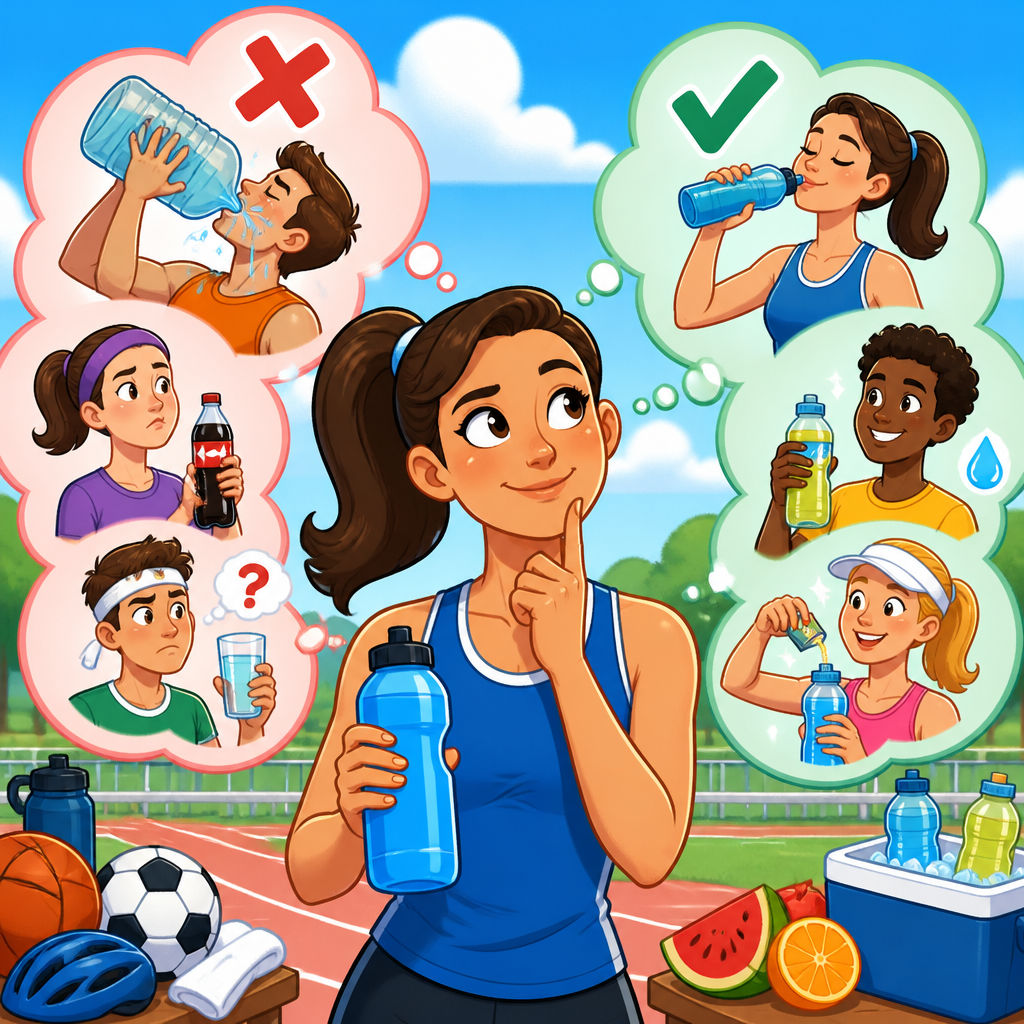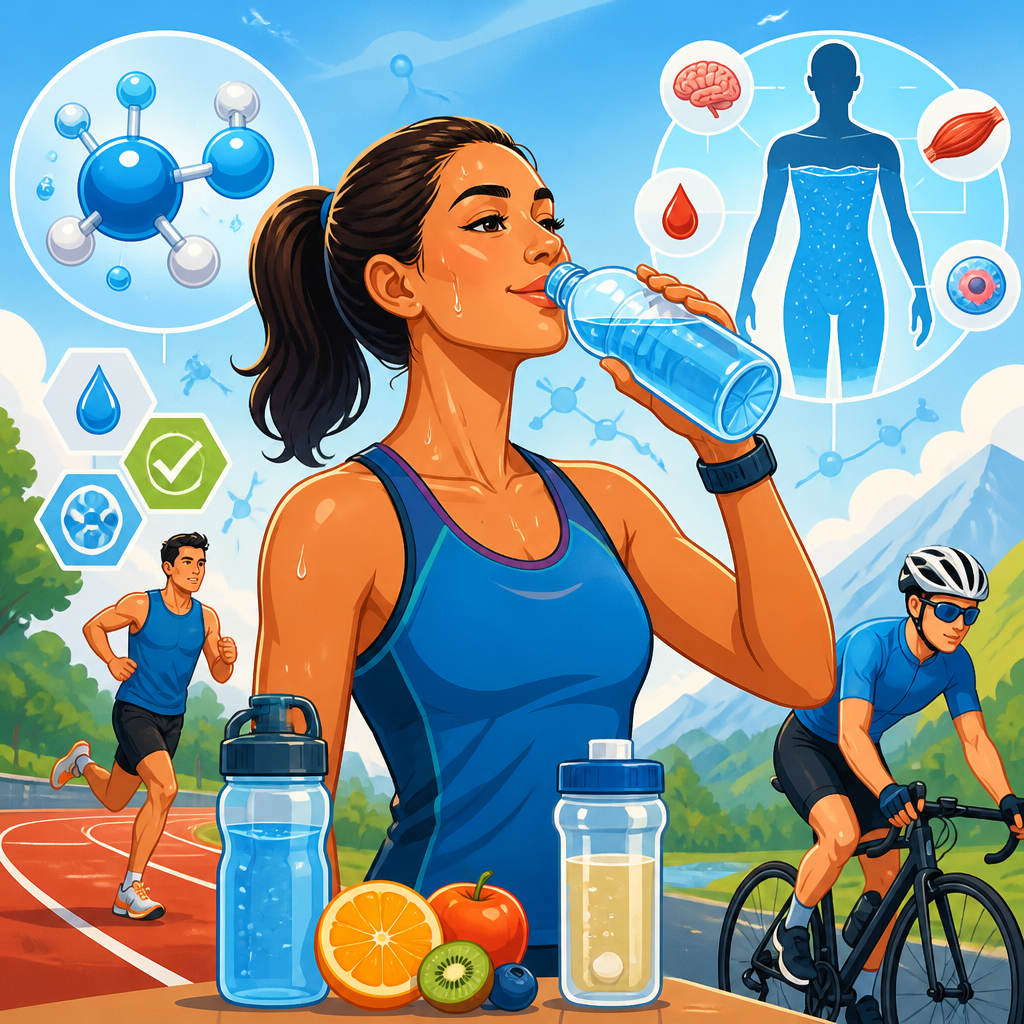
Hydration strategies for athletes are more than reminders to drink water. They are structured plans built around fluid balance, electrolyte replacement, sweat rate, training load, climate, and recovery demands. In sports nutrition practice, I have seen hydration determine whether an athlete finishes strong, fades late, or lands in the medical tent with cramps, dizziness, or heat stress. Good hydration supports endurance, power output, decision-making, thermoregulation, gastrointestinal comfort, and post-exercise recovery. Poor hydration can raise heart rate, increase perceived exertion, reduce coordination, and impair concentration long before severe thirst appears.
At its core, hydration means maintaining the right amount of body water inside and outside cells. Athletes also need sodium, and sometimes potassium, chloride, and carbohydrate, because sweat removes more than fluid. The key terms matter. Euhydration means normal fluid status. Dehydration is a deficit of body water that typically develops through sweating, breathing, and inadequate intake. Overhydration means taking in more fluid than the body can excrete, which can dilute blood sodium and create exercise-associated hyponatremia. A useful rule from sports science is that performance often declines as body mass losses from sweat approach about 2 percent, although sensitivity varies by sport, intensity, acclimatization, and the athlete’s starting status.
This topic matters because hydration is one of the few performance levers that can be measured, personalized, and improved quickly. Unlike talent or years of training, fluid planning can be adjusted this week. It is also a health issue across age groups and skill levels. High school football players in August, marathoners, tennis players, wrestlers cutting weight, and masters cyclists all face different hydration risks. A strong hub article on hydration strategies for athletes must answer practical questions directly: how much should you drink, when should you drink it, what should be in the bottle, how do you know if the plan works, and what mistakes actually harm performance or safety?
The science is clear on one point: there is no universal hydration prescription. The best strategy matches the athlete, event, environment, and goal. A 60-minute gym session in cool weather does not need the same plan as a 3-hour soccer tournament in heat and humidity. Sweat rates commonly range from well under 0.5 liters per hour to more than 2 liters per hour, and sweat sodium concentrations vary widely between individuals. That variation explains why some athletes finish sessions with salt crust on clothing and others do not. Effective hydration plans therefore rely on assessment rather than guesswork.
How Hydration Affects Athletic Performance and Health
Water is the medium for circulation, temperature control, nutrient transport, and waste removal. During exercise, the body shifts blood toward skin and working muscles while sweating increases to dissipate heat. If fluid losses are not replaced, plasma volume falls, heart rate climbs to maintain output, and body temperature rises faster. In practical terms, the athlete feels heavier, hotter, and less efficient. In endurance events, pace becomes harder to hold. In team sports, repeat sprint ability and late-game decision-making often suffer. In combat and weight-class sports, aggressive fluid restriction can sharply reduce power, reaction time, and recovery quality.
The health benefits of good hydration extend beyond immediate performance. Consistent fluid and electrolyte management lowers the risk of heat exhaustion, heat cramps, kidney stress, severe headaches, and excessive cardiovascular strain. Athletes who maintain hydration status also tend to recover better because blood flow, glycogen restoration, and protein turnover depend on effective circulation. In my work with athletes during tournament weekends, the biggest difference between those who bounce back for the next event and those who underperform is often not motivation. It is whether they replaced what they lost in the previous match, including sodium.
Cognitive performance deserves equal attention. Hydration influences attention, visual tracking, judgment, and skill execution under fatigue. That matters in sports such as basketball, soccer, baseball, and racket sports, where one late mistake changes the result. It also matters in military-style training, obstacle events, and long races where navigation or tactical decisions are involved. Athletes sometimes assume hydration only matters when they feel thirsty, but thirst typically lags behind actual fluid needs during hard exercise. By the time thirst becomes strong, a measurable deficit may already exist.
Building a Personalized Hydration Strategy
The best hydration strategies for athletes begin with three measurements: pre-exercise body mass, post-exercise body mass, and the amount of fluid consumed during the session. From those numbers, you can estimate sweat rate and create an intake target. For example, if an athlete loses 1.0 kilogram during a one-hour run and drinks 0.5 liters during the run, estimated sweat loss is about 1.5 liters per hour, assuming bathroom losses are minimal. That athlete should not try to replace every drop during exercise, but the result shows that small, scheduled drinking opportunities will be necessary in long or hot sessions.
Urine color can help with day-to-day monitoring, though it is not perfect. Pale straw color often suggests reasonable hydration, while dark yellow may indicate a fluid deficit. Morning body mass trends are more reliable when measured under similar conditions. I prefer combining both methods with training context. If an athlete wakes lighter than usual after a hard session, has dark urine, and reports a higher resting heart rate, hydration recovery probably fell short. Technology can support this process. Tools such as smart bottles, wearable temperature sensors, and field sweat tests provide useful data, but a simple scale and disciplined logging still outperform expensive devices used inconsistently.
Personalization also means accounting for sport demands. Distance runners need a different plan than rowers or American football linemen. Indoor athletes may sweat heavily despite milder apparent conditions because airflow is limited. Swimmers can underestimate losses because being surrounded by water masks thirst and sweat. Female athletes may see hydration needs shift with hormonal fluctuations and iron status, while adolescent athletes often need closer supervision because they are less likely to pace drinking well. The most effective plan is specific enough to survive real competition conditions, not just ideal training days.
| Scenario | Primary Hydration Goal | Recommended Approach | Main Risk if Ignored |
|---|---|---|---|
| Training under 60 minutes in cool conditions | Start well hydrated and limit unnecessary intake | Drink to thirst; water is usually sufficient | Starting dehydrated and carrying the deficit into later sessions |
| Sessions of 60 to 90 minutes with moderate sweat loss | Reduce body mass loss and maintain output | Use water or a light electrolyte drink based on sweat rate | Performance drop from accumulating fluid deficit |
| Endurance events over 90 minutes | Replace part of fluid, sodium, and carbohydrate losses | Schedule regular drinking with sports drink or mixed fueling plan | Heat strain, late-race fatigue, and gut distress from poor pacing |
| Hot and humid competition | Support thermoregulation and cardiovascular stability | Pre-cool if appropriate, drink early, include sodium | Heat illness and sharp performance decline |
| Athletes with very salty sweat | Preserve sodium balance and thirst drive | Use higher-sodium fluids and salty foods after exercise | Cramps, heavy sodium deficit, poor recovery |
What to Drink Before, During, and After Exercise
Before exercise, the goal is to begin in a normal hydration state rather than trying to catch up at the last minute. A practical pre-exercise plan is to drink fluids with meals and include an additional bolus in the few hours before training, adjusting for body size and heat conditions. The American College of Sports Medicine and the National Athletic Trainers’ Association both support beginning exercise well hydrated and replacing losses according to individual needs. If the session will be long, hot, or intense, sodium in the pre-exercise drink or meal helps retain fluid and stimulate thirst. Athletes with nervous pre-race stomachs often tolerate smaller, repeated sips better than one large serving.
During exercise, what belongs in the bottle depends on duration and intensity. Water is usually enough for shorter sessions when sweat losses are manageable and fueling needs are low. For exercise lasting longer than about 60 to 90 minutes, especially in heat, drinks containing sodium and carbohydrate become useful. Sodium helps maintain plasma volume and improves palatability, while carbohydrate supports blood glucose and endurance. Many effective sports drinks provide roughly 6 to 8 percent carbohydrate, though some athletes prefer a lower concentration with separate gels to reduce gastrointestinal load. The correct plan is the one the athlete can absorb comfortably while moving at race pace.
After exercise, the aim is full recovery, not just quenching thirst. Because sweat losses continue to influence urine output, athletes generally need more fluid than the exact body mass lost to fully rehydrate. Pairing fluids with sodium-rich meals improves retention better than plain water alone. Chocolate milk, oral rehydration solutions, broth, fruit, potatoes, rice, yogurt, and salted foods can all play a role depending on the sport and timing. In tournament settings, I often use layered recovery: fluid immediately, sodium and carbohydrate in the first hour, then a balanced meal. That approach restores readiness faster than relying on water only.
Electrolytes, Sweat Sodium, and the Role of Sports Drinks
Electrolytes are minerals that carry electrical charge and regulate nerve transmission, muscle contraction, and fluid balance. For athletes, sodium is the priority because it is the main electrolyte lost in sweat and the key driver of extracellular fluid regulation. Sweat sodium concentration differs dramatically between individuals due to genetics, acclimatization, diet, and training status. This is why two teammates can complete the same practice and one finishes with white streaks on the jersey, stinging eyes, and a strong craving for salty food. That athlete likely needs a more deliberate sodium replacement plan than a peer with lower losses.
Sports drinks are not magic, but they solve a real problem: combining fluid, sodium, and carbohydrate in a form athletes will actually consume during effort. Products from Gatorade, Powerade, Maurten, Precision Fuel and Hydration, Skratch Labs, and SIS reflect slightly different philosophies around osmolality, sweetness, sodium density, and carbohydrate delivery. The right choice depends on sweat rate, gut tolerance, and event duration. For a marathon runner with high sweat sodium losses, a higher-sodium strategy can help maintain intake adherence and reduce post-race headaches. For a recreational lifter training 45 minutes in a cool gym, plain water remains entirely adequate.
There are limits. Taking salt indiscriminately without considering fluid intake and exercise duration is not evidence-based, and electrolyte tablets do not prevent all cramping. Exercise-associated muscle cramps are multifactorial and can involve neuromuscular fatigue as well as fluid and sodium status. Likewise, very concentrated drinks can slow gastric emptying and trigger bloating, sloshing, or diarrhea. I encourage athletes to test concentrations in training exactly as they will use them in competition. Nothing should debut on race day, especially not a new high-carb drink mix or aggressive sodium dose.
Common Mistakes, Special Cases, and Safety Risks
The most common hydration mistake is following generic advice without context. “Drink eight glasses a day” is meaningless for a sweating athlete. The second mistake is waiting for thirst alone in long, intense, or hot sessions. The third is overcorrecting and drinking excessively. Exercise-associated hyponatremia, usually caused by overdrinking relative to sweat losses, can be dangerous and has occurred in marathons, military events, and ultradistance races. Symptoms may include nausea, headache, confusion, swelling, and in severe cases seizure. Prevention means matching intake more closely to losses, avoiding forced drinking, and recognizing that more is not safer.
Heat, altitude, and travel complicate hydration. Heat raises sweat losses and sodium needs. Humidity limits evaporative cooling, making fluid planning even more important. At altitude, breathing losses increase and appetite may fall, so athletes often underconsume both fluids and electrolytes. Air travel adds dehydration risk through dry cabin air and disrupted routines. Weight-cutting sports create another special case. Rapid fluid restriction before weigh-ins can reduce plasma volume and performance even when some rehydration occurs afterward. Medical supervision, sane timelines, and federation rules matter here because unsafe practices remain common.
Youth and masters athletes also require nuance. Younger athletes depend on coaches and parents for access, reminders, and practice structure. Older athletes may have blunted thirst, medication interactions, or chronic conditions that affect fluid balance. The safest hydration strategy is always individualized, rehearsed, and adaptable. Build your plan from sweat data, test it in training, include sodium when losses are meaningful, and review outcomes honestly. Do that, and hydration stops being guesswork and becomes a repeatable performance advantage with clear health benefits. Start by weighing before and after your next hard session, then use the result to build a smarter drinking plan.
Frequently Asked Questions
Why is hydration strategy so important for athletes compared with simply drinking water when thirsty?
For athletes, hydration is not just about avoiding thirst. It is about maintaining fluid balance in a way that supports performance, safety, and recovery before, during, and after exercise. Thirst is a helpful signal, but it often lags behind the body’s actual fluid needs, especially during long sessions, high-intensity efforts, or training in hot and humid conditions. By the time an athlete feels very thirsty, dehydration may already be affecting heart rate, body temperature control, concentration, muscle function, and perceived effort.
A structured hydration strategy takes into account how much fluid an athlete loses through sweat, how much sodium and other electrolytes are being lost, how hard the session is, how long it lasts, and what the surrounding environment is like. This matters because even modest dehydration can reduce endurance, make exercise feel harder, and impair decision-making. In technical or team sports, that can mean slower reaction time, poorer tactical judgment, and lower skill execution. In endurance sports, it can lead to a drop in pace, increased cardiovascular strain, and overheating.
Good hydration planning also helps with gastrointestinal comfort. Athletes who drink too little may become dehydrated, but athletes who drink too much plain water without enough sodium can feel bloated, nauseated, or in rare but serious cases develop hyponatremia, which is dangerously low blood sodium. That is why sports nutrition professionals focus on individualized hydration rather than generic advice. The most effective plan is one that matches the athlete’s sweat losses, fits the type of sport, and supports both performance and overall health.
How do athletes know how much water and electrolytes they actually need?
The best way to estimate hydration needs is to look at sweat rate, exercise duration, climate, and individual tolerance. Sweat rate can vary dramatically from one athlete to another. Two people doing the same workout in the same conditions may lose very different amounts of fluid and sodium. Factors such as body size, fitness level, heat acclimation, clothing, exercise intensity, and genetics all influence how much an athlete sweats.
A practical way to estimate sweat rate is to weigh the athlete before and after a training session under similar conditions, while also accounting for any fluid consumed during exercise and any urine produced. The change in body weight gives a useful estimate of fluid loss. This helps athletes build a more precise hydration plan rather than guessing. For example, if an athlete consistently loses a large amount of body weight during a one-hour session, they may need a more aggressive drinking plan than someone with lower sweat losses.
Electrolyte needs, especially sodium, are just as important. Sweat contains sodium, and some athletes are especially salty sweaters, often visible by salt stains on clothing or skin after exercise. Sodium helps maintain fluid balance, nerve signaling, and muscle function. Replacing sodium is particularly important during long training sessions, competition, or exercise in the heat. Depending on the athlete and the event, this may come from sports drinks, electrolyte tablets, or food consumed around exercise.
There is no universal formula that works for everyone. In practice, athletes do best when they test and refine their hydration approach during training, not on race day or in a major competition. Monitoring body weight changes, urine color trends, thirst, performance quality, cramping history, and recovery status can help fine-tune both fluid and electrolyte intake. The goal is not perfect precision every time, but a repeatable plan that keeps the athlete performing well and recovering effectively.
What are the health and performance benefits of proper hydration for athletes?
Proper hydration supports nearly every system that matters during exercise. One of the biggest benefits is thermoregulation, or the body’s ability to control temperature. When an athlete is well hydrated, sweating and blood flow to the skin work more effectively to release heat. This reduces the risk of overheating, heat exhaustion, and heat-related performance decline. In hot weather or long events, this benefit becomes especially important.
Hydration also supports cardiovascular efficiency. When fluid levels drop, blood volume decreases, which means the heart has to work harder to deliver oxygen and nutrients to working muscles. This often shows up as a higher heart rate at a given pace or power output. Athletes may feel like the same workout suddenly requires much more effort. By maintaining hydration, athletes can better sustain endurance, preserve power output, and reduce unnecessary physiological strain.
Another major benefit is cognitive performance. Sports are not only physical. Athletes constantly make decisions, react to opponents, execute technique, and maintain focus under pressure. Even mild dehydration can affect concentration, reaction time, coordination, and perceived mental fatigue. This is relevant not only for endurance events but also for team sports, combat sports, and skill-based activities where sharp thinking matters.
Hydration further contributes to muscle function and recovery. While cramps are not caused by dehydration alone, poor fluid and electrolyte balance can be one contributing factor, particularly in long or hot sessions. Adequate hydration also supports nutrient transport, circulation, and the recovery process after training. Athletes who rehydrate well after exercise are often better prepared for the next session, especially during heavy training blocks or tournaments with multiple efforts close together. In short, good hydration benefits performance in the moment and health over the long term.
Can athletes drink too much water, and what are the risks of overhydration?
Yes, athletes can absolutely drink too much water, and this is an important but often overlooked issue. Overhydration happens when fluid intake exceeds fluid losses, especially when large amounts of plain water are consumed without enough sodium replacement. The most serious risk is exercise-associated hyponatremia, a condition in which blood sodium levels become dangerously diluted. This can cause headache, nausea, bloating, confusion, vomiting, swelling, and in severe cases seizures, coma, or death.
This risk tends to be higher in long-duration events such as marathons, triathlons, ultrarunning, and military-style endurance efforts, particularly when athletes are told to drink as much as possible or follow rigid drinking rules that do not match their sweat rate. Smaller athletes, slower finishers, and athletes exercising for many hours may be especially vulnerable if they overconsume fluids. This is one reason modern hydration guidance has shifted away from one-size-fits-all messaging.
From a practical standpoint, athletes should aim to replace a meaningful portion of fluid losses without forcing excessive drinking. A good hydration plan balances water and electrolytes and is adjusted to the athlete’s body size, event demands, weather, and sweat characteristics. Sports drinks or sodium-containing fluids are often useful during prolonged exercise because they help replace both fluid and sodium while also supporting carbohydrate intake when needed.
Warning signs of overhydration can sometimes resemble dehydration, which makes education especially important. If an athlete gains weight during an event, feels sloshy or bloated, or is drinking despite not losing much sweat, the plan may need adjustment. The safest approach is individualized guidance based on training data, not fear-based overdrinking. In sports nutrition practice, preventing both dehydration and overhydration is part of responsible hydration planning.
What does an effective hydration strategy look like before, during, and after exercise?
An effective hydration strategy is built in three phases: pre-exercise, during exercise, and recovery. Before exercise, the goal is to begin training or competition in a well-hydrated state rather than trying to catch up once the session starts. This usually means drinking fluids regularly throughout the day, paying attention to urine color and frequency, and including sodium in normal meals. In the hours before exercise, many athletes benefit from consuming fluids gradually rather than chugging large amounts at once. For sessions in the heat or events with limited drink access, planning ahead becomes even more important.
During exercise, the strategy depends on duration, intensity, and environment. For shorter sessions, some athletes may only need modest fluid intake based on thirst and opportunity. For longer or harder sessions, particularly those lasting more than an hour, a more deliberate plan is often useful. This may include scheduled sips of fluid, sodium replacement, and carbohydrate-containing sports drinks if fueling is also required. The aim is to reduce excessive fluid losses, support body temperature control, and maintain performance without causing stomach discomfort. Athletes should practice this approach in training to make sure the volume, timing, and type of drink are well tolerated.
After exercise, rehydration is essential for recovery, especially if the athlete has another session later that day or the next morning. Replacing lost fluid gradually and including sodium helps the body retain what is consumed more effectively than drinking plain water alone. Meals and snacks can play a major role here, since foods naturally provide sodium, potassium, and carbohydrate. If the session caused substantial sweat loss, athletes often need more than just one bottle of water to fully recover.
The best hydration strategy is always personalized. A football player practicing in summer heat, a tennis player in a long match, a distance runner preparing for a race, and a strength athlete training indoors may all need very different approaches. When hydration is matched to sweat rate, sport demands, and recovery needs, athletes are more likely to finish strong, think clearly, manage heat better, and stay healthier across a full season of training and competition.