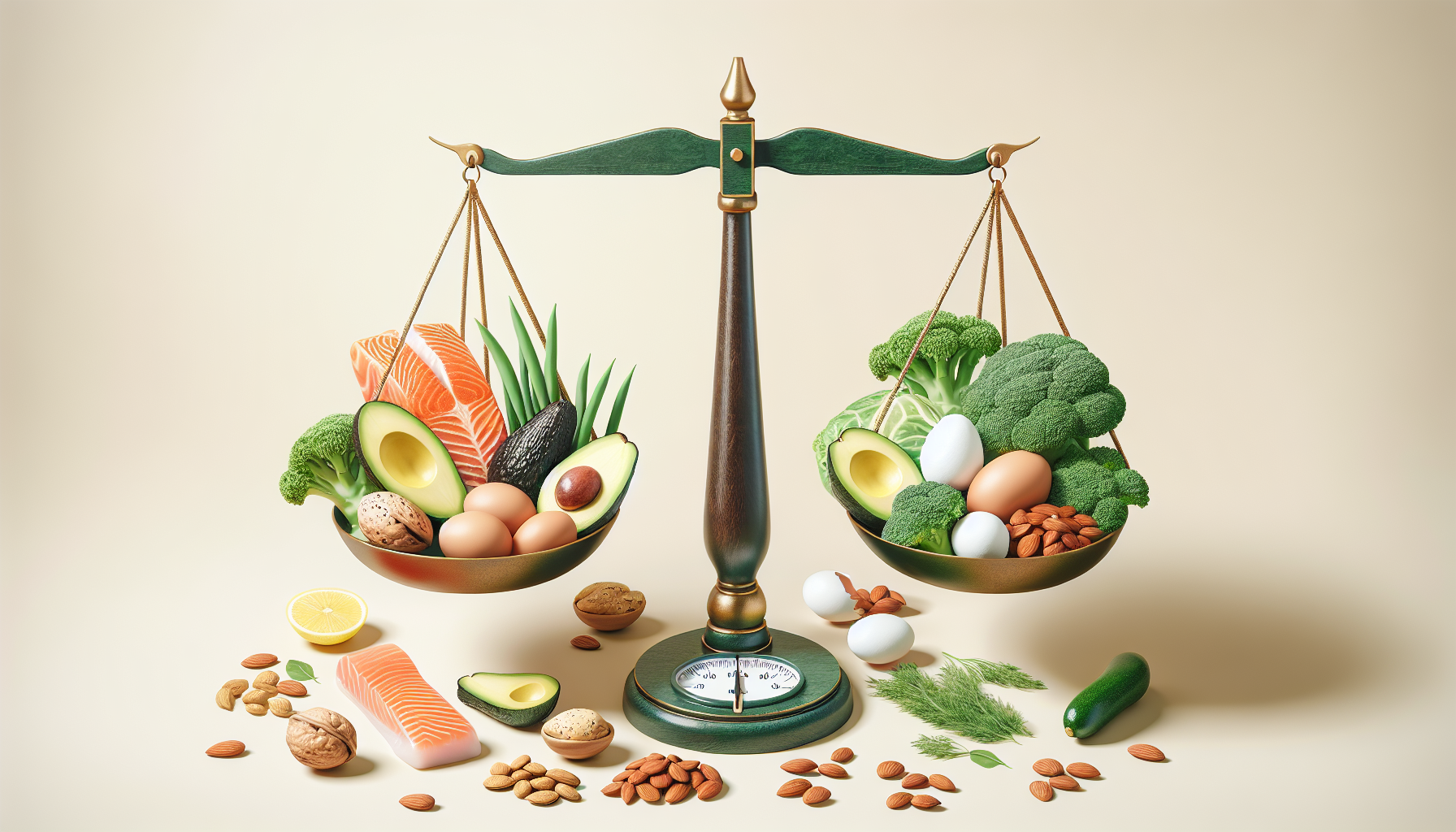
Ketogenic and low-carb diets have moved from niche weight-loss strategies to mainstream eating patterns, but many people still misunderstand what they are, how they work, and where they fit within a genuinely healthy diet. A low-carb diet reduces carbohydrate intake below the level typical in standard Western eating patterns, usually emphasizing protein, healthy fats, and minimally processed foods. A ketogenic diet is a stricter version that lowers carbohydrate intake enough, generally around 20 to 50 grams of net carbs per day, to shift metabolism toward ketosis, a state in which the liver produces ketone bodies from fat to supply energy. In practice, both approaches can improve food quality, appetite control, and metabolic health when they are planned well, yet both can also become unbalanced if they rely too heavily on processed meats, butter-heavy meals, and too few vegetables. I have worked with clients who arrived believing keto meant unlimited bacon and cheese, and others who feared any carbohydrate at all; neither view reflects how these diets support long-term health. This hub article explains the role of ketogenic and low-carb diets in a healthy diet by defining key terms, clarifying benefits and limitations, and outlining how different versions can match different health goals, medical conditions, and lifestyles.
What ketogenic and low-carb diets actually mean
The first step in evaluating ketogenic and low-carb diets is to separate the labels from the actual carbohydrate ranges. Low-carb is a broad category, not a single protocol. Many clinicians define a moderate low-carb diet as roughly 50 to 130 grams of carbohydrate per day, while very low-carb plans drop lower and may induce ketosis in some people. Ketogenic diets are more specific. They are typically high in fat, moderate in protein, and very low in carbohydrate so that blood ketone levels rise, often measured with beta-hydroxybutyrate. The therapeutic ketogenic diet used for epilepsy is more tightly controlled than the version most adults follow for weight management or blood sugar control. That distinction matters because online discussions often blend clinical keto, casual keto, and low-carb eating into one idea.
Carbohydrates themselves are not inherently unhealthy. Fruits, legumes, intact grains, and starchy vegetables can all be part of a nutritious diet. The core principle of low-carb and ketogenic eating is not that carbs are toxic, but that some people benefit when they reduce carbohydrate exposure, especially refined grains, sugary drinks, sweets, and ultra-processed snacks. In everyday practice, healthier low-carb eating usually revolves around eggs, fish, poultry, olive oil, avocado, nuts, seeds, tofu, Greek yogurt, nonstarchy vegetables, and carefully chosen higher-fiber carbohydrate sources. Ketogenic eating narrows that list further, often excluding beans, most grains, and many fruits. For that reason, the more restrictive the diet, the more deliberate meal planning must become.
How these diets influence metabolism and appetite
Low-carb and ketogenic diets influence metabolism through several well-studied mechanisms. When carbohydrate intake decreases, insulin levels generally fall, glycogen stores shrink, and the body becomes more reliant on fat oxidation. In ketosis, the liver converts fatty acids into ketone bodies, including acetoacetate and beta-hydroxybutyrate, which can fuel the brain and other tissues. This metabolic shift helps explain why many people report steadier energy and fewer hunger swings after the first adaptation period. It also explains why early weight loss can be rapid: part of it comes from water released as glycogen declines, while later progress depends more on energy balance, food quality, adherence, sleep, and activity.
Appetite control is one of the most practical reasons these diets help some people. Meals built around protein, fiber, and fat tend to be more satiating than meals dominated by refined carbohydrates. I see this regularly in food logs: a breakfast of eggs, vegetables, and yogurt keeps someone full for hours, while a bagel and juice often leads to hunger by midmorning. Ketogenic diets may further blunt appetite in some individuals through ketone production and a narrower set of food choices, though this effect is not universal. Not everyone feels better on very low carbohydrate intake, and athletes doing high-intensity work may notice reduced performance if carbohydrate restriction is too aggressive.
Potential health benefits when used appropriately
The strongest evidence for low-carb and ketogenic diets in general health settings involves weight management, glycemic control, and triglyceride reduction. Randomized trials have shown that low-carb diets can produce meaningful short-term weight loss, often comparable to or greater than low-fat approaches, especially when they reduce ultra-processed foods and improve satiety. For people with insulin resistance, prediabetes, or type 2 diabetes, carbohydrate reduction often lowers post-meal glucose excursions and can reduce hemoglobin A1c. Some patients also reduce medication needs under medical supervision. Triglycerides commonly fall, HDL cholesterol often rises, and blood pressure may improve as body weight decreases.
Ketogenic diets also have established clinical use beyond general wellness. The best-known example is drug-resistant epilepsy, particularly in children, where medically supervised ketogenic therapy has been used for decades. Research is also exploring neurological conditions, polycystic ovary syndrome, and nonalcoholic fatty liver disease, though findings are still mixed and do not justify blanket recommendations. In obesity treatment, the biggest advantage is often behavioral: a simpler eating structure can reduce snacking, decision fatigue, and cravings for highly refined foods. That benefit is real, but it comes from improved adherence and food selection as much as from ketosis itself.
| Approach | Typical carb intake | Best suited for | Key cautions |
|---|---|---|---|
| Moderate low-carb | 50 to 130 g/day | Weight control, improved diet quality, flexible long-term eating | Can drift upward if portions are not monitored |
| Very low-carb | Usually under 50 g/day | Stronger glucose control, appetite reduction for some adults | Harder to maintain socially and nutritionally |
| Ketogenic | Usually 20 to 50 g net carbs/day | Ketosis-focused goals, selected medical uses, structured fat-based meals | Requires planning for fiber, electrolytes, and lipid response |
Where these diets can go wrong
A ketogenic or low-carb diet is not automatically healthy simply because carbohydrate intake is lower. The most common mistake is replacing one problem with another: cutting sugary foods but building meals from processed meats, excessive saturated fat, and very little produce. I have reviewed many popular meal plans that technically meet carb targets yet provide poor fiber intake, minimal potassium and magnesium, and an unhealthy reliance on packaged “keto” desserts. That pattern may help someone enter ketosis, but it does not support long-term cardiovascular or digestive health. Quality matters more than labels.
Another concern is blood lipids. Many people see triglycerides improve on low-carb diets, but LDL cholesterol can rise substantially in some individuals, particularly on very high saturated fat versions. This is one reason experienced clinicians monitor ApoB, non-HDL cholesterol, and overall cardiovascular risk rather than assuming every biomarker will improve. Constipation, dehydration, headaches, and fatigue can also appear during the transition phase, often because sodium, fluid, fiber, and overall calories are too low. Restrictive dieting may also increase social stress, trigger disordered eating tendencies, or become unsustainable for people who enjoy culturally important carbohydrate-rich foods.
How to build a healthy version of low-carb or keto
The healthiest low-carb and ketogenic diets emphasize food quality first. Start with protein adequacy, because protein supports satiety, muscle retention, immune function, and healthy aging. Most adults do well when each meal includes a meaningful protein source such as fish, eggs, chicken, lean beef, tempeh, cottage cheese, tofu, or Greek yogurt. Add nonstarchy vegetables generously, since they provide fiber, folate, potassium, and phytonutrients with relatively low carbohydrate impact. Then choose fats intentionally. Olive oil, avocados, nuts, seeds, olives, and fatty fish generally support better cardiometabolic outcomes than a diet centered on butter, cream, and processed meats.
For ketogenic diets specifically, planning electrolytes is essential. Lower insulin levels increase sodium excretion, which partly explains the “keto flu” people describe in the first week or two. Adequate sodium, potassium-rich low-carb vegetables, magnesium-containing foods such as pumpkin seeds or almonds, and enough fluid can reduce symptoms. Fiber also deserves attention. Chia seeds, flaxseeds, raspberries in small portions, Brussels sprouts, cauliflower, broccoli, zucchini, leafy greens, and psyllium can help maintain regularity. The goal is not merely to avoid carbs; it is to create a nutrient-dense pattern that can be sustained without compromising gut health, bone health, or training capacity.
Who may benefit most and who needs caution
People who often benefit from low-carb approaches include adults with obesity, metabolic syndrome, prediabetes, type 2 diabetes, elevated triglycerides, and strong appetite dysregulation. A lower-carb structure can simplify food choices and improve glycemic variability, especially when paired with resistance training, walking, and sleep improvement. Some people also prefer it because it reduces snacking and helps them feel mentally clear. In my experience, adherence improves when the plan matches the person’s food preferences instead of forcing an idealized dietary model that they will abandon within weeks.
Caution is necessary for anyone using glucose-lowering medication, particularly insulin or sulfonylureas, because carbohydrate restriction can increase the risk of hypoglycemia if medication is not adjusted. Pregnant or breastfeeding women, people with a history of eating disorders, those with certain kidney or liver conditions, and endurance athletes in heavy training should not start ketogenic dieting casually. Children using ketogenic therapy for epilepsy require clinical supervision. Even for generally healthy adults, a very low-carb plan should be evaluated against personal goals, lab markers, training demands, and social sustainability. A diet that works physiologically but fails practically will not remain beneficial.
How low-carb and keto fit into a balanced dietary lifestyle
The role of ketogenic and low-carb diets in a healthy diet is best understood as strategic tools, not universal rules. They can be effective pathways to better health, but they are not the only pathways. A Mediterranean-style low-carb pattern built around seafood, vegetables, olive oil, nuts, yogurt, and modest berries may support long-term health extremely well. A cyclical or less restrictive low-carb approach may work better for someone who wants metabolic benefits without maintaining ketosis year-round. Others may transition from keto to moderate low-carb once weight loss or glucose goals improve. Flexibility often predicts durability.
For a sub-pillar topic within dietary lifestyles and special diets, this hub should connect readers to more detailed guidance on keto meal planning, low-carb foods, net carbs, electrolytes, diabetes management, cholesterol changes, athletic performance, and common side effects. The central message is straightforward: reducing carbohydrates can improve health when it helps someone eat fewer refined foods, maintain a calorie deficit if needed, stabilize blood sugar, and follow a nutrient-dense routine they can sustain. If you are considering ketogenic or low-carb diets, start with clear goals, choose whole foods, monitor how your body responds, and seek qualified medical guidance when medications or chronic conditions are involved.
Frequently Asked Questions
What is the difference between a low-carb diet and a ketogenic diet?
A low-carb diet is a broad eating approach that reduces carbohydrate intake compared with a typical Western diet, while a ketogenic diet is a much stricter version designed to shift the body into a metabolic state called ketosis. On a general low-carb plan, people usually cut back on foods such as sugary drinks, sweets, white bread, pasta, and heavily processed snacks, and instead build meals around protein, non-starchy vegetables, healthy fats, nuts, seeds, and some lower-sugar fruits. Carbohydrate intake can vary widely depending on the person, their goals, and their activity level.
By contrast, a ketogenic diet usually limits carbohydrate intake to a very low level, often around 20 to 50 grams of net carbs per day, so the body begins using fat and ketones as a major fuel source instead of relying primarily on glucose. That level of restriction generally requires much more careful planning and a stronger emphasis on fats, moderate protein, and very limited carbohydrate sources. In practical terms, all ketogenic diets are low-carb, but not all low-carb diets are ketogenic. The best choice depends on individual health goals, medical history, food preferences, and how sustainable the eating pattern feels over time.
Are ketogenic and low-carb diets actually healthy?
They can be, but the answer depends heavily on how the diet is structured. A low-carb or ketogenic diet built around minimally processed foods can support health by improving blood sugar control, reducing intake of refined carbohydrates, increasing satiety, and helping some people lose excess body fat. Meals centered on fish, eggs, poultry, plain Greek yogurt, olive oil, avocado, nuts, seeds, leafy greens, broccoli, cauliflower, zucchini, and other nutrient-dense foods can absolutely fit into a healthy dietary pattern.
However, simply eating fewer carbs does not automatically make a diet healthy. A poorly planned version can rely too heavily on processed meats, butter-heavy convenience foods, packaged “keto” products, and too few vegetables or fiber-rich foods. That can limit nutrient variety and make long-term health outcomes less favorable. The healthiest version of either approach emphasizes food quality, adequate protein, unsaturated fats, plenty of non-starchy vegetables, and attention to vitamins, minerals, and fiber. For many people, the diet is healthiest when it is personalized rather than extreme, and when it supports long-term consistency instead of short bursts of strict restriction.
How do ketogenic and low-carb diets affect weight loss and metabolism?
Many people lose weight on low-carb or ketogenic diets because these approaches can reduce appetite, improve feelings of fullness, and make it easier to eat fewer calories without deliberately restricting portions. Protein and fat tend to be more satiating than highly refined carbohydrates, and cutting back on sugar and processed starches often reduces mindless snacking. In the early stages of a ketogenic diet, some weight loss also comes from a drop in stored glycogen and the water that is stored with it, which is why the scale can move quickly at first.
Metabolically, low-carb and ketogenic diets may improve blood sugar regulation and insulin response in some individuals, especially those with insulin resistance, prediabetes, or type 2 diabetes. That said, weight loss still depends on overall energy balance over time, not just carb intake alone. These diets do not “break” the laws of metabolism, but they can change hunger, food choices, and adherence in ways that make weight management easier for some people. The most important factor is whether the person can follow the pattern consistently while maintaining nutrient adequacy, physical performance, and quality of life.
Who may benefit most from a low-carb or ketogenic diet, and who should be cautious?
People who may benefit include those trying to reduce intake of refined carbohydrates, improve blood sugar control, manage appetite, or follow a structured eating pattern that helps them stay on track. Some individuals with insulin resistance, metabolic syndrome, prediabetes, or type 2 diabetes may see meaningful improvements when carbohydrate intake is reduced appropriately. Others simply feel better on a lower-carb pattern because it helps them avoid energy crashes and excessive hunger.
At the same time, these diets are not ideal for everyone. People who are pregnant or breastfeeding, those with a history of disordered eating, individuals with certain kidney, liver, or pancreatic conditions, and anyone taking glucose-lowering medications should be especially cautious and should talk with a qualified healthcare professional before making major dietary changes. Athletes performing high-intensity training may also need more carbohydrate than a standard ketogenic diet allows. Even when a low-carb approach is appropriate, the level of restriction should match the person’s medical needs, lifestyle, and sustainability. A moderate low-carb diet is often easier to maintain and may provide many of the same benefits without the rigidity of full ketosis.
Can a low-carb or ketogenic diet fit into a balanced, long-term healthy diet?
Yes, but long-term success depends on balance, flexibility, and food quality rather than strict labels alone. A sustainable low-carb pattern can absolutely be part of a healthy diet if it includes a wide variety of whole foods, enough fiber, sufficient protein, healthy fats, and a consistent intake of vegetables. Many people do well with a moderate low-carb approach that limits sugar and refined starches without eliminating all carbohydrate-rich foods. This can make social eating, exercise, and long-term adherence easier while still delivering many health benefits.
For those choosing a ketogenic diet, long-term use usually requires more planning to avoid nutritional gaps and monotony. It is important to include nutrient-dense foods such as oily fish, eggs, unsweetened dairy if tolerated, olives, avocado, nuts, seeds, and a diverse range of low-carb vegetables. Regular monitoring may also be helpful for people using keto therapeutically or for extended periods. Ultimately, the best healthy diet is one that improves markers of health, feels realistic to maintain, and supports physical and mental well-being. Low-carb and ketogenic diets can play that role for some people, but they work best when they are thoughtfully designed and tailored to the individual.