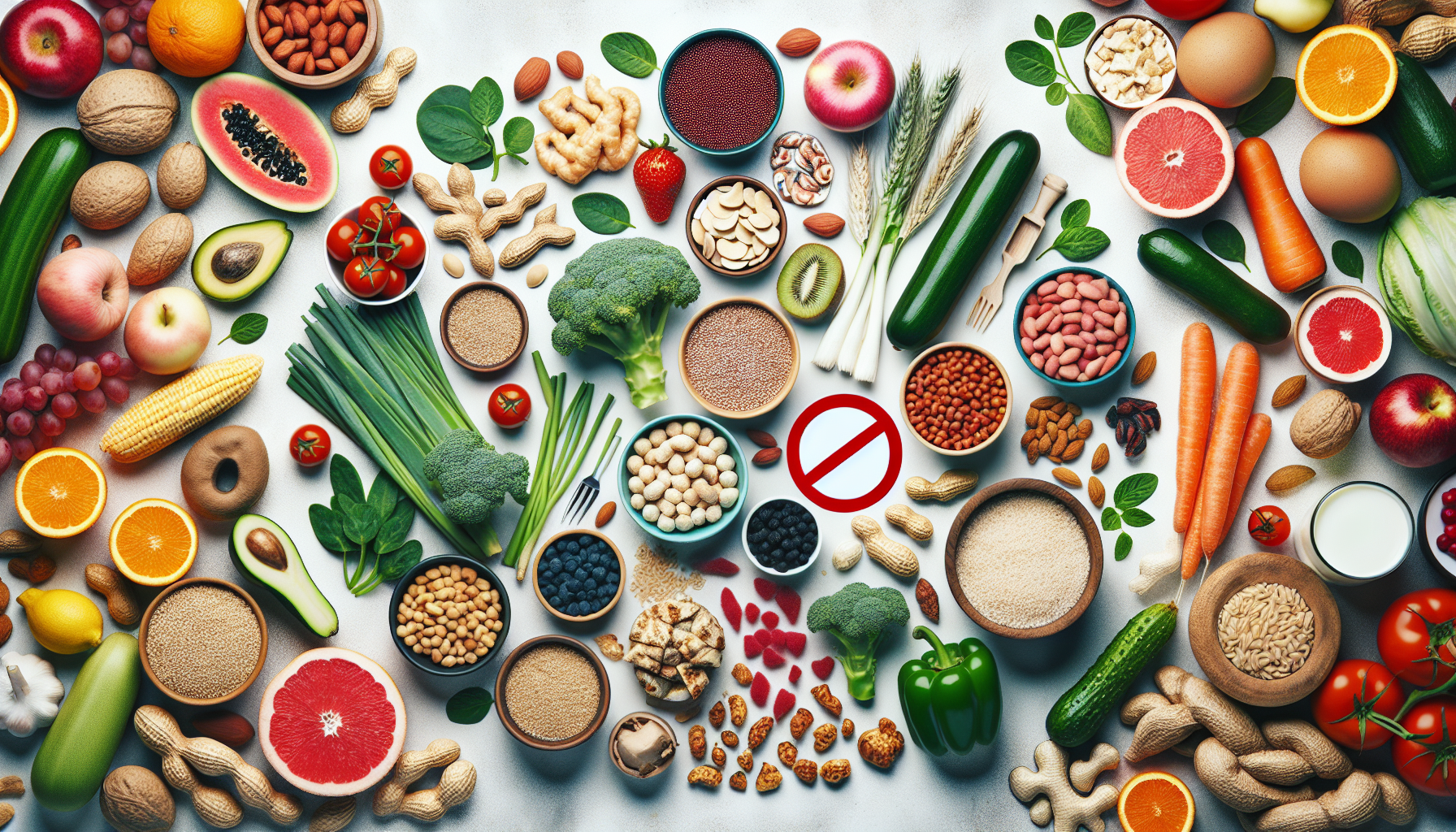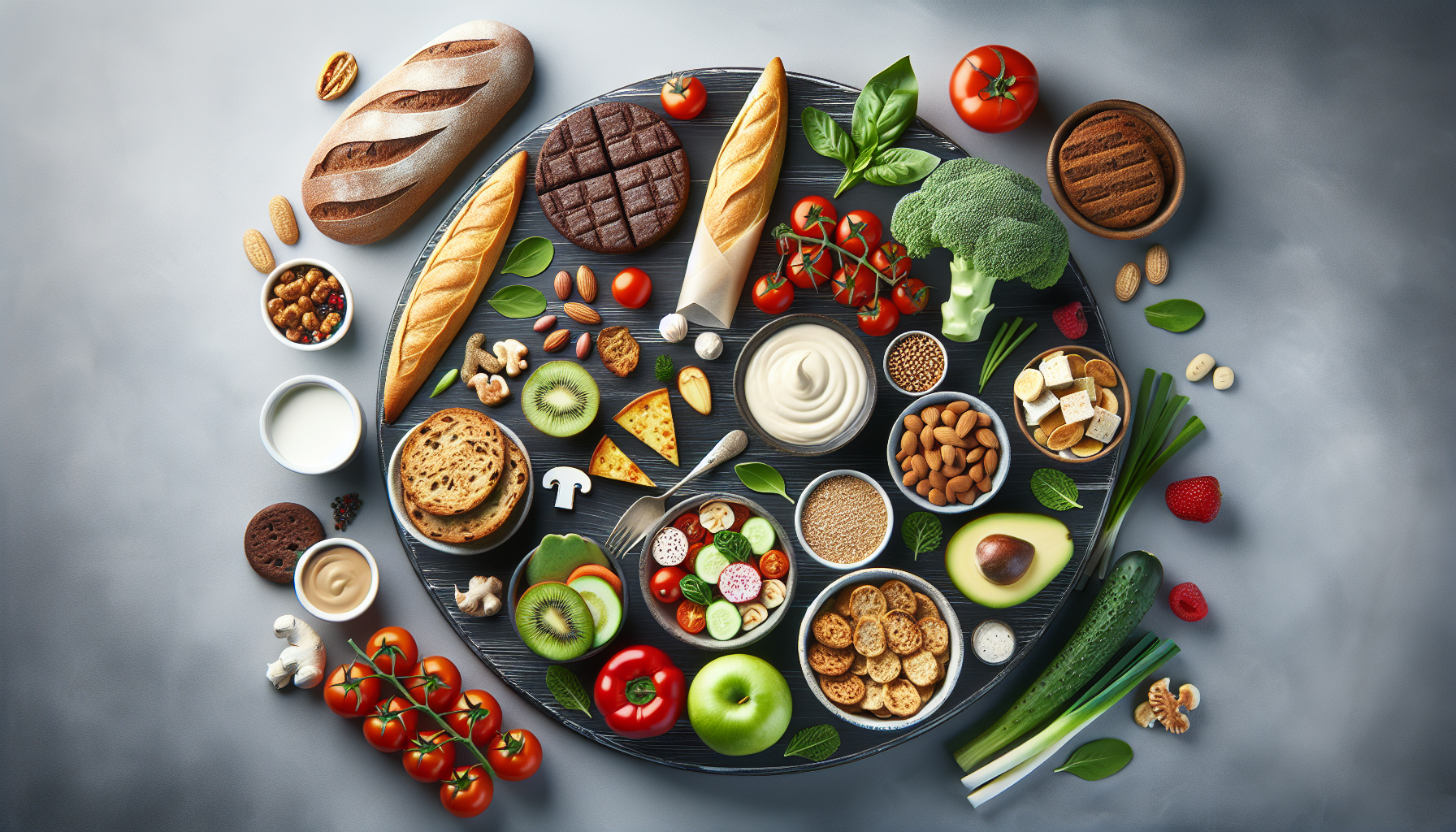
The Mediterranean diet benefits stand out because this eating pattern is practical, well studied, and tied to better long-term health without requiring rigid calorie rules. At its core, the Mediterranean diet is not a branded plan or short-term cleanse. It is a way of eating modeled on traditional food patterns from countries bordering the Mediterranean Sea, especially Greece, southern Italy, and parts of Spain, where meals center on vegetables, beans, whole grains, fruit, olive oil, nuts, herbs, and frequent seafood, with smaller amounts of dairy, eggs, and poultry and limited red meat or heavily processed foods.
When people ask what the Mediterranean diet is, they usually want to know two things: what foods it includes and why so many doctors, dietitians, and public health groups recommend it. The answer is straightforward. It emphasizes minimally processed foods, healthy fats from extra virgin olive oil and nuts, high fiber from plants and legumes, and a meal structure that is easier to sustain than restrictive diets. In my experience helping people compare dietary lifestyles, this pattern works well because it improves food quality first. That single shift often leads to better energy, better blood sugar control, improved cholesterol, and more satisfying meals.
Why does this matter now? Chronic disease rates remain high, and many people feel overwhelmed by conflicting nutrition advice. A sustainable framework matters more than another seven-day reset. The Mediterranean diet is one of the most researched dietary patterns in the world, and the evidence repeatedly connects it with lower cardiovascular risk, healthier metabolic markers, and better overall diet adherence. For a sub-pillar topic within dietary lifestyles and special diets, it also serves as a useful hub because it intersects with weight management, heart health, diabetes prevention, anti-inflammatory eating, meal planning, and healthy aging. Understanding the full range of Mediterranean diet benefits helps readers decide whether this is the right long-term approach for their goals.
What Foods Define the Mediterranean Diet
The Mediterranean diet is best understood by its food pattern rather than a strict list of allowed and forbidden items. Daily meals usually include vegetables, leafy greens, tomatoes, onions, garlic, beans, lentils, chickpeas, whole grains such as oats, barley, brown rice, farro, and whole wheat bread, plus fruit, nuts, seeds, yogurt, and olive oil. Fish and seafood are encouraged several times a week. Poultry, eggs, and cheese appear in moderate amounts. Red meat and sweets are used less often, not necessarily banned, but treated as occasional foods.
Extra virgin olive oil is the signature fat source, and that matters. It is rich in monounsaturated fat and polyphenols, compounds linked to favorable effects on inflammation and vascular function. The pattern also naturally raises intake of potassium, magnesium, folate, fiber, carotenoids, and other nutrients many people underconsume. Herbs, spices, lemon, vinegar, and garlic replace some reliance on heavy sauces or excess sodium. In practical terms, a Mediterranean-style plate often looks like roasted vegetables, grilled salmon, lentil salad, fruit, and yogurt instead of a processed entrée with refined grains and sugary drinks.
One reason the Mediterranean diet benefits are so consistent across studies is that it improves several nutrition variables at once. People generally eat less saturated fat from fatty cuts of meat and more unsaturated fat from olive oil, nuts, seeds, and fish. They also consume more fiber and fewer ultra-processed foods. Those combined changes affect cholesterol, blood pressure, satiety, and insulin response in ways a single nutrient target cannot match.
Heart Health Benefits and Why the Evidence Is Strong
The most established Mediterranean diet benefit is cardiovascular protection. Researchers have studied this pattern for decades, and the findings are unusually consistent compared with many nutrition topics. Better heart health does not come from one “superfood.” It comes from the combined effect of replacing refined and highly processed foods with plant-forward meals and healthier fats.
A landmark example is the PREDIMED trial from Spain, a major randomized study that examined Mediterranean-style eating patterns supplemented with extra virgin olive oil or nuts. The trial found a significant reduction in major cardiovascular events among higher-risk adults compared with a lower-fat control approach. While no single study settles a nutrition question forever, PREDIMED remains influential because it tested a real dietary pattern in a real population over time. Its results align with large observational cohorts showing lower rates of heart disease among people with stronger adherence to Mediterranean-style eating.
From a clinical standpoint, the mechanisms make sense. Soluble fiber from beans, oats, and vegetables can help lower LDL cholesterol. Monounsaturated fats from olive oil may improve lipid profiles when they replace more saturated sources. Fatty fish such as sardines, salmon, trout, and mackerel provide omega-3 fatty acids associated with lower triglycerides. Higher intake of potassium-rich foods like beans, greens, and fruit supports blood pressure control. Even meal enjoyment matters, because diets that people can actually maintain are more likely to produce durable health outcomes.
| Diet feature | Main food sources | Health effect | Everyday example |
|---|---|---|---|
| Monounsaturated fats | Extra virgin olive oil, olives, avocado | Supports healthier cholesterol patterns | Use olive oil instead of butter in cooked vegetables |
| Omega-3 fats | Salmon, sardines, trout, mackerel | Helps lower triglycerides and supports heart function | Eat grilled salmon twice weekly |
| Soluble and insoluble fiber | Beans, lentils, oats, vegetables, fruit | Improves satiety, cholesterol, and digestion | Add chickpeas to salads and soups |
| Polyphenols | Olive oil, berries, herbs, nuts, tea | Associated with antioxidant and vascular benefits | Dress a tomato salad with olive oil and oregano |
For readers asking whether the Mediterranean diet is good for high cholesterol or high blood pressure, the answer is yes, often meaningfully so, especially when the pattern replaces processed meats, refined carbohydrates, and restaurant-heavy eating. It is not a substitute for medication when medication is needed, but it is one of the strongest nutrition foundations for heart risk reduction.
Weight Management, Blood Sugar, and Metabolic Health
Another major reason people search Mediterranean diet benefits is weight control. The important point is that this diet does not guarantee weight loss simply because the foods are healthy. Olive oil, nuts, and cheese are nutrient dense and calorie dense. What makes the pattern useful for weight management is that it tends to improve satiety, reduce mindless snacking, and replace low-quality calories with more filling meals.
In practice, people often do better because meals contain a better balance of protein, fiber, and fat. A lunch of white bread and chips digests quickly and leaves many people hungry again within hours. A lunch built around lentils, vegetables, olive oil, and yogurt usually holds better. Over weeks, that can reduce overeating without the psychological backlash of very restrictive plans. I have seen this repeatedly when clients shift from grazing on packaged snacks to structured meals with beans, fish, whole grains, and produce.
The Mediterranean diet is also associated with better insulin sensitivity and lower risk of type 2 diabetes. Higher fiber intake slows digestion and helps moderate post-meal glucose response. Choosing intact grains and legumes over refined starches reduces blood sugar spikes. Replacing sugar-sweetened beverages and desserts with fruit, sparkling water, and yogurt can lower total added sugar intake without making meals feel punitive. For people with prediabetes, this pattern is often easier to sustain than highly restrictive carbohydrate approaches, although individual carbohydrate tolerance still matters and should be monitored.
If the goal is metabolic health, quality matters as much as quantity. Whole-food carbohydrates such as beans, farro, fruit, and vegetables behave differently in the body than sugary cereal, pastries, or sweetened drinks. The Mediterranean pattern nudges people toward that distinction every day. That is why it can support lower waist circumference, better A1C trends, and improved triglyceride levels when followed consistently.
Brain Health, Inflammation, and Healthy Aging
Mediterranean diet benefits extend beyond the heart and scale. Research increasingly links this eating pattern with healthier aging, including support for cognitive function and lower inflammation markers. While no diet can prevent dementia with certainty, dietary quality is one of the most credible lifestyle factors in brain health because the brain depends on steady blood flow, glucose regulation, and protection from long-term vascular damage.
Plant-rich Mediterranean meals supply antioxidants and polyphenols from berries, leafy greens, olive oil, nuts, beans, and herbs. These compounds are studied for their role in reducing oxidative stress and supporting endothelial function. Fatty fish contributes DHA and EPA, omega-3 fats involved in neuronal membranes and anti-inflammatory signaling. Together, these foods create a pattern that supports both vascular and neurological health.
Inflammation is another area where the Mediterranean diet performs well, though it is important not to oversimplify. Inflammation is a complex biological process, not a feeling that disappears after one “clean eating” week. Still, diets high in ultra-processed foods, excess added sugar, and poor fat quality are often associated with worse inflammatory profiles. A Mediterranean-style pattern usually shifts those variables in a healthier direction. People with arthritis, metabolic syndrome, or fatty liver disease often report improvements in energy and day-to-day symptoms when they eat this way consistently, though outcomes vary and medical care remains essential.
Healthy aging also includes preserving muscle, mobility, and social connection. A useful feature of the Mediterranean diet is that it can support protein intake through fish, yogurt, beans, lentils, and eggs while still keeping plant foods central. Just as important, it encourages shared meals and cooking habits that are easier to maintain across decades than rigid food rules.
How to Start and What to Watch Out For
Starting the Mediterranean diet does not require a pantry overhaul in one weekend. The most effective transition is usually incremental and deliberate. Begin by changing the fat source in your kitchen: use extra virgin olive oil more often and rely less on butter or highly refined oils for everyday cooking. Next, build at least half of lunch and dinner around vegetables, then add beans, fish, or another protein and a whole grain. Keep fruit, yogurt, nuts, and hummus available for snacks so convenience supports the plan instead of undermining it.
Some people benefit from a simple weekly template: two bean-based dinners, two fish meals, one egg-based meal, one poultry meal, and one flexible night. Breakfast might be plain Greek yogurt with berries and walnuts, oatmeal with fruit and seeds, or eggs with sautéed greens and whole grain toast. These are recognizable, affordable meals, not specialty diet foods. For readers exploring related articles within dietary lifestyles and special diets, useful next steps include Mediterranean meal planning, Mediterranean diet food lists, Mediterranean diet for beginners, and Mediterranean diet recipes for weight loss or heart health.
There are also realistic limitations. Good olive oil, nuts, and fish can be expensive, although canned sardines, canned salmon, dried beans, frozen vegetables, and store-brand yogurt keep costs down. People with celiac disease need gluten-free whole grain options. Those with advanced kidney disease may need individualized guidance on potassium, phosphorus, or protein. If someone interprets “Mediterranean” as unlimited pasta, bread, wine, and cheese, results will disappoint. The benefit comes from the pattern as a whole, especially the emphasis on plants, legumes, seafood, and minimally processed foods.
The bottom line is simple: the Mediterranean diet benefits are broad because the pattern is balanced, evidence based, and sustainable. It supports heart health, blood sugar control, weight management, brain health, and healthier aging by improving the overall quality of what you eat, not by banning entire food groups. That makes it especially valuable for people who want a long-term approach instead of another short-lived fix.
If you want to start, pick three changes this week: cook with extra virgin olive oil, eat beans or lentils twice, and add fish once. Then build from there. Small, consistent upgrades create the real advantage of Mediterranean-style eating, and they are often enough to change both lab markers and daily life over time.
Frequently Asked Questions
What is the Mediterranean diet, and why is it considered different from a typical diet plan?
The Mediterranean diet is best understood as a long-term eating pattern rather than a strict, rule-heavy diet. It is modeled after traditional food habits common in countries along the Mediterranean Sea, especially places like Greece, southern Italy, and parts of Spain. Instead of focusing on calorie counting, highly structured meal timing, or eliminating entire food groups, it emphasizes eating more of the foods that have consistently been associated with better health outcomes. These include vegetables, beans, lentils, whole grains, fruit, olive oil, nuts, seeds, herbs, and moderate amounts of fish and dairy. Red meat, heavily processed foods, and sweets are generally eaten less often.
What makes it different from many modern diet plans is its practicality and sustainability. It does not depend on expensive specialty products, detox phases, or unrealistic restrictions. Meals are built around familiar, satisfying foods, and the pattern is flexible enough to adapt to different cultures, budgets, and preferences. It also encourages a broader lifestyle approach, including cooking at home more often, enjoying meals socially, and relying on simple ingredients. That combination of flexibility, enjoyment, and strong research support is a major reason the Mediterranean diet stands out as more than just another trend.
What are the main health benefits linked to the Mediterranean diet?
The Mediterranean diet has been widely studied and is associated with several important long-term health benefits. One of its strongest advantages is support for heart health. Because it emphasizes olive oil, nuts, beans, whole grains, vegetables, and fish while limiting highly processed foods and excess saturated fat, it may help improve cholesterol levels, support healthy blood pressure, and reduce overall cardiovascular risk. This is one reason it is often recommended by health professionals as a smart eating pattern for prevention and long-term wellness.
Beyond heart health, the Mediterranean diet is also linked to better metabolic health. It may help with blood sugar control, improve insulin sensitivity, and support healthy weight management without requiring harsh dieting tactics. The high fiber content from vegetables, legumes, fruit, and whole grains can help people feel full and satisfied, which often makes it easier to avoid overeating. In addition, the diet provides a wide range of vitamins, minerals, antioxidants, and anti-inflammatory compounds that may support brain health, digestive health, and healthy aging. While no eating plan can guarantee perfect health, the Mediterranean diet has one of the strongest bodies of evidence behind it for promoting overall well-being.
Do you have to count calories or follow strict rules to get Mediterranean diet benefits?
No, and that is one of the biggest reasons the Mediterranean diet appeals to so many people. This eating style does not require rigid calorie tracking or complicated food rules to be effective. Instead, it shifts the focus toward food quality, balance, and consistency. When your meals are built around vegetables, beans, whole grains, fruit, olive oil, nuts, and other minimally processed foods, you naturally create a pattern that is more filling and nutrient-dense than one centered on refined snacks, sugary drinks, and fast food.
That said, flexibility does not mean there is no structure at all. The Mediterranean diet still has a clear foundation: plant foods should make up most meals, olive oil is a primary fat source, and fish, legumes, and whole grains appear regularly. Highly processed foods, added sugars, and large amounts of red or processed meat are limited rather than made the centerpiece of the diet. For many people, this feels far more realistic than plans that demand strict measurements or daily point systems. It allows room for personal preference while still guiding people toward habits that support long-term health.
What foods should you eat more often on a Mediterranean diet?
The Mediterranean diet encourages you to eat more whole, minimally processed foods, especially those from plant sources. Vegetables are a major part of the pattern and often show up at most meals, whether in salads, soups, grain bowls, roasted side dishes, or simple sautéed preparations. Beans and lentils are also central because they provide fiber, plant protein, and important nutrients. Whole grains such as oats, brown rice, barley, farro, and whole-grain bread are typically chosen over refined grains. Fruit is commonly eaten as a naturally sweet everyday option rather than relying heavily on desserts and packaged snacks.
Healthy fats also play a key role, especially extra-virgin olive oil, which is often used for cooking, dressings, and finishing dishes. Nuts and seeds are included regularly in moderate portions, and herbs and spices are used generously to add flavor without depending on excessive salt or processed sauces. Fish and seafood are often eaten more regularly than red meat, and some versions of the diet include moderate amounts of yogurt and cheese. In practical terms, a Mediterranean-style plate often looks colorful, balanced, and simple: vegetables covering a large portion of the plate, a source of whole grains or legumes, healthy fat from olive oil or nuts, and a reasonable portion of protein.
Is the Mediterranean diet realistic for everyday life and different budgets?
Yes, and that practicality is one of its greatest strengths. Although the Mediterranean diet is sometimes pictured as an idealized lifestyle filled with restaurant-quality meals, its core foods are actually basic and accessible. Beans, lentils, oats, brown rice, potatoes, seasonal vegetables, fruit, canned fish, yogurt, and olive oil can all fit into an affordable routine. You do not need imported gourmet ingredients or complicated recipes to follow the pattern well. In fact, many Mediterranean-style meals are simple by design, such as vegetable soup with beans, whole-grain toast with olive oil, salad with chickpeas, or roasted vegetables served with fish and rice.
It is also highly adaptable. Someone who cooks often can build full weekly meal plans around it, but someone with a busy schedule can still apply the same principles by making smarter grocery and takeout choices. Frozen vegetables, canned beans, plain yogurt, tinned sardines, and whole-grain staples can make it easier to stay consistent without spending a lot of time or money. The goal is not perfection. The goal is moving your usual eating pattern closer to one that prioritizes plant foods, healthy fats, and minimally processed ingredients. That makes the Mediterranean diet not only realistic for everyday life, but one of the most sustainable approaches for people who want health benefits they can actually maintain.