
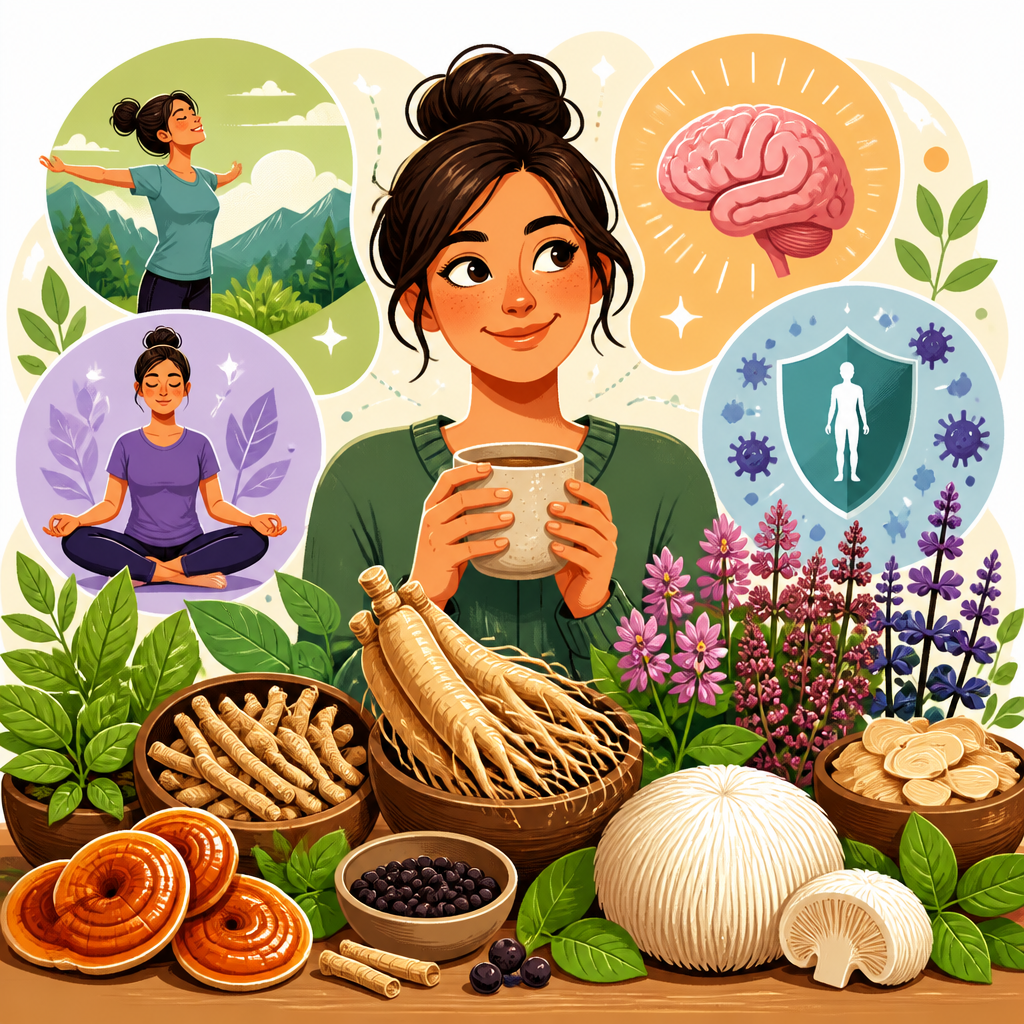
Adaptogens and herbal nutrition sit at the intersection of traditional plant medicine, modern food culture, and evidence-based wellness. In practical terms, adaptogens are herbs, roots, mushrooms, or botanicals believed to help the body respond to physical, mental, and environmental stress more efficiently. Herbal nutrition is broader: it includes the use of nutrient-dense plants, teas, extracts, spices, and whole-herb preparations to support normal physiology, fill dietary gaps, and complement everyday eating patterns. As a hub within the wider world of superfoods and functional foods, this topic matters because consumers are no longer asking only whether a food contains vitamins or protein. They want to know how ingredients influence energy, sleep, mood, focus, immunity, inflammation, and resilience over time.
I have worked with functional food products, ingredient labels, and clinical literature long enough to see where enthusiasm outruns accuracy. Adaptogens are not magic stress shields, and herbs are not automatically safer than pharmaceuticals just because they come from plants. Still, dismissing them outright would ignore centuries of traditional use and a growing body of research on compounds such as ginsenosides, withanolides, rosavins, curcuminoids, and beta-glucans. The useful approach is to understand definitions, mechanisms, preparation methods, dosage forms, and evidence quality so you can separate promising tools from marketing noise.
Many readers start with the same questions. What counts as an adaptogen? How is an herbal tea different from a standardized extract? Can mushrooms be included? Are adaptogens safe to combine with coffee, medications, or exercise routines? Which herbs are best supported by evidence, and which are mostly trend-driven? This guide answers those questions directly and serves as the central reference point for the adaptogens and herbal nutrition category. It explains the major herbs, how they are used, what benefits are realistic, where caution is necessary, and how to choose products that match quality standards rather than influencer claims.
One reason this subject deserves careful attention is that the market is crowded and inconsistent. A powder labeled “stress support” may contain tiny amounts of six herbs, while a plain root capsule might deliver a clinically relevant dose of one. Extraction ratio, plant part, cultivation method, and standardization all affect results. So does context: sleep deprivation, poor diet, high alcohol intake, and unmanaged anxiety can overwhelm any modest benefit from herbs. Adaptogens and herbal nutrition work best when treated as part of a broader functional nutrition strategy, not as stand-alone fixes.
What Adaptogens Are and How They Work
The term adaptogen is commonly applied to substances that may help the body maintain homeostasis under stress. In pharmacological discussions, three ideas usually appear: the substance should support resistance to stressors, produce a normalizing influence rather than a one-direction stimulation, and be reasonably safe at typical intake levels. That does not mean every so-called adaptogen meets strict scientific criteria, but it gives you a practical framework. Classic examples include ashwagandha, rhodiola rosea, eleuthero, panax ginseng, schisandra, holy basil, and certain medicinal mushrooms often grouped alongside adaptogens in functional nutrition.
Mechanistically, these plants do not all act the same way. Some appear to influence the hypothalamic-pituitary-adrenal axis, which helps regulate cortisol and stress signaling. Others affect neurotransmitters, inflammatory pathways, oxidative stress, glucose handling, mitochondrial function, or immune cell activity. Ashwagandha, for example, is often studied for stress, sleep, and cortisol-related outcomes. Rhodiola is frequently discussed for fatigue and mental performance under strain. Panax ginseng has research on cognition, energy, and glycemic control, while reishi and cordyceps are usually framed through immune modulation and endurance support. The takeaway is simple: adaptogens are a category, not a single mechanism.
This distinction matters because product claims often flatten everything into “stress relief.” In practice, I have seen better outcomes when people match the herb to the goal. Someone with burnout-like fatigue but no major sleep issue may respond differently to rhodiola than to ashwagandha. Someone prioritizing exercise capacity may explore cordyceps, while a person looking for calm focus may prefer holy basil or schisandra. Understanding the body systems involved helps set realistic expectations and reduces trial-and-error buying.
Key Herbs, Mushrooms, and Their Best-Known Uses
The most useful way to navigate adaptogens and herbal nutrition is to know the leading ingredients and the use cases for which they are best known. Ashwagandha, derived from Withania somnifera, is one of the most popular herbs for stress support, sleep quality, and recovery. Standardized extracts such as KSM-66 and Sensoril are frequently used in studies, though they differ in concentration and plant parts used. Rhodiola rosea is a cold-climate root often chosen for mental fatigue, stress resilience, and perceived exertion during demanding work or training. Panax ginseng, especially standardized extracts containing ginsenosides, is linked with stamina, focus, and metabolic support.
Holy basil, also called tulsi, is widely consumed as a tea or capsule for calmness and general stress support. Schisandra berry has a long history in East Asian traditions and is often described as supporting endurance, liver function, and concentration. Eleuthero, sometimes called Siberian ginseng though it is not true ginseng, has been used for fatigue and resilience. Medicinal mushrooms broaden the category further. Reishi is commonly selected for stress, immune balance, and sleep support; cordyceps for exercise performance and energy metabolism; lion’s mane for cognition and nerve growth factor-related interest; and chaga for antioxidant-rich formulations, though evidence quality varies by use.
| Ingredient | Common goal | Typical forms | Key caution |
|---|---|---|---|
| Ashwagandha | Stress, sleep, recovery | Capsules, powders, extracts | May interact with thyroid or sedative therapies |
| Rhodiola rosea | Fatigue, focus, resilience | Standardized root extract | Can feel overstimulating for some users |
| Panax ginseng | Energy, cognition, glucose support | Capsules, teas, extracts | Possible interaction with anticoagulants and stimulants |
| Holy basil | Calm, stress balance | Tea, tincture, capsule | Use caution with blood sugar-lowering therapy |
| Reishi | Immune support, rest, resilience | Powders, hot-water extracts | Potential issues with anticoagulant use |
| Cordyceps | Endurance, energy metabolism | Capsules, mushroom blends | Quality varies sharply across products |
These examples are useful starting points, not universal prescriptions. A tea made from tulsi leaves is not equivalent to a concentrated ashwagandha extract, and mushroom powders made from mycelium grown on grain are not the same as fruiting body extracts standardized for beta-glucans. This is where many consumers get confused. The plant species, plant part, extraction method, and active compound profile determine how meaningful a product is.
Evidence, Limits, and What Research Actually Supports
The evidence base for adaptogens and herbal nutrition is promising but uneven. Some herbs have multiple randomized controlled trials and standardized extracts; others rely more heavily on traditional use, preclinical data, or small human studies. Ashwagandha currently has some of the strongest commercial visibility and a respectable number of human trials on stress, anxiety scores, sleep quality, and cortisol-related outcomes. Rhodiola has encouraging data for fatigue and cognitive performance under stress, though trial designs and extract consistency differ. Panax ginseng has a broader research history, including immune and metabolic outcomes, but effects can vary with species, dose, and preparation.
That variability is not a minor detail. In herbal research, one extract cannot automatically stand in for all products made from the same plant. A standardized extract with a tested level of withanolides or rosavins may produce outcomes that a generic powder does not. When I evaluate formulations, I look first for the exact botanical name, the part used, extract ratio, standardization marker, and daily dose. If a label hides all of that behind a “proprietary blend,” confidence drops immediately because neither clinicians nor consumers can compare the dose to published data.
There are also limits to what herbs can do. Adaptogens may modestly improve stress response, energy, or subjective well-being, but they do not replace treatment for major depressive disorder, generalized anxiety disorder, thyroid disease, iron deficiency, sleep apnea, or overtraining syndrome. If fatigue is driven by anemia, low calorie intake, chronic infection, or medication side effects, no mushroom latte will solve the root problem. The most trustworthy interpretation is that certain herbs can support function within a broader care plan when the dosage, product quality, and use case are appropriate.
Forms, Dosage, and How to Choose Better Products
Herbal nutrition appears in many forms: whole dried herbs, teas, decoctions, tinctures, glycerites, powders, capsules, tablets, and standardized extracts. Each form changes concentration, convenience, taste, and absorption. Teas are ideal for aromatic leaves and gentle daily use, such as tulsi, chamomile, peppermint, or ginger. Decoctions suit harder materials like roots and bark that need simmering. Tinctures are alcohol-based liquid extracts that can be effective and fast to use, while capsules offer convenience and precise serving sizes. Standardized extracts are usually the best choice when trying to align intake with human studies.
Label reading is the most underrated skill in this category. A strong herbal product should list the common and Latin name, the plant part used, amount per serving, and any standardization details, such as “5% withanolides” or “3% rosavins, 1% salidroside.” For mushrooms, look for beta-glucan content and whether the material comes from fruiting bodies, mycelium, or both. Third-party testing matters because herbs can be affected by heavy metals, pesticide residues, microbial contamination, or adulteration. Reputable companies often use certificates of analysis and testing programs from organizations such as NSF, USP, ConsumerLab, or independent ISO-accredited laboratories.
Dosage is where readers often want exact numbers, but the honest answer is that appropriate ranges depend on the ingredient and extract. For instance, study doses of ashwagandha extract commonly differ from doses of plain root powder, and rhodiola products vary widely by rosavin and salidroside content. Start by following the tested dose range for a specific standardized product when available, not by copying a social media stack. Use one new herb at a time for at least two weeks unless a clinician advises otherwise. That makes it easier to notice whether changes in sleep, digestion, focus, or mood are actually related to the herb.
Safety, Interactions, and Who Should Be Careful
Natural does not mean risk free. Herbs contain pharmacologically active compounds, which is exactly why they may help and why they can also interact with medications or medical conditions. People who are pregnant or breastfeeding, scheduled for surgery, taking anticoagulants, managing autoimmune disease, using diabetes medication, or being treated for thyroid disorders should review herbal products with a qualified clinician or pharmacist. Sedative herbs may compound the effects of sleep medications. Stimulating herbs may not suit people with uncontrolled hypertension, arrhythmias, or high sensitivity to caffeine-like effects.
Quality and individual response influence safety as much as the herb itself. I have seen people tolerate a moderate dose of a single-ingredient extract well but feel poorly on a trendy blend with multiple botanicals, caffeine, and added nootropics. Common side effects can include digestive upset, headache, drowsiness, jitteriness, or changes in sleep pattern depending on timing and dose. Allergic reactions are less common but possible. A practical rule is to avoid stacking several new products, especially if they all target stress or energy, because overlap can make side effects harder to identify.
Children, older adults, and people with complex health histories need a more conservative approach. Herbs can be valuable, but only when used deliberately. If a product promises instant transformation, hormone optimization, detoxification, and limitless energy at once, skepticism is justified. Responsible herbal nutrition is specific, measured, and transparent.
How Adaptogens Fit Into a Functional Food Routine
The best use of adaptogens is as a support layer inside an already solid nutrition and lifestyle routine. Pairing herbs with protein adequacy, fiber-rich meals, hydration, sleep hygiene, resistance training, and stress management produces more reliable results than expecting one supplement to carry the whole burden. For example, a person dealing with afternoon fatigue may benefit more from consistent meals, enough iron and B vitamins, improved sleep timing, and then a targeted herb such as rhodiola or ginseng if needed. Likewise, someone seeking better sleep should first address alcohol intake, screen exposure, and total stress load before relying on reishi or ashwagandha.
Functional foods offer a practical entry point. Adaptogenic teas, mushroom coffee alternatives, spice blends, broths, and smoothie add-ins can make herbs easier to use consistently. But convenience should not replace critical thinking. Many “superfood” products sprinkle in tiny amounts of expensive botanicals mainly for label appeal. Look for products where the featured herb is present in a meaningful amount and where the rest of the formula supports the same goal rather than creating a kitchen-sink blend. As this sub-pillar expands, readers should explore deeper guides on individual herbs, medicinal mushrooms, tinctures, herbal teas, and formulation quality to build a personalized approach with confidence.
Breaking down adaptogens and herbal nutrition comes down to clarity. Know what the herb is, what outcome it is reasonably associated with, how the product is made, what dose has been studied, and where safety checks belong. The biggest benefit is not chasing trends; it is making better decisions in a crowded functional food market. Use this hub as your starting point, compare products carefully, and choose one evidence-aligned next step that fits your real health goal.
Frequently Asked Questions
What are adaptogens, and how are they different from general herbal nutrition?
Adaptogens are a specific category of botanicals traditionally used to help the body maintain balance during times of physical, mental, and environmental stress. They are often discussed in relation to the body’s stress-response systems, including hormone signaling, energy regulation, and resilience under pressure. Common examples include ashwagandha, rhodiola, eleuthero, holy basil, and certain medicinal mushrooms such as reishi. While the term is widely used in wellness conversations, it is important to understand that adaptogens are not magic substances or one-size-fits-all solutions. Their role is generally described as supportive rather than curative, and they are best understood as part of a broader lifestyle approach that includes sleep, nutrition, movement, and stress management.
Herbal nutrition is the wider umbrella. It includes adaptogens, but it also covers culinary herbs, nutrient-rich plants, teas, roots, spices, extracts, and whole-herb preparations used to support everyday wellness and normal body function. For example, ginger may be used in herbal nutrition for digestive comfort, nettle for its mineral content, turmeric as a functional spice, and chamomile as a calming tea. In other words, all adaptogens may be considered part of herbal nutrition, but not all herbs used in nutrition are adaptogens. The key difference is that adaptogens are usually discussed in terms of stress resilience and homeostasis, while herbal nutrition is about using plant-based compounds more broadly to nourish the body and complement a healthy diet.
Do adaptogens actually work, or is the science still developing?
The science is promising, but it is still evolving. Some adaptogenic herbs have been studied for their potential effects on stress perception, fatigue, cognitive performance, sleep quality, and overall well-being. Ashwagandha, for instance, has been examined in research related to stress and sleep support, while rhodiola has been studied for fatigue and mental performance under stress. At the same time, the quality of evidence varies significantly depending on the herb, the product used, the dose, the length of the study, and the population being studied. This means the scientific picture is not equally strong across all adaptogens, and broad claims should be approached carefully.
One important issue is that herbal products are not always standardized in the same way pharmaceuticals are. Two products labeled with the same herb may differ in potency, active compounds, extraction method, purity, and intended use. Traditional use can offer valuable context, but modern evidence-based wellness also asks whether a particular preparation has been tested, how it was measured, and whether the results are clinically meaningful. A balanced view is the best one: adaptogens are neither purely hype nor guaranteed solutions. They may be useful tools for some people, especially when chosen thoughtfully and used consistently, but they should be evaluated alongside nutrition, lifestyle habits, product quality, and individual health needs.
How should someone choose an adaptogen or herbal nutrition product safely and effectively?
Start with your goal, not the trend. Different herbs are used for different purposes, and choosing one should depend on what you are trying to support. If you are dealing with occasional stress and want a calming option, an herb traditionally associated with relaxation may make more sense than one commonly used for physical stamina. If your interest is broader nutritional support, you may be better served by mineral-rich herbs, digestive bitters, culinary spices, or herbal teas rather than a concentrated adaptogen formula. Looking at the herb’s traditional use, the available research, the form of the product, and your personal tolerance is far more useful than choosing something simply because it is popular on social media.
Product quality matters just as much as the herb itself. Look for reputable brands that provide transparent labeling, ingredient sourcing information, and third-party testing for identity and contaminants. It is also wise to pay attention to whether the product is a tea, tincture, capsule, powder, or extract, because the form can influence strength, convenience, and how easily it fits into your routine. Standardized extracts may offer more consistency, while whole-herb preparations may appeal to people who prefer a traditional approach. Most importantly, safety comes first. Herbs can interact with medications, affect blood pressure, blood sugar, thyroid function, sedation levels, or hormone-related conditions, and they may not be appropriate during pregnancy, breastfeeding, or certain medical situations. If you have a health condition or take prescriptions, it is smart to check with a qualified healthcare professional before starting anything new.
Can adaptogens and herbal nutrition replace a healthy diet or medical care?
No. Adaptogens and herbal nutrition are best viewed as complementary tools, not replacements for foundational health practices or professional care. Even the most respected herbs cannot substitute for sufficient sleep, balanced meals, regular movement, hydration, and stress reduction. If someone is chronically exhausted, anxious, dealing with digestive issues, or struggling with poor recovery, the root causes may involve diet quality, overtraining, inadequate rest, mental health concerns, nutrient deficiencies, medication effects, or an underlying medical condition. In those situations, adding herbs without addressing the bigger picture may provide limited results.
The same principle applies to medical care. Herbal approaches can be valuable for supporting normal physiology and daily wellness, but they are not stand-ins for diagnosis, treatment, or monitoring when symptoms are persistent, severe, or unexplained. For example, ongoing fatigue, major sleep disruption, significant mood changes, digestive pain, or hormonal symptoms should not be brushed aside as something a supplement can simply fix. A thoughtful, modern approach combines the strengths of both worlds: nutrient-dense food as the foundation, herbs and adaptogens as supportive options when appropriate, and evidence-based medical guidance when symptoms suggest something more serious is going on.
What is the best way to add adaptogens and herbs into a daily routine?
The best approach is simple, consistent, and realistic. Instead of starting with multiple powders, capsules, and blends all at once, begin with one product or one herb and use it consistently for a period of time while paying attention to how you feel. This makes it easier to notice benefits, side effects, or lack of response. For some people, this may look like a morning adaptogenic mushroom blend in coffee, an evening calming tea, or a capsule taken with food at the same time each day. For others, herbal nutrition may be more food-centered, such as adding turmeric, ginger, cinnamon, nettle infusions, or bitter herbs to meals and drinks as part of a broader wellness routine.
It also helps to match the form of the herb to your preferences and habits. Teas can be soothing and easy to incorporate, powders can blend into smoothies or oatmeal, tinctures offer flexibility in dosing, and capsules may be the most convenient for people who want simplicity. Keep expectations realistic: herbs often work subtly and gradually rather than producing immediate dramatic changes. Track sleep, energy, stress tolerance, digestion, or focus over time, and reevaluate whether the product is actually helping. The most effective routine is the one you can sustain safely, without using herbal products as a substitute for adequate nutrition or relying on them to compensate for chronic overwork, poor sleep, or unmanaged stress.