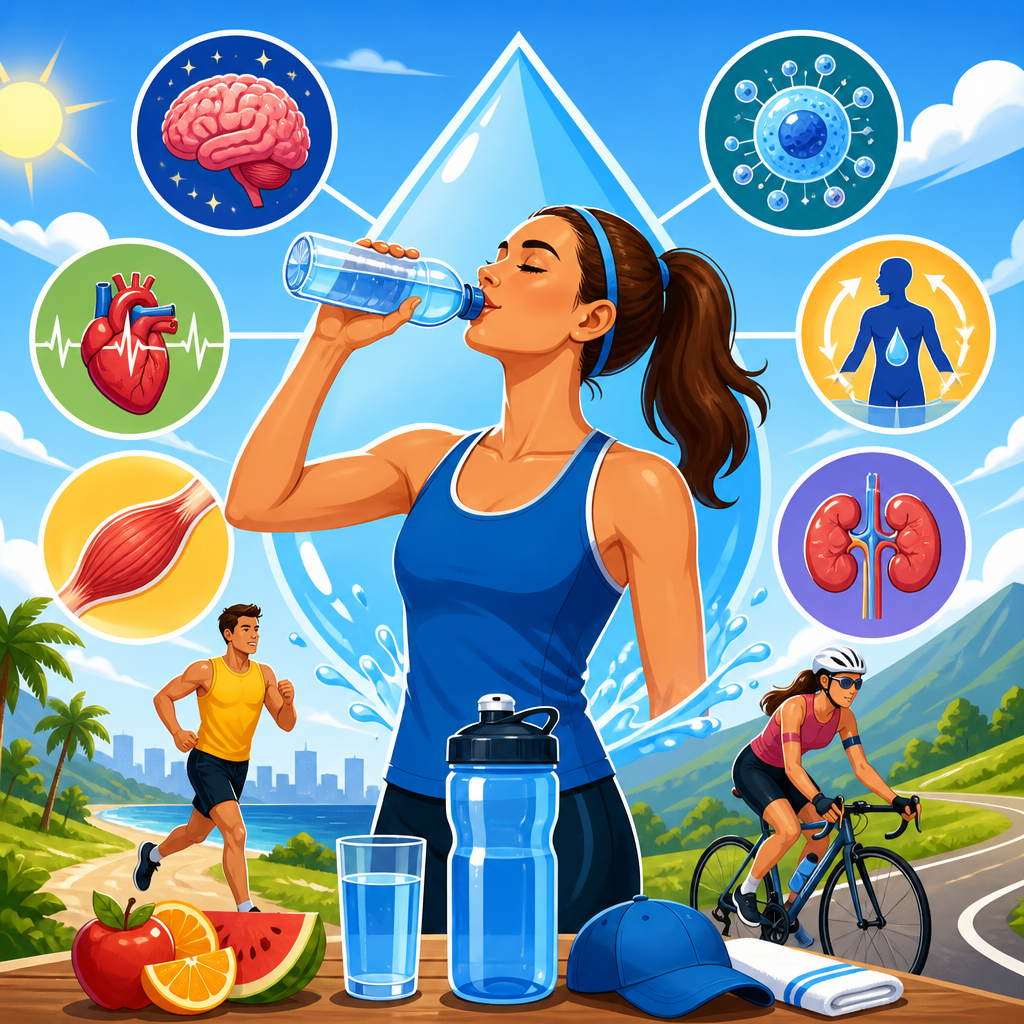
Hydration strategies for athletes determine how well the body regulates temperature, maintains blood volume, delivers nutrients, and produces power during training and competition. In sports nutrition, hydration means replacing not only water but also the electrolytes and fluids lost through sweat, respiration, and normal metabolism. Foods rich in hydration deserve a central place in that strategy because many athletes focus narrowly on bottles, powders, and sports drinks while overlooking how daily meals influence fluid balance. I have worked with endurance runners, team sport players, and strength athletes long enough to see the same pattern: performance problems blamed on fitness are often rooted in poor hydration habits. Even mild dehydration can raise perceived effort, reduce cognitive sharpness, slow recovery, and increase heat stress. For athletes training in hot climates, completing double sessions, or cutting weight, the stakes rise further. This article explains what hydration strategies for athletes actually include, which hydrating foods support them best, how to use those foods before, during, and after exercise, and where food fits alongside fluids, sodium, and evidence-based planning.
What hydration strategies for athletes include
Effective hydration strategies for athletes are planned systems, not last-minute reactions to thirst. At minimum, they account for baseline daily fluid intake, sweat losses during training, electrolyte replacement, pre-exercise preparation, post-exercise recovery, and environmental conditions such as heat, humidity, altitude, and cold. The American College of Sports Medicine and the National Athletic Trainers’ Association both emphasize individualized hydration because sweat rate and sodium loss vary substantially between athletes. In practice, I start with body mass changes across sessions. If an athlete loses more than about 2 percent of body weight during exercise, performance, especially endurance, repeated sprint ability, and decision-making, is more likely to decline. The fix is not always more plain water. Overdrinking water without sodium can dilute blood sodium, while underdrinking raises cardiovascular strain. Good plans blend beverages with foods that naturally provide water, potassium, magnesium, and in some cases sodium. Hydrating foods are especially useful because they improve total fluid intake without forcing athletes to constantly drink. They also deliver carbohydrate, which supports glycogen preservation and recovery.
Why hydrating foods matter as much as drinks
Top foods rich in hydration strategies for athletes matter because roughly 20 to 30 percent of daily fluid intake commonly comes from food, and that proportion can be higher when meals feature produce, yogurt, soups, and smoothies. Water-rich foods are not a gimmick; they are physiologically helpful. Fruits and vegetables with high water content slow fluid delivery slightly compared with drinking alone, which can improve retention, especially when paired with sodium or protein. For athletes who struggle with appetite after hard sessions, foods like watermelon, oranges, berries, cucumber, tomatoes, or Greek yogurt bowls can be easier to tolerate than large meals. In youth sports and team settings, I often see compliance improve when hydration is built into meals rather than left entirely to individual bottle habits. A soccer player may forget to sip consistently during class, but a lunch with fruit, vegetables, and soup raises fluid intake automatically. Hydrating foods also reduce dependence on sugary beverages. Sports drinks have a place during long or intense sessions, but all-day hydration usually improves when meals carry part of the load. The key point is simple: athletes should think of hydration as a whole-diet issue, not only a bottle issue.
Top foods rich in hydration for athletes
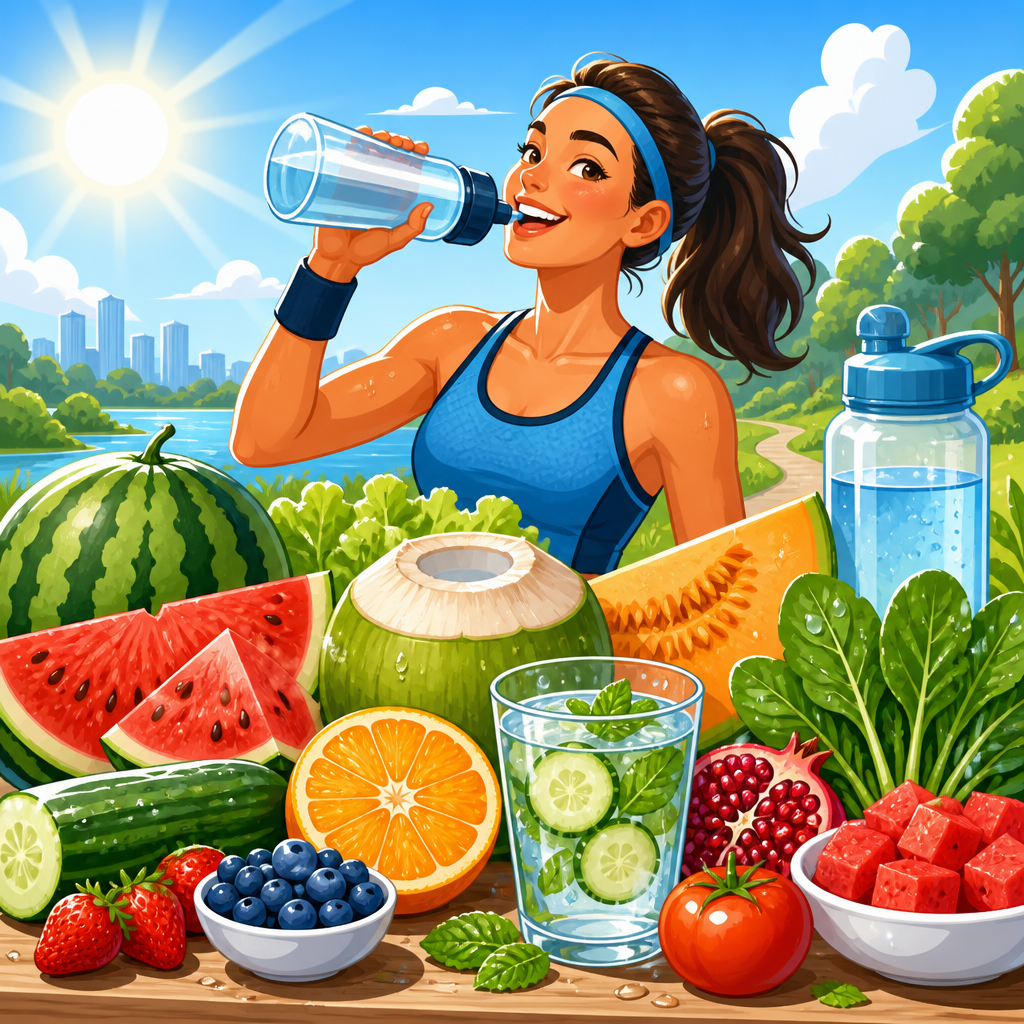
The best hydrating foods combine high water content with useful nutrients for training. Watermelon is an obvious leader at about 90 percent water and provides carbohydrate plus potassium, making it practical before or after summer sessions. Strawberries, oranges, grapefruit, cantaloupe, and pineapple also contribute significant fluid while supplying vitamin C and easily digested carbohydrate. Cucumbers, lettuce, celery, zucchini, tomatoes, and bell peppers are especially water dense and work well in wraps, salads, and recovery bowls. Potatoes are often overlooked; while not as water-rich as cucumber, cooked potatoes contribute fluid and deliver potassium and carbohydrate, two assets for athletes. Plain yogurt and Greek yogurt support hydration through fluid, sodium, potassium, calcium, and protein, making them strong post-workout options. Cottage cheese can help similarly. Milk is highly effective for rehydration because it contains sodium, carbohydrate, and protein; in applied settings it routinely outperforms plain water for fluid retention. Broth-based soups are another practical tool, especially for athletes with high sweat sodium losses. For a quick comparison, use foods that fit both sport demands and digestive tolerance.
| Food | Why it helps hydration | Best use for athletes |
|---|---|---|
| Watermelon | High water content, potassium, easy carbohydrate | Pre-session snack or post-training recovery |
| Orange | Fluid, carbohydrate, potassium, portable | Morning training or halftime snack |
| Cucumber | Very high water content, light on the stomach | Meals during hot weather blocks |
| Tomato | Fluid, potassium, versatile in meals | Lunches, sandwiches, pasta dishes |
| Greek yogurt | Fluid, protein, sodium, potassium | Post-workout recovery bowl |
| Milk | Strong fluid retention, electrolytes, protein | After hard sessions when tolerated |
| Broth-based soup | Fluid plus sodium for heavy sweaters | Recovery after long or hot sessions |
| Potatoes | Carbohydrate, potassium, useful fluid contribution | Recovery meals and pre-event fueling |
How to use hydrating foods before exercise
Pre-exercise hydration starts several hours before training, not at the warm-up. A useful target is arriving euhydrated, meaning body water is in a normal range and urine is pale straw rather than dark. Hydrating foods support that process by adding fluid without causing the sloshy stomach many athletes get from chugging water. Two to four hours before activity, build a meal around carbohydrate-rich, moderate-fiber foods with fluid content: oatmeal with berries and milk, rice with chicken and cooked vegetables, or yogurt with banana and melon. In the final 60 minutes, choose lighter options if needed, such as orange segments, applesauce, a smoothie, or a few pieces of watermelon. The goal is enough fluid and carbohydrate to start well fueled, not so much bulk that gastrointestinal distress becomes a problem. For athletes with nervous stomachs, low-fiber fruits and dairy may work better than large salads. In hot weather, I often recommend slightly salting meals or pairing fruit with a sodium source, because sodium helps retain the fluid you drink and eat. This is especially relevant for salty sweaters who finish sessions with white salt marks on clothing or skin.
Hydration during exercise: when food helps and when drinks matter more
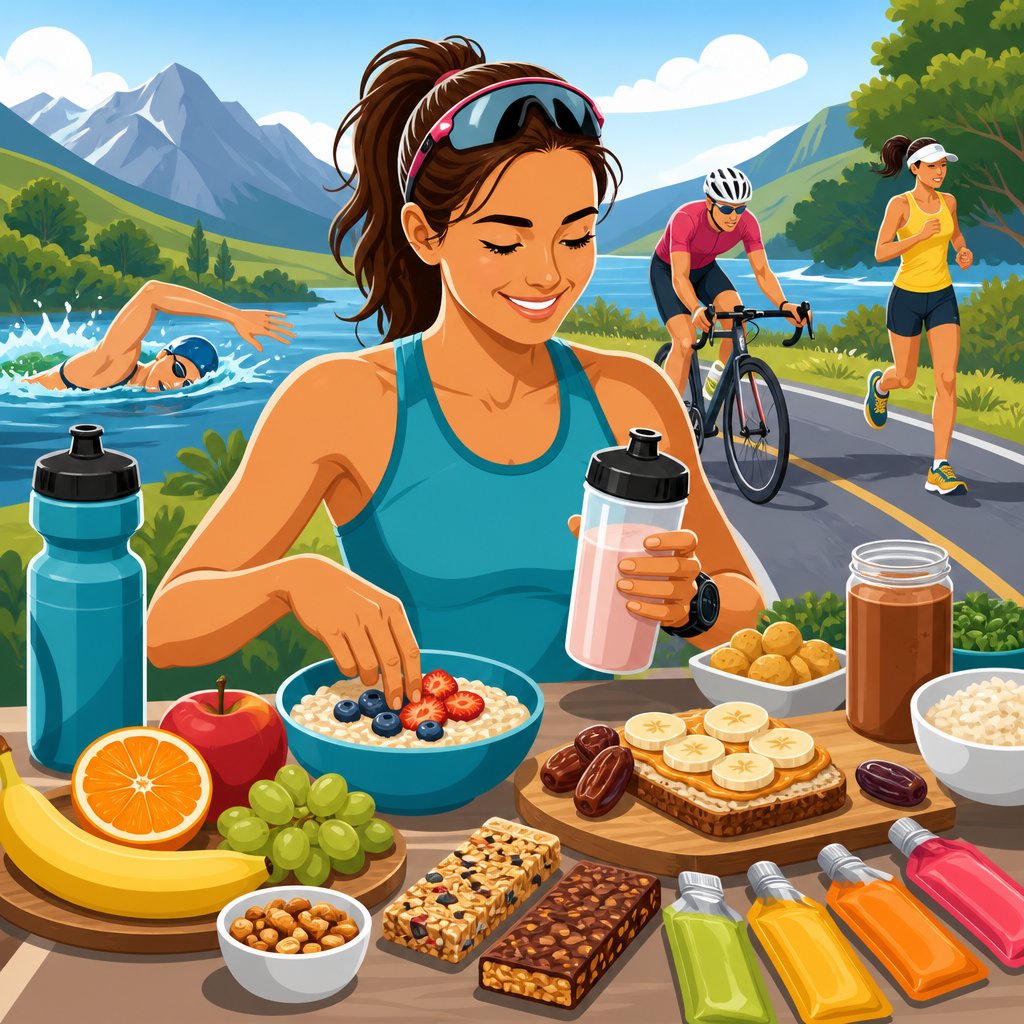
During exercise, hydration strategies for athletes depend on duration, intensity, and access. For sessions under about 60 minutes in cool conditions, most athletes do well with normal pre-hydration and water according to thirst. Food plays a smaller role during these short sessions. Once exercise lasts longer than 60 to 90 minutes, especially in the heat or at high intensity, drinks usually become the primary tool because fluid and carbohydrate need to be delivered quickly. Even then, food can help in certain sports. Tennis players, cyclists, hikers, and team sport athletes with breaks may tolerate orange slices, banana pieces, grapes, or watermelon at intervals. These foods provide fluid and carbohydrate, but they usually do not supply enough sodium for heavy sweaters, so they should complement rather than replace a sports drink or electrolyte plan. In marathon running or hard interval sessions, solid food may be too slow or uncomfortable. Here, beverages, gels, and chews are more reliable. The practical rule is direct: if the session is long, hot, or intense, prioritize measurable fluid and sodium intake; use hydrating foods only if they match the sport and your gut tolerance.
Recovery hydration after training and competition
Post-exercise hydration is where hydrating foods shine. Recovery is not just about replacing sweat; it is about restoring plasma volume, replenishing glycogen, repairing muscle, and preparing for the next session. If an athlete has several hours before the next workout, normal eating and drinking usually work. If the turnaround is short, structure matters. A common evidence-based target is replacing about 125 to 150 percent of the fluid lost, because some fluid will be lost in urine as the body rebalances. This is why sodium matters after exercise. In applied work, I often use a recovery plate that includes a salty protein source, a starch, and water-rich produce. Examples include rice bowls with chicken, tomatoes, cucumbers, and fruit; potatoes with salmon and soup; or Greek yogurt with cereal, berries, and a pinch of salt if sweat losses were high. Chocolate milk remains a useful option because it combines fluid, carbohydrate, sodium, and protein in one package. Athletes who finish dehydrated and only drink plain water often feel better briefly but recover incompletely. Foods create a more durable rehydration response because they provide fluid with the nutrients that help keep it in the body.
Individualizing hydration by sport, climate, and sweat loss
No single hydration plan works for every athlete. A 60-kilogram distance runner training at dawn has different needs than a 110-kilogram lineman in full pads or a wrestler manipulating body weight. Sweat rate can range from under 0.5 liters per hour to over 2 liters per hour, and sweat sodium concentration also varies widely. The most useful field method is simple sweat testing: weigh before and after a session, track everything consumed, note bathroom breaks, and calculate net losses. Repeat in different environments. That information tells you whether hydrating foods can cover much of your daily needs or whether aggressive fluid and sodium replacement is required. In hot and humid conditions, fluid needs rise because evaporative cooling becomes less efficient. At altitude, respiratory water loss increases. In cold weather, thirst often drops even though fluid losses continue. Athletes in weight-class sports face another complication: chronic restriction and rapid water cuts can impair performance and raise medical risk. For them, hydration strategy must be coordinated carefully with qualified professionals. The hub principle is to personalize. Use objective data, not guesswork, then choose foods, drinks, and sodium targets that match the athlete, the sport, and the setting.
Common hydration mistakes athletes make
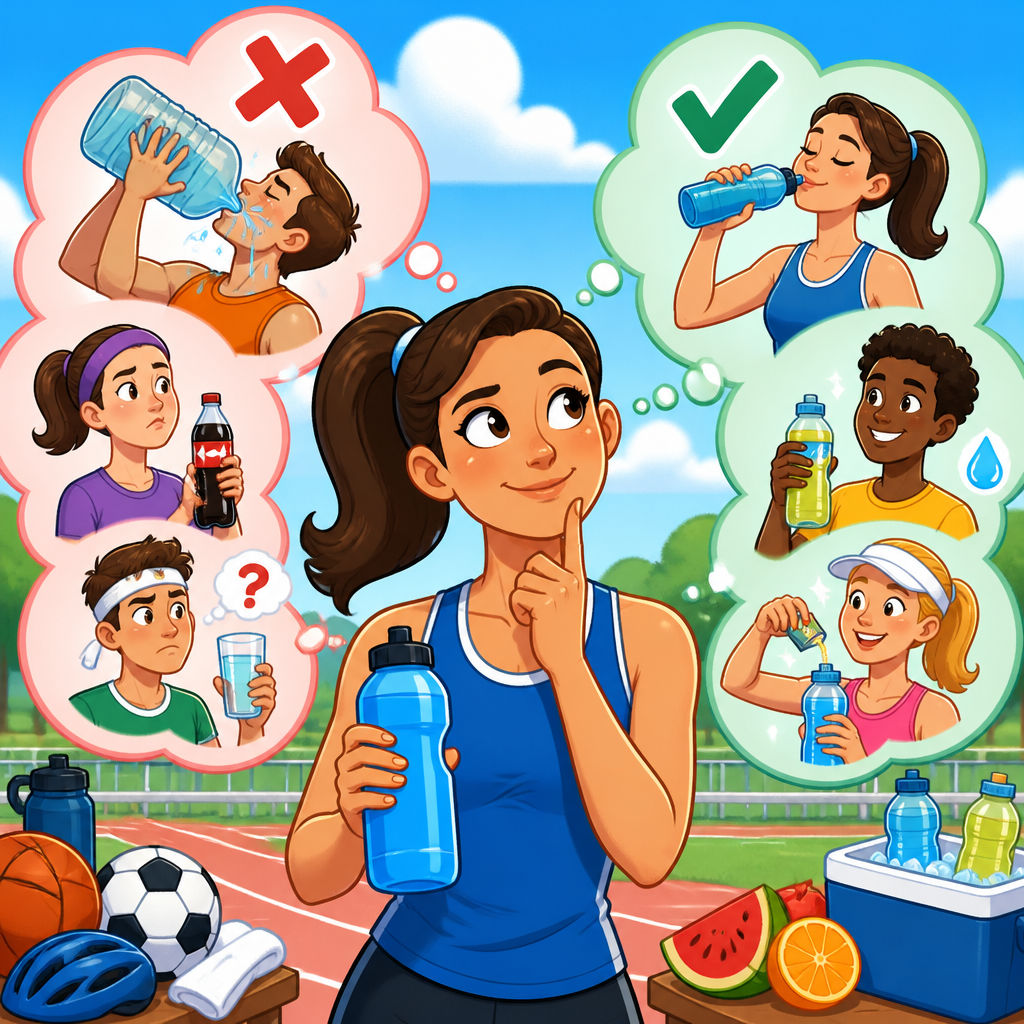
The most common mistake is assuming thirst alone is enough for every situation. Thirst is useful, but during intense exercise, travel, heat camps, and tournament play, it often lags behind need. The second mistake is relying exclusively on plain water. Water is essential, yet athletes with heavy sweat losses also need sodium and, during longer sessions, carbohydrate. Third, many athletes ignore meals. They carry an expensive bottle all day but skip fruit, vegetables, dairy, and soups that would improve total hydration effortlessly. Fourth, they test nothing in training and then experiment on race day. A hydration strategy should be practiced under realistic conditions, including pre-race breakfast, bottle concentration, and recovery foods. Fifth, some athletes overhydrate because they have been told to drink constantly. This can cause bloating, frequent urination, and in rare cases exercise-associated hyponatremia, a dangerous drop in blood sodium. Finally, they miss context. A basketball player in an air-conditioned gym, a triathlete on a humid course, and a skier at altitude should not use identical plans. Good hydration strategies for athletes are specific, measured, and flexible. Audit your current routine, add hydrating foods daily, and build a plan you can repeat confidently.
Frequently Asked Questions
1. What are hydrating foods, and why do they matter so much for athletes?
Hydrating foods are foods with a high water content that also often provide valuable nutrients such as potassium, magnesium, calcium, antioxidants, and natural carbohydrates. For athletes, they matter because hydration is not just about drinking plain water. Training and competition increase fluid losses through sweat, breathing, and normal metabolic activity, and those losses affect temperature regulation, blood volume, muscle function, endurance, power output, and recovery. Foods such as watermelon, oranges, cucumbers, strawberries, celery, tomatoes, and lettuce can help replace part of that lost fluid while also delivering nutrients the body needs to perform well.
One of the biggest advantages of hydrating foods is that they support a more complete hydration strategy. Water alone may not always be enough, especially during periods of heavy sweating or repeated training sessions. Many water-rich foods naturally contain electrolytes, particularly potassium, which helps with fluid balance and muscle contraction. They also tend to be easier to include across the day, making hydration more consistent instead of something athletes only think about immediately before or during exercise. In practical terms, that means better day-long hydration status, a lower risk of starting workouts already dehydrated, and improved overall readiness for training and competition.
2. Which foods are best for hydration strategies for athletes?
Some of the best hydrating foods for athletes are fruits and vegetables with very high water content and a strong nutrition profile. Watermelon is a standout because it is rich in water, refreshing, and easy to digest, which makes it useful before or after exercise. Oranges and grapefruit provide fluid along with vitamin C and potassium. Strawberries, cantaloupe, and pineapple also contribute water and carbohydrates that can support energy needs. On the vegetable side, cucumbers, tomatoes, celery, zucchini, bell peppers, and lettuce are excellent options for increasing fluid intake through meals and snacks.
Dairy foods can also play a role. Yogurt, cottage cheese, and milk contain fluid as well as protein, calcium, and naturally occurring electrolytes, making them useful for recovery. Soups, broths, smoothies, and foods like oatmeal prepared with extra liquid are other smart choices because they increase total fluid intake without requiring athletes to rely only on bottles or sports drinks. The best approach is variety. Different foods supply different electrolyte profiles and nutrient combinations, so athletes benefit most when they regularly include multiple hydrating foods rather than depending on just one or two favorites.
3. Can hydrating foods replace sports drinks and water for athletes?
Hydrating foods are extremely helpful, but they should be seen as part of the hydration plan rather than a total replacement for water or sports drinks. For low- to moderate-intensity exercise or shorter sessions, many athletes can meet a significant portion of their hydration needs through regular fluid intake plus water-rich foods throughout the day. That works especially well when meals and snacks are built around fruits, vegetables, dairy, soups, and smoothies. In those situations, hydrating foods can reduce the need for specialty drinks and improve overall nutrient intake at the same time.
However, during long training sessions, high heat, heavy sweating, or intense competition, athletes often need faster and more targeted fluid and electrolyte replacement. Sports drinks can be useful because they provide fluid, sodium, and carbohydrates in a convenient form that is easy to consume during activity. Water is still essential as a baseline hydration tool. The smartest strategy is to combine methods: use hydrating foods to support daily hydration and recovery, drink water consistently, and bring in sports drinks when exercise demands are high enough to justify them. That balanced approach is usually more effective than relying too heavily on any single source of hydration.
4. When should athletes eat hydrating foods for the greatest benefit?
Athletes benefit most when they spread hydrating foods across the entire day rather than treating them as a last-minute fix. Before exercise, foods like watermelon, berries, oranges, cucumbers, or yogurt can help top off fluid levels without feeling overly heavy. This is especially useful in the few hours leading into training, when the goal is to begin exercise well hydrated. If the workout is very close, athletes usually do best with lighter, easy-to-digest options such as fruit, a smoothie, or yogurt rather than large, high-fiber meals.
After exercise, hydrating foods are particularly valuable because they help restore both fluid and nutrients lost through sweat and exertion. Pairing water-rich foods with sodium and protein can be especially effective for recovery. For example, a post-workout meal might include tomato-rich soup, fruit, yogurt, and a sandwich, or a smoothie made with milk, fruit, and a pinch of salt. During the rest of the day, salads, fruit bowls, soups, and vegetable-heavy meals help maintain hydration status between training sessions. For athletes training more than once per day, this day-long consistency is often what makes the biggest difference in recovery and next-session performance.
5. How can athletes tell if their hydration strategy is working?
A good hydration strategy usually shows up in both performance and day-to-day physical signs. Athletes who are adequately hydrated generally maintain more stable energy, better endurance, clearer concentration, and more consistent power output. They are also less likely to experience excessive fatigue, headaches, dizziness, unusual muscle cramping, or a dramatic drop in performance in hot conditions. A simple and practical sign is urine color: pale yellow often suggests reasonable hydration, while darker urine can indicate the need for more fluids. Body weight changes around training can also help identify sweat losses, especially for athletes in high-heat or high-volume programs.
It is also important to look at the bigger picture. If an athlete drinks plenty of fluid but still feels run down, recovers poorly, or struggles in the heat, the issue may be that hydration is too narrow and not accounting for electrolytes and food-based fluids. That is where hydrating foods can strengthen the plan. Including fruits, vegetables, dairy, broths, and other water-rich foods often improves hydration quality, not just quantity. The most effective strategy is individualized, based on sweat rate, training load, environment, and sport demands, but in nearly every case, athletes perform better when they combine smart drinking habits with regular intake of foods rich in hydration.