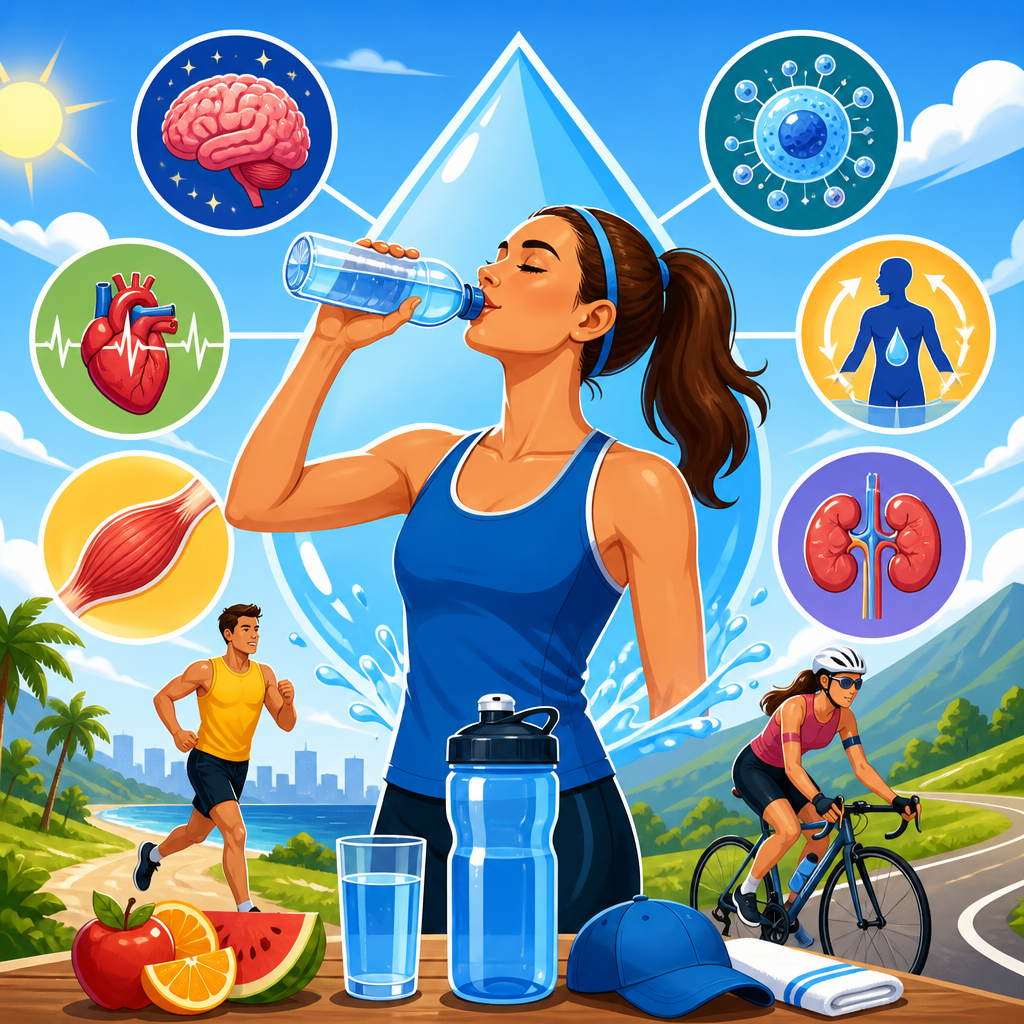
Hydration strategies for athletes are not a side note in sports nutrition; they are a core part of a balanced diet because fluid intake directly affects performance, recovery, body temperature, blood volume, digestion, and the delivery of nutrients to working muscles. In practice, I have seen well-planned training blocks undermined by one simple problem: athletes eating enough calories and protein but arriving at sessions already underhydrated. A balanced diet is not only about carbohydrates, fats, protein, vitamins, and minerals. It also includes water and electrolytes, the medium that allows every other nutrient to do its job.
For athletes, hydration means maintaining appropriate body water before, during, and after exercise. It also means replacing electrolytes, especially sodium, lost through sweat. Fluid balance is the relationship between intake and losses from sweat, urine, respiration, and normal metabolism. When losses exceed intake, dehydration develops. Even a body mass loss of about 2% from fluid can reduce endurance performance, increase perceived exertion, and impair cognitive function. In hot conditions, the effects become more pronounced because hydration is tightly linked to thermoregulation.
This topic matters because hydration influences nearly every system involved in sport. Cardiac output drops when plasma volume falls. Core temperature rises faster when sweat losses are not replaced. Glycogen use can increase when exercise feels harder. Skill execution often deteriorates before an athlete fully recognizes the problem. Team sport players may make poorer decisions late in games. Endurance athletes can see pace drift upward even at the same power output. Strength athletes may notice reduced training quality, headaches, cramps, and slower recovery between sets or sessions.
Hydration strategies for athletes must therefore be deliberate, individualized, and integrated into the broader sports nutrition plan. Sweat rates vary widely, often from less than 0.5 liters per hour to more than 2 liters per hour depending on body size, intensity, environment, clothing, and heat acclimatization. Sodium losses also differ substantially among individuals. A useful hydration plan answers practical questions: how much should an athlete drink each day, what should they drink before training, how much fluid and sodium should they take during exercise, and how should they recover afterward? This hub article covers those essentials and provides the framework that supports all deeper articles in the hydration category.
Why hydration belongs in a balanced diet for athletes
Water is an essential nutrient, even though it is often treated separately from food. It supports circulation, joint lubrication, digestion, temperature regulation, and waste removal. In athletes, it also sustains muscle contraction and the transport of glucose, amino acids, and oxygen. That is why hydration strategies for athletes are essential for a balanced diet rather than an optional add-on. If carbohydrate is fuel and protein is repair, water is the transport system and cooling mechanism that keeps both effective.
A balanced diet for sport should be judged by outcomes, not only food groups. Does the athlete train well, recover consistently, tolerate heat, maintain concentration, and avoid preventable fatigue? Hydration affects every one of those outcomes. For example, a runner can consume an appropriate pre-race meal yet still underperform if they start the event hypohydrated. A cyclist can hit daily calorie targets but struggle with power late in long rides because sodium and fluid replacement were inadequate. In both cases, the diet is incomplete because hydration was poorly managed.
Hydration also influences appetite and gastrointestinal comfort. Inadequate fluid intake can contribute to constipation, poor tolerance of fiber, and difficulty using carbohydrate gels or drinks in long sessions. Excessive fluid intake, however, can cause bloating or dilute blood sodium in rare but serious cases. The best hydration strategies for athletes support the rest of the diet by improving absorption, tolerance, and nutrient timing without creating avoidable gastrointestinal stress.
How dehydration affects performance, recovery, and health
Dehydration reduces blood volume, which means the heart must work harder to deliver oxygen and remove heat. This increases cardiovascular strain and often raises heart rate at the same workload. As body water declines, sweat rate may fall, limiting evaporative cooling and allowing core temperature to rise. The athlete feels the session becoming harder, even when pace or power has not changed. In practical terms, this is why athletes often fade late in hot races when fluid intake is too low.
Cognitive performance is also affected. Sports such as soccer, basketball, tennis, and combat sports require rapid decisions under fatigue. Mild dehydration can worsen concentration, reaction time, and mood. I have seen athletes describe this as feeling flat, foggy, or unusually irritable in the second half of a session. Recovery suffers too. Rehydration supports glycogen restoration because many post-exercise foods and drinks rely on fluid for digestion and transport. Sleep can also be disrupted if an athlete finishes training significantly dehydrated.
Health risks matter as well. Severe dehydration increases the likelihood of heat illness, especially in hot and humid conditions, when wearing protective equipment, or during repeated high-intensity efforts. At the other extreme, overdrinking plain water without enough sodium can contribute to exercise-associated hyponatremia, a dangerous drop in blood sodium concentration. Good hydration strategies for athletes avoid both problems by matching fluid and sodium replacement to sweat losses and exercise demands.
Daily hydration needs and how athletes should assess them
There is no single fluid target that fits every athlete. General health advice such as drinking eight glasses per day is too simplistic for sport. Daily hydration needs depend on training load, climate, altitude, body size, diet composition, and sweat rate. Athletes should begin with consistent habits: drinking with meals, carrying fluids between sessions, and monitoring hydration markers such as urine color, body mass trends, thirst, and training quality.
Urine color can be a useful rough check, especially first thing in the morning, although supplements like riboflavin can make urine brighter. Frequent dark urine, unusual fatigue, and noticeable day-to-day body mass drops often suggest inadequate intake. The most practical field method I use with athletes is a sweat test based on pre- and post-session body weight. Weigh the athlete before exercise, track fluid consumed, and weigh them again afterward in similar clothing conditions. The change in body mass, adjusted for fluid intake and urine losses if measured, estimates sweat loss. This gives a personalized fluid replacement range rather than a generic rule.
| Hydration phase | Primary goal | Practical target | Best options |
|---|---|---|---|
| Daily baseline | Maintain normal fluid balance | Pale urine, stable body mass, normal thirst | Water, milk, meals with fluids, fruit, soups |
| Pre-exercise | Start well hydrated | Approximately 5 to 10 mL/kg in the hours before exercise | Water or sodium-containing drink with a meal or snack |
| During exercise | Limit excessive fluid and sodium losses | Individualized to sweat rate, usually enough to avoid large body mass loss | Water for shorter easy sessions; sports drink for long or hot sessions |
| Post-exercise | Restore fluid and electrolytes | About 1.25 to 1.5 liters per kilogram lost when rapid recovery is needed | Sports drink, milk, meal with sodium, water plus salty foods |
Pre-exercise hydration: how to start training and competition well hydrated
Pre-exercise hydration is about creating a strong starting point, not forcing down excessive fluid at the last minute. A common guideline from sports nutrition practice is around 5 to 10 milliliters of fluid per kilogram of body mass in the two to four hours before exercise, adjusted for urine output, heat, and individual tolerance. For a 70 kilogram athlete, that means roughly 350 to 700 milliliters across that window. If urine remains dark or the athlete has had a long travel day, more may be appropriate.
Sodium can help retain fluid, which is why a pre-exercise meal or snack with some salt is useful, especially before long training or events in the heat. A bagel with peanut butter and a sports drink, rice with eggs and soy sauce, or yogurt with fruit plus salted pretzels are practical examples. Caffeine can be included if the athlete regularly tolerates it; normal caffeine use does not automatically cause dehydration, but it should not replace planned fluid intake.
Timing matters. Drinking too much immediately before a session often leads to sloshing, discomfort, or urgent bathroom stops. The best hydration strategies for athletes spread intake earlier, then top up modestly in the final 15 to 30 minutes if needed. This approach is especially helpful in events with limited access to fluids once competition begins.
Hydration during exercise: matching fluids to the session
During exercise, fluid strategy should reflect duration, intensity, environment, and access. For many sessions under 60 minutes in cool conditions, drinking to thirst or taking small amounts of water is enough. As duration increases beyond 60 to 90 minutes, or when heat and humidity are high, structured intake becomes more important. The aim is usually to prevent excessive dehydration without overdrinking. In many cases, keeping body mass loss under about 2% is a sensible working target, though some well-trained athletes can tolerate more in specific settings.
Sports drinks become more valuable when sessions are long or hard because they provide carbohydrate and sodium as well as fluid. Carbohydrate concentrations around 6% to 8% are common because they balance energy delivery with gastric emptying. Sodium supports fluid absorption and helps replace sweat losses. Endurance athletes in races, field sport players with repeated high-intensity efforts, and tennis players competing in the sun often benefit from planned drink breaks rather than waiting for thirst alone.
Access shapes strategy. A marathoner may rely on aid stations and carry gels, while a weightlifter may simply keep a bottle nearby and sip between sets. A football player in heavy protective gear has a higher heat burden and may need aggressive cooling and hydration opportunities. Hydration strategies for athletes work best when they are rehearsed in training, not improvised on competition day.
Electrolytes, sodium, and when sports drinks are necessary
Electrolytes are minerals that carry an electrical charge, and sodium is the most important one in sweat replacement. Potassium, chloride, magnesium, and calcium also matter, but sodium does most of the work in maintaining extracellular fluid balance. Athletes with high sweat rates or visibly salty sweat, such as white residue on clothing or skin, usually need more sodium than athletes training briefly in cool conditions. That does not mean everyone needs expensive supplements. Many athletes can meet needs through sports drinks and normal meals.
Sports drinks are necessary when the workout demands them, not because the label says performance. They are most useful in endurance sessions over 90 minutes, repeated sessions in one day, hot-weather training, and competitions where carbohydrate delivery matters. For short, low-intensity sessions, water is usually sufficient. Oral rehydration solutions can help in cases of heavy fluid loss or stomach illness because they contain sodium and glucose in ratios designed for absorption, but they are not required for everyday training.
Electrolyte tablets and powders can be effective for athletes who dislike sweet drinks or need more sodium without too much carbohydrate. The key is dosage. Some products provide very little sodium and function mainly as flavoring. Reading labels matters. A product should fit the athlete’s sweat profile, session length, and fueling plan.
Post-exercise rehydration and recovery nutrition
Post-exercise rehydration is straightforward in principle: replace what was lost and include sodium so the body retains more of the fluid. When rapid recovery is needed before the next session, athletes generally benefit from drinking about 1.25 to 1.5 liters for each kilogram of body mass lost during exercise. The extra amount accounts for ongoing urine losses. Pairing fluid with a meal is one of the most effective recovery strategies because food naturally supplies sodium and supports glycogen and protein intake.
Milk can be surprisingly effective after training because it provides fluid, sodium, carbohydrate, and protein. Soups, sandwiches, rice bowls, and pasta meals also work well. For athletes who finish hard sessions with low appetite, a recovery drink may be easier initially, followed by a solid meal later. Alcohol should be limited immediately after heavy sweat losses because it can interfere with rehydration and recovery behaviors.
The balanced diet connection is clearest here. Recovery nutrition fails when the athlete cannot rehydrate enough to comfortably eat, digest, and absorb the next meal. In real programs, the best results come from linking post-exercise fluid, sodium, carbohydrate, and protein into one repeatable routine.
Special considerations by sport, environment, and athlete type
Different sports create different hydration problems. Endurance athletes face cumulative sweat losses over hours. Team sport athletes deal with intermittent access, travel, and decision-making under fatigue. Weight-category athletes must manage hydration carefully because rapid weight cuts can harm performance and health. Youth athletes may be less likely to recognize thirst early, while older masters athletes can have altered thirst sensitivity. Female athletes should account for body size, training load, and individual sweat rate rather than relying on plans designed for larger male athletes.
Environment changes everything. Heat and humidity increase sweat losses and reduce evaporative cooling. Altitude can increase respiratory water loss and sometimes suppress appetite and drinking. Cold weather does not eliminate risk; athletes often drink less in the cold despite ongoing fluid loss. Heat acclimatization improves sweating efficiency over time, but it also means an athlete may sweat more overall, making a solid plan even more important.
The best next step is simple: measure sweat losses, build a pre-, during-, and post-exercise routine, and refine it in training before competition. Hydration strategies for athletes are essential for a balanced diet because they protect performance, support recovery, and make the rest of sports nutrition work as intended. Start with one week of tracking body weight changes, fluid intake, and session conditions, then use that data to create a personalized plan you can follow consistently.
Frequently Asked Questions
Why are hydration strategies considered an essential part of a balanced diet for athletes?
Hydration strategies matter because a balanced diet is not just about eating the right mix of carbohydrates, protein, and healthy fats. It also includes making sure the body has enough fluid to digest, absorb, transport, and use those nutrients effectively. For athletes, water supports blood volume, helps regulate body temperature, keeps joints lubricated, and allows oxygen and nutrients to reach working muscles. When fluid intake is too low, even a well-planned nutrition program can fall short because the body cannot perform or recover as efficiently.
In practical terms, an athlete can meet calorie and protein goals and still struggle in training if they start sessions underhydrated. Mild dehydration can increase perceived effort, reduce endurance, affect concentration, and make high-intensity work feel harder than it should. It can also influence recovery by slowing nutrient delivery and making it more difficult to restore normal function after exercise. That is why hydration is not a separate issue from nutrition. It is one of the foundations that makes the rest of a balanced diet work properly.
How does dehydration affect athletic performance and recovery?
Dehydration affects nearly every system athletes rely on during training and competition. As fluid levels drop, blood volume can decrease, which means the heart has to work harder to circulate blood and deliver oxygen to muscles. At the same time, the body becomes less efficient at dissipating heat, increasing the risk of overheating and causing performance to decline. This can show up as early fatigue, slower pace, reduced power output, more frequent muscle cramps in some cases, and a noticeable increase in effort even during familiar workouts.
Recovery can also suffer when hydration is neglected. Fluids play a major role in transporting nutrients to tissues, removing metabolic byproducts, and supporting normal muscle function after exercise. If an athlete finishes a hard session dehydrated and does not replace losses, the process of rebuilding and adapting can be less efficient. Appetite and digestion may also be affected, making it harder to refuel properly. Over time, repeated underhydration can undermine consistency in training, which is one of the most important factors in long-term performance progress.
How can athletes tell if they are drinking enough fluids each day?
The best approach is to combine simple daily habits with a more individualized understanding of sweat losses. A useful starting point is paying attention to urine color, frequency of urination, thirst, and body weight trends. Pale yellow urine and regular bathroom visits often suggest hydration is on track, while darker urine, a dry mouth, headaches, and unusual fatigue may indicate that intake is too low. Thirst is helpful, but it should not be the only guide, especially for athletes with heavy training loads, because by the time strong thirst appears, some dehydration may already be present.
Athletes can be even more precise by weighing themselves before and after exercise sessions, ideally under similar conditions. The change in body weight gives a practical estimate of fluid loss through sweat. This can help determine how much to drink during and after training. Environmental conditions, exercise intensity, clothing, and individual sweat rates all influence fluid needs, so there is no perfect one-size-fits-all target. The most effective hydration strategy is one that is adjusted to the athlete’s body, sport, schedule, and training setting rather than based on guesswork alone.
What should athletes drink before, during, and after exercise?
For most athletes, water is the foundation of a hydration plan, but the full strategy depends on the length and intensity of exercise, weather conditions, and sweat losses. Before exercise, the goal is to begin training well hydrated rather than trying to catch up once activity starts. That usually means drinking fluids consistently throughout the day and including some fluid in the pre-exercise meal or snack. If an athlete regularly starts practice feeling thirsty or sluggish, that is often a sign that hydration habits earlier in the day need improvement.
During exercise, water may be enough for shorter or lower-intensity sessions, especially in cooler conditions. However, for longer sessions, intense efforts, or hot and humid environments, drinks that contain electrolytes and carbohydrates can be very useful. Sodium helps replace sweat losses and supports fluid retention, while carbohydrates provide fuel that can sustain performance. After exercise, the priority is replacing the fluid and electrolytes lost in sweat and pairing that with a balanced recovery meal or snack. In other words, post-workout hydration works best when it is treated as part of recovery nutrition, not as a separate afterthought.
Do athletes need electrolytes, or is plain water enough?
Electrolytes are important because sweat does not contain only water. It also contains minerals, especially sodium, and those losses can become meaningful during long, intense, or hot-weather training sessions. Plain water is often sufficient for routine daily hydration and for shorter workouts, but it may not always be enough for athletes who sweat heavily, train for extended periods, or complete multiple sessions in one day. In those situations, replacing sodium and other electrolytes can help maintain fluid balance, support muscle and nerve function, and reduce the likelihood of large hydration deficits.
This does not mean every athlete needs sports drinks all day long. The smarter approach is to match the drink choice to the training demand. For light activity, water and normal meals may cover hydration needs well. For prolonged or demanding sessions, especially when sweat rates are high, beverages or foods that provide sodium can be a valuable part of the plan. The key point is that hydration is more than simply drinking more liquid. It is about replacing what the body actually loses so that performance, recovery, and the overall quality of the diet remain strong.