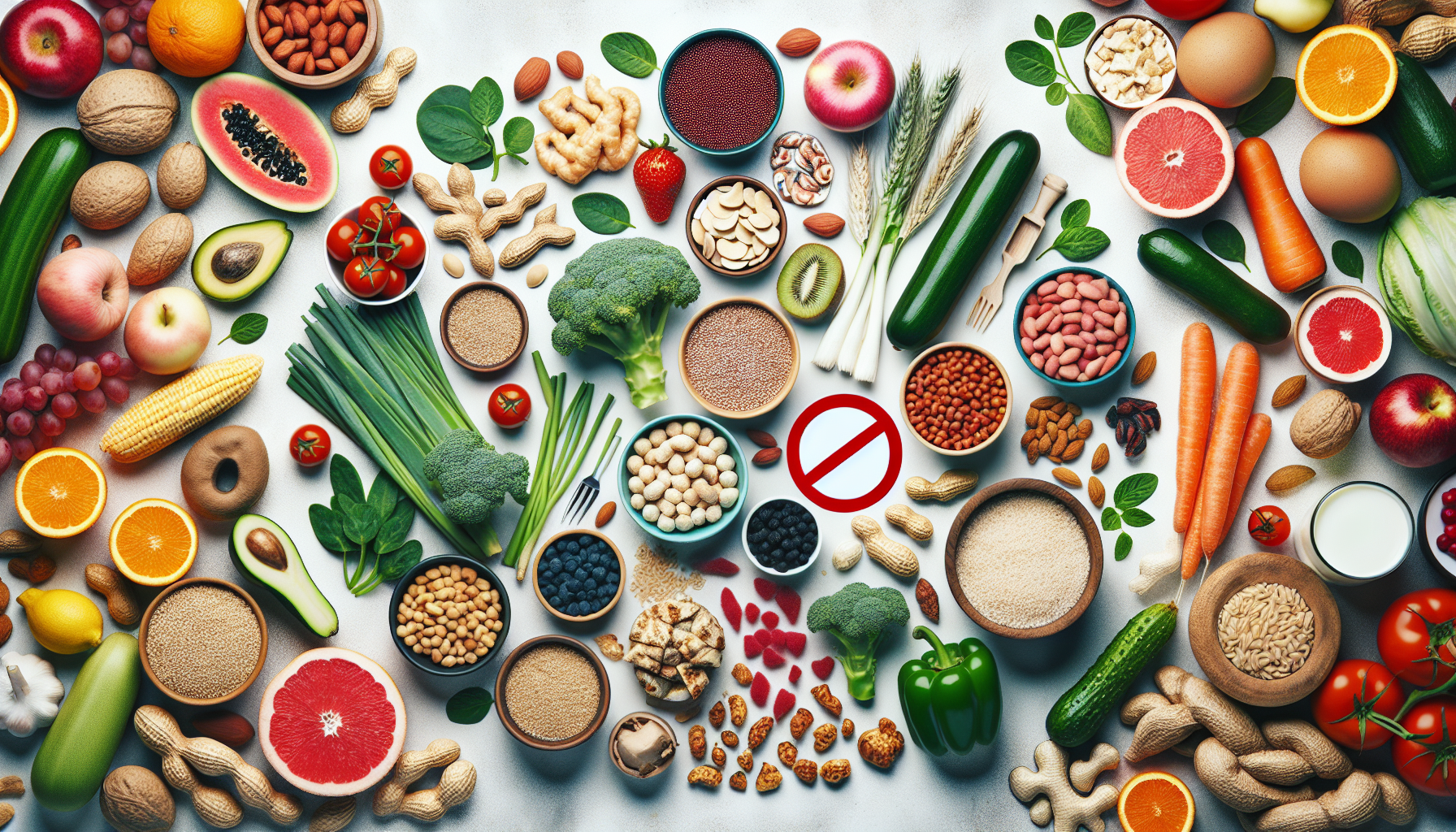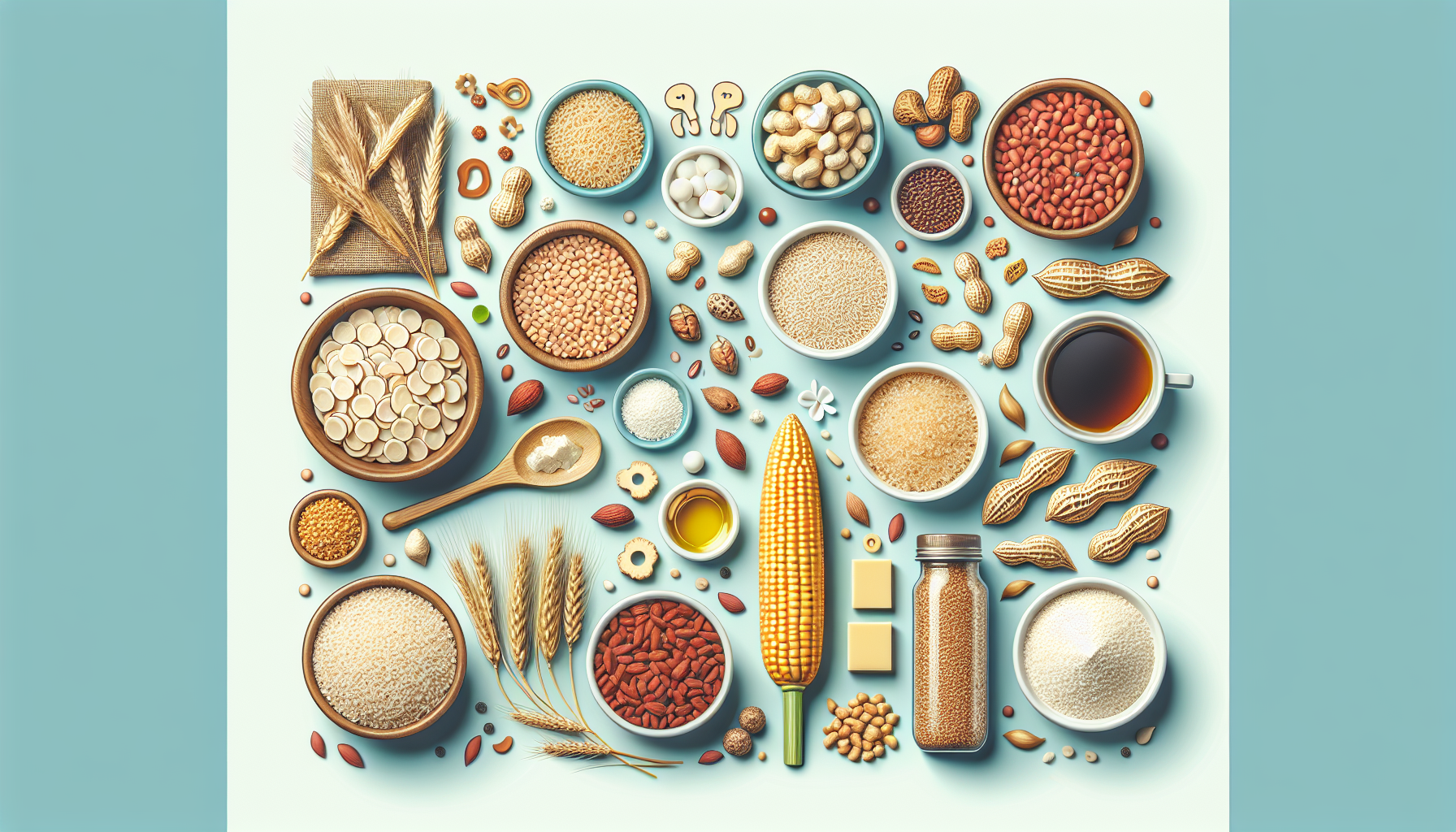
Gluten-free eating and food allergy management affect far more than the dinner plate; they influence energy, digestion, mental clarity, social confidence, medical safety, and long-term quality of life. A gluten-free diet removes gluten, the protein found in wheat, barley, and rye, while food allergy management requires strict avoidance of foods that trigger an immune response, such as peanuts, milk, eggs, shellfish, soy, tree nuts, wheat, sesame, or fish. Although these terms are often used together, they are not interchangeable. In practice, I have seen people confuse celiac disease with wheat allergy, assume every gluten reaction is an allergy, or overlook the cumulative stress caused by label reading, restaurant questions, and fear of accidental exposure. That confusion matters because the health consequences, testing methods, and treatment plans differ.
Understanding how gluten-free living and food allergies impact overall well-being is important because these conditions touch every system of daily life. Celiac disease can damage the small intestine and impair nutrient absorption. Non-celiac gluten sensitivity may create digestive and neurological symptoms without the same autoimmune intestinal injury. IgE-mediated food allergies can cause hives, vomiting, wheezing, or anaphylaxis within minutes. Even non-IgE food reactions can still disrupt sleep, concentration, growth, and comfort. Beyond symptoms, the demands of avoidance can reshape grocery habits, travel planning, school routines, exercise fueling, and family meals. This hub explains the medical basics, nutritional risks, emotional effects, practical management strategies, and quality-of-life considerations that make gluten-free and food allergy care central to whole-person health.
Understanding the Difference Between Gluten Reactions and Food Allergies
The first step to protecting well-being is knowing exactly what condition is present. Celiac disease is an autoimmune disorder triggered by gluten ingestion in genetically susceptible people, often associated with HLA-DQ2 or HLA-DQ8. When gluten is eaten, the immune system attacks the lining of the small intestine, flattening villi and reducing absorption of nutrients such as iron, folate, calcium, vitamin D, and vitamin B12. Diagnosis typically involves tissue transglutaminase IgA testing, total IgA, and sometimes endomysial antibody testing, followed by intestinal biopsy. Wheat allergy, by contrast, is a classic food allergy involving an immune response to proteins in wheat. It can produce immediate symptoms including itching, swelling, coughing, or anaphylaxis. Non-celiac gluten sensitivity remains a diagnosis of exclusion, identified after celiac disease and wheat allergy are ruled out.
These distinctions shape treatment and outcomes. Someone with celiac disease needs lifelong, strict gluten avoidance because even small exposures can sustain intestinal inflammation. A person with wheat allergy may need to avoid wheat but not necessarily barley or rye unless separately advised. Someone with non-celiac gluten sensitivity may notice bloating, fatigue, or headache with gluten exposure, but the long-term complications differ from untreated celiac disease. In clinic-style nutrition counseling, I emphasize that self-diagnosing from internet lists often delays proper care. Testing should occur before starting a gluten-free diet, because removing gluten too early can produce false-negative results. The same principle applies to suspected food allergies: structured evaluation, history, targeted testing, and, when appropriate, supervised oral food challenges provide clarity that guesswork cannot.
Nutritional Status, Gut Health, and Physical Well-Being
Gluten-free and allergy-restricted diets can improve physical health dramatically when they are medically necessary, but they can also create nutritional gaps if they are poorly planned. Untreated celiac disease commonly causes iron deficiency anemia, unintended weight loss, chronic diarrhea, constipation, osteopenia, infertility, mouth ulcers, and fatigue because damaged villi cannot absorb nutrients efficiently. Once gluten is removed, many people regain energy, improve bowel regularity, and see antibody levels decline. Yet the gluten-free marketplace introduces a second challenge: many packaged gluten-free products are lower in fiber and protein and higher in refined starches, sodium, or sugar than their conventional counterparts. Rice flour, tapioca starch, and potato starch can make foods palatable, but they do not automatically make them nutrient dense.
Food allergies create a similar paradox. Removing the offending food can reduce inflammation and prevent dangerous reactions, but broad elimination without nutritional substitution can compromise growth in children and vitality in adults. Avoiding milk without replacing calcium and vitamin D can weaken bone support. Avoiding eggs, soy, or wheat without planning adequate protein sources may limit satiety and recovery from exercise. Avoiding nuts or peanuts can reduce healthy fats if seeds, olive oil, avocado, or fish are not used strategically. In practice, the strongest physical outcomes come from building meals around naturally safe whole foods: legumes when tolerated, certified gluten-free oats when appropriate, quinoa, brown rice, potatoes, vegetables, fruit, eggs if safe, dairy or fortified alternatives, poultry, meat, seafood, seeds, and beans. Clinical dietitians often use symptom tracking, lab follow-up, and diet variety scores to confirm that restriction is improving health rather than narrowing it.
Mental Health, Stress, and Social Quality of Life
The impact on overall well-being is not only biological. Food restrictions change how people feel in classrooms, offices, restaurants, airports, and family celebrations. Many adults with celiac disease or serious food allergies describe hypervigilance: scanning labels, asking detailed kitchen questions, carrying backup snacks, and mentally rehearsing what to do if symptoms start. Parents of allergic children often experience persistent anxiety around birthday parties, school lunches, and sleepovers. Teenagers may feel singled out or embarrassed when they have to decline shared food. I have repeatedly seen clients who are physically healthier after diagnosis but emotionally worn down by the constant administrative burden of staying safe.
Research supports that burden. Studies in allergy and celiac populations consistently show reduced health-related quality of life when fear of exposure, social exclusion, or unclear labeling is high. There can also be a direct brain-body connection. Ongoing gastrointestinal symptoms disrupt sleep and concentration. Iron deficiency from untreated celiac disease can worsen fatigue and cognitive performance. Repeated allergic reactions may create anticipatory anxiety, and severe reactions can be traumatic. Social eating is deeply tied to identity and belonging, so restrictions can affect mood even when symptoms are under control. Helpful strategies include counseling when anxiety becomes limiting, support groups, clear communication scripts for restaurants, and routines that reduce decision fatigue, such as standardized snack kits, travel checklists, and shared family meal plans.
Daily Management: Labels, Cross-Contact, and Medical Preparedness
Daily management determines whether gluten-free and food allergy care actually protects well-being. The most common problem I encounter is not a lack of effort but a lack of systems. People may know what to avoid yet still be exposed through soy sauce containing wheat, shared toasters, bulk bins, flour dust, deli slicers, or a well-meaning relative using the same knife for peanut butter and jam. For celiac disease, cross-contact matters because trace gluten can trigger immune activity. For food allergies, cross-contact can provoke immediate reactions. That is why practical management is as important as diagnosis.
| Risk Area | Common Problem | Best Practice |
|---|---|---|
| Packaged foods | Ingredient changes or unclear advisory statements | Read every label every time and confirm allergen disclosures |
| Home kitchen | Shared utensils, cutting boards, toasters, or condiments | Use separate tools, labeled containers, and dedicated prep zones |
| Restaurants | Cross-contact in fryers, grills, sauces, and plating | Ask specific questions and choose venues with allergy protocols |
| Travel and school | Limited safe food access during delays or events | Carry shelf-stable backups and written emergency instructions |
| Medical readiness | Delayed treatment during a severe reaction | Keep prescribed epinephrine accessible and know when to use it |
Reading labels correctly is a core skill. In the United States, the Food Allergen Labeling and Consumer Protection Act requires clear labeling for major allergens, and sesame was added under the FASTER Act. Gluten, however, is not one of the mandated major allergens in the same way, so people managing celiac disease must still read ingredient lists carefully for wheat, barley, rye, malt, and brewer’s yeast, while also considering certification claims. Restaurant safety requires equally specific communication. Asking whether fries share oil with breaded foods is more useful than simply saying gluten-free. For allergies, carry epinephrine if prescribed, use a written action plan, and treat anaphylaxis as a medical emergency. These habits reduce uncertainty, which in turn improves both physical safety and emotional steadiness.
Children, Families, and Life Stage Considerations
The effects of gluten-free living and food allergies change across the lifespan. In infants and children, the priority is safe growth, adequate nutrition, and normal social development. Children with multiple food allergies may struggle to meet calorie, protein, and micronutrient needs without careful planning, especially if milk, egg, wheat, and soy are all excluded. Pediatric celiac disease can present with abdominal pain, poor growth, constipation, irritability, dental enamel defects, or delayed puberty. Early identification matters because untreated disease can impair bone mineralization and development. Families benefit from coordinated care involving a pediatrician, allergist or gastroenterologist, and dietitian, plus school documentation that spells out meal accommodations and emergency steps.
Adolescence adds complexity because independence increases before judgment is fully mature. Teens start eating out more, managing sports schedules, and making choices without parents present. This is often when accidental exposures rise. College students face communal kitchens, dining halls, and social pressure. Adults managing these conditions may contend with work travel, pregnancy, caregiving, and chronic disease interactions. In older adults, symptoms may be mistaken for normal aging, while nutrient deficiencies or bone loss can have greater consequences. Each life stage needs a different support structure, but the principle stays the same: people do best when safe eating is normalized rather than treated as a personal inconvenience. That means planning ahead, teaching self-advocacy, and updating routines as responsibilities change.
Building a Sustainable, Healthy Gluten-Free and Allergy-Aware Lifestyle
The healthiest long-term approach is not a narrow list of forbidden foods; it is a sustainable system that supports nourishment, confidence, and flexibility. Start with a confirmed diagnosis and individualized guidance. Build meals from foods that are naturally free of the trigger rather than relying heavily on specialty products. Keep a short list of trusted brands, restaurants, and travel foods. Schedule follow-up care for labs, growth checks, or symptom review. For celiac disease, that may include monitoring tissue transglutaminase antibodies and assessing iron, vitamin D, folate, and bone health. For food allergies, reassessment matters because some childhood allergies can resolve, while others persist and require ongoing emergency planning. Digital tools can help, but they should support, not replace, professional advice and direct label review.
This subtopic also benefits from internal education across the household. Everyone sharing the kitchen should understand ingredient swaps, handwashing, surface cleaning, and why “just a bite” is not harmless. If you host guests, separate serving utensils and clearly labeled dishes prevent mistakes. If you travel, call hotels ahead, pack medication in carry-on luggage, and identify grocery options near your destination. If you exercise, plan safe fuel before and after workouts so restriction does not undermine performance. Overall well-being improves when dietary management becomes organized and routine. Use this hub as a starting point, review your current systems, and strengthen the habits that make gluten-free and food allergy living safer, easier, and healthier every day.
Frequently Asked Questions
1. How does a gluten-free diet or food allergy management affect overall well-being beyond digestion?
Gluten-free eating and food allergy management can influence nearly every part of daily life, not just what happens after a meal. For people with celiac disease, non-celiac gluten sensitivity, or medically confirmed food allergies, avoiding trigger foods can reduce digestive discomfort, but the benefits often extend much further. Many people notice improvements in energy levels, mental clarity, sleep quality, skin comfort, and overall physical resilience once the foods causing inflammation, immune reactions, or intestinal damage are removed. When the body is no longer constantly responding to a problematic food, it can function more efficiently, which may support better concentration, mood stability, and day-to-day stamina.
There is also a strong emotional and social dimension. Managing gluten or food allergens requires planning, label reading, communication, and awareness in social settings, restaurants, schools, work events, and travel. That can feel stressful at first, but with the right strategies it often leads to greater confidence and a stronger sense of control over personal health. In cases of food allergy, careful management is also directly tied to medical safety because accidental exposure can trigger serious reactions, including anaphylaxis. In short, these dietary changes are not simply about restriction. When done correctly, they can improve comfort, reduce health risks, support long-term wellness, and help people feel safer and more capable in everyday life.
2. What is the difference between being gluten-free and having a food allergy?
This is one of the most important distinctions to understand. A gluten-free diet involves removing gluten, a protein found in wheat, barley, and rye. People may need to follow a gluten-free diet for different medical reasons, most notably celiac disease, which is an autoimmune condition, or non-celiac gluten sensitivity, which can still cause significant symptoms without the same autoimmune intestinal damage. In celiac disease, eating gluten triggers an immune reaction that damages the lining of the small intestine, which can interfere with nutrient absorption and affect many systems throughout the body. That is why strict avoidance is essential, even when symptoms seem mild or inconsistent.
Food allergies are different because they involve an immune system response to a specific food protein, such as peanuts, milk, eggs, shellfish, soy, tree nuts, wheat, sesame, or fish. Symptoms can range from hives, swelling, vomiting, and wheezing to life-threatening anaphylaxis. Unlike a gluten-free diet, which focuses specifically on gluten-containing grains, food allergy management depends on the individual allergen and often requires a high level of vigilance for cross-contact, hidden ingredients, and emergency preparedness. Someone can be gluten-free without having a food allergy, and someone can have a wheat allergy without needing to avoid barley or rye unless advised to do so. Because the medical risks and dietary rules are not identical, proper diagnosis matters. Working with a physician or allergist helps ensure that symptoms are interpreted correctly and that the management plan protects both immediate safety and long-term health.
3. Can untreated gluten-related conditions or unmanaged food allergies affect energy, mood, and mental clarity?
Yes, absolutely. When gluten-related conditions or food allergies are not well managed, the impact can go far beyond obvious physical reactions. In people with celiac disease, ongoing gluten exposure can lead to intestinal inflammation and poor absorption of nutrients such as iron, folate, vitamin B12, and vitamin D. Over time, these deficiencies may contribute to fatigue, weakness, brain fog, irritability, headaches, and difficulty concentrating. Some people also experience changes in mood or feel mentally “off” without realizing that their diet-related condition may be playing a major role. Once gluten is consistently removed and nutritional status improves, many people report clearer thinking and better energy.
With food allergies, the effect on well-being can be both physical and psychological. Repeated reactions, even if not severe, can leave someone feeling run down, anxious, or hesitant around food. The constant need to monitor meals, ask questions, and stay alert for accidental exposures can also create stress that affects mood and confidence. For children and teens, food restrictions may influence school experiences, participation in social activities, and emotional comfort. For adults, they may affect workplace routines, relationships, and travel. The good news is that a clear diagnosis, a reliable food plan, and practical safety habits often make a noticeable difference. People tend to function better mentally and emotionally when symptoms are under control, nutrition is supported, and they feel safe navigating everyday situations.
4. What are the biggest challenges of living gluten-free or with food allergies, and how can they be managed well?
Some of the biggest challenges include hidden ingredients, cross-contact, social pressure, dining out, travel, cost, and the mental load of always needing to plan ahead. Gluten and common allergens can show up in sauces, seasonings, marinades, baked goods, processed snacks, and even products that seem unrelated at first glance. Cross-contact is another major concern, especially in shared kitchens, restaurants, school cafeterias, and family gatherings. For food allergies, even a small exposure can be dangerous. For celiac disease, even trace gluten exposure can be harmful over time. That means careful label reading, separate preparation areas when needed, and clear communication become essential parts of daily life.
The most effective way to manage these challenges is with a practical system. Learn how to read labels thoroughly every time, because ingredients and manufacturing practices can change. Keep safe staples on hand at home, and build a list of trusted brands, recipes, and restaurants. When eating away from home, ask specific questions about ingredients, cooking surfaces, and preparation methods rather than assuming a dish is safe. For food allergies, always follow the emergency plan provided by a healthcare professional and carry prescribed medication, such as epinephrine, if indicated. It also helps to involve family members, friends, schools, and coworkers so they understand the seriousness of the condition and know how to support safe choices. Over time, routines become easier, and many people find that preparation reduces anxiety and makes daily life much more manageable.
5. How can someone stay healthy and maintain quality of life while following a gluten-free diet or avoiding food allergens?
Staying healthy requires more than just removing problem foods; it means replacing them thoughtfully so nutritional needs, emotional well-being, and lifestyle balance are all protected. A gluten-free diet can sometimes become overly dependent on packaged specialty foods that are low in fiber or high in sugar and fat. Likewise, eliminating allergenic foods without proper substitution can leave gaps in protein, calcium, healthy fats, iron, or other key nutrients depending on the foods avoided. The best approach is to build meals around naturally nutrient-dense foods such as fruits, vegetables, legumes when tolerated, lean proteins, gluten-free whole grains, seeds, and other safe options tailored to the individual. For those with multiple restrictions, guidance from a registered dietitian can be especially valuable.
Quality of life also improves when people focus on skills, not just avoidance. Meal planning, safe cooking habits, confidence with label reading, and effective communication in social settings all make a real difference. It is also important to maintain regular medical follow-up, especially for celiac disease, ongoing symptoms, or diagnosed food allergies. Monitoring helps confirm that the plan is working, identifies nutrient deficiencies if they arise, and keeps safety strategies current. Just as importantly, support matters. When people feel understood by healthcare providers, family, schools, and communities, dietary restrictions become less isolating and more sustainable. With accurate diagnosis, consistent habits, and a balanced approach to nutrition and daily routines, it is entirely possible to protect health, reduce risk, and enjoy a full, active, and confident life.