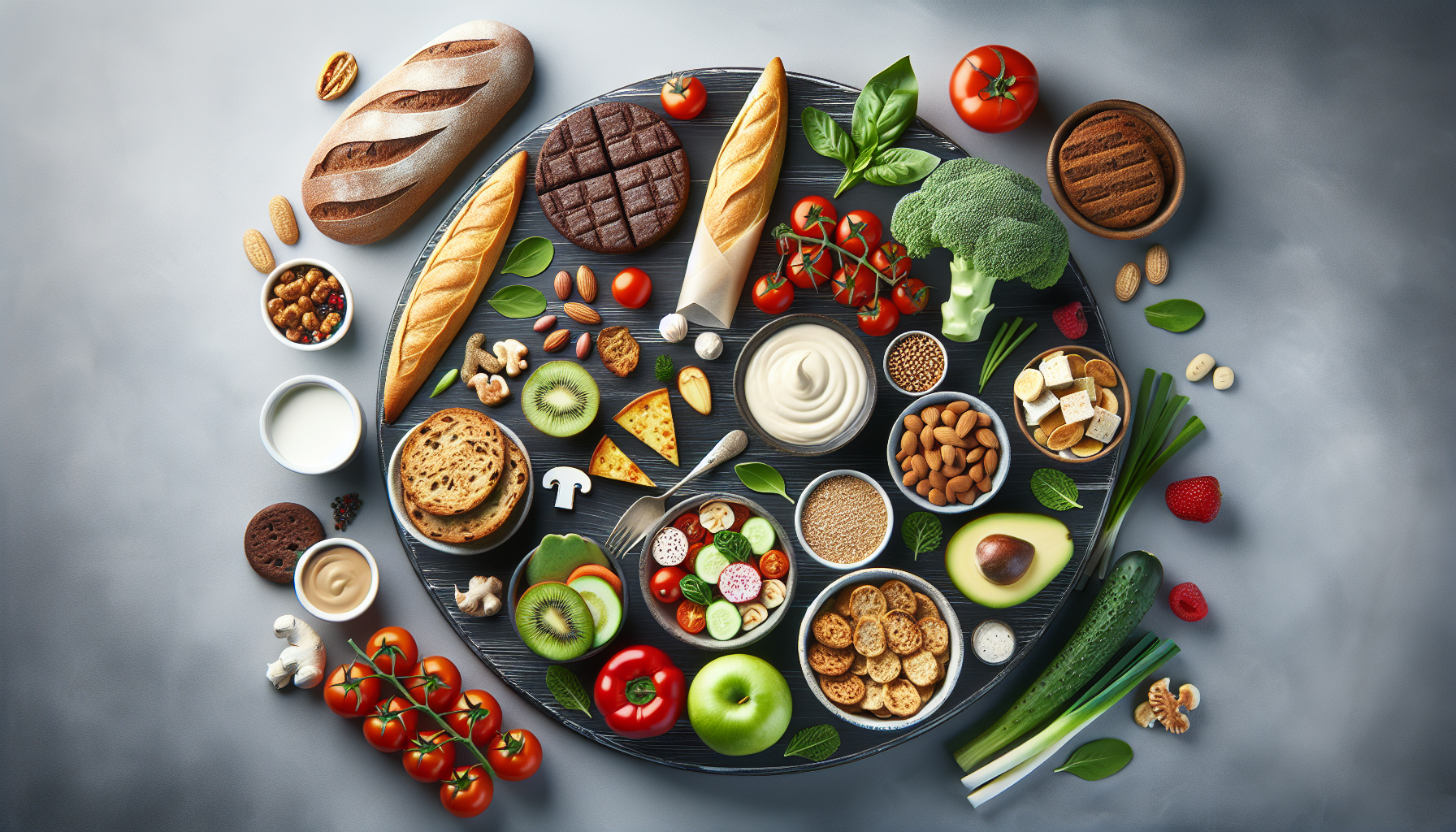
Gluten-free eating and food allergy management are often discussed together, but they are not the same thing, and understanding the difference is essential for building a safe, nutritious diet. A gluten-free diet removes proteins found in wheat, barley, and rye, usually because of celiac disease, non-celiac gluten sensitivity, or wheat allergy. Food allergies involve an immune reaction to specific foods such as peanuts, milk, eggs, soy, shellfish, tree nuts, wheat, sesame, or fish. In practice, families, clinicians, and food brands frequently treat these issues as a single category because the shopping, label reading, meal planning, and cross-contact challenges overlap. I have worked with clients navigating both, and the biggest mistake I see is assuming that avoiding one problem automatically creates a balanced diet. It does not. The foods that matter most are the naturally gluten-free, nutrient-dense staples that also help people avoid common allergens while meeting protein, fiber, vitamin, and mineral needs.
The phrase “foods rich in gluten-free and food allergies” is awkward, but the intent is clear: which foods belong at the center of a gluten-free, allergy-aware way of eating, and why do they matter? The best answers are whole foods with a low risk of hidden gluten, strong nutritional value, and flexibility across many dietary restrictions. Think quinoa instead of refined gluten-free crackers, lentils instead of heavily processed bars, plain yogurt alternatives fortified with calcium instead of desserts marketed as free-from, and seeds instead of tree nuts when nut allergy is a concern. These foods support blood sugar control, gut health, satiety, and micronutrient intake, all areas where restrictive diets can fall short. This hub article explains the key food groups, the nutrients they provide, the safety issues that matter most, and how to choose practical staples that make daily eating easier, safer, and more sustainable.
What Gluten-Free and Food Allergy Friendly Really Means
A food can be naturally gluten-free without being safe for all allergies, and it can be free from a major allergen while still containing gluten. Rice is naturally gluten-free, but a seasoned rice mix may contain barley malt or wheat-based flavoring. Oats are technically gluten-free, yet standard oats are often contaminated with wheat during farming or processing, which is why certified gluten-free oats matter. Sunflower seed butter is often a useful peanut and tree nut alternative, but some flavored versions contain milk or soy. Safety starts with understanding three separate issues: ingredient avoidance, cross-contact, and nutritional adequacy.
In the United States, the Food Allergen Labeling and Consumer Protection Act requires clear labeling for major allergens, and gluten-free labeling is regulated by the Food and Drug Administration at less than 20 parts per million of gluten. Those rules help, but they do not remove the need for label reading. Advisory statements like “may contain” or “processed in a facility with” are voluntary, not standardized risk scores. For people with celiac disease or severe food allergies, product selection often comes down to the manufacturer’s cleaning protocols, dedicated lines, and third-party certification. The safest strategy is to build meals around minimally processed foods and then add carefully vetted packaged items.
Whole Grains and Starches That Build a Strong Gluten-Free Base
The most useful gluten-free staples are grains and starches that provide steady energy without relying on refined flour blends. Brown rice, quinoa, millet, buckwheat, amaranth, certified gluten-free oats, corn, potatoes, and sweet potatoes are foundational foods because they are versatile, affordable, and widely tolerated. Quinoa stands out because it is one of the few plant foods with all nine essential amino acids, delivering about 8 grams of protein and 5 grams of fiber per cooked cup. Buckwheat, despite its name, contains no wheat and supplies magnesium, manganese, and rutin, a flavonoid studied for vascular benefits.
Potatoes and sweet potatoes are especially valuable for families managing multiple allergies because they are naturally free from gluten, dairy, egg, soy, nuts, and sesame in plain form. Sweet potatoes contribute beta-carotene, while white potatoes provide potassium comparable to bananas. Certified gluten-free oats deserve special attention because they can improve fiber intake on a gluten-free diet, which is often low when people depend on white rice pasta, tapioca bread, and starch-heavy snacks. I usually recommend rotating grains instead of relying on one staple. Rotation improves nutrient coverage and reduces menu fatigue, which is one reason long-term compliance is better with varied whole foods than with specialty packaged substitutes.
Protein-Rich Foods That Replace Common Allergens Well
Protein is where many restrictive diets become unbalanced. If someone avoids gluten and also cannot eat dairy, eggs, soy, nuts, or shellfish, convenience options disappear quickly. The answer is to anchor meals around simple proteins with predictable ingredients. Beans, lentils, chickpeas, peas, poultry, meat, fish, tofu where tolerated, and seed-based products can all play a role. Lentils are particularly useful because they deliver roughly 18 grams of protein and 15 grams of fiber per cooked cup, along with iron and folate. Chickpeas work in multiple formats, from roasted snacks to hummus to pasta, though hummus labels still need checking for sesame if tahini is a concern.
For people who tolerate fish, salmon and sardines provide complete protein plus omega-3 fatty acids, nutrients often underconsumed in elimination diets. For dairy-free eaters, fortified pea protein milk can offer protein closer to cow’s milk than almond or oat beverages, while avoiding nuts and gluten in many formulations. Seeds also deserve more attention. Pumpkin seeds provide magnesium, zinc, and protein; hemp seeds contribute omega-3 and omega-6 fats; chia seeds add fiber and help with texture in egg-free baking. In my experience, a seed-and-legume strategy is one of the most dependable ways to maintain nutrient density when several common allergens are off the table.
Fruits and Vegetables That Do More Than Fill the Plate
All fresh fruits and vegetables are naturally gluten-free, and most are free of the top allergens in their whole form, making them the safest broad category for almost every special diet. What matters is choosing produce for function, not just color. Berries supply vitamin C and polyphenols; citrus supports iron absorption when paired with plant proteins; leafy greens provide folate, vitamin K, and magnesium; cruciferous vegetables like broccoli and Brussels sprouts add fiber and sulfur compounds linked to cellular protection. Carrots, squash, and sweet potatoes contribute carotenoids that support eye and immune health.
People following gluten-free diets often rely too heavily on replacement breads, cookies, and crackers, then wonder why energy and digestion suffer. Produce corrects that problem. Frozen fruits and vegetables are often as nutritious as fresh because they are processed shortly after harvest, and they can reduce waste in households where allergy-safe cooking takes more planning. The practical goal is simple: include at least one fruit or vegetable at every meal and snack. That habit improves fiber intake, broadens micronutrient coverage, and reduces dependence on expensive specialty foods that may be free from allergens but poor in overall nutrition.
Best Nutrient-Dense Staples to Keep in an Allergy-Aware Kitchen
Some foods rise to the top because they are broadly useful, easy to store, and nutritionally meaningful. These are the staples I rely on most when building safe meal plans for gluten-free and food allergy households.
| Food | Why It Helps | Best Use |
|---|---|---|
| Quinoa | Complete protein, fiber, iron, magnesium | Bowls, salads, breakfast porridge |
| Lentils | High protein, high fiber, folate | Soups, curries, taco filling |
| Sweet potatoes | Beta-carotene, potassium, complex carbs | Roasted sides, mash, fries |
| Certified gluten-free oats | Soluble fiber for satiety and digestion | Oatmeal, baking, smoothies |
| Chia seeds | Fiber, omega-3 fats, egg substitute function | Pudding, baking, yogurt alternatives |
| Pumpkin seeds | Protein, zinc, magnesium | Snacks, salads, seed butter blends |
| Salmon | Protein, omega-3 fats, vitamin D | Dinners, salads, patties |
| Fortified pea milk | Protein, calcium, vitamin D in many brands | Cereal, smoothies, cooking |
These foods are not magic, but they solve common nutritional gaps. Gluten-free diets can be low in fiber, iron, B vitamins, and magnesium. Dairy-free diets can miss calcium and vitamin D. Nut-free diets may lose easy sources of healthy fats and minerals. The staples above help close those gaps with fewer ingredients, lower cost per serving, and better meal flexibility than highly processed “free-from” alternatives.
Hidden Risks: Cross-Contact, Labels, and Misleading Free-From Products
The biggest safety problem is not always the obvious ingredient. It is cross-contact in bulk bins, shared toasters, bakery cases, fryers, cutting boards, oats processed on wheat equipment, and spice blends with anti-caking agents or flour-based carriers. I have seen people react to grilled chicken because the marinade used soy and wheat, and I have seen celiac clients undermined by restaurant fries cooked in the same oil as breaded foods. “Gluten-friendly” is not the same as gluten-free, and “dairy-free” does not imply egg-free or nut-free.
Packaged foods marketed for special diets can also create a false sense of security. Gluten-free cookies are still cookies. Allergen-free snack bars are often low in protein and high in tapioca syrup, rice flour, or starches that digest quickly. Better shopping questions are direct: Is it certified gluten-free? Is the allergen statement clear? Is there enough protein, fiber, or micronutrient value to justify the cost? The strongest pantry is built from plain rice, beans, seeds, vegetables, fruit, and reliable proteins, with specialty products used for convenience rather than as the nutritional core of the diet.
How to Build Balanced Meals When Multiple Foods Are Off Limits
A balanced gluten-free, allergy-aware plate is easier to plan when you use a simple formula: one protein, one high-fiber carbohydrate, one fruit or vegetable, and one healthy fat. For breakfast, that might mean certified gluten-free oats cooked with fortified pea milk, topped with berries and chia seeds. For lunch, quinoa with lentils, roasted vegetables, and olive oil dressing works well. For dinner, salmon with sweet potato and broccoli is naturally gluten-free and free of many common allergens. Snacks can be pumpkin seeds, fruit with sunflower seed butter if tolerated, or hummus with vegetables when sesame is allowed.
When several allergies overlap, nutrient monitoring becomes important. Iron may drop if legumes and fortified grains are limited. Calcium may become inadequate without dairy or fortified alternatives. Vitamin B12 requires attention in plant-based patterns. In more complex cases, a registered dietitian can help assess intake, review labels, and identify safe brands. The long-term benefit of doing this well is significant: fewer reactions, better energy, better growth in children, and less dependence on expensive specialty foods. Use this hub as your starting point, then explore ingredient guides, label-reading resources, meal plans, and substitution articles within your broader dietary lifestyle strategy.
Gluten-free and food allergy eating works best when it is organized around nutrient-dense whole foods rather than around what is missing. The most valuable foods are the ones that are naturally safe for many people, easy to verify, and strong sources of protein, fiber, vitamins, and minerals. Quinoa, lentils, sweet potatoes, certified gluten-free oats, seeds, fruits, vegetables, fish, and fortified dairy alternatives consistently outperform processed substitutes because they support both safety and health. They also make daily life easier. Meals become simpler to repeat, shopping becomes more predictable, and the risk of hidden gluten or undisclosed allergens falls when ingredient lists are short and recognizable.
The key takeaway is practical: start with whole foods, verify labels on anything packaged, and build meals using a repeatable structure. That approach addresses the real challenges of gluten-free and food allergy living, from cross-contact to nutrient gaps. It also creates a strong foundation for every related topic in this sub-pillar, including gluten-free grains, dairy-free alternatives, nut-free snacks, egg substitutes, allergy-safe meal prep, and eating out safely. Review your pantry, identify three staple foods to add this week, and build your next meals around them. Small changes in the right foods deliver the biggest long-term results.
Frequently Asked Questions
What is the difference between gluten-free eating and managing food allergies?
Gluten-free eating and food allergy management are closely related in everyday meal planning, but they are not the same thing. A gluten-free diet focuses specifically on avoiding gluten, which is a group of proteins found in wheat, barley, and rye. People usually follow this diet because of celiac disease, non-celiac gluten sensitivity, or in some cases wheat allergy. Food allergies, on the other hand, involve the immune system reacting to a particular food protein. Common food allergens include peanuts, milk, eggs, soy, fish, shellfish, tree nuts, wheat, and sesame. That means someone can need a gluten-free diet without having classic food allergies, while another person may need to avoid one or more allergenic foods that have nothing to do with gluten.
This distinction matters because the nutrition strategy is different. Gluten-free eating often requires replacing whole grains and fortified grain products with naturally gluten-free nutrient-dense foods such as quinoa, brown rice, buckwheat, oats labeled gluten-free, legumes, seeds, fruits, vegetables, dairy or dairy alternatives, eggs, and lean proteins. Food allergy management depends on the exact trigger food and may require careful replacement of key nutrients. For example, avoiding milk may affect calcium and vitamin D intake, while avoiding eggs may reduce access to easy protein and choline. In other words, the goal is not simply to remove problem foods, but to build a safe, balanced diet around foods that provide protein, fiber, healthy fats, vitamins, and minerals.
What foods are naturally gluten-free and also useful for people managing food allergies?
Many of the best foods for a safe, balanced diet are naturally gluten-free and can fit into allergy-conscious meal plans, depending on the individual’s triggers. Fruits and vegetables are among the most important because they provide fiber, antioxidants, potassium, folate, and a wide range of protective plant compounds. Plain beans, lentils, and peas are also excellent choices for many people because they offer plant protein, iron, fiber, and slow-digesting carbohydrates. Gluten-free whole grains and pseudograins such as quinoa, millet, buckwheat, certified gluten-free oats, and brown rice can help replace nutrients often lost when wheat-based foods are removed. Seeds such as chia, flax, pumpkin, and sunflower are valuable as well because they supply healthy fats, minerals, and in some cases extra protein.
Animal proteins can also play a major role when tolerated. Plain poultry, beef, pork, fish, and eggs are naturally gluten-free unless they are breaded, marinated, or processed with gluten-containing ingredients. Dairy foods may be appropriate for some people and provide protein, calcium, and vitamin B12, but those with milk allergy need alternatives such as fortified plant-based beverages and yogurts that are free from their specific allergens. The key is to focus on whole, minimally processed foods first, then read labels carefully on packaged products. Even foods that are naturally gluten-free can become risky if they are manufactured in facilities with allergens or made with hidden ingredients such as wheat starch, malt, soy, milk powders, or nut-based additives.
Why are nutrient-dense gluten-free and allergy-friendly foods so important?
They are important because eliminating foods without replacing their nutritional value can quickly lead to a diet that feels restrictive, imbalanced, or overly dependent on processed substitutes. Many people remove wheat, dairy, eggs, nuts, or soy and assume they are eating healthier simply because they are avoiding problem foods. In reality, nutrition quality depends on what replaces those foods. Nutrient-dense gluten-free and allergy-friendly choices help maintain adequate intake of protein, iron, calcium, fiber, B vitamins, magnesium, zinc, vitamin D, and healthy fats. These nutrients support energy levels, digestion, immune function, bone health, muscle maintenance, and overall well-being.
This is especially important because some packaged gluten-free products are lower in fiber and protein and higher in refined starches, sugar, or sodium than their conventional counterparts. Likewise, allergy-friendly processed foods can be convenient, but they are not always nutritionally complete. Building meals around foods such as legumes, safe whole grains, vegetables, fruits, seeds, and tolerated proteins creates a much stronger foundation. For children, teens, athletes, and anyone with multiple dietary restrictions, nutrient density becomes even more critical because growth, recovery, concentration, and daily energy needs are higher. A well-planned diet does more than avoid reactions; it supports long-term health and makes the eating plan sustainable.
How can I make sure packaged foods are both gluten-free and safe for food allergies?
Start by reading the full ingredient list every single time, even if you have bought the product before. Manufacturers can change ingredients, sourcing, or processing methods without much notice. If you need to avoid gluten, look for clear gluten-free labeling when possible and watch for ingredients such as wheat, barley, rye, malt, brewer’s yeast, or other gluten-containing grain derivatives. If you are managing food allergies, identify all the specific allergens you must avoid and check both the ingredient statement and any “contains” declaration. Keep in mind that advisory statements such as “may contain” or “processed in a facility with” are voluntary, so they require personal judgment based on medical advice and sensitivity level.
It also helps to understand that “wheat-free” does not always mean gluten-free, and “gluten-free” does not mean free from other allergens like milk, soy, or nuts. Cross-contact can happen during manufacturing, transportation, storage, or food preparation, so labels are only one part of the safety process. Choose products from companies that provide clear allergen information and have transparent manufacturing practices when possible. For highly sensitive individuals, especially those with celiac disease or severe IgE-mediated food allergies, contacting the manufacturer can provide extra reassurance. Keeping a short list of trusted brands, using simple ingredient foods more often, and avoiding assumptions based on front-of-package marketing are some of the smartest ways to stay safe.
What are the best practical ways to build balanced meals on a gluten-free and allergy-aware diet?
A good approach is to think in meal-building categories instead of focusing only on what you cannot eat. Start with a safe protein source, add a fiber-rich carbohydrate, include colorful vegetables or fruit, and finish with healthy fat. For example, a balanced meal might include grilled chicken or beans, quinoa or brown rice, roasted vegetables, and olive oil or avocado if tolerated. Breakfast could be certified gluten-free oats with seeds and berries, or eggs with potatoes and fruit if eggs are safe. Snacks can include fruit with sunflower seed butter, dairy-free yogurt fortified with calcium, roasted chickpeas, or seed-based crackers with hummus, depending on individual needs.
Variety is one of the best tools you have. Rotating safe foods helps reduce boredom and improves the range of nutrients you get across the week. Meal prep can also make a major difference because it reduces the temptation to rely on ultra-processed convenience foods. Keep staples on hand such as cooked rice, quinoa, lentils, frozen vegetables, canned beans, plain proteins, safe broths, and simple seasonings. If multiple allergies are involved, working with a registered dietitian can be extremely helpful for identifying nutrient gaps and creating realistic meal plans. The overall goal is simple: choose foods that are naturally rich in nutrients, safe for your medical needs, and flexible enough to support everyday eating without unnecessary stress.